by Michelle Rutter, NCIA’s Government Relations Manager
The 116th Congress just began, but there’s already been a flurry of new cannabis bills filed. Let’s take a look at some of the first pieces of legislation to be filed in the House of Representatives on the topic:
Bill: H.R. 420: Regulate Marijuana Like Alcohol Act Introduced by: Congressman Earl Blumenauer (D-OR) What It Does: This bill was introduced in the 115th Congress by now-Governor Jared Polis (D-CO). Filed in the 116th Congress by Rep. Blumenauer, this bill would remove cannabis from the Controlled Substances Act entirely. It would also transfer cannabis enforcement authority from Drug Enforcement Administration to a renamed Bureau of Alcohol, Tobacco, Marijuana, Firearms and Explosives. Both shipping or transporting cannabis into states that have not legalized it would continue to be prohibited. Last year, the bill garnered 26 cosponsors.
Bill: H.R. 493: Sensible Enforcement of Cannabis Act Introduced by: Rep. Lou Correa (D-CA) Additional cosponsors: Reps. Steve Cohen (D-TN), Don Young (R-AK), Dina Titus (D-NV), Matt Gaetz (R-FL), Eleanor Holmes Norton (D-DC), Salud Carbajal (D-CA), Peter DeFazio (D-OR), Katie Hill (D-CA)
What it does: This bipartisan bill seeks to enshrine the now-rescinded Cole Memo into federal law. The legislation directs the Attorney General, in enforcing the provisions of the Controlled Substances Act relating to cannabis, to focus on certain enforcement priorities that were outlined in the Cole Memo, such as:
Distribution of marijuana to minors.
Revenue from the sale of marijuana from going to criminal enterprises, gangs, and cartels.
Diversion of marijuana from States where it is legal under State law in some form to other States.
State-authorized marijuana activity from being used as a cover or pretext for the trafficking of other illegal drugs or other illegal activity.
Violence and the use of firearms in the cultivation and distribution of marijuana.
Drugged driving and the exacerbation of other adverse public health consequences associated with marijuana use.
The growing of marijuana on public lands and the attendant public safety and environmental dangers posed by marijuana production on public lands.
Marijuana possession or use on Federal property.
This bill was previously introduced at the very end of the 115th Congress. NCIA is proud to have endorsed this legislation.
Bill: H.R. 127: Compassionate Access, Research Expansion, and Respect States (CARERS) Act of 2019 Introduced by: Rep. Steve Cohen (D-TN) Additional cosponsors: Reps. Don Young (R-AK) and Matt Gaetz (R-FL)
What it does: This bill would amend the Controlled Substances Act to state that regulatory controls and administrative, civil, and criminal penalties do not apply to a person who produces, possesses, distributes, dispenses, administers, tests, recommends, or delivers medical marijuana in compliance with state law. The bill also excludes “cannabidiol” (CBD) from the definition of “marijuana” and limits the concentration of delta-9-tetrahydrocannabinol (THC) in CBD to 0.3 percent on a dry weight basis. The bill also directs the Department of Health and Human Services (HHS) to terminate the Public Health Service’s interdisciplinary review process that is used to evaluate applications for medical marijuana research, opening up a multitude of research opportunities. The bill requires the DEA to license manufacturers and distributors of marijuana for medical research;, for HHS to register practitioners to conduct research, and for the Department of Veterans Affairs (VA) to authorize VA health care providers to provide recommendations and opinions to veterans regarding participation in their states’ cannabis programs.
Many more (possibly dozens!) of cannabis bills are expected to be filed in the next few months. NCIA will continue to track these pieces of legislation and endorse critical cannabis reforms on Capitol Hill.
Member Blog: Tiffany’s, Target, and Everything In-Between
I received a beautiful gift from Tiffany’s this holiday season. It was beautifully packaged in the signature Tiffany blue box, and placed in a Tiffany blue bag, along with wrapping paper embossed with the Tiffany logo. The packaging alone made me fall in love with the gift.
Everything about the Tiffany experience shouts quality. Yes, their items can be expensive, but as the saying goes, you get what you pay for, and when you shop at Tiffany’s, you can be assured that everything they sell will be of the highest quality.
Contrast this to shopping at Target. While I love Target, I wouldn’t want to purchase my jewelry there. Even if I received an identical item as the one from Tiffany’s, it just wouldn’t have the same appeal coming in the bright red-dot Target bag.
In other words, packaging matters. Branding matters. Presentation matters.
I know of a jewelry chain with stores across the United States. They are known for low-priced jewelry and they do very good business, with revenues of about $120 million per year. However, one of their biggest challenges is in convincing people that they also sell upscale items, such as flawless diamonds and rare gems.
One of the specific problems they had was in their packaging. Their low-cost boxes just did not have any panache or appeal. It’s hard to give an expensive gift in a cheap box. So, they eventually got some nicer boxes for their more expensive items.
But this did not fix the problem.
There were actually two challenges that this jewelry store faced. One was that their packaging was cheap. The other is that their brand was also cheap.
After years of becoming known as the low-price leader, it is a hard sell to try to become known for high quality as well.
Brands stick. So, you have to be careful with the path you choose.
Many companies have tried to attract new customers by changing the nature of their brand, but have failed. Oldsmobile is a textbook example.
Just a bit of history: Oldsmobile was legendary in the automotive industry. Founded in 1897, it was one of the five core brands manufactured by General Motors (GM) – the others being Chevrolet, Pontiac, Buick, and Cadillac – and helped lead the company to become the largest automotive manufacturer in the world.
For decades, Oldsmobile was a pioneering brand. However, in an effort to increase profits, GM decided that instead of preserving the unique identity of each of its brands, it would improve efficiencies through uniformity. As a result, Oldsmobile used the same parts and platforms as other GM cars, and soon they all began to look and perform alike, with only small cosmetic differences.
This resulted in a (predictable) slide in sales. Then in an effort to attract new customers, Oldsmobile fired its ad agency, and hired a new one that famously came up with the slogan: “It’s not your father’s Oldsmobile.”
The campaign failed because the brand did indeed appeal only to the older generation. Oldsmobile failed at attracting new buyers, and eventually the entire division shuttered.
Instead of changing their product, GM thought they could fool the public by changing its branding and marketing. No one was fooled.
In the cannabis industry, there will be room for low-priced brands that capture market share for those looking for a deal, and connoisseur brands that cater to a more discriminating or affluent customer.
But be careful which path you choose, because it can be difficult to change the public’s perception of your company once you have already built your brand.
My advice is simple: Build your brand in an authentic manner – meaning that your products and company support the promises made. If your products are meant to convey quality, then your packaging must be high quality as well.
You’ll have a hard time selling beautiful jewelry in a cheap box.
Remember that as you are thinking about rebranding, packaging, or launching a new product.
CEO Kary Radestock
Kary Radestock, CEO, launched Hippo Premium Packaging in March 2016 offering an array of services to the cannabis market, including: Marketing Strategy, Brand Development, Social Media, Public Relations, Graphic and Web Design, and of course, Printing and Packaging. Radestock brings over 20 years of award-winning print and packaging expertise, and leads a team of the nation’s top brand builders, marketers and print production experts. Hippo works with businesses looking for a brand refresh or an entire brand development, and specializes in helping canna-business get their products to market in the most beautiful and affordable way possible. Radestock’s Creative Collective of talent and experts, allows her to offer world-class solutions to support the unique needs of the Cannabis Industry.
Member Blog: Federal Authorities’ Current Position On Cannabis In 2019
Marijuana is anything but boring. And the politics of cannabis gets more and more interesting by the minute. On the tails of the 2018 Farm Bill signed into law, as we predicted, hemp-derived CBD leads as the most controversial subject in the pot trade. Politicians and lawmakers are divided. Federal government agencies, like state agencies, have separate and distinct enforcement and regulatory authority which lends itself to polar opposite view points.
U.S. Attorney General Nominee William Barr Takes A Favorable 360º Turn
In less than a month since the Act was signed into law, we have the nominated Attorney General William Barr taking a 360 from former U.S. Attorney General Jeff Sessions. In Senate confirmation hearings just recently, newly appointed Attorney General William Barr stated that he would “not go after” marijuana businesses operating in states where cannabis is legal. Barr reasoned that companies relied on the Obama-era Cole Memo (which Jeff Sessions rescinded) that kept federal authorities at bay from criminal prosecutions under Federal law. We are all aware Federal law prohibits the possession and sale of marijuana. A new bill was introduced into Congress last Friday that would revive the relaxed Cole Memo enforcement guidelines.
USFDA Commissioner Scott Gottlieb Announces CBD Product Sales Illegal
In stark contrast, USFDA Commissioner Scott Gottlieb issued a press release statement and didn’t mince words. Gottlieb expressly stated that introducing CBD/THC food products into interstate commerce is illegal “regardless of whether the substances are hemp-derived” – as we predicted and discussed in previous blogs. Despite the FDA’s foreseeable regulatory posture, we continue to believe there remains the open question:
“Can you produce and sell CBD food products – marijuana or hemp-derived – so long as you do not tout its medicinal benefits? A question that has yet to be specifically addressed by lawmakers. Ironically, the states’ legalization of marijuana all began with medical marijuana because of its medicinal benefits as an alternative treatment.”
Commissioner Gottlieb’s FDA Statement does not answer this question.
Stay Tuned – We’re Staying On Top Of Cannabis Politics For You
An experienced corporate litigator having worked in both the private and government sectors, Attorney Robyn Ranke has taken a modern business approach to the cannabis industry and in working with cannabis business startups. Throughout her legal career, Robyn has represented a diverse base of business clientele in a variety of industries involving both complex and novel legal matters. Her diverse experience as a business litigator provides a valuable legal platform from which she is uniquely postured to address the regulatory hurdles, costly pitfalls, unique business transactions, and business litigation risks that confront California cannabis business owners today and into the future as state regulations continue to evolve.
Member Blog: Tackling Oregon’s Cannabis Oversupply Problem
When Oregon’s recreational marijuana program launched in 2016, the state chose not to limit the number of cultivation licenses that would be awarded. It also opted not to limit the amount of cannabis that each licensed cultivator could grow. Over the first 12 months of adult-use sales, the state issued licenses and expanded the industry.
Things were going fairly smoothly until the 2017 cannabis harvest brought in more than 1 million pounds of cannabis. For a state with just 4.1 million residents who purchased one-third of that amount in 2016, it became clear quite quickly that Oregon’s cultivators had grown more cannabis than the state’s retailers could sell. As a result, prices for legal marijuana dropped.
Unfortunately, the state didn’t learn from its mistake and the 2018 harvest brought 5% more cannabis than what was harvested in 2017. An even bigger surplus caused prices to plummet further, and many licensed growers were forced to go out of business or sell their licenses to larger companies with deeper pockets at extremely deep discounts. Those big companies could withstand price drops while smaller licensees cannot.
One of the biggest problems Oregon faces as a result of its cannabis oversupply problem is exactly the opposite of what its lawmakers wanted to happen when the recreational marijuana program was developed – many growers returned to the black market where they could still sell cannabis for a profit.
Possible Solutions to Cannabis Oversupply
As prices continued to fall and the cannabis oversupply problem continued to grow, suggested solutions came from multiple sources. Three options rose to the top as the most commonly cited. First, Oregon could cap the number of cultivation licenses it granted. With a large number of applications waiting to be reviewed and licenses to be granted, the problem with growing too much marijuana was poised to get even worse.
Both Washington and Colorado had some success solving their cannabis oversupply problems when they stopped awarding new licenses. In 2017, Washington had a 60% larger supply of cannabis than it did in 2017, which caused marijuana prices to fall in 2018. Business owners were very vocal about the need for changes to the state’s canopy limits and cultivation facility sizes. The state decided to stop issuing new cultivator licenses to solve the problem.
As the graph from the Cannabiz Media License Database shows, the number of active cultivation licenses in both Washington and Colorado varied by only 1% between January 1, 2018 and December 31, 2018. Contrast that to Oregon where the number of licenses grew by more than 26% during the same time period.
The Oregon Liquor Control Commission (OLCC) argues that only the state’s legislature can create a cap on the number of licenses issued in Oregon, but it did stop reviewing applications and issuing licenses in June 2018. While the OLCC claims the reason is because it had a large backlog of applications, it can also be assumed that the moratorium on issuing new licenses would help to quell the surging supply of cannabis in the state.
The second possible solution to the cannabis oversupply problem in Oregon is to reduce the canopy size for each license. In April 2018, Oregon modified cultivation licensing rules so new cultivators would have more limited canopy space for immature plants than existing cultivators.
The third suggested solution is to do nothing and let the market adjust and correct itself. For the most part, this appears to be the approach that Oregon is taking. While it did implement a rule in 2018 that required cultivators to notify the state of their harvests, which could bring an inspector to verify that the cultivator is adhering to cultivation rules, the state’s cultivators are still in a wait-and-see situation.
What’s Next in Oregon?
The OLCC has been doing research related to its oversupply problem and is expected to present its findings to the Oregon legislature this year. Many people assume placing caps on cultivation licenses will be on the table during those discussions.
In the near future, Oregon’s lawmakers will need to develop a strategy to deal with the oversupply problem, and it will likely include a combination of the suggested solutions. For example, a license or canopy cap and improving accessibility to marijuana products combined with allowing some consolidation to happen in the market should help to curb the oversupply problem.
Susan Gunelius, Lead Analyst for Cannabiz Media and author of Marijuana Licensing Reference Guide: 2017 Edition, is also President & CEO of KeySplash Creative, Inc., a marketing communications company offering, copywriting, content marketing, email marketing, social media marketing, and strategic branding services. She spent the first half of her 25-year career directing marketing programs for AT&T and HSBC. Today, her clients include household brands like Citigroup, Cox Communications, Intuit, and more as well as small businesses around the world. Susan has written 11 marketing-related books, including the highly popular Content Marketing for Dummies, 30-Minute Social Media Marketing, Kick-ass Copywriting in 10 Easy Steps, The Ultimate Guide to Email Marketing, and she is a popular marketing and branding keynote speaker. She is also a Certified Career Coach and Founder and Editor in Chief of Women on Business, an award-winning blog for business women. Susan holds a B.S. in marketing and an M.B.A in management and strategy.
As 2018 came to an end, the FINAL proposed text of the permanent regulations for California cannabis were submitted to the Office of Administrative Law (OAL) by the three regulatory agencies – the California Department of Food and Agriculture (CDFA), California Department of Public Health (CDPH), and the Bureau of Cannabis Control (BCC). The cannabis regulations submitted to the OAL are currently undergoing a 30-day administrative review to ensure alignment with MAUCRSA and statutory requirements. These “final’ regulations shall become effective immediately upon approval/adoption which should be on/before January 16th 2019.
What “final” means in this evolutionary process of California cannabis regulations is debatable, as there are already several Assembly and Senate bills queued up to be put through the legislative tango and all three of the regulatory agencies have indicated that there will be further clean-ups and clarifications of the “permanent” regulations. Although there will assuredly be changes ahead, this is a highlight reel of where California Cannabis stands now.
For those that dug into the October redrafts, much of the substantial changes that occurred in that version carried over into the final proposed text. Here we will highlight the top eight changes impacting cannabis businesses in California.
The Final Statement of Reasons from the BCC, which also included responses to pertinent comments received during the previous 15- and 45-day comment periods, is where some greater clarity about the regulatory changes and intents can be found. It is by spelunking into these deeper caverns of reasoning where the sweet ore of further clarity can sometimes be extracted.
Here are 8 highlights for anyone interested in California cannabis.
1. Ownership and Financially Interested Parties
In October we saw the expansion of the definition of ownership and financially interested parties that clearly sought to capture the identification of any and all warm bodies that stand to direct, control, or financially benefit from commercial cannabis. While there were some changes in sections §5003 and §5004 between the previous and current version, the scope and intent remained the same. One particularly vague line §5003.b.6.D “Any individual who assumes responsibility for the license.” was removed from the BCC’s definition of owner, this very line turned up over the in the CDPH’s update in §40102.a.4.D.
The Ownership and Financially Interested Parties disclosures dovetail into the White Labeling issues (See #2) in that “Brand Owners” that may be licensing IP to contract manufacturers have been impacted by the prohibition on non-licensees conducting commercial cannabis business with licensees. In the response to comments in the FSOR was this gem of insight, “In response to commenter’s questions, if a licensee includes as one of their owners a brand-owner, the licensee can produce the branded products because in this case the licensee is not engaged in commercial cannabis activity on behalf of an unlicensed person. Because the owner of the brand is an owner of the licensee, there is no unlicensed person involved.” Of course, before everyone runs off and adds brand-owners as owners of their contract manufacturing business, let’s take a moment to reflect on the value and critical importance of a well-drafted contract.
2. §5032 (b) The So-Called “White Label Prohibition”
5032.b shall go down in infamy as one of the more talked-about sections of the BCC’s regulations. This simple sentence, “Licensees shall not conduct commercial cannabis activities on behalf of, at the request of, or pursuant to a contract with any person that is not licensed under the Act,” brought with it a level of confusion and white-hot panic regarding the inferred white label prohibition contained therein. October’s version had more explanatory examples for the types of “on behalf of, at the request of, or pursuant to” activities that the BCC was talking about, such as, “procuring or purchasing cannabis goods from a licensed cultivator or licensed manufacturer. Manufacturing cannabis goods according to the specifications of a non-licensee, Packaging and labeling cannabis goods under a non-licensee’s brand or according to the specifications of a non-licensee, Distributing cannabis goods for a non-licensee.” This language was removed in the final version submitted to the OAL and is one of the examples of where the FSOR is enlightening.
From the BCC’s FSOR: “Initially, the Bureau determined that it was necessary to assist licensees with determining what types of activities may or may not be allowed under the Act and its implementing regulations. The initial proposed change identified certain transactions that would generally be considered commercial cannabis activities under the Act. However, the Bureau has determined that inclusion of the clarifying example transactions is causing more confusion. Accordingly, the Bureau has decided not to move forward with the proposed changes which identify examples of specific commercial cannabis transactions.” The definition of “commercial cannabis activities,” therefore, is an important one, and we can refresh ourselves on that one (Business and Professions Code §26001.k) “‘Commercial cannabis activity’ includes the cultivation, possession, manufacture, distribution, processing, storing, laboratory testing, packaging, labeling, transportation, delivery or sale of cannabis and cannabis products as provided for in this division.”
This has been a hot, hot topic, and there have been some great analysis articles of this provision that dig further into solutions and scenarios related to this section. Get thee to Google and find out more!
3. Option to label THC/CBD post-final testing by Distributor
This was a big win for the industry! A substantial percentage of testing failures for “label claims” are due to products, previously required to be labeled with THC/CBD content prior to final testing (the one test that counts!) not falling within the 10% allowable variance threshold. It’s common knowledge that the science of cannabinoid testing is still getting dialed in, and the labs have some serious challenges in hitting the same tiny target twice. Especially when they are dealing with the vast array of cannabis product matrices, and an industry that it still learning about important things such as homogenization. The good news is, the CDPH now allows products to be labeled for THC/CBD content after that all-important final test, which should eliminate well-upwards of 50% of the product failures in California and ensure a steadier supply chain.
4.Regulation of Technology Platforms
The cannabis industry has always been a place of innovation and loophole-finding. These regulations are an attempt to close some of those loopholes that seem to have created a situation where unlicensed tech platforms were enjoying the privileges of licensed commercial cannabis without undergoing the slings and arrows of local/state licensure and regulation. Seeing themselves outside of the regulatory purview, certain business claimed that agencies such as the BCC had no dominion over their activities. Well, they may have wanted to wait until the ink dried on the final regs before making such an assertion, as now it seems the BCC has expanded its reach to embrace all kinds of advertising, facilitating, and delivery platforms.
5. Delivery to a Physical Address
This was (potentially) a huge win for patient access, however, it remains to be seen how this truly shakes out. When the BCC added the line that “a delivery employee may deliver to any jurisdiction within the State of California” it caused some serious outrage from municipalities that have banned commercial cannabis activity, the League of Cities, law enforcement, and others that saw this as a huge overstepping of the local authority ensured by Prop 64 and MAUCRSA. The LOC even launched a “wandering weed” campaign, in response to which it seems that a subsection that includes “a restriction on delivering cannabis goods to a school providing instruction in kindergarten or any grades 1 through 12, day care center, or youth center” was added to the regulations, for clarity. Whether the OAL will approve as is, and how this interacts with local bans, tax requirements, and law enforcement, and lawsuits… stay tuned! While the BPC (§26090.e & 26080.b) explicitly prohibits a local jurisdiction from preventing delivery, and transportation, of cannabis goods on public roads, it does not prevent localities that have banned commercial cannabis in their area from adopting ludicrous tax rates for deliveries that would in effect ban via taxation delivery in their area.
6. Sale of Non-Cannabis Goods (aka No Hemp)
While the seeming victory of the Farm Bill has folks leaping with joy for the future of hemp, statements from the FDA and other agencies have certainly rained on the parade of many a CBD vendor. Add to that the collections of California cannabis regulations that in effect eliminate hemp-derived CBD from cannabis dispensaries and products.
“In addition to cannabis goods, a licensed retailer may sell only cannabis accessories and any licensee’s branded merchandise.” (BCC §5407)
This limitation for retail (and retail delivery) is further clarified in the BCC’s FSOR in their responses to comments:
“Cannabis retailers are licensed to sell cannabis goods. The definition of cannabis within the Act explicitly excludes industrial hemp products. Industrial hemp is regulated by the California Industrial Hemp Program under the California Industrial Hemp Farming Act.”
“A retail license from the Bureau authorizes the retailer to sell cannabis goods and cannabis accessories. A retail license from the Bureau does not authorize licensees to sell items that are unrelated to cannabis.”
Combined with the retail prohibition on non-cannabis products, this trifecta from the CDPH extends that prohibition to manufacturers:
“A manufacturer licensee shall only use cannabinoid concentrates and extracts that are manufactured or processed from cannabis obtained from a licensed cannabis cultivator.” (CDPH §40175.c)
“Except for cannabis, cannabis concentrate, or terpenes, no product ingredient or component shall be used in the manufacture of an edible cannabis product unless that ingredient or component is permitted by the United States Food and Drug Administration for use in food or food manufacturing, as specified in Everything Added to Food in the United States, or is Generally Recognized as Safe (GRAS) under sections 201(s) and 409 of the Federal Food, Drug, and Cosmetic Act.” (CDPH §40305.a)iii. “Except for cannabis, cannabis concentrate, or terpenes, topical cannabis products shall only contain ingredients permitted for cosmetic manufacturing in accordance with Title 21, Code of Federal Regulations, Part 700, subpart B (section 700.11 et seq.) (Rev. March 2016), which is hereby incorporated by reference.” (CDPH §40306.a)
For now, it seems, non-cannabis derived CBD is DOA in CA.
7. Child Resistant Packaging (CRP) Requirement
Heads continue to spin (and cannabis business’ cash to hemorrhage) in response to the changes in the packaging requirements. As of July 1, 2018, all cannabis products were to be in child-resistant packaging, and retailers had converted back to the statutory requirement that all exit packaging was to be “opaque,” allowing them to use reusable totes and paper bags to satisfy this requirement. In the October regs, we saw a pivot that allowed for a seeming “grace period” for the child-resistant requirement to return to being able to be satisfied by the retail via CR exit bag. Some confusion remained as to whether products that were already IN child-resistant packaging would have to be put INSIDE of child-resistant packaging for the next year. The addition of the statement from the CDPH, “Until the date specified [1/1/20] the child-resistant package requirement [§26120] may be met through the use of a child-resistant exit package at retail sale.” (CDPH §40417.d) suggests that the significant ecological impact of CR packaging within CR packaging MAY be avoided, however, most legal counsel will probably be advising retail clients to use the CR exit bag to avoid potential liabilities. Viva Kafka!
In the CDPH’s Statement of Reasons, they said “This is necessary to comply with the packaging requirements in Business and Professions Code section 26120 while providing licensees with time to comply with packaging requirements.” Compliant operators were left somewhat confused, as they had been required to comply with these packaging requirements since July!
8. OSHA Training for Everyone!
All three regulatory agencies added the following requirement for OSHA training:
“For an applicant with more than one employee, the applicant shall attest that the applicant employs, or will employ within one year of receiving a license, one supervisor and one employee who have successfully completed a Cal-OSHA 30-hour general industry outreach course offered by a training provider that is authorized by an OSHA Training Institute Education Center to provide the course.”
This will be an additional training requirement, on top of existing state and local training requirements for cannabis operators. And remember, all that training documentation must be kept, like all other records, for seven years!
As with everything in life, more will be revealed as we get deeper into 2019.
Juli Crockett is a member of the NCIA’s State Regulations Committee and is Director of Compliance at MMLG. Slides from Juli’s recent Workshop on this topic are available for download here. You can also watch the workshop video in its entirety on MMLG’s Facebook page.
The 116th Congress – What To Expect
by Michelle Rutter, NCIA Government Relations Manager
As the 116th Congress begins, the momentum behind cannabis reform has reached an unprecedented level. Let’s take a look at the top three things you can expect from cannabis legislation in the newest congressional session:
Successes in the House of Representatives, but an uphill climb in the Senate. The 116th Congress is the first time in eight years that Democrats have held control of the House of Representatives. As a result, it is expected that cannabis legislation will garner hearings, appropriations amendments will be expanded, and a bill could even be reach the Floor and be voted on! That being said, it’s important to remember that the Senate is still controlled by the more conservative Republican battle, and any cannabis amendments or legislation that reaches that chamber will have a very serious uphill battle prior to passage.
More cosponsors. In the 115th Congress, the House’s SAFE Banking Act (H.R. 2215) had a record breaking 95 cosponsors, while the Senate version (S. 1152) had 20. That’s nearly a quarter of the House of Representatives and a fifth of the entire Senate! Bills to reform IRC Section 280E saw a similar spike– at the end of 2016, the House’s Small Business Tax Equity Act had a mere 18 cosponsors, while the Senate version had four. At the end of December, the Small Business Tax Equity Act (H.R. 1810) has 46 cosponsors, while the Senate’s version (S. 777) has six. In the 116th Congress, you can expect these bills and others to continue to gather record-breaking numbers of cosponsors- in both the House and Senate.
New bills. There are cannabis bills that are introduced every session, like the banking bill, 280E bill, and various pieces of states’ rights legislation. In the 115th Congress, advocates saw multiple new cannabis bills get introduced, like the Marijuana Data Collection Act, the Marijuana Justice Act, and the MAPLE Act. As the 116th Congress continues, you can expect almost all of the cannabis related bills from last session to get reintroduced, but will likely also see a plethora of new legislation be filed that will address many different issues.
While the opportunities for cannabis reform are numerous, one thing is for sure: the 116th Congress will be one for the history books.
Join us on May 21-23, 2019 for NCIA’s 9th Annual Cannabis Industry Lobby Days in Washington, D.C., to make our voices heard on Capitol Hill! This event is complimentary and exclusive to NCIA members. Registration opens February 11.
Member Blog: News Flash – Quirky Cannabis Regulations Unchecked
California Bureau of Cannabis Control (BCC) Proposed Final Regulations:
There are some quirky cannabis regulations seldom discussed by industry professionals which have a hidden impact on your business operations. Most business owners are, as they should be, preoccupied with the more prevalent draconian-styled regulations, like license fees, taxation, and testing.
Obviously the state has public safety concerns with the legalization of marijuana, but has the state overreached in its mission to craft “robust regulations” for the industry. Upon review of 142 pages of proposed regulations, we opted to shine light on what we consider to be quirky cannabis provisions that have gone unnoticed by cannabis business owners. Some are laughable, others insulting; and as to the remainder, the state’s regulation of your cannabis business simply never ends.
The California Bureau of Cannabis Control BCC proposed final cannabis regulations are currently under review of California Office of Administrative Law AOL to complete the rulemaking process. After considering the following, one might ask, what exactly were the rule-makers thinking when they wrote these provisions?
California Quirky Cannabis Regulations
No. 1No Naked Employees
5806 Attire and Conduct
No licensee shall employ or use the services of any “host or other person to mingle with the patrons” … “in the sale or service of cannabis goods in or upon the licensed premises while such person is unclothed or in such attire, costume, or clothing as to expose to view any portion of the male or female breast below the top of the areola or of any portion of the pubic hair, anus, cleft of the buttocks, vulva, or genitals.” Nor shall the licensee encourage or permit any person “to touch, caress, or fondle the breasts, buttocks, anus, or genitals of any other person.”
– Cannabis Strip Club?
No. 2Beware Of Fake Buyers
5805 Minor Decoys
“Peace officers may use a person under 21 years of age to attempt to purchase cannabis goods, for the purposes of enforcing the Act, and to apprehend licensees, employees, or agents of licensees who sell cannabis goods to minors.”
– Entrapment?
No. 3Your Coffee Cup Is Regulated
5041.1 Branded Merchandise Approval
If a licensed distributor, retailer, or microbusiness “wishes to sell branded merchandise” – goods other than cannabis such as clothing, hats, pencils, pens, keychains, mugs, water bottles, beverage glasses, notepads, lanyards, cannabis accessories – “the licensee must receive written approval from the Bureau.”
To obtain a approval, the licensee must submit a written request and provide a photograph to the Bureau. Notably, there appears a discrepancy in the language of the regulation 5041.1 as to whether or not approval is required for all items listed in §5000(b) definition of “branded merchandise.”
Is this kindergarten?
No. 4$500 State Fee To Modify Your Reception Area
5014 Licensing Fees
An application and licensing fee of $500 is charged for “Physical Modification of Premises.”
Alterations or modifications to the premises include, but are not limited to: “the removal, creation, or relocation of a wall or barrier; or changing the activities conducted in or the use of an area identified in the last premises diagram provided to the Bureau.”
Hidden fee for commercial lease space improvements?
No. 5Cannabis Goods Intended For Disposal Must First Be Destroyed On The Premises Except Vape Cartridges Filled With Cannabis Oil
5054 Destruction of Cannabis Goods Prior To Disposal
Cannabis goods intended for disposal must remain on the licensed premises until destroyed into cannabis waste. The licensee must restrict access to the cannabis goods intended for disposal, store the disposal goods separate from the other goods, and first destroy the goods “on the licensed premises.” This includes separating the cannabis goods from any packaging, or container rendering it “unrecognizable and unusable.”
However, the licensee is not required to empty vape cartridges of cannabis oil prior to disposal, “provided that the vape cartridge itself is unrecognizable and unusable at the time of disposal.”
Statutory rhetoric?
No. 6 You Get One Chance, With One Lab, To Test Your Cannabis
5305.1 Re-sampling
Once a cannabis sample has been obtained for testing by the laboratory employee – which sampling must be “video recorded with the batch number stated verbally or in writing on the video at the beginning of the video and a visible time and date indication on the video recording footage” (§5305) – a licensed distributor may not have another licensed testing laboratory sample or re-sample the same batch for regulatory compliance testing without the Bureau’s blessings, e.g. you must first making a written request to, and obtain, the Bureau’s written approval to re-sample the same batch (§5705(g).)
Unnecessary barrier to quality control leading to heightened chance for product recall?
No. 7 Unfettered Discretion To Audit Your Business 24/7 Without Notice
5037 Record Retention
Licensees shall keep and maintain all business records related to commercial cannabis activity for at least 7 years to and including (a)(9) “all other documents prepared or executed by an owner or their employees or assignees in connection with the licensed commercial cannabis business.”
(d) All records are subject to review by the Bureau anytime . . . . Prior notice by the Bureau to review records is not necessary. The Bureau may review records outside of the licensee’s standard daily business hours.”
– Something Unconstitutional About This, Right?
No. 8 Ultimate Veto Power Over Renewal Of Your Retail License
5019 Excessive Concentration
Even if you satisfy all licensing regulatory requirements on both the local and state levels – the Bureau maintains the exclusive discretion to deny you a license and/or deny renewal of your license if the Bureau determines that (a) “an excessive concentration exists in the [geographical] area” where you operate.
Excessive concentration applies when either of the following conditions exist: “(1) the ratio of licensees to population within the census tract or census division in which the applicant premises is located exceeds the ratio of licensees to population in the county in which the applicant premises is located . . . . (2) The ratio of retail licenses or microbusiness licenses to the population within the census tract, census division, or jurisdiction exceeds that allowable by local ordinance . . . .”
Should the Bureau deny your license on this basis, the burden is on the you, the applicant licensee, to (f) “provide reliable evidence establishing, to the satisfaction of the Bureau, that a denial of a license would unduly limit the development of the legal market so as to perpetuate the illegal market for cannabis goods.”
Unreasonable evidentiary burden and extraordinary cost on applicant licensee to conduct an economic field study on an illegal market that is, in effect, a legal impossibility to achieve under any circumstances.
The list goes on. While the California BCC has clearly satisfied its commitment to promulgate “robust state regulations” for the industry, one wonders about the state’s definition of robust.
An experienced corporate litigator having worked in both the private and government sectors, Attorney Robyn Ranke has taken a modern business approach to the cannabis industry and in working with cannabis business startups. Throughout her legal career, Robyn has represented a diverse base of business clientele in a variety of industries involving both complex and novel legal matters. Her diverse experience as a business litigator provides a valuable legal platform from which she is uniquely postured to address the regulatory hurdles, costly pitfalls, unique business transactions, and business litigation risks that confront California cannabis business owners today and into the future as state regulations continue to evolve.
Member Blog: Hiring New Budtenders – Keep Your Eyes Out For These Red Flags
The success of your dispensary relies on many things – your location, the quality of the products you sell, and the people who work for you. While it might seem as if you can put just about anyone behind the counter and have them ring up transactions, the art of being a budtender is a completely different animal. Managers and owners who are in the position of needing to replace or expand their current staffing may not fully realize how their employees can make or break their business, so let’s go through a few important considerations.
It goes without saying that anyone can end up unintentionally hiring someone they shouldn’t have, so if any of the following scenarios have happened to you, don’t feel bad. This information can help in many types of businesses and will specifically save you a headache if you work in the cannabis industry.
Cannabis Knowledge
On-the-job training is certainly something that every dispensary manager should provide, as it’s impossible for someone to walk right in and run the show on their very first day. However, it’s another situation entirely if your new hire doesn’t know the first thing about cannabis. Not only is a basic understanding required pertaining to strains, methods of consumption, and weed culture in general, but if they bring knowledge to the table that impresses you, they’re a keeper.
Anyone who can’t answer simple questions about cannabis or CBD may not be the best choice for your operation unless you have the time and patience to teach someone from the ground up. Ultimately you want your customers to feel as if they’re consulting with experts, not the other way around.
Don’t Neglect Background Checks
This tip can take a two-fold approach, as the person you end up hiring is going to be trusted with access to tons of product, money, and maybe even the store keys someday. Reference checks are a must in today’s day and age, so if they don’t readily have people available for you to chat with, you may want to dig a little deeper.
Aside from simply calling previous employers, it doesn’t hurt to run a full background check on your potential new employee. You never know if people are representing themselves truthfully and it’s always better to be safe than sorry. Again, if your prospect is uncomfortable with this idea, you don’t simply want to brush it off and continue hiring them anyway. That’s not to say that you should instantly dismiss them either as some people have a criminal record they are embarrassed by but have changed.
Common Sense And Intuition
When it comes down to it, working as a budtender does require a specific set of skills but in general isn’t that much different than many other professional retail occupations. Take some time to consider everything a person brings to the table, listen to your gut, and above all else, let common sense guide you. If something doesn’t feel right about your new hire, pay attention to that notion or else it could cost you your business.
Courtney Elder is a cannabis and CBD expert. She’s a mother of 2 from Portland, Oregon and has done countless hours of research around both cannabis and CBD benefits. She’s written for some of the industries top authority sites and is the lead content creator at CBD Nerds.
VIDEO: NCIA Policy Webinar – Looking Ahead to 2019
As 2018 comes to a close, it’s a great time to sit down and reflect on the successes and challenges of 2018 for cannabis reform. We’re excited to present to you the first installment of our new quarterly Policy Webinar Series with NCIA’s Director of Government Relations Michael Correia, and Policy Council Chair Steve Fox. Watch the webinar and learn more about the successes our industry has had on Capitol Hill this year, the challenges that may be in store in 2019, and what you can do to take action.
Member Blog: Tax Court Decision for Harborside Health Center
The Tax Court’s recent decision in Harborside Health Center v. Commissioner is more bad news for the cannabis business community. The taxpayer, a prominent California dispensary, was assessed approximately an additional $30 million in tax by the IRS for the years 2007 to 2012, years in which Harborside had total revenue of approximately $102 million. Harborside lost, so it will have to pay that amount plus also pay another 20% of the tax owed in accuracy-related penalties – the Tax Court did not decide the penalty issue and left it for a later opinion. At this point, Harborside can either pay the tax (plus possibly penalties) or appeal to the Ninth Circuit Court of Appeals.
GROUNDS OF THE DECISION
The court decided against Harborside on every single argument made by its counsel. Three of the issues are straightforward:
The doctrine of res judicata didn’t apply, so the fact that a civil forfeiture case against Harborside had been dismissed with prejudice did not prevent the IRS from assessing a tax liability.
The language in Section 280E of the Tax Code that deductions are disallowed to a trade or business that “consists of trafficking in controlled substances” applies to businesses that have more than the one activity of trafficking. Harborside argued that “consists of” means the business must ONLY be trafficking for the disallowance to apply, and the Tax Court rejected that interpretation.
Harborside had only one trade or business so it could not deduct any expenses related to a separate trade or business. The taxpayer had argued it had multiple lines of business, but the opinion held that Harborside didn’t make significant profits from any of the other claimed lines of business so there was only one business.
MOST IMPORTANT CONSEQUENCE OF DECISION
The holding in the case that has the widest applicability to the cannabis community regards what Harborside may include in its cost of goods sold. The increase in tax owed by Harborside mostly comes from reclassifying expenses from cost of goods sold to ordinary business expenses and then denying deductions for those expenses under Tax Code Section 280E.
The taxpayer argued that the broader cost of goods sold rules under Code Section 263A applied in addition to the earlier (and narrower) definition of cost of goods sold under Section 471 However, the Tax Court endorsed the reasoning in IRS Chief Counsel Advice Memorandum 201504011 (2015) regarding the interaction of Section 263A and Section 471 with respect to cannabis-related cost of goods sold calculations. It is the IRS view that a clause of Section 263A prevents allocating indirect cannabis-related costs into cost of goods sold because the deduction for those costs would be denied under Section 280E.
Harborside contended that the Sixteenth Amendment to the Constitution compels using Section 263A rules in addition to the Section 471 cost of goods sold rules. The Tax Court was very dismissive of the argument, pointing out that “Section 471 wasn’t found unconstitutional during the many decades when it was the only means of calculating COGS [cost of goods sold], and it wouldn’t be unconstitutional now if Congress repealed Section 263A.”
It is also worth noting that the Tax Court held that Harborside was a reseller, not a producer, and that producers are subject to a different set of regulations under Section 471 that allow additional expenses to be included in cost of goods sold.
WHAT NOW?
Harborside is important because it is the first Tax Court case to squarely address the interaction between Sections 263A and 471 in the context of a cannabis business. However, there are other courts that can hear federal tax cases besides the Tax Court, and there are other arguments that can be made besides the one made by taxpayer’s counsel (even in Tax Court). While the best option for relief for cannabis taxpayers is to change the law, even if the law is changed, there will still be years of audits under the current law, so the questions raised by the Harborside decision will continue to be litigated. For further discussion, please see our blog on our website.
James B. Mann is a partner with the Tax practice group of Greenspoon Marder LLP. Mr. Mann has over 25 years of experience serving as a trusted advisor to a broad range of stakeholders in the energy and financial services industries. He counsels clients on the new changes in the tax law, as well as cannabis tax issues and cannabis tax controversy proceedings. Mr. Mann has a law degree from Harvard Law School and an MBA from Columbia University.
Rachel Gillette is among the first attorneys in the nation to dedicate her practice to the cannabis industry. Since 2010, Ms. Gillette has helped marijuana/cannabis businesses with licensing and regulatory compliance, business law and transactions, contract drafting and review, tax litigation, corporate formation, and tax matters, including audit representation. She works with startups and entrepreneurs, investors, and ancillary industry businesses to help develop the cannabis innovation ecosystem, and is a zealous advocate for the industry.
Ms. Gillette regularly represents clients before the IRS’s Examinations, Appeals, and Collections Divisions, including marijuana businesses facing the challenges of IRS adjustments under 280E. She has successfully protested local, state and federal tax deficiencies on behalf of her clients, having prevented hundreds of thousands of dollars in incorrectly assessed taxes, interest, and penalties. She can assist individual and business taxpayers in 280E proposed assessments, offers in compromise, audit examinations, innocent spouse claims, sales, use, and employment tax matters, trust fund tax penalty assessments, penalty abatement’s, and levy releases.
For several years, Ms. Gillette was the executive director of the Colorado state chapter of NORML, the National Organization to Reform Marijuana Laws. She was a founding member of Women Grow and the National Cannabis Bar Association. She an advocate as well as an attorney, and is committed to helping change laws – and perceptions – relating to cannabis and ensuring state licensed and legal marijuana businesses are fairly taxed and regulated.
Ms. Gillette received her Juris Doctorate from the Quinnipiac University School of Law in Hamden, Connecticut, where she served as Associate Editor of the Quinnipiac University Probate Law Journal. During law school, she interned with the New Haven Public Defender’s office, where she developed her commitment to advocacy for those facing the many challenges of the criminal justice system.
The 2018 Farm Bill and the Return of Hemp to American Farms
by Michelle Rutter, NCIA Government Relations Manager
HISTORY
Farming and agriculture has long been a part of North American history. When the Great Depression hit in the 1930’s, both President Franklin Delano Roosevelt and Congress knew that the United States would struggle until the agriculture industry became prosperous again. As a result, many New Deal programs dealt with farming, but arguably the most notable agriculture related legislation was the Agricultural Adjustment Act of 1938, which was the first version of what we know today as simply the “Farm Bill” that is updated roughly every five years.
TODAY
Now, for the first time since the end of World War II, states are slated to soon be able to create federally legal hemp programs under the 2018 Farm Bill, which President Trump is expected to sign into law any day. The bipartisan legislation, which passed overwhelmingly in the Senate and House last week, would allow states to submit plans created by their respective Secretaries of Agriculture in coordination with their governors and chief law enforcement officers to the Department of Agriculture to grow and process hemp and hemp-derived products.
SEED TO SALE
As the law is written, state applications would need to include methods for tracking land used for hemp production and audit producers to make sure that the hemp they are growing contains less than 0.3% THC. Programs would also need to be approved by the Secretary of Agriculture, Sonny Perdue, in consultation with the Attorney General within 60 days of being submitted. Additionally, states would not be permitted to ban the transportation of hemp and hemp products through their jurisdictions, but production and sales would only be permitted in states with approved programs. The bill also contains a number of directives for research on hemp and hemp cultivation.
SCHEDULING
Hemp-derived cannabidiol (CBD) would be exempted from the Controlled Substances Act (CSA) in states with approved programs, but CBD will remain a Schedule 1 substance under the CSA and illegal at the federal level. The Farm Bill also does not impact the current Food & Drug Administration ban on CBD products or its ability to regulate the substance in the future.
INDUSTRY EMPLOYMENT
The law prevents anyone with a drug-related felony from working in legal state hemp industries, preventing many people who have been impacted by the unequal enforcement of cannabis prohibition from participating in the economic opportunities created by new programs. However, a late compromise led to the inclusion of a ten-year sunset period from either the date of conviction or the start of the state program, whichever is more recent.
THE FUTURE
Marijuana’s “cousin,” hemp, is generally barred because it is part of the cannabis plant, despite the fact that it contains very little of that drug’s key psychoactive ingredient, THC. In 2014, Majority Leader McConnell (R-KY) secured a hemp pilot program in that year’s farm bill. Since then, at least 35 states have taken up the offer and developed industrial hemp programs, and those states will be eligible to pursue a legal, regulated market when the bill is signed into law. The passage of this provision will surely bring about a new era for the agricultural industry, and the cannabis industry — when hemp returns to American farmlands.
Member Blog: 2018 Farm Bill – What Does This Mean For Hemp-Derived CBD?
For marijuana businesses, the 2018 Farm Bill is landmark legislation. Congress passed the Bill yesterday awaiting the President’s signature into law.
Transportation Of Hemp Across State Lines Allowed
Federal legalization of Hemp will be astounding for the cannabis industry nationwide. Drafted into 807 pages of law is Sec. 10113 [Hemp Production] and Sec. 10114 [Interstate Commerce] of Title X. Sec. 10113 adds “Hemp” to the list of “agriculture commodities” among other things. Sec. 10114(a) allows for “the interstate commerce of hemp or hemp products” and “the transportation or shipment of hemp or hemp products produced in accordance with [section 10113] . . . through the State or the territory of the Indian Tribe, as applicable.” [Sec. 10114(b)]
Hemp Means CBD
Federal Legislators defined “Hemp” as:
“[T]the plant Cannabis sativa L. and any part of that plant, including the seeds thereof and all derivatives, extracts, cannabinoids, isomers, acids salts, and salts of isomers, whether growing or not, with a delta-9 tetrahydrocannabinol concentration of not more than 0.3 percent on a dry weight basis.”
States May Regulate Hemp Production, But Not Interstate Commerce
The bill allows States and Indian Tribes to regulate Hemp and expressly provides for “No Preemption” of any law of a State or Indian tribe that “regulates the production of hemp” and is “more stringent” than federal law [Sec. 10113.]
However, Federal lawmakers went on to expressly provide for interstate commerce of Hemp and Hemp products [Sec. 10114] – the express language of the bill further states that “No State or Indian Tribe shall prohibit the transportation or shipment of hemp or hemp products produced in accordance with [Sec. 10113.]”
While the Federal government occupies the field of interstate commerce under any circumstances, it will be interesting to see what happens in light of existing state cannabis regulations which make illegal the transport of marijuana across state lines.
Either way, when the President signs this landmark legislation into law, the entire cannabis industry, and commerce alike, will finally have breathing room. For marijuana businesses, hemp would be fully legal according to the Federal Government. Every barrier to entry in banking, commercial real estate, intellectual property and everything in between will lift – advancing the industry one monumental step further to social acceptance of marijuana as simply a commodity just like any other commodity – like cabbage perhaps.
If you would like a highlighted copy of the legislative text for the hemp sections under the 2018 Farm Bill, contact Eskaton Law.
An experienced corporate litigator having worked in both the private and government sectors, Attorney Robyn Ranke has taken a modern business approach to the cannabis industry and in working with cannabis business startups. Throughout her legal career, Robyn has represented a diverse base of business clientele in a variety of industries involving both complex and novel legal matters. Her diverse experience as a business litigator provides a valuable legal platform from which she is uniquely postured to address the regulatory hurdles, costly pitfalls, unique business transactions, and business litigation risks that confront California cannabis business owners today and into the future as state regulations continue to evolve.
Member Blog: Hemp & CBD Legalization, Regulation & Compliance – Key Language in the Farm Bill
Few developments in the world of cannabis — whether marijuana or hemp — could match the impact of the 2014 Farm Bill. But the 2018 Farm Bill, approved by the House and the Senate this week, promises to do just that.
As a quick reminder, the 2014 Farm Bill created an exception to the federal laws that prohibit the cultivation and sale of cannabis. To simplify, to the extent that a state created a pilot program to study hemp cultivation and the plants were of a sufficiently low level of THC, the resulting plant would be considered “Farm Bill hemp” and not subject to the prevailing federal prohibitions. To state the obvious, this was a very significant change. In fact, as a result of a combination of the magnitude of the change and the narrowness of the exception, apparent confusion led to periodic enforcement actions and court challenges.
As 2018 draws to a close, Congress must once again reauthorize the Farm Bill. It’s worth noting that the periodic reauthorization has nothing to do with hemp policy, and everything to do with the federal legislative process.
And the relatively narrow “exception” for hemp in the 2014 Farm Bill is on the cusp of significant expansion. Hemp, defined as cannabis plants and all their parts, extracts, “cannabinoids,” and derivatives with a THC concentration of less than 0.3%, will be subject to a regulatory scheme devised by the federal Department of Agriculture and will be removed from the federal Controlled Substances Act. States that wish to regulate hemp may propose regulations that the state “shall submit to the Secretary” of Agriculture. Notably, no state “shall prohibit the transportation or shipment of hemp or hemp products” produced in compliance with these new rules.
So, inquiring minds might wonder, what happens if 2018 Farm Bill hemp turns out to have a THC concentration of 0.31% instead of the permissible 0.3%? To the extent that higher THC concentration is the result of an honest mistake, Section 297B(e)(2) provides the answer: if the state has developed hemp regulations, and the state concludes the violation was the result of “negligence” (e.g., an unintentional oversight), the producer will be required to take corrective action. If that happens 3 times in a 5-year period, the producer will be ineligible to produce. If the state has not developed hemp regulations, the same standard will be applied by the federal Secretary of Agriculture pursuant to Section 297C(c)(2).
That is, a “negligent” mistake should not place the cultivator at risk of being placed outside of the protections of the Farm Bill (discussion of the reach of those federal laws is fascinating, but beyond the scope of this post). As a result, it will remain advisable for hemp cultivators to implement sufficient compliance efforts to avoid any potential inference that they are intentionally seeking a higher THC concentration.
Barring the unexpected, the 2018 Farm Bill will have a seismic impact on the hemp and hemp-derived CBD industry. With the nation watching, a smooth, well-regulated transition can only help to bolster calls for broader cannabis reform. As a result, once the 2018 Farm Bill becomes law, the industry will undoubtedly be paying close attention to the regulations promulgated by federal and state hemp regulators. And they will be working hard to demonstrate that they are staying within those guidelines.
Michael Cooper is the co-founder and managing member of MadisonJay Solutions LLC, a leading regulatory advisor to the adult-use cannabis industry that helps businesses understand the latest rules and build effective compliance infrastructure to address risk. He is the Vice Chair of the NCIA’s State Regulations Committee, and publishes and speaks frequently on cannabis regulation.
He is a graduate of Harvard College and Harvard Law School, and previously served as General Counsel of MHW, Ltd. and in the litigation department of Cravath, Swaine & Moore LLP. He began his legal career as a law clerk on the U.S. Court of Appeals for the Fifth Circuit. He can be reached at mcooper@madisonjaysolutions.com.
Top Five Memorable Marijuana Moments In 2018
by Michelle Rutter, NCIA Government Relations Manager
As 2018 draws to a close, our Government Relations team in Washington, D.C. is feeling especially thankful this year – both for all of our members, and for all of the strides forward that cannabis policy made this year! Before 2019 begins, let’s take a look back on marijuana’s top five most memorable moments of 2018:
Cannabis wins big at the ballot box
There’s no doubt about it: America experienced a green wave on election night as voters all over the country cast their votes in favor of reforming cannabis laws and electing candidates that share those values. Voters in Michigan cast their votes for the legalization of adult-use cannabis, increasing momentum of our movement. At the same time, voters in Missouri and Utah were successful in legalizing medical cannabis, becoming the 32nd and 33rd states to do so, and despite significant hurdles. In addition to the ballot initiatives that were passed, Democrats took control of the House of Representatives, while Republicans maintained their control of the Senate. While this development surely means that cannabis policy will progress further than ever in the House in 2019, it also means that anything passed through that chamber will face significant hurdles in the more conservative Senate.
Shake-up at the Department of Justice and the rescission of the Cole Memo
On January 4, then-Attorney General Jeff Sessions announced the Department of Justice’s decision to rescind the “Cole Memo” and two additional memos related to marijuana enforcement policy. These memos, issued in 2013 and 2014, helped to clarify the Department’s response to state-legal cannabis activity. The rescission of the memo has not resulted in any major change in enforcement policy, rather, this continues to be a matter of prosecutorial discretion. On November 6, the day after the midterm election, Jeff Sessions resigned as Attorney General at the President’s request.
Congressional banking and 280E bills gain record co-sponsorship
As the momentum for cannabis reform grows, so has the number of cosponsors on marijuana bills in Congress. Most notable is legislation that would provide safe harbor to financial institutions that choose to service the cannabis industry. At the end of the 114th Congress in 2016, the House’s Marijuana Businesses Access to Banking Act had 39 cosponsors, while the Senate version had just 10. As we finish the 115th Congress, the House’s SAFE Banking Act (H.R. 2215) has 95 cosponsors, while the Senate version (S. 1152) has 20. That’s nearly a quarter of the House of Representatives and a fifth of the entire Senate! Bills to reform IRC Section 280E have seen a similar spike. At the end of 2016, the House’s Small Business Tax Equity Act had a mere 18 cosponsors, while the Senate version had four. Today, the Small Business Tax Equity Act (H.R. 1810) has 46 cosponsors, while the Senate’s version (S. 777) has six.
Canada implements adult-use cannabis laws
In October, Canada’s laws making marijuana legal for adults went into effect and licensed retail stores opened throughout the country. This move made Canada the second country in the world, after Uruguay, to formally legalize the recreational use of the plant. Canada is the first G7 and G20 nation to do so. Federal prohibition has effectively locked American cannabis companies out of legitimate financial markets and, in doing so, has provided a significant advantage to publicly traded Canadian firms. Changes to federal law are needed to enable American small businesses to compete on the emerging multi-billion-dollar global cannabis market. Without legislative action, U.S. cannabis entrepreneurs will miss out on opportunities to develop innovative new products, attract global investment funding, and expand their reach to capitalize on expanding international business opportunities.
NCIA’s 8th Annual Cannabis Industry Lobby Days
This year, 225 cannabis industry professionals descended on Washington, D.C. to lobby congressional offices on some of the issues they and their businesses are facing. In total, NCIA members met with nearly 300 offices on Capitol Hill! The cannabis industry has seen exponential growth in the mainstream support for regulated cannabis markets from both sides of the political aisle. This progress is a direct result of the uncountable number of personal stories told by our members each year at our annual Lobby Days events in Washington, D.C., so don’t forget to mark your calendars for May 21-23, 2019, so that you can join us for our largest event yet!
The 116th Congress will arrive in Washington, D.C. in January. With the change in leadership in the House of Representatives and the momentum at our backs, 2019 is shaping up to be one of the cannabis industry’s best years yet. Our Government Relations team looks forward to all of the opportunities we will be faced with in the new year, and we wish you a very happy holiday season!
Allied Association Blog: Nevada County Cannabis Alliance Update
The Nevada County Cannabis Alliance is a trade association in California whose mission is to Advocate, Educate, and Connect. The Alliance advocates for reasonable local policies and a fair county ordinance. We believe in empowering community success through education, and connecting stakeholders with opportunities to participate and collaborate in the industry.
Nevada County has a renowned history of heritage cannabis cultivation that has played a crucial role in the community and economy over the past decades. Our community is well known for high quality, craft cannabis farming as well as for our unique quality of homesteading life. The Alliance seeks collaborations with organizations that value high quality, craft, California cannabis, grown by farmers with a unique history and story.
What issues are we working on?
Completing the comprehensive Environmental Impact Report necessary prior to the final completion of our local cannabis ordinance.
Providing essential education to the farmers throughout the regulatory transitions to assist with permitting and licensing.
Developing relationships with distributors and partners to bring our farmers to market.
Challenges
One challenge we face as a member based organization is maintaining and continuing to grow our membership numbers. The quintessential financial sustainability quagmire. Ever changing regulations and market uncertainty has caused reluctance from many small farmers. The Alliance works hard to reinvigorate and provide hope throughout the local cannabis community, but the reality is that there has been a decline in membership. Maintaining and continuing to grow our membership numbers, business sponsorships and financial stability is a constant need in order to continue working for a thriving cannabis industry for our region.
Another challenge is connecting our small- batch (10,000 sq ft farmers) into the supply chain with distributors who are interested in craft product.
What’s happening that’s important?
Ensuring that permitted local farms have access to the market via various distribution channels.
Decreasing barriers to entry for farmers within our local policy and ordinances. For example, local farmers are restricted to holding only 3 cultivation permits and local farmers also MUST have a permitted residence on the land to which they farm cannabis.
What advice or education do you have for others?
To counties that may still have complete cultivation bans, hang in there. Policy work is thankless, not pretty, and not why anyone began farming and living off of the land. Celebrate each and every small victory and step in the right direction, they truly add up. It is crucial for the greater community to support those that are willing to do the policy work and for there to be consistent representation with local officials. These relationships are everything, so continue to build bridges and nurture every community relationship. Nevada County worked its way out of a 2016 ban and we will be home to a thriving cannabis community and industry. It is important to organize and show strength in numbers.
VIDEO: The Benefits of Legalizing Cannabis
In this third installment of NCIA’s animated educational video series, we explore the benefits of legalizing cannabis nationwide and beyond. Learn how ending federal prohibition can improve public safety and add economic opportunities to our communities, and how you can help.
By Michelle Rutter, NCIA Government Relations Manager
As 2018 comes to an end, so does the 115th Congress. But, before the 116th Congress is sworn-in in January, an appropriations agreement must be reached before December 7, when the continuing resolution (CR) that is in place expires. That means if Congress doesn’t pass appropriations legislation by December 7, a partial government shutdown will occur.
Passing the bill in less than ten days will be an uphill battle. The President wants $5 billion appropriated towards a border wall and has threatened to veto the bill should it not include it. The Republican-controlled Senate has also asked for $1.6 billion worth of “pedestrian fencing” at the southern border. Should a shutdown occur, it will be the last chance for the President to win wall funding before Democrats take over the House majority in January.
There are a couple of different scenarios that could occur, but both bode well for cannabis advocates. First, Congress could pass another continuing resolution, which would include the current protections in place for medical cannabis patients, programs, and businesses. Alternatively, Congress could choose to pass an appropriations package that includes the Subcommittee on Commerce, Science, and Justice (CJS) bill, which also includes those same medical cannabis protections. Essentially, either way, medical cannabis protections remain in law.
This simple, one sentence appropriations amendment is the only thing standing in the way of the Department of Justice from prosecuting medical cannabis businesses and patients, and the process of getting it included into the federal appropriations bill every year can be incredibly difficult.
Moving into 2019, NCIA will continue to focus on ensuring that these protections remain in place, but also work to expand them to include adult-use cannabis businesses. In addition, NCIA will be using the appropriations process to advance other areas of cannabis policy, like curtailing the Treasury Department from prosecuting banks that choose to service the legal cannabis industry, and prohibiting the Department of Veterans Affairs from punishing veterans that choose to use cannabis in states where it’s legal.
All of these amendments will have good chances of passage in the Democratic-controlled House, but will face challenges in the Republican-controlled Senate.
VIDEO: Member Spotlight – Growcentia
Based in Fort Collins, Colorado, NCIA member Growcentia specializes in organically-derived microbial nutrients, as well as agricultural research and development in both outdoor and greenhouse cultivation. Meet some of the Growcentia team to learn more about their work in both the laboratory and in the fields, and the challenges they still face due to strict federal laws.
Member Blog: First Blush And Branding Need To Go Hand In Hand
Budding cannabis companies: Pay attention to labels from the get-go
Cannabis companies starting up in states where recreational and medicinal marijuana are just being legalized need to pay close attention to their label branding from the get-go. Too often, this critical part of a successful cannabis business becomes an afterthought — which can lead to major problems in compliance, competitive positioning and credibility in the marketplace.
As the cannabis industry expands in the U.S. and now Canada, it’s also maturing. Gone are the days when a purveyor could hang out a shingle and open their doors to teeming masses of buyers without any substantive concern about packaging and labeling beyond early-day regulatory compliance.
With the industry maturing, so is the sophistication of entities charged with compliance. As more is learned about all aspects of the industry — from edibles to raw cannabis — requirements being placed on purveyors are getting more complex. Plus, there are municipal and state regulations that may cross over one another.
Competitive Positioning It’s never too soon to get into the branding game, and distinctive labels that grab attention and share important information accurately are key to making a name for yourself.
A Forbes article earlier this year made the case: “Tim Calkins, Clinical Professor of Marketing at Kellogg School of Management at Northwestern University, foresees a highly competitive environment… an outburst of marketing and branding innovation… ‘We will see very creative brand-building activities in the years to come. I anticipate that marketing investment will grow exponentially as companies work to carve out a leading position and capture value in an emerging market…It isn’t often that you see an entirely new market emerge on the scene, especially one where brands will play a key role. Many people first experienced cannabis as a[n] unbranded plastic bag. This is not likely to be the future state. Cannabis will become a market dominated by strong, vibrant brands.’”
Compliance In their startup enthusiasm, purveyors may miss something on the label compliance scene. It’s easy to do, but can be very hard to fix. Products have had to be recalled, companies have been fined or even shut down for running afoul of regulations. Labels, as a product’s “front door,” are especially susceptible.
A Manufacturing.net report reinforces the point: “Often, cannabis products require specialized labels for traceability and stating suggested medical applications. State laws still vary greatly, and companies should be careful to know and have tools to track their compliance in all states and countries that they do business.”
Bottom line, newcomers to the industry need to be as diligent about their labeling and packaging as they had to be to get license approval. Anything less may result in more headaches than they can imagine.
Credibility in the Marketplace In Colorado’s early days of cannabis legalization, some labeling and packaging looked — to put it mildly — homespun. The look and feel of that early-day branding pales in comparison to the much more sophisticated label and packaging branding typically seen today.
But for industry newbies, there can still be a temptation to move ahead on operations at lightning speed, with branding, packaging and labeling lagging behind.
Ultimately, that may stifle credibility, giving competitors an opportunity to get a leg up. Ontario, Canada’s experience so far showcases how label problems can hamper credibility. Their online marketplace is the only “game in town” so far; there are no brick-and-mortar establishments. But, in a competitive marketplace, purveyor missteps can cause reputation damage as well as regulatory repercussions.
Notes a Civilized.life article, “Ontario Cannabis Store Faces Backlash Over Improperly Labeled Products… When Peter Lyon logged on to the OCS website on October 17, he did so with the intention of buying a strain high in THC — the compound in marijuana that gets you high. However, that is not what he got… Not only is the error in the product labeling upsetting for customers who won’t be getting what they paid for, cannabis retailers have a legal obligation to ensure that their labelling is accurate. Otherwise someone looking to unwind with a low-THC strain could wind up having a panic attack because the product they bought is way too potent.”
The first blush of entering a new marketplace deserves branding, labeling and packaging that measure up.
Gary Paulin is Director of Sales and Client Services for Lightning Labels, a Denver-based label printer that has been offering state-of-the-art affordable, full-color custom labels and custom stickers of all shapes and sizes to cannabis purveyors for more than a decade. They offer many options for materials and laminates and special effects to achieve digital short-run requirements (50 minimum) on up to 15 million labels, plus Lightning fast delivery. For more information and to place orders online, visit LightningLabels.com. For the latest in packaging news and labeling promotional offers, find Lightning Labels on, Facebook, Instagram, Twitter (@LightningLabels), Pinterest, Google+ and LinkedIn.
Committee Blog: Transacting in Equity – The Basics
by Charlie Christopher, VP, Finance, Cirrata NCIA’s Finance and Insurance Committee
“A prudent man must seek to satisfy himself about the means to an end. This demands that he must revisit, again and again, the very elemental principles of his craft independent of how others think and act.” – Tony Deden
In businesses of all sizes it is common to transact in a number of currencies other than cash. The focus of this piece is on transactions involving common equity, the most fundamental unit of business ownership. The first section establishes a framework for how to view equity as currency, and what differentiates equity from other mediums of exchange such as cash. The second section introduces the process for creating reasonable projections based on sound logic. The third section demonstrates a somewhat novel application of concepts, and provides an example of the flexibility that can be introduced into the process. The conclusion is a reminder that these concepts can easily be misused, and that nothing should replace common sense when dealing with extreme uncertainty.
The Problem
Valuing any business is hard. Valuing a start-up is even harder still, not because of process, but because of the ambiguity associated with the output. When a valuation is based on multiple layers of high variance variables then the resulting distribution of value is rightfully broad. This poses a major challenge for operators and investors trying to agree on fair terms, and it can lead to irreparable damage to a young company.
Imagine for a second that you, and everyone else, have a crystal ball that can see the future with just enough variance to keep things interesting. How would that change the way you think about your equity? Would you be offering the same equity deals to your entire team? Would you be flexible with investors interested in your business? Of course not, you would look into the future every morning, update your projections and you would transact in equity in a similar manner to how you would with cash. Even though we do not have a crystal ball in the real world, it stands that to transact in equity with absolutely no opinion of value is the equivalent to being indifferent between paying $.10 or $100,000 for the same product or service.
Equity is a form of currency. It has value. However, its value has a built-in variance that rewards beating expectations, and punishes missing expectations. This is why equity awards are typically used to incentivize contributions that can increase the odds of achieving the former. The act of issuing the reward, in theory, immediately increases the value of the firm through the alignment of incentives. The common exaltation of the aforementioned qualitative attributes of the incentive over the quantitative attributes is also why the standard practice of ignoring a non-cash expense like share-based compensation is so indefensible. The value creation may be real, but to deny that a currency has transacted to create that value is to double count the benefit to shareholders.
The Process
Valuing a business begins from the top down and ends from the bottom up. Top down refers to projections based on the broader market while bottom up refers to firm specific capabilities extrapolated into the broader market. A common mistake operators make is to build up based on capabilities with no regard for how the aggregate ecosystem will react to the sum of all fundamental behaviors in the ecosystem. Starting from the top-down with a defensible position regarding both the size of the addressable market and the number of competitors participating in the market provides parameters for the business’s potential revenue.
Arguing for market share using a top-down analysis is fundamentally flawed if it does not reflect the true capacity of the business. A bottom-up analysis reflecting firm-specific capabilities should be compared to the top-down analysis for reasonableness. Ultimately, bottom-up analysis drives operating assumptions, and operating assumptions are the inputs to nearly every valuation technique.
I subscribe to the theory that posits that the variance in all of the assumptions can be quantified using an appropriate discount rate. In other words, if I’m uncertain and find my forecasted outcome to be highly unreliable I may choose to use a much higher discount rate to calculate the present value of the business than for a business with lower variance assumptions. When valuing a start-up company, I consider the corresponding ultra-high discount rate to cloud too much insight. For start-ups I first calculate a probability of firm failure in each of the forecast years and multiply my operating assumptions by the cumulative probability of success, I then use a more reasonable discount rate as if the firm was not highly speculative. This allows start-ups in the seed stage to more easily defend increases in value before launch. For example, the filling of a major executive leadership position justifies a small reduction in the probability of failure. Thus, your first executive hire has a reason to have received a higher percentage equity award than your last hire, even though the dollar value of the award might be equal. The process facilitates fair negotiations among all shareholders who may commit under vastly different circumstances and with different information. All too often this doesn’t take place, and the animosity that can develop as a result is as real as it is avoidable.
Valuation is admittedly more art than science. Many astute readers will point out that markets don’t operate in the orderly, fundamental matter I’ve proposed. Those critics are absolutely correct. It is a fair caution that not only are the trappings of certainty intoxicating, but sometimes simply observing how others are transacting is sufficient to make decisions. The market is often wrong, but it’s also often right. Remember to update your assumptions as new information becomes available.
Charlie is a Co-Founder of Cirrata where he lends his extensive knowledge from being both an entrepreneur as well as a securities analyst. As VP of Finance, Charlie combines his skills to assist clients through the application process, ongoing operations, and exit strategies.
Prior to joining Cirrata, Charlie co-founded a luxury women’s ready-to-wear label where he oversaw two separate rounds of funding as CFO. He has consulted numerous clients in the cannabis, construction, music, financial services and software industries in which his primary focus was on information systems, optimization, cash forecasting, securities offerings, licensing and capital allocation.
Member Blog: What Every Cannabis Company Needs to Know About Their Finance Function
The finance function is an essential piece of a cannabis company’s ability to succeed. All too often overlooked by younger companies, it’s what’s needed to get a business through the survival stage and can really hold a company back if it’s not set up correctly. It gets leaders to spend wisely—and conserve cash when necessary. And it also helps companies scale for growth while being competitive in an increasingly crowded field.
Every finance function looks different, depending on where the company is in its business lifecycle. As they start out, companies may not yet have a full-time CFO and may rely on an outsourced team to access high-level expertise. As the company grows, so does the finance function itself and the areas it needs to cover and manage.
Everything gets more complicated with growth—from managing cash flow, meeting compliance demands, and navigating growth while planning for the future. To get through the ups and downs, cannabis companies should have access to the right mix of expertise, specialized skills, strategic insights, and wisdom of what fast-moving companies like theirs need in a dynamic marketplace.
I recently covered this topic on our firm’s blog, to help rising cannabis companies think through the essentials for developing a solid finance function. These include evaluating the expertise you have in-house, setting up the company for a potential acquisition (even it doesn’t seem likely right now, anything is possible!), and creating an ecosystem of trusted partners.
When things are moving fast, there’s a pressing need to prepare for opportunities and to be ready to switch gears if necessary. A fine-tuned finance function makes it all possible.
Maureen Ryan, vice president, heads up business development at finance and accounting consulting firmRoseRyanand was just featured in this month’s NCIA member spotlight. An NCIA member since 2016, RoseRyan is celebrating its 25th anniversary of great finance for companies of all sizes and kinds. Maureen can be reached at mryan@roseryan.com.
Committee Blog: Protecting Stash-Assets
By NCIA’s Infused Products Committee
Contributors include Radojka Barycki, Noval Compliance; Karin Clarke, KC Business Solutions; Lee Hilpert, Organnx; Danielle Maybach, Eva Gardens; Trevor Morones, Control Point; and Todd Winter, Winter LLP
You have spent months fighting sleep deprivation to build a strong pitch deck as the next most desired infused cannabis company. Educating staff, family, and friends, through role-plays and recent published journal entries. Blog after blog, inspirational book after book, and you start to believe that the deck is complete. Dress to impress then review the multi-colored sticky notes that list the risks of your operation. Some are likely, others are less, but what about the ones that are high? Is ALL of your due-diligence completed to pitch to the venture capital groups in the cannabis world?
The Issue
While legalization has quickly brought cannabis and cannabis-related products into international markets, relevant food safety regulations need to be implemented and adopted to protect patients and consumers. The infused product manufacturing sector, in particular, requires more uniform safety requirements to guide operating professionals, many of whom lack knowledge, resources, and incentive to standardize safety.
As target consumers range from large groups of adult consumers to medical users, safety is a paramount concern for all. This is especially true for medical users, as they are predominately high-risk consumers regardless of their specific medical condition.
The cannabis industry, especially the infused edible products sector, has a prime opportunity to incorporate and implement existing food safety regulations into their manufacturing processes. This will demonstrate alliance with the general food manufacturing industry and help to ensure that cannabis-infused product manufacturers are regulated no more stringently than any other food manufacturer.
The Risk
In addition to the already controversial nature of our industry, safety issues will undoubtedly garner public and press attention when as few one people become ill as a result of an unsafe product. Contamination inevitably comes from a variety sources, such as chemical, physical, or biological hazards in the growing and extraction process (and lack of testing), employee contamination (failure to use gloves, wash hands, dirty garments and tools, etc.), failure to adhere to basic food safety processing standards and practices (clean food contact surfaces, improper chemical concentrations, introducing biological contaminants).
Without clear and industry applicable guidelines and processes, product safety issues will emerge and take over headlines. Issues of product safety damage consumer and industry trust, resulting in lost revenue, loss of market share, decreased share value and loss of talent. One most recent example of the exorbitant cost related to product safety was made ominously clear in the multi-state Chipotle case. This incident caused a tragic decline in customer confidence and many days of double-digit stock value plunges.
The Solution
Site-specific training for all team members is the preventative action to reduce risks and generate positive audit results. Rigorous training programs expand food/product safety knowledge, generate a stronger culture, reduce risk, and prevent contamination. By focusing on how each employee can positively impact safety through their daily actions and contribute to the market value and customer satisfaction, employees take on a stronger safety and excellence culture, resulting in higher Net Promoter Scores (NPS).
Measurement is critical to quality control and ongoing excellence. Food Safety Management Systems (FSMS) provide operating structure and validate the process to prove the system is operating as intended. These proven systems operate on a foundation of integrity that mitigates risk throughout the process of a product. No doubt the learnings there transfer to the cannabis products, especially infused products.
What’s Next?
The IPC’s goals are to raise awareness, effectuate positive change, and help establish protocols and standards for food safety, dosing, and testing within the cannabis industry. This will establish baselines from which cannabis business operators can rely upon, prevent inapplicable regulatory requirements that are not relevant to our industry, and most of all provide for the safety of consumers.
Now, when did food safety leave a bitter taste in your mouth? Precisely! Never would we need an Upton Sinclair to transform the industry from a negative outlook on the truths. Collectively we will unite and hold our operations to a standard of excellence that will be called upon during the end of cannabis probation on a national level.
Member Blog: WARNING – Is Your Sales Team Also Acting as Your Collectors?
by Cody Ziering and Brett Gelfand, Managing Partners, CannaBIZ Collects
As a canna-business operator, hiring a 5-star sales team is one of the greatest keys to success. You spend time and effort recruiting to ensure the candidates are capable of professionally representing your business. Your sales team is the face and brand of your organization. They work long hours, making introductions, persistent follow-ups and cultivating true relationships that yield cash and long-term growth for your business.
However, what happens when one of your clients doesn’t seem to be paying within the terms of your agreement. This customer has fallen behind on payments and is now a past-due account. “We are owed $50,000 by one of the largest dispensaries in the state, but we don’t want to ruin our relationship with them,” has become a common statement heard throughout the cannabis industry. Even more worrisome, these fears are justified.
Ruining a profitable relationship like this has the potential to disrupt sales, cash flow, bottom line performance, and carries the potential to sink the business all together. Most growing businesses in the cannabis industry do not have the size, resources or infrastructure to hire full-time accounts receivable personnel. One of the worst decisions a canna-business can make is to pay salespeople to spend their time selling a client on writing a check for past orders, when they should be focused on acquiring new business. Making the sales team collect on unpaid invoices forces them into a precarious situation. After building a sensitive business relationship, they must now approach their clients, and become the “bad guy bill-collector.” This label will then forever be applied in your client’s mind about your sales staff and from then on, will create a tenuous business relationship.
A canna-business has the option to assign a support staff member or “inside sales” to collect in-house. But that, in turn, will result in the same problem. It takes them away from productive work and puts your company in an awkward position that can damage the relationship your salesperson worked so hard to cultivate.
Similar to hiring a painter, canna-companies are starting to seek help to recover on their past-dues. If you want the outside of your house painted, you have two options. Do it yourself and spend hours and hours painting, or hire a painter and have the job professionally completed. A professional painter can paint your house more effectively (does a better job) and efficiently (can do it faster than you could yourself). The same can be said about professional A/R management or collection firms. These firms specialize in recovering accounts receivable and are more adapt and capable of collecting those debts for you.
When you have a difficult collection, especially a collection where the working relationship between you and the client is important, outsource the work. Find an agency that professionally manages accounts receivables and collectables. This way, you, your sales people, and your company are never the bad guy. By outsourcing your canna-business’s past due receivables, the agency will professionally communicate with debtors to recoup lost revenue quickly, and more importantly relieve the stress and potential conflict of chasing down these accounts internally. If debtors do not comply, agencies do their best to advise their clients if the money owed is more valuable than a soured relationship, which may result in legal action.
Many collection agencies offer their services on a contingency basis. When most attorneys require a retainer fee and charge steep hourly rates (sometimes exceeding $600/hour), contingent collection agencies charge nothing unless successful. They instead make a percentage of what they collect for you, only after your business gets paid. While it is possible that you might save by using an hourly attorney, it is highly unlikely. Collection agencies are businesses designed for one purpose: to recover their client’s past due A/R. They do so effectively and efficiently.
Reputable collection agencies offer their clients different collection strategies with different levels of aggressiveness. This should be based on what their client deems more valuable; the cash or the relationship. The agency that you hire should be able to pursue the debtor from YOUR direction. The agency you hire should be able to provide you a frictionless collection. A collection where all parties remain satisfied. All parties stay happy and calm, while the sales relationship remains intact. Best of all, your business recoups cash quickly, while still allowing your sales team to continue growing your business.
So do the smart thing, and don’t throw a wrench in the gears. Let your sales team hum and outsource your collections.
Brett Gelfand and Cody Ziering, Managing Partners of CannaBIZ Collects, were formerly executives at a vertically integrated Colorado cannabis company.
Recognizing the challenges with credit and collections in the cannabis industry, Brett and Cody resigned in order to lead the efforts to better the credit and collection practices for canna-companies nationwide.
Partnering with a seasoned commercial collection attorney, Brett and Cody have now helped to serve over 200 clients in the cannabis space recover lost receivables and reduce their client’s credit risk.
Member Blog: How Much Does it Actually Cost to Open a Dispensary?
Reading headlines about the cannabis industry, one might get the impression that cannabis business owners are all cashing out big. And while there are many success stories, high startup costs, ranging between $250,000 to $750,000, make the financial reality of opening a dispensary difficult for a lot of budding entrepreneurs.
But the growing demand for cannabis allows for great opportunity, even in the most saturated markets. Retailers who want to compete with big-box stores should work smart, focus on creating a great store experience, and invest in cannabis tech that streamlines operations to reduce cost.
Step 1: Licensing
The first step in opening a dispensary is getting a license. The licensing process, which varies based on location, is extensive and expensive. Expect to undergo thorough background checks and spend at least $5,000 on licensing fees.
In places like Washington, the number of licenses granted by the state are capped and only available by purchasing one off of a current licensee. This can run upwards of $25,000 plus legal fees.
Capital Requirements Preclude Many
Besides the licensing and possible legal fees, there’s another thing that precludes many from the industry: capital requirements. Before licensing, some states require proof that you can financially weather the true cost of operating a cannabis business. Depending on where you apply for a license, a local government may require proof that you have enough liquid assets to keep your business afloat in rough times.
Location, Location, Location
Finding a location for a cannabis dispensary isn’t impossible, but can be expensive. City and state regulations define the legal proximity dispensaries can be to a school, church, park, arcade, and/or anywhere else children might be likely to gather.
Finding a permissible location with foot traffic and parking might cost up to $100,000 per year. To keep customers coming back, it’s important to invest additional money to make the store friendly, welcoming, and modern.
The Cost of Cannabis-Friendly Banking
The legal ambiguity of cannabis creates a tenuous relationship with state-legal businesses. When banks work with U.S. cannabis businesses, they take on the risk, however unlikely, that federal enforcement priorities could change and cannabis-friendly banks could be targeted.
Most banks refuse to take on the risk. Others, like local credit unions, upcharge for their services and the risk incurred. Some banks charge up to $2,000 in holding fees every month for cannabis businesses!
Day-to-Day Costs & Smart Investments
You can’t run a dispensary without product, customers, and staff. In a state that allows for vertical integration, it can cost more than $500 per pound to grow your own cannabis; plus the inventory costs for edibles, topicals, and other products. To attract customers, you’ll need to invest $10,000 to $25,000 on marketing. The payroll costs for a staff of budtenders, store manager, and a master grower can total more than $250,000 annually. Finally, consider costly insurance policies, license renewal fees, taxes, legal retainers, and trademark protections.
Those day-to-day costs really rack up fast. A smart cannabis retail owner can save time and money elsewhere by investing early in technology that will optimize their operation. Investing $25,000 on hardware and software, including computers, an integrated point of sale system, and a full security system, can be a large upfront cost but could save your business in the end.
There are countless cannabis retail success stories. It’s challenging and expensive, but for a smart and informed entrepreneur, the upside is enormous. If you’re ready, download this free e-book to learn about how to open a dispensary.
Gary Cohen, CEO, leads Cova’s charge into the legal cannabis space by guiding the vision, strategic development, ‘go to market’ plans and culture.
Before joining Cova, Gary was a principal in over a dozen tech start-ups in the mobile communications industry ranging from small VC funded companies to Fortune 100 firms, including Onavo, which was later acquired by Facebook. In those companies he led sales, marketing, business analytics and market expansions. He has also held a multitude of leadership roles with Verizon and AT&T.
Gary holds a degree in finance with a master’s in marketing from the University of Colorado.
Committee Blog: How can we help your cannabis business?
What can we provide that can help you in your cannabis business?
NCIA’s member-driven Marketing & Advertising Committee is focused on developing best practices in cannabis industry marketing; opening dialogues with major media outlets that ban most or all cannabis-related advertising; holding in-person or virtual educational events for NCIA members; and developing educational content that supports the industry.
This year, the NCIA Marketing & Advertising Committee is creating a Resource Kit for cannabis business owners. Which tools would be most valuable to you? Please take a moment to share your opinion on what topics you are most interested in.
The History of Appropriations
by Michelle Rutter, Government Relations Manager
Congress doesn’t spend much of their time on passing legislation, but one exception is how much time they spend on the nation’s annual spending bills. These bills, also commonly known as appropriations bills, are legislation in Congress that “appropriates,” or sets aside, federal funds to be divided between specific federal government departments, agencies, and programs.
Let’s take a look at the history of the appropriations process, and later, we’ll talk about how it all relates to cannabis.
Appropriations bills are one part of the larger federal budget and spending process. Congress’ ability to appropriate funds has its origin in the Constitution — Article I, section 9, clause 7 states that “No money shall be drawn from the Treasury, but in Consequence of Appropriations made by Law…” The President still has the power to veto appropriations bills, however, they cannot choose which provisions to keep and which to delete — the Executive must either approve or disapprove of the entire bill.
Regular appropriations bills are passed annually, with the funding they provide covering one fiscal year. The fiscal year runs from October 1 to September 30 of the following year. For example, Fiscal Year 2019 (FY2019) will run from October 1, 2018, until September 30, 2019. Appropriations bills are created, amended, and passed initially by the House and Senate Committees on Appropriations, both of which have twelve matching subcommittees, each tasked with working on one of the twelve annual regular appropriations bills. Each of those twelve subcommittees deals with a different subject.
As Congress has become increasingly partisan, another type of appropriations bill, the continuing resolution (CR), has gotten much more popular. If a new fiscal year begins and Congress has not passed some — or all — of the regular appropriations bills, Congress can extend their funding authority from the previous year, with possible minor modifications, using a continuing resolution. Think of a CR as a “copy and paste” of the appropriations bill, with possibly a few other provisions added. If all twelve regular appropriations bills have been passed, a continuing resolution is unnecessary.
There are various points throughout the appropriations process where members of Congress may introduce amendments to the bill being considered. They may be introduced in committee by a member of either chamber’s Appropriations Committee, or they may be submitted to the powerful Rules Committee. In recent years, the Rules Committee has been overcome by partisanship and has essentially blocked the minority’s amendments. This has made it difficult for any topic that can even be considered as somewhat “controversial” to be addressed.
In next week’s installment, we’ll talk about how the appropriations process relates to cannabis policy and how NCIA has moved the dial in recent years. Stay tuned!
Member Blog: Know Your Regulations, Know Your Labels
Agility, timely data and printing performance drive cannabis label compliance
Ability to move quickly, accurately, and competitively is the lifeblood of cannabis purveyors. Timely compliance in such areas as labels and packaging is critical to staying in business; agility in grabbing a competitive edge is crucial to profitability.
To help make that happen, cannabis-savvy label experts must be able to provide near real-time information and clear, straightforward guidance to ensure full and timely compliance. With labeling and packaging regulations constantly changing across the land, getting and staying current is much easier said than done.
Sweeping changes include revising labels to make cannabis products less appealing to children, listing THC and CBD amounts, designating “hemp” versus “marijuana” products, and establishment of label regulations in states with new marijuana legalization laws. Then, there’s the entire country of Canada, which will legalize recreational marijuana effective October 2018.
California purveyors in particular are feeling the heat. New packaging and label regulations went into effect July 1, and Proposition 65 rules impacting all product labeling and packaging are now in force (full compliance deadline was Aug. 30).
Critical consequences of non-compliance
California’s July 1 requirements alone proved difficult for a variety of cannabis companies. A report on KPIX, the San Francisco Bay Area CBS affiliate, pointed out: “Empty Shelves At Some Bay Area Pot Dispensaries After New July 1 Label Law… Many California marijuana dispensaries seeing their profits are going up in smoke. Their shelves are sitting empty ever since a new labeling law took effect Sunday… the Associated Press estimated the entire industry would lose nearly $400 million because of unsold product.”
Obviously, lack of knowledge and compliance can carry severe penalties, crippling operations and hobbling profits. Here are a few tips to help cannabis companies stay on top of evolving labeling and packaging regulations and avoid regulatory repercussions:
Partner with companies providing accurate and complete label and packaging guidance, both on the information and hands-on production and printing fronts. There are companies dedicated to maintaining current and complete databases about rules and regs in municipalities and states where both medical and recreational marijuana laws are in effect. And there are label production and printing companies with extensive track records in creating cannabis labels. Make sure you get up to speed in both areas.
Confirm “agility ability” of these entities. All the information and capabilities in the world can be for naught if the capacity for executing quickly and competently doesn’t exist. As the cannabis industry continues to twist and turn all over the place, including labeling and packaging requirements, it’s absolutely critical to be able to move with—or optimally ahead of—developments. Having consistent, reliable resources in place can make the difference between plentiful shelves and profits and the emptiness associated with non-compliance—as many California purveyors discovered the hard way.
Use these established resources for predictive modeling. While predicting the future of cannabis rules and regulations may be difficult, cannabis companies with access to ample intel, experience and expertise may be able to better prepare for the future. Information showing trends, innovative ways to address what’s ahead with labels and packaging that “think ahead of the curve,” and overall insights into a variety of marketplaces can help make this happen.
To address both branding/printing and business/legal intelligence requirements at state and local levels, Denver-based strategic partners Lightning Labels and Highmark Data are giving cannabis purveyors fast and agile one-stop access to much-needed resources pertaining to labels and packaging. Lightning Labels is a Denver-based label printer that has been offering state-of-the-art affordable, full-color custom labels and custom stickers of all shapes and sizes to cannabis purveyors for more than a decade. Highmark Data provides comprehensive business and legal intelligence needed to make the smartest and most compliant decisions in municipalities and states nationwide.
Gary Paulin is Lightning Labels’ Director of Sales and Client Services.
Member Blog: 5 Things You Can Do While Waiting for License Approval
Your state passed a cannabis legalization bill and licensing applications are underway! Hooray! Now, you’re gearing up to start your canna-business. With your business plans in-hand and your application sent in, the fee paid, there is nothing to do now but wait… or you can prepare. These 5 steps can help ensure your business is ready for a successful, stress-free opening day, and beyond.
Find Solid Employees
It’s important to look for candidates, if not expressly experienced in the cannabis industry already, to at least have transferable skills; anything from customer service to professional horticulture. It’s also helpful to look into the less-obvious employee options, as in, not just growers and budtenders.
Considering the amount of technology licensed cannabis operations requires, whether it’s maintaining your dispensary point of sale hardware, or ensuring your lights are properly wired to your timing system, IT and technology professionals are vital to any well-run business.
Hiring a cannabis compliance officer can be another vital employee to consider while defining the ideal operational structure. Finding a solid compliance officer isn’t an easy task – it takes an individual who has in-depth knowledge of cannabis compliance and regulations. Not only that, but finding someone who is a problem-solver and understands how to navigate even the murkiest of regulatory waters will be essential in growing across U.S. and international borders.
Develop Your SOPs
Standard Operating Procedures (SOPs) serve as the backbone of your day-to-day operations and define how employees can stay compliant while performing tasks, outline safety and regulatory requirements, and construct standardized steps to comply with cannabis business regulations. Implementing those steps and enforcing them creates consistency from employee to employee, even in the event of turnover and new hires.
Find a Software System that works FOR You
Whether you’re a grower, manufacturer or dispensary, you’re going to have to rely on a track and trace software to keep you compliant and keep your operation running smoothly. It’s important to find a software system that works FOR you, not the other way around. Many cannabis software solutions have rigid workflows and limited functionality, which leaves you with no other choice than to operate in a way that syncs up with the software. Others offer flexibility and can be customized to match your process.
Establish Your Brand
From logos and overall design to messaging and developing a social media presence… as Jeff Bezos says, “Branding is what people say about you when you’re not in the room.” With hundreds of other canna-business out there trying to make a name for themselves, developing a strong brand has become vital in the cannabis industry. Outstanding products have come and gone, so differentiating your business in the market can be the difference maker. As the embodiment of essentially everything your business does and represents, developing a solid and unique brand identity will take plenty of thought, and plenty of time.
Keep Track of Compliance in Your State
Do you know the ins and outs of cannabis compliance in your state? If you’ve already sent in your license application, odds are you’ve mostly wrapped your head around it. But understanding it and maintaining it in your day-to-day operations are two different things.
Each state has unique cannabis laws, which as we’ve seen many times are subject to amendments. It’s up to businesses to stay up-to-date on your state’s regulations and any potential changes to them, as well as keeping your operational workflows up to speed. Keeping smart on the proposed, and sometimes implemented regulations, will enable you to stay ahead of compliance changes and implement swift changes to address them.
It can be frustrating the pace at which the cannabis industry progresses, but as one of the fastest growing and emerging industries in the world, the one thing you can’t afford to do is tread water. There’s always something you can do to prepare so when you do open your doors, you’re already 10 steps ahead of your competition.
Leading the sales team at BioTrackTHC, Steve Flaks has helped to establish the company as a leading cannabis software provider operating in over 2,000 business locations. Mr. Flaks has been featured in a variety of industry panels and publications as a subject matter expert surrounding licensed cannabis operations discussing topics including SOP’s, operational workflows, cannabis software, and seed-to-sale compliance.
Member Blog: Increasing Employee Retention in the Cannabis Industry
A recent report from Headset Cannabis Intelligence utilized Point of Sales systems to gather data from Washington and Colorado state cannabis dispensaries.
The general overview of dispensary budtenders is that they don’t tend to stay around long as the job role has a high turnover rate. In fact, nearly 60% of employees don’t last past two months – and only 40% make it past the first. To make new hires worth the time and cost retention is essential, otherwise any hiring dispensary will be hemorrhaging time and money that could otherwise be directed into the growth of the business.
With only 14% of employees lasting beyond three months, it’s obvious that the quality of onboarding and training is a crucial, determining factor of retention.
The type of welcoming into the workplace, type of training and management they receive in conjunction with the tools they receive for work all contribute to whether that stay past the two-month mark.
While the roles in cannabis dispensaries may come with their own challenges, there’s no clear reason why turnover is so high.
With the industry expected to grow from $9.2 billion to $47.3 billion over the next decade within the U.S alone, it could be that the growing opportunities available allow budtenders to choose and hop between employers within the industry, meaning that dispensaries need to compete against one another to retain employees. Alternatively, it could be the management, burnout, being overexerted or under challenged.
Either way, there are a number of employee management methods that help reduce the employee turnover rates by creating an engaging and hospitable working environment, which will in turn lead to the reduction of hiring and training costs, the boosting of team morale and consistency in the customer experience.
Promoting Workplace Harmony
The running of a dispensary requires management to constantly assess staffing costs and needs for the changing demands of the business. However, too much attention to the needs of the business and too little on employees can lead to the overworking of staff, burnout and an unpleasant working environment.
It’s worth noting that Headset Cannabis Intelligence identified that high growth dispensaries (40% growth) have fairly high turnover rates, while dispensaries with 20% – 40% growth tend to have more stable turnover rates.
With dispensaries that are growing slower and steadier, they do benefit from lower turnover. However, with rapidly expanding dispensaries, it appears it may not matter what the employee churn rate is. Although, regardless of the rate of expansions, employee churn harms the business’s bottom line in the form of hiring and training costs, inconsistent performance and customer experiences.
Effective employee management will maximize productivity as well as engagement. To do that it must involve adequate time off for employees to attend to their personal obligations, like education or family, and time for recuperation.
With a variety of employee management solutions available, it can be hard to know which tools will actually help. With employee organization being at the heart of engagement and productivity, a solid employee scheduling solution should be at the top of the list. Decent solutions will be able to assist in keeping employees’ needs in consideration during the scheduling process by setting working parameters like their availability, maximum working hours and shift lengths, resulting in easier organization with greater visibility of your available resources.
Alternatively, many solutions allow varying degrees of employee self-management. The amount is up to management, but it can range from complete self-management, where employees opt for the shifts that suit them, to allocated shifts where employees can arrange their own shift-swaps, drops and pick-ups with managerial approval.
However employees are managed, the truth is that a workplace that considers and accommodates the workers’ needs is appreciated and makes for a desirable working environment.
Communication/Involvement
The value of effective communication cannot be understated for operation efficiency and performance. Although widely understood, its importance is often overlooked with regards to employee retention.
A staggering $2,100 to $4,100 is lost by businesses each year with poor communication being the sole cause. The Bureau of Labor Statistics (BLS) identified in 2014 that the staff turnover rate was at 66% with that percentage increasing ever since.
People like to feel their role has a purpose and their input makes a difference if they are to remain performing optimally and satisfied in their role. The problem is that communication in businesses is in a usually top down manner.
The promotion of the bi-directional flow of information can be used to elicit feedback from employees on a regular basis. It encourages staff to alert management of any issues they’ve noticed, be it operational or otherwise. Utilizing the snippets of information gathered from employees can be used to drive positive change in both operations and the working environment.
By opening up dialogues with employees, be it weekly, monthly, or via an instant messaging app it shows their opinions and input matters, when acted upon. It makes employees feel like a valued team member and keeps them actively engaged in their role. As such, the working space becomes a much more positive and proactive place that employees enjoy working in.
Recognition and Reward
A cannabis dispensary’s employee schedule may not necessarily be constant from week to week, which can cause missed opportunities and events in their personal lives. If employees aren’t given recognition for their contribution and sacrifices towards the dispensary’s success, they can feel alienated and undervalued, causing them to look for somewhere where they will be appreciated.
That is why recognition and rewards of employee performance is so important. With over 70% of employees feeling disengaged in the company they work for it’s important that we treat employees as more than a cash machine. In doing so, they will see their work is appreciated and continue to remain engaged and productive. The reward itself doesn’t need to be large or over the top, even a few words of praise can be enough or an annual bonus.
It can be difficult to gauge performance solely by watching employees. That’s why a good workforce management solution can help, as it is possible for employees to log completed activities and add shift notes. This delivers and insight into workforce performance of each individual employee and makes it possible to identify those who deserve recognition or are ready for advancement.
Recognition encourages engagement from team members and employees tend to stick around for longer when they feel they are valued in the workplace.
Every dispensary is different and every team is a collaboration of different personalities that require different approach to management. There is no “one fits all” solution, but increasing the standard of employee management with an emphasis of improving the employees experience and sense of value will help to boost employees’ job satisfaction. Upon doing so staff turnover may not disappear, but will drop as job roles to employees today are more than a paycheck; they must carry meaning and value which needs to be communicated from management down.
Matthew Hughes is a British-born content writer with the mindset of a cat, he has a curiosity for the unknown, can be impulsive and can be won over with food. The best place to catch him will be in the offices of Ximble, a dynamic cloud-based workforce management system that simplifies employee scheduling, time tracking, and management. He also hates Sudoku.
Member Blog: The Benefits of Different Types of Building Materials in a Cultivation Facility
When building a cultivation facility, different building material has its own benefits in regards to installation, maintenance, and physical attributes. Cultivators have routine operating procedures and need to minimize as many variables as possible. Using a building material that is low maintenance and long-lasting is a priority. Light consistency is another big role. Walling material should be light reflective so the lighting system is as efficient as possible thus producing less heat discrepancies. And lastly, due to water use, humidity can play an important part of cultivation; water resistant walls can attribute to a well-controlled environment.
Here we will look at three popular materials for commercial cannabis warehouses: Mylar sheeting, FRP, and PVC.
Maintenance and Hygiene
From the daily cleaning operations to the cycle of harvesting, building material can be the difference between easy and difficult. Smooth surfaces are favored over rough or textured due to an easier cleaning process and less opportunity for bacteria and dirt to hide in crevices.
-Mylar Sheeting is commonly used as a greenhouse tarp, it is reflective sheeting that is propped on an existing wall. It must be kept wrinkle-free or light reflective hotspots may disrupt plants. One of the best options for custom indoor grow houses.
-FRP (Fiber Reinforced Plastic) sheets are commonly used as an inexpensive option that is applied to walls with adhesive. It usually has textured surfaces and rivets which may be troublesome to clean. Sheets may also peel off walls after time.
-Duramax PVC (Polyvinyl Chloride) are vinyl panels that interlock with each other to become the wall itself. They are bright white and light reflective. They also have a smooth flush surface.
Installation
Installation and labor time can make a huge difference in overhead cost. The amount of work required depends on what material is used and if any time is needed for drying/layering. Each material has a different process that may require additional time or material.
-Mylar Sheeting is the easiest to install. The reflective sheets can be easily propped to any type surface by one laborer. (Keep in mind that sheets are not allowed to be dividing walls).
-FRP (Fiber Reinforced Plastic) sheets require the most time and skill. Due to requiring adhesive, rivets, and trim between each panel, FRP needs two laborers to install.
-Duramax PVC (Polyvinyl Chloride) panels can be placed on a wall or directly onto the studs before being screwed in. Each panel interlocks with another and may require silicone to be airtight. Duramax PVC requires one laborer to install.
Water Resistance
Since maximizing plant growth is the goal, warm and humid environments are optimal. Walls that are not water resistant have the risk of creating pathogens that can spread into the room and on the plants.
-Mylar Sheeting is waterproof, and as long as the wall that the sheet is covering isn’t wood, there is no risk of mold.
-FRP (Fiber Reinforced Plastic) sheets themselves are waterproof, but usually the backer that it is glued on is wood and is susceptible to mold.
-Duramax PVC (Polyvinyl Chloride) panels are waterproof, but they may need a silicone sealant between each panel to prevent vapor from entering.
Overall, there are many options for building materials used in a commercial cannabis warehouse. Depending on the building size, shape, and environment each material can be the right or wrong choice. For start-ups, pricing may be a big factor, but don’t forget about practicality and maintenance in the long-term. Daily cleaning, harvesting, replacements, fire codes, safety codes, and hygiene codes govern the future of cannabis facilities.
Jonathan Tsai is the head of Duramax Building Products Online Marketing division. He has been a lead proponent in educating the market about the latest technology in building materials.
Through his time with Duramax Building Products, he has gained extensive knowledge on the extrusion of aluminum, plastic, vinyls, and other building materials. His mission is to provide value to readers through educational content and media.




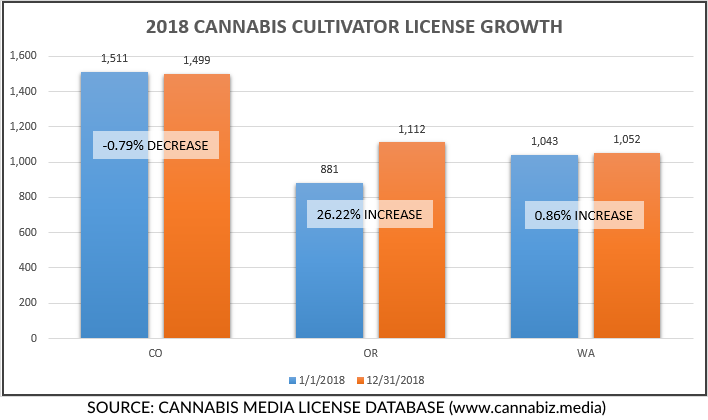







 James B. Mann is a partner with the Tax practice group of Greenspoon Marder LLP. Mr. Mann has over 25 years of experience serving as a trusted advisor to a broad range of stakeholders in the energy and financial services industries. He counsels clients on the new changes in the tax law, as well as cannabis tax issues and cannabis tax controversy proceedings. Mr. Mann has a law degree from Harvard Law School and an MBA from Columbia University.
 Ms. Gillette regularly represents clients before the IRS’s Examinations, Appeals, and Collections Divisions, including marijuana businesses facing the challenges of IRS adjustments under 280E. She has successfully protested local, state and federal tax deficiencies on behalf of her clients, having prevented hundreds of thousands of dollars in incorrectly assessed taxes, interest, and penalties. She can assist individual and business taxpayers in 280E proposed assessments, offers in compromise, audit examinations, innocent spouse claims, sales, use, and employment tax matters, trust fund tax penalty assessments, penalty abatement’s, and levy releases.

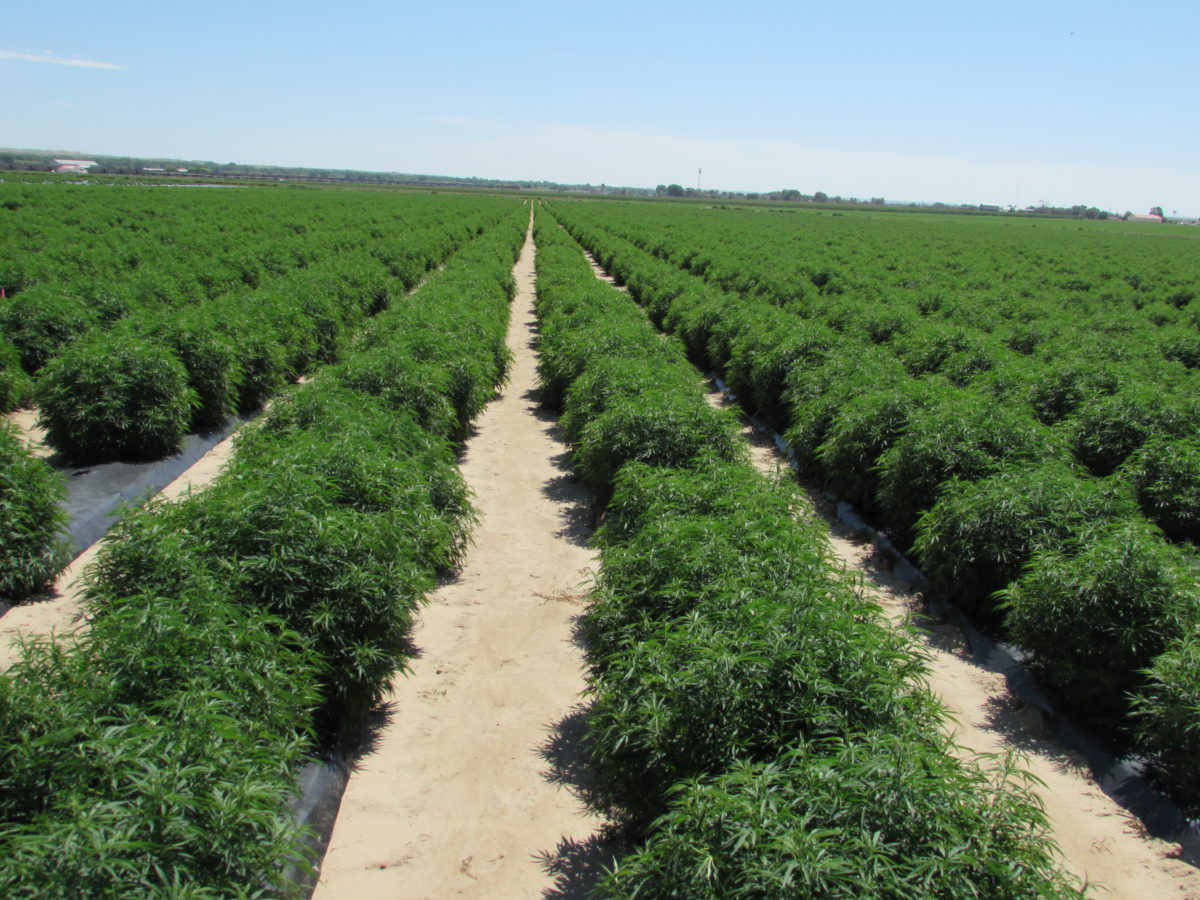

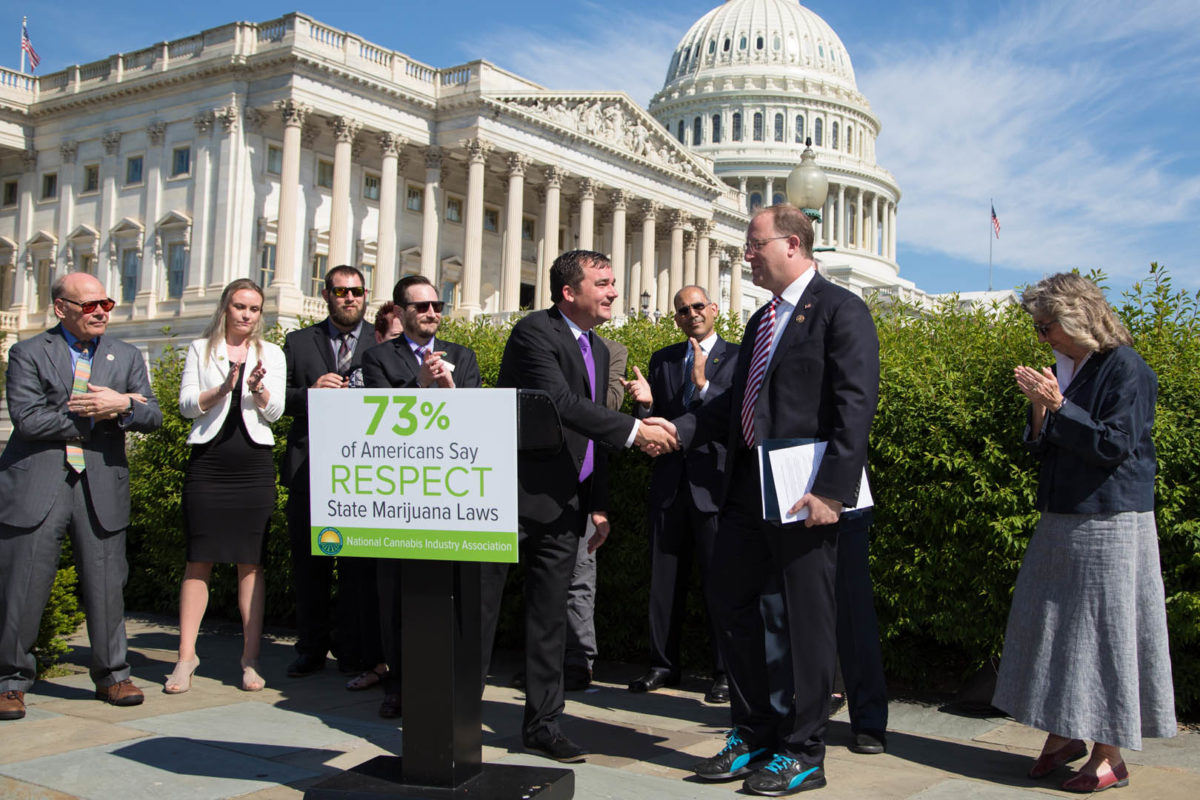

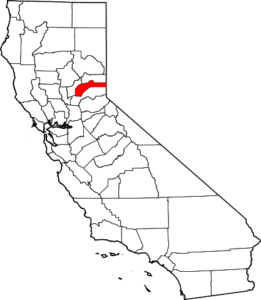 One challenge we face as a member based organization is maintaining and continuing to grow our membership numbers. The quintessential financial sustainability quagmire. Ever changing regulations and market uncertainty has caused reluctance from many small farmers. The Alliance works hard to reinvigorate and provide hope throughout the local cannabis community, but the reality is that there has been a decline in membership. Maintaining and continuing to grow our membership numbers, business sponsorships and financial stability is a constant need in order to continue working for a thriving cannabis industry for our region.










 Ruining a profitable relationship like this has the potential to disrupt sales, cash flow, bottom line performance, and carries the potential to sink the business all together. Most growing businesses in the cannabis industry do not have the size, resources or infrastructure to hire full-time accounts receivable personnel. One of the worst decisions a canna-business can make is to pay salespeople to spend their time selling a client on writing a check for past orders, when they should be focused on acquiring new business. Making the sales team collect on unpaid invoices forces them into a precarious situation. After building a sensitive business relationship, they must now approach their clients, and become the “bad guy bill-collector.” This label will then forever be applied in your client’s mind about your sales staff and from then on, will create a tenuous business relationship.
 Brett Gelfand and Cody Ziering, Managing Partners of
 Gary Cohen, CEO, leads Cova’s charge into the legal cannabis space by guiding the vision, strategic development, ‘go to market’ plans and culture.

 To address both branding/printing and business/legal intelligence requirements at state and local levels, Denver-based strategic partners
 Leading the sales team at
 The running of a dispensary requires management to constantly assess staffing costs and needs for the changing demands of the business. However, too much attention to the needs of the business and too little on employees can lead to the overworking of staff, burnout and an unpleasant working environment.
  Matthew Hughes is a British-born content writer with the mindset of a cat, he has a curiosity for the unknown, can be impulsive and can be won over with food. The best place to catch him will be in the offices of
 Jonathan Tsai is the head of
Follow NCIA
Newsletter
Facebook
Twitter
LinkedIn
Instagram
News & Resource Topics
–
This Just In
Committee Blog: Access to Capital in the U.S. Cannabis Market Outlook
Member Blog: The Risks of Removing a Regulated Cannabis Market