Dr. Amanda Reiman in conversation with Jeremy Marsh, from the Office of Congresswoman Dina Titus
NCIA’s 13th annual Cannabis Industry Lobby Days is rapidly approaching and new and seasoned attendees alike may be wondering how to make the most out of the precious time with electeds’ offices. Meeting with allies and skeptics both present unique challenges and opportunities. To provide advice on how to make the most out of Lobby Days, I reached out to Congresswoman Dina Titus’ office and spoke with Legislative Assistant Jeremy Marsh. Following his advice will help you walk away from Lobby Days feeling accomplished and confident that your message got through.
Stories from the community matter
White papers and data points are fine, but what really moves the needle are stories from the community and the front lines. Tailoring stories to the district/state of the office you are meeting with shows how constituents and local businesses are impacted by policy. These stories are great tools for supportive legislators to take to the floor and their committees. And, when meeting with a legislative office that has supported cannabis in the past, be sure to thank them! Standing up for cannabis is still a risk and those willing to take it should be acknowledged.
Rescheduling and hemp are still areas of confusion
Elected officials are more cannabis savvy now than ever before, but there are still some issues where education is needed. Don’t assume that elected officials, even supporters of cannabis are experts in all of the hot button issues being discussed in the industry. Mr. Marsh explains that rescheduling/descheduling and hemp regulation are two areas where confusion persists. Explain the issue before asking for support, and have some fact sheets ready with background information, as well be willing to answer questions and give context to these issues. Be sure you yourself can clearly explain the issues you are bringing into your Lobby Days visits.
Be early and be flexible
If you’re early you’re on time, if you’re on time, you’re late. This adage was drilled into my head by my Dad (thanks Dad!) and it is a great rule of thumb for Lobby Days. Try to be at least 5 minutes early to each meeting. Time is precious and being early shows that you are taking the process seriously. It also gives you time to collect your thoughts and your breath before heading into a meeting. Lines to get into the Capitol can be long, so keep this in mind before your first meeting of the day. If you are going to be late to a meeting, call the office and let them know. At the same time, be flexible. Schedules are constantly shifting for elected officials, so don’t take it personally if you are meeting with a staffer, or in the hallway outside the office. ALL communication is important, and many vital conversations happen outside the office doors (just watch Veep!).
The economy and public safety are selling points for opponents
Many would argue that meeting with opponents is just as, if not more, valuable than meeting with allies. And although cannabis has gained support from both sides of the aisle over the years, many are still skeptical of changing the laws around cannabis. If you meet with someone who has not traditionally been supportive, discussing the economic and public safety benefits of legalization is a good focus. Cannabis tax revenue has been used to support schools, roads, substance abuse programs, job placement and more. And, research shows that, after legalization, fewer teens are using cannabis, and fewer people are using opiates. You don’t have to be a fan of cannabis to be a fan of legalization.
NCIA’s 13th annual Cannabis Industry Lobby Days is a chance to bring the cannabis issue front and center with lawmakers. Once a source of snickers and jokes, the cannabis movement has become a major political force. Even so, assumptions about those involved in cannabis persist. Being prepared, professional and well versed on the issues will make an impression. And being a part of shedding a positive light on this industry and the people who work in it feels really great.
NCIA’s Statement on Interlocutory Appeal in Federal Cannabis Rescheduling Hearing
The historic hearing scheduled to examine how marijuana is classified under federal law that could have potentially moved it into Schedule III of the Controlled Substances Act has been postponed indefinitely.
The DEA’s Chief Administrative Law Judge (ALJ) Mulrooney recently granted a request for leave to file an interlocutory appeal, resulting in the cancellation of the merit-based hearing and effectively pausing the proceedings for at least three months. With a new administration being sworn in imminently and a new DEA Administrator who has yet to be selected, future action remains uncertain.
The movants (Village Farms International, Hemp for Victory, Office of the Cannabis Ombudsman of Connecticut, et. al.) behind the request were Designated Participants (DPs) without standing who purport to be pro-rescheduling, despite the fact that their motion will require operators to continue paying the exorbitant tax rates that 280E imposes and has galvanized prohibitionists. The interlocutory appeal was filed in an attempt to remove the DEA as the proponent of the rescheduling rule due to evidence the agency was biased against cannabis and had engaged in communications with prohibitionist group Project SAM and other opponents outside of the legal process.
While we agree that the DEA was unsurprisingly not free from bias, NCIA did not subscribe to this strategy because removing the DEA from its own administrative court was never a viable option and would have only resulted in delay or perhaps the end of the rescheduling process.
As the only pro-cannabis party granted standing in these proceedings, we are very disappointed in this unfortunate turn of events initiated by parties without legal standing.
“We believe this to be an ill-conceived strategy that benefits no one but the prohibitionists seeking to hinder reform,” said NCIA CEO & Co-founder Aaron Smith. “Our members need rescheduling and tax relief now, and we remain committed to advancing these reforms through whatever means available in the weeks and months ahead.”
This development underscores the importance of NCIA’s ongoing work advocating for the cannabis industry in Congress and the new administration. It will be up to the next DEA Administrator to determine the future of cannabis scheduling and NCIA will be working hard to ensure getting the process back on track is a priority.
Our pro bono legal teams at Greenbridge Corporate Counsel and Fox Rothschild are exploring every avenue possible to get the proceedings back on track and ensure meaningful progress continues.
The Power of the Ballot: Cannabis Reform Takes Center Stage in 2024
Ballot initiatives are as OG as it gets: nearly thirty years ago in 1996, California became the first state to legalize medical marijuana via Proposition 215, also known as the Compassionate Use Act. This provision exempted certain patients and their primary caregivers from criminal liability under state law for the possession and cultivation of cannabis for medicinal use- and as they say, the rest is history!
But with election day just around the corner, it’s important that we remember our roots (pun intended) and remind our friends in Arkansas, Florida, Nebraska, North Dakota, South Dakota, and Oregon that cannabis is on the ballot.
Arkansas
If you live in Arkansas you may see marijuana on your ballot, but unfortunately your vote on the measure simply won’t be counted!
The Arkansas Medical Marijuana Expansion Initiative will appear on the ballot in Arkansas as an initiated constitutional amendment, however, in late October, Secretary of State John Thurston announced that votes on the measure would not be counted. Thurston determined that proponents submitted a total of 88,040 signatures, falling short of the 90,704 signatures required. The measure was provisionally placed on the ballot because signature verification was ongoing amid the deadline for the final statewide ballot to be printed but the Arkansas Supreme Court later ruled that although the sponsors submitted enough valid signatures to qualify for the ballot, the amendment’s ballot language was misleading and that votes on the measure would not be counted.
Florida
Voters in the Sunshine State will have the opportunity to cast their vote on legalizing adult use cannabis, but with a catch: in order to pass, proposed amendments need to garner at least 60% of the vote in order to be added to the Florida Constitution.
Amendment 3 has gotten substantial media coverage: Florida Governor Ron DeSantis has been an outspoken opponent of the measure, while former President Trump has recently stated that “As a Floridian, I will be voting YES on Amendment 3 this November”.
The outcome remains uncertain, though: A recent Emerson College Polling/The Hill survey found that support for Amendment 3 is at 60 percent, while 34 percent are opposed and 6 percent remain undecided.
Nebraska
Voters in Nebraska will see two medical marijuana measures on their ballots in November, but getting there wasn’t easy: there’s been a local lawsuit and a statewide investigation into whether enough of the signatures were valid.
Both initiatives would define cannabis as all parts of the plant of the genus cannabis, including marijuana, hashish and concentrated cannabis, but not hemp as defined in state law. One effort, the Nebraska Medical Cannabis Regulation Act, would legalize possessing, manufacturing, distributing, delivering and dispensing cannabis for medical purposes and would create the Nebraska Medical Cannabis Commission to oversee the law.
The other measure, the Nebraska Medical Cannabis Patient Protection Act, would set an allowable amount of medical cannabis at five ounces; would exempt patients and caregivers from using or assisting someone else in using the cannabis; and would require a written recommendation from a health care practitioner, as well as a legal guardian or parent in the case of minors, prior to prescription.
Advocates in Nebraska tried (and failed) to get medical marijuana on the ballot in 2022 and 2023- hopefully third time’s the charm!
North Dakota
Voters in North Dakota will see Initiated Measure 5, aka the Legalization and Regulation of Cannabis, on their ballots. North Dakota voters approved medical marijuana in 2016 but rejected recreational initiatives in 2018 and 2022.
The 20-page statutory measure would legalize recreational marijuana for people 21 and older to use at their homes and, if permitted, on others’ private property. The measure also outlines numerous production and processing regulations, prohibited uses — such as in public or in vehicles — and would allow for home grow.
According to a September survey, roughly 45% of registered voters in North Dakota support Initiated Measure 5, while 40% oppose and 15% are undecided.
South Dakota
In South Dakota, voters will see Initiated Measure 29 on the ballot. Measure 29 would legalize cannabis use, possession, distribution and home grows for individuals 21 years and older and allow for limited home grow. It would restrict where individuals could possess or consume cannabis and would also allow employers to restrict an employee’s use of cannabis. To satisfy the state’s single-subject rule, the measure does not establish a commercial marketplace for licensed cultivation or dispensary sales.
This is South Dakota’s third adult-use cannabis measure to appear on the statewide ballot.
Oregon
Measure 119, known as the Unionization of Cannabis Workers Initiative, is on the ballot in Oregon as an initiated state statute. Measure 119 would require cannabis retailers and processors to submit to the Oregon Liquor and Cannabis Commission with its application or renewal of license a signed labor peace agreement between the cannabis retailer or processor and a labor organization actively engaged in or attempting to represent the retailer’s or processor’s employees.
Currently, California, Connecticut, New Jersey, New York, and Virginia have similar requirements for licensed cannabis businesses.
All of these measures will shape the narrative around cannabis reform, so whether you live in a state with a marijuana-related initiative or not- make sure you have a plan to get to the ballot box and let your voice be heard!
SAFER Banking Act Clears Senate Committee
NCIA (and myself personally!) have been talking about the SAFE Banking Act for years.
After the Senate Banking Committee’s hearing on the topic of financial services and the cannabis industry in May, it became clear that in order for the bill to continue on in the legislative process and receive a markup that changes to a few sections needed to be made.
As a result, a slightly new (and improved?) version of the bill was introduced as the SAFER (S. 2860: Secure and Fair Enforcement Regulation) Banking Act last month. Most of the changes in the bill pertained to Section 10, which bars federal banking regulators from taking discriminatory enforcement action against any industry (not just cannabis).
Once SAFER was formally introduced, the Senate Banking Committee announced that a markup was scheduled for September 27. It’s important to note that this was the firsttime ever that a Senate committee held a markup on a pro-cannabis bill.
During the markup session, multiple amendments were offered. The first, offered by Chairman Brown (D-OH) was what’s known as a “manager’s amendment” and primarily made technical changes to the bill. That amendment also made changes so that the Treasury secretary would be given one year (instead of 180 days) to issue updated guidance to financial institutions that work with cannabis businesses that was first released during the Obama administration in 2014. It also stipulated that federal home loan banks are now included under a list of financial institutions that would be protected from being penalized by federal regulators simply for working with state-legal cannabis businesses.
Another amendment, from Sen. Warnock (D-GA) would have created a 5-year sunset for the legislation unless a report from the Treasury Department certified that it had decreased the racial wealth gap and ameliorated other negative economic impacts of the war on drugs. This amendment ultimately failed.
Additionally, amendments from Senators Hagerty (R-TN), Rounds (R-SD), Crapo (R-ID) were also offered but were ruled out of order, withdrawn, and failed, respectively.
Republican members of the committee voiced concern that the bill allowed for financial institutes to utilize reputational risk to de-bank certain accounts they do not align with ideologically and argued that no financial regulator should be able to pressure any financial entity to refuse to provide service to a lawful entity.
Some Democrat members, particularly Sen. Warnock (D-GA), voiced concern that the bill does not adequately address the disproportionate impacts of marijuana criminalization and its exacerbation of the racial wealth gap in the United States. Other members of the committee encouraged amendments and future legislation intended to improve the quality of life for those most negatively impacted by marijuana criminalization in addition to creating safer conditions for banks and other financial institutions. Sen. Warnock was the lone Democrat who voted “No” on the bill during the markup.
Ultimately, the bill passed out of the committee markup by a bipartisan vote of 14-9. This sets the stage for a full Senate floor vote, which Majority Leader Schumer (D-NY) has committed to scheduling as soon as possible, with the possibility of adding the HOPE and GRAM Acts to the bill before passage.
I don’t know about you, but I’m not done making history yet! Stay tuned for the latest on the SAFER Banking Act and how you can help get the bill passed!
HHS Recommends Rescheduling: Now What? | 9.14.23 | Fireside Chats with NCIA’s Government Relations Team
NCIA’s #IndustryEssentials webinar series is our premier digital educational platform featuring a variety of interactive programs allowing us to provide you timely, engaging and essential education when you need it most. The Fireside Chat series of NCIA’s #IndustryEssentials webinars are an opportunity for industry professionals to hear from our government relations team and guests about the latest developments in federal policy LIVE.
For more than fifty years, the federal government has maintained that cannabis is a Schedule I drug, meaning that it has a high potential for abuse and no accepted medical value.
That recently changed when the Department of Health and Human Services (HHS) recommended to the Drug Enforcement Administration (DEA) that cannabis be placed in Schedule III, meaning that it has moderate to low abuse potential, a currently accepted medical use, and a low potential for psychological dependence.
There’s no doubt this move was an historic one– but what does it mean? What’s next? How will it impact your business? Join NCIA’s Aaron Smith and Michelle Rutter Friberg as they unpack all these questions surrounding cannabis rescheduling impact and more!
As an insurance professional and broker who worked with more than 70 cannabis clients, I have seen firsthand how the lack of access to traditional banking services has affected cannabis businesses. The cannabis industry has faced many hurdles since its inception, and access to traditional banking services has been one of the biggest obstacles. This has created significant challenges for cannabis businesses, forcing them to operate on a cash-only basis and creating safety concerns.
The SAFE Banking Act is a necessary step toward creating a more supportive regulatory environment for the cannabis industry. The act would provide greater transparency into financial transactions and encourage more insurance companies to enter the market. This would benefit not only the cannabis clients but also the insurance companies by providing greater coverage options.
The current situation has a significant impact on the life of a cannabis business owner/operator. Banking with a cannabis bank can be expensive, driving down profits. Cashless ATMs and payment processing platforms have costs associated with them, which also drive down profits or are pushed onto the consumer. Additionally, accepting cash increases the risk of theft, leading to the need for expensive security measures. What’s more, investing in an adequate safe is required by insurance carriers, which can also be costly and further drive down profits. Due to the cash-intensive nature of the business, insurance companies offer limited coverage on cash.
Passing the SAFE Banking Act could help solve these issues by providing cannabis businesses with greater access to banking services, which would help them manage their finances more efficiently and effectively. This would also provide greater transparency into financial transactions, making it easier for insurance companies to assess risk and provide coverage options.
Moreover, the passage of the SAFE Banking Act would help create a more supportive regulatory environment for the cannabis industry. The current lack of access to traditional banking services has created significant challenges for cannabis businesses, forcing them to operate in a largely unregulated environment. This makes it difficult for them to comply with regulations and puts them at a disadvantage compared to other industries.
The cannabis industry is still in its early stages, and it requires significant capital to operate. Without access to traditional banking services, cannabis businesses struggle to obtain loans or lines of credit, making it difficult for them to grow and expand. Passing the SAFE Banking Act would provide cannabis businesses with greater access to capital, which would help them invest in their businesses and drive growth.
Finally, passing the SAFE Banking Act would benefit insurance companies as well. By providing greater coverage options, insurance companies would be better able to serve the needs of the cannabis industry. Additionally, the act would encourage more insurance companies to enter the market, which would increase competition and drive down costs for cannabis clients.
Overall, passing the SAFE Banking Act is a necessary step toward creating a more supportive regulatory environment for the cannabis industry. It would provide cannabis businesses with greater access to banking services, help them manage their finances more efficiently and effectively, and provide them with greater access to capital. This would benefit both cannabis clients and insurance companies, and I strongly believe that policymakers should take swift action to support this growing industry.
Valerie has over 16 years of experience in the insurance industry with specialized niches in cannabis, real estate, and community associations. With experience working for companies such as McDermott Costa Insurance Brokers, AmWINS Group, Inc., Commercial Coverage Ins. Agency, and Colemont Insurance Brokers, Valerie has developed a love of helping clients navigate the world of insurance by creating an understanding of the value behind insuring their business. In addition to her professional work, Valerie serves as the CREW East Bay Chair on the Programs Committee, is a National Cannabis Bar Association member, NCIA member, and volunteers in East Bay communities with Richmond Grows Seed Lending Library to show people how to save vegetable seeds and grow their own food. In 2021, Valerie received the 2021 and 2022 CREW East Bay Connections Award and was a nominee for the Elevate 2021 Industry Impact award.
With a drive and passion for helping people, Valerie has gone back to her long-standing roots in the plant medicine industry and uses her unique lens of growing up surrounded by cultivators and sellers to validate her client’s business needs. Valerie strives to break the mold of how insurance and cannabis has partnered together to give back to the community she grew up in. With a strong insurance background and an in-depth knowledge of the cannabis industry, Valerie has been a trusted advisor for over 70 cannabis clients.
For more information on Liberty’s National Cannabis Practice Group, please reach out toValerie Taylor, Vice President (National Cannabis Practice Leader), The Liberty Company Insurance Brokers.
Equity Member Spotlight – Back to D.C. for Lobby Days
by Mike Lomuto, DEI Manager
For the second time in nine months, NCIA’s DEI Program organized a DEI Delegation as part of our annual Lobby Days on Capitol Hill.
The DEI Delegation consists of some of the foremost advocates for Social Equity from across the country. Their leadership within their state and local communities, as well as within NCIA’s Committee structure, greatly bolsters the lobbying efforts of our organization as a whole, all year round.
Our Delegates weighed in on the organization’s talking points ahead of the event, and then provided an important perspective on the Hill. As part of NCIA’s lobbying on behalf of the industry, our members focused on SAFE Banking, 280E Reform, Comprehensive Legalization, Veterans Affairs, and more.
Thanks to TILT Holdings and Evergreen Market for sponsoring this very important initiative.
As stakeholders in the cannabis industry, it is important that we learn how to also properly advocate for ourselves and for others from diverse communities around the country.
We’ve already begun raising funds for next year’s DEI Delegation. If you want to ensure the return of this initiative, while also receiving year-round recognition, reach out to mikelomuto@thecannabisindustry.org
2023’s Lobby Days DEI Delegation:
Raina Jackson, Purple Raina; DEI Committee Organizer and Policy & Regs Subcommittee Chair Dr. Adrian Adams, CGO at Northeast Extracts; NCIA’s DEI Committee; M4MM’s NY State Director Vanessa Valdovinos, HUSH; NCIA’s Marketing & Advertising Committee Organizer Anthony Jenkins, Next Level Edibles; NCIA’s Cannabis Manufacturing Committee
This is your first year as a Delegate. Why was it important to you to participate?
Vanessa:
Participating in Lobby Days allowed me to contribute my personal experiences, expertise, and insights as someone running a small business in a highly regulated market. I wanted to have a voice in shaping legislation related to crucial topics that are important to me like providing an equitable pathway in the cannabis space. By being present at Lobby Days, I could truly contribute to the development of policies that would essentially help shape policies that promote a safe, inclusive, and thriving cannabis industry for the benefit of all.
You were a member of last year’s Delegation. Tell us why you chose to return this year, and how your experience last year influenced your game plan for this year.
Dr. Adrian:
Last year was more about figuring out who in each office was the one driving the cannabis policy car, if you will, meeting them where they were, and schooling them up. This year we did a better job as a small group in each office using each of our bios to tell an impactful story regarding the impact of SAFE Banking and 280E, and tying it to what some offices have done in their home district.
Raina:
It was a wonderful experience to participate in Lobby Days 2023, especially after attending last September for the first time and learning so much. I appreciate that this year’s meetings were extended over two days, following in-person training at the glorious Michael Best Strategies office penthouse.
Like last year, I found that most Congressional staffers are quite open-minded and seek to understand our points of view to correctly convey them to the lawmakers they serve. I learned that we don’t have to agree on every single detail to come to a compromise, especially since the People have spoken and demand some form of safe cannabis access and decriminalization nationwide. Bipartisan efforts must match public opinion.
What were the main takeaways from your experience on Capitol Hill?
Raina:
Most staffers were not familiar with 280E and how it disproportionately burdens cannabis businesses with paying upwards of 50 to 70% of revenue towards federal, state, and local taxes without the tax write-offs other industries enjoy at a 30% standard rate.The new proposed Small Business Tax Equity Act eliminating 280E for cannabis businesses would greatly improve the economic landscape, while still representing a net gain for the national economy. This credit would allow more businesses to stay afloat and continue to pay taxes at a more equitable rate over a longer period. Everybody wins!
Dr. Adrian:
SAFE Banking could potentially happen sooner than I thought if it originates from the Senate side.
Anthony:
My main experience in Capitol Hill taught me that with planning and footwork, it is possible to reach elected officials, even highly ranked officials like US Senators. And from the feedback we received from both Democrats and Republicans, most representatives are on board with all 3 (hemp updates, 280e reform, SAFE Banking).
Vanessa:
One of my main takeaways from this experience was the immense value of hearing personal stories that shed light on the diverse perspectives within a highly regulated market. By listening to the struggles and triumphs shared by individuals, I gained a deeper understanding of the challenges we all face on a day-to-day basis. I also realized that by sharing our own truths and insights, we can provide invaluable perspectives that others can learn from. Personal stories have the ability to bridge gaps in understanding and create empathy, which are crucial for the progress of any industry.
Mike:
An important component of Lobby Days is the in-person training session. This year, Reggie Babin provided some great insights. As the former Chief Counsel to Senator Charles Schumer, who worked directly on the Cannabis Administration and Opportunity Act, his words resonated throughout the room and our lobbying efforts over the ensuing two days. One thing that stuck with me is when Reggie compared the ten years it had just taken to get reform through on a non-cannabis issue. That bill had strong sentimental support and near-unanimous public opinion on its side. Given that context, it made it clear that we’re on schedule for SAFE Banking. It also means we need to be pushing on other legislation that may likewise take many years to push through.
He also pointed out how any one conversation that we have could be the one that flips the vote that is the final domino on passing legislation. That’s why our stories are so important.
What did you learn from your experience that you’d like others to know?
Raina:
As NCIA DEI Delegates we must control our own narratives and help illuminate the state of our industry by putting names and faces to our stories and sharing our triumphs and pain points. I’m glad we are revisiting the SAFE Banking Bill, which is vital to public safety and economic growth along the supply chain. It is paramount that the bill is passed in any version initially, with room for amendments to weave PLUS equity initiatives into the fabric.
Dr. Adrian:
The circle of leaders at the top of the cannabis industry is relatively small and many of those folks attend the lobby days of groups like M4MM and NCIA. Your attendance is good for business as well as for the creation of informed public policy.
Vanessa:
Another important lesson I learned was the significance of building relationships. Engaging with lawmakers directly and sharing my own personal experiences and insights was a driving force for me. It was inspiring to witness their genuine interest in hearing directly from industry professionals. Establishing meaningful connections with policymakers is key so that our industry is properly understood and represented.
Anthony:
I learned that an impassioned personal message goes a lot further than you think. Which is why we need you next year. Because we need our officials to hear your story, and how these issues affect you, your business, and your family daily.
What’s something you loved about visiting D.C. outside of the Lobby Days activities?
Vanessa:
It was the opportunity to connect with my fellow members on a deeper level that truly resonated with me. During our time together, I had the privilege of hearing their unique personal stories and gaining a deeper understanding of what had motivated them to participate in Lobby Days. These stories were inspiring and just reminded me of the incredible passion and dedication within our community.
The personal stories, the camaraderie, and the bonds we formed have created a network of support and friendship that extends far beyond the event itself. It was a truly special aspect of the trip that I will cherish for years to come.
Dr. Adrian:
Just seeing the unique D.C. cannabis market in action with entrepreneurs like Barry Doyle/Embers and others holding unique events. As Anthony Jenkins from San Francisco put it, “it was like seeing the future of cannabis in the U.S.”
Raina:
I appreciated that this year my group had time between and after meetings to visit D.C. landmarks like the Botanical Garden, the Dr. Martin Luther King Memorial, and the Washington Monument. I even extended my stay to experience the phenomenal National Museum of African American History and Culture.
Anthony:
The botanical garden was dope!
P.S. Something else I’d like to note is that in the weeks leading up to Lobby Days, I embarked on the Equity Workshop Tour, a series of workshops held in four cities, bringing together industry stakeholders, leaders, advocates, and regulators. This experience was highly informative for me to hear all these stories prior to our lobbying work in D.C. It was also great to see some of the same faces that I had seen across the Tour again in D.C!
Committee Blog: How Can Retailers Improve the Customer Experience?
by NCIA’s Retail Committee
Contributing Authors – Ace Castillo, Brian Anderson, Tony Trinh, Pete Longo, Nicole Rivers, John Kent, Larina Scofield, and Brian Hart
In a competitive market the customer experience is one of the biggest factors in the success of a company. This begs the question as to how to improve the customer experience? In one simple word, service. But what can retailers do to provide service to the customers? After consulting several members within the NCIA retail committee, here are a few takeaways.
Education
This applies to both the customer and the employee. While there are certainly customer-facing employees who have strong knowledge and have made a great impression on customers, a common trend is there is a lack of consistency with employee knowledge and communicating information. One can go into a retail location and ask the same question to four budtenders and get five different opinions. This is often a reflection of the lack of standardized and consistent training provided by management. There are certainly challenges regarding the high turnover of employees in the cannabis industry however management needs to find solutions to ensure every employee is trained in the same way so there is a standard of cannabis knowledge. Once that standard is in place, customer-facing employees can provide consistent and well-informed information to the customer. Examples include communicating the properties of the plant like that of the different cannabinoids and terpenes, their effects, and which cannabis products can maximize the desired effect of the customer.
Engagement
Engaging customers and the community improves the overall customer experience. Often when applying for a license a retail location has a community engagement plan that looks promising but doesn’t get executed. It is understandable there are a litany of tasks needed to be performed but if a retail location wants to improve the customer experience, engage the customer and community. Host events where a retail location can get to know the customer and community and provide value in these events through education. Engage community leaders and people who have concerns about a retail location in their area. This does not mean people will change their opinions however if they feel they are being listened to and have respectful communication then the overall reputation of a business will be improved upon. A good business reputation will improve interactions with customers. Also, have retail employees engage customers, this goes back to sharing information about the plants and products.
Process Development
Evaluate and improve the customer experience. If one trains employees and engages customers, leverage these experiences to improve the process. One conversation can provide valuable insight as to how to improve service. Another conversation may provide insight as to what products customers find value in or importantly detract value. It could be that too many customers find the explanations provided by trained retail staff are too detailed or too vague. If that is the case, make the appropriate changes to improve the process. Customers will notice when changes are made for their benefit and this strengthens their desire to return to the retail location.
Data Analytics
Observe quantifiable patterns and this doesn’t need to be over complicated. What are customer flow-through rates? Is there a time of day where there is an influx of customers and could there be a correlation as to what they are buying? Is there a time of day that many customers come in for a specific item and through this observation can changes be made to make the process easier and the overall experience better? It could be that customers at a specific location prefer a specific brand or type of product and by having the right levels of inventory a retail location won’t run out of products and disappoint the customer. Conversely if there are products that are not selling and could potentially serve as an unwanted distraction to customers, it could be possible the customer experience would be improved upon by removing the product. Reviewing data about customers does not need to be intrusive and can be viewed at a high level.
Company Values
Does a retailer have a list of values, are they authentic, and is it followed? Keeping to company values provides direction and commonality between the company and the customer. Is there a retailer that genuinely cares about kindness and is it practiced throughout the company? If the owner of the company treats a manager with kindness and the manager treats customer-facing employees with kindness, there is a greater likelihood the customer-facing employee will treat the customer with kindness. Whatever the values of the company are, they need to be announced and if practiced, customers will see it in everyday interactions and that can make the difference from good to great.
As one may notice, the aforementioned tips are not revolutionary or the first of their kind. Instead, these are ideas that can be practiced daily and make small but incremental improvements. We encourage you to try these tips out and through consistency over time, these incremental improvements will compound and improve the customer experience.
Brian Hart is a consultant and entrepreneur in the cannabis industry and has both academic and practical experience within the cannabis industry. Having written his master thesis using a neoclassical economics model to conduct an industrial analysis of the Colorado Cannabis industry, Brian grew and sold cannabis and has consulted on the industry for several years nationally as well as internationally.
NCIA Members United in D.C. at Lobby Days! Join Us Next Year!
Photo By CannabisCamera.com
by Michelle Rutter Friberg, NCIA’s Deputy Director of Government Relations
Essentially every industry and association with a presence in Washington, D.C. hosts their own lobby days, advocacy days, or fly-ins – whatever you want to call them – where their members come to the Capitol to lobby Congress on their respective industry and legislative issues.
Thanks to NCIA, the cannabis industry is no different. In fact, just a few weeks ago, more than 100 members of the National Cannabis Industry Association (NCIA) descended upon Capitol Hill for NCIA’s 11th Annual Cannabis Industry Association Lobby Days. Lobby Days are an opportunity to advocate for our industry and tell Capitol Hill staff about the real, lived, on-the-ground experiences that cannabis professionals experience daily.
Planning 150+ meetings over the course of two days with 100+ attendees and 21 teams is about as easy as it sounds. That’s not to mention the multiple events, a congressional briefing, and training sessions! But that’s exactly what the NCIA team does for our members every spring. At lobby days, NCIA members gather to amplify our message and make their voices heard in the halls of Congress, while simultaneously forging strong relationships with the most influential leaders in the cannabis industry.
With more than 80 freshman members in Congress this session and multiple bills that have yet to be reintroduced, we wanted to focus our efforts on educating new members about the issues the cannabis industry – and the people that comprise it – face regularly. Many of these members and their staff have never heard of 280E, haven’t had to vote on SAFE Banking (yet!), and are on the fence about legalization, while others have never even talked with a cannabis professional. As a result, it was incredibly important to us that we reach out to those offices and provide them with the resources they need to best inform their position on the various policy areas that cannabis touches.
After arriving in D.C., attendees were greeted with a tropical vibe at our welcome reception at Tiki TnT & Potomac Distilling Company. This gave teams an opportunity to meet up ahead of meetings and mingle with other professionals who made the trip. The next day, we all gathered bright and (very) early for our mandatory breakfast training ahead of shuttling to the Capitol grounds for our group photo. At the training, attendees were able to grab a quick bite to eat, drink some coffee, get together with their teams, and get the final “do’s and don’ts” for their meetings. After our training and group photo, our teams split off for their meetings and reconvened at the end of the day for our stunning closing reception. There, attendees debriefed after an incredibly productive day and unwound with beautiful views, some drinks, and a dreamy jazz band. On the final day, attendees began their morning with a Senate briefing focused on SAFE Banking, where they rubbed elbows with congressional staff. Post-briefing, teams broke off for their final meetings, and just like that, lobby days 2023 was a wrap!
It’s no secret that the cannabis industry is undergoing significant struggles and we’re feeling that squeeze in Washington, D.C. Many companies have downsized and laid off government relations professionals, while others continue to just hope that Congress will pass reform magically. The truth is that lobbying, advocating, and being active in the legislative process are critical to moving our industry forward. Stay tuned for other citizen lobbying opportunities, and take it to the next level by sponsoring NCIA’s 12th Annual Cannabis Industry Lobby Days in 2024!
Committee Blog: A Novel Cannabinoid Conundrum – Loopholes, Liability, and Legislation
by Matthew Johnson and Doug Esposito members of NCIA’s Risk Management and Insurance Committee
For better or for worse, the cannabis industry is easily the most fascinating experiment in state regulation that this country has ever seen.
Rules vary widely from state to state.
Product testing requirements lack uniformity.
Packaging and labeling are a compliance nightmare.
State laws aren’t the only things that vary, though…
Product Liability definitions of what is even ‘covered’ by a cannabis insurance policy range widely between insurance companies. Now, a tidal wave of novel cannabinoid products threatens to upend the traditional American perception of cannabis – and possibly teach a few lackadaisical insurers an expensive lesson.
So, let’s delve into the issues associated with product liability and novel cannabinoids in the American cannabis industry…
American cannabis companies face a daunting task when it comes to navigating the complex and constantly evolving landscape of regulations governing the production, distribution, and sale of cannabis products. With 40 sets of rules governing different state markets, plus a handful of federally licensed businesses, ensuring compliance can seem like an insurmountable challenge.
One of the most significant issues facing cannabis companies is product liability, including the ongoing blight of product recalls. As with any consumer product, there is a risk of harm associated with the usage of cannabis products – things like adverse reactions, contamination, mislabeling, or improper dosage, to name a few. The legal and financial implications of product liability can be severe, including lawsuits, fines, and irreversible reputational damage. Given the complexity of the state-segregated cannabis supply chains and the lack of clear federal guidance, it is additionally challenging for companies to identify and mitigate potential risks.
Traditional cannabis companies must also contend with the emergence of novel cannabinoids. As researchers continue to explore the potential therapeutic benefits of cannabis, previously unknown cannabinoids are being discovered and brought into the mainstream. These compounds may have unique properties and potential therapeutic applications, but they also pose challenges in terms of safety and regulation. For example, some novel cannabinoids may be more potent or have different effects than traditional cannabinoids like THC and CBD. What’s worse, some novel cannabinoid products can even produce substances that are deleterious to human health (for example – the vaporization of THC-O Acetate produces toxic ketene gas).
The challenges associated with product liability and novel cannabinoids highlight the need for clear and consistent regulation of the cannabis and hemp industry. While some states have taken steps to create comprehensive regulatory frameworks for cannabis, the lack of federal guidance has created an incoherent patchwork of rules and regulations that can be difficult for even the most seasoned minds in compliance to navigate.
Without sensible and congruous regulations, companies may be forced to operate in a legal gray area, increasing the risk of non-compliance and potential harm to consumers. In fact, this is exactly what’s happening with the unregulated intoxicating cannabinoid market. A veritable alphabet soup of novel intoxicants like Delta-8 THC, THCP, THC-O Acetate, and others have sprung up to fill the gap in access perpetuated by the federal illegality of ‘normal’ marijuana products. Beyond that, some folks are synthesizing Delta-9 THC (the ‘normal’ THC molecule) from hemp and marketing it as if it were naturally occurring THC from marijuana.
These products are increasingly problematic for cannabis consumers. While intoxicating hemp-derived products are technically legal through a loophole in the Farm Bill, states have had to take action to ban or regulate novel cannabinoid products. The states that haven’t acted are effectively endorsing the sale of untested cannabis goods often derived from federally legal hemp. This means that novel cannabinoid products get a free pass in many areas for heavy metals, mycotoxins, pesticides, residual chemicals, and other contaminants that the regulated marijuana industry must monitor to maintain good standing with a state cannabis program.
As if varying state regulations weren’t enough, insurers’ definitions of what is considered ‘cannabis’ vary widely too. Some policy forms contemplate hemp-derived cannabinoids as ‘cannabis’ and some do not.
A few examples of policy wording are below:
Carrier A:
“Medical Marijuana means cannabis or marijuana, including constituents of cannabis, THC, and other cannabinoids, as a physician-recommended form of medicine or herbal therapy”
Carrier B:
Simple exclusion for ‘Hemp-Derived Intoxicating Cannabinoids’
Carrier C:
“Cannabis” means:
Any good or product that consists of or contains any amount of Tetrahydrocannabinol (THC) or any other cannabinoid, regardless of whether any such THC or cannabinoid is natural or synthetic.
The paragraph above includes, but is not limited to, any of the following containing such THC or cannabinoid:
(1) any plant of the genus Cannabis, or any part thereof, such as seeds, stems, flowers, stalks and roots; or
(2) any compound, byproduct, extract, derivative, mixture or combination, such as, but not limited to:
(a) Resin, oil or wax;
(b) Hash or hemp; or
(c) Infused liquid or edible marijuana;
Whether or not derived from any plant or part of any plant set forth in the paragraph above.
From the get-go, you can infer a few things from these definitions/exclusions:
Carrier A: not an adult-use cannabis company’s best choice as it only defines ‘medical marijuana.’ This could leave the door open for potentially uncovered claims from recreational products.
Carrier B: insurance company is looking to protect itself from issues with the new wave of novel cannabinoid products – but specifically, only the dozen or so intoxicating cannabinoids that can legally be synthesized from hemp (without testing mandates in most states). An important takeaway is that this definition would cover non-intoxicating cannabinoids like CBN or CBC, even if they were derived from hemp.
Carrier C: this language is/was commonly used across a number of insurance carriers who cover cannabis. Their policies may carry some restrictions, but this broad definition of cannabis includes synthetic cannabinoids and could expose the carrier to major lawsuits.
Those with broader definitions that include all cannabis-derived products often restrict their product liability coverage in other ways. All things considered, the industry has a long way to go until the available product liability coverage can truly be called comprehensive.
To address these challenges, policymakers, industry leaders, and consumers must work together to create a regulatory framework that protects public health and safety while supporting the growth of the cannabis industry. This should include clear guidelines for product labeling, testing, and dosing to ensure that consumers have access to safe and accurately labeled cannabis products. It should also include provisions for product recalls and liability to protect consumers in the event of unexpected quality control issues.
Additionally, the framework should support ongoing research into the therapeutic potential of cannabis, including novel cannabinoids. This research should be conducted in a manner that ensures the safety and efficacy of new compounds before they are introduced to the market. By creating a robust regulatory framework that balances innovation with consumer protection, we can ensure that the cannabis industry continues to grow and evolve in a responsible and sustainable manner.
As risk professionals in this field, it’s our duty to convey the urgency of these issues and the need for action. By working together to create a regulatory framework that supports both innovation and consumer protection, we can ensure that the cannabis industry continues to thrive while safeguarding public health and safety.
It’s time for policymakers, industry leaders, and consumers to come together to address these critical challenges and build a sustainable future for the American cannabis marketplace that is inclusive of all the various products that can be developed from cannabis.
Matt Johnson leads the Risk Services division for QuadScore, the nation’s leading cannabis insurer. Matt works to keep the cannabis industry safe from unexpected losses through all manner of risk mitigation techniques, ranging from facility security assessments to fire protection improvements.
Matt has the unique ability to study the claims activity for hundreds of cannabis operators across virtually every active state in the USA. Through this lens, he can offer unique insights into the most common claims and how to prevent them.
In addition to learning from past mistakes, Matt also keeps an eye on future claims drivers from emerging areas such as hemp-derived novel cannabinoids. Before starting with QuadScore, Matt spent a number of years working for a Berkshire Hathaway insurance company.
Doug Esposito has been a Property & Casualty Specialist with AssuredPartners and leads the firm’s Renewable Energy and Cannabis Practice with specific expertise in these industries. Doug’s current cannabis & hemp practice clients include indoor/outdoor cultivators, manufacturers, distribution companies, dispensaries, non-storefront delivery, labs and property owners, so he knows what challenges are facing the growing industry and is skilled at providing solutions. Doug is also one of AssuredPartner’s experts in alternative risk mechanisms including self-insured and captives programs.
Doug currently serves as the Co-Chair of the California Cannabis Industry Associations’ (CCIA) Risk Management committee and serves on the National Cannabis Industry Associations’ (NCIA) Risk Management & Insurance Committee. He understands the importance and need to educate the insurance carriers and the public on the benefits of cannabis and hemp both medicinally and economically. “I truly respect the spirit of the industry’s medicinal origins and I’m committed to helping build this industry to reach new levels of growth, success, safety and acceptance,” shared Doug.
Member Blog: What Does 280E Mean for the Cannabis Insurance Landscape?
The legal cannabis industry is growing at an unprecedented rate, with more and more states legalizing its use for medical and recreational purposes. However, despite this progress, cannabis businesses face a major obstacle: Section 280E of the Internal Revenue Code. This provision is a significant burden on cannabis businesses, limiting their ability to take deductions for basic expenses like rent, utilities, and employee salaries. The result is a higher tax burden and reduced profitability, putting cannabis businesses at a disadvantage compared to other industries.
Section 280E was introduced in the 1980s as a way to prevent drug dealers from taking business deductions on their tax returns. At the time, the provision was aimed primarily at illegal drug dealers. However, when it comes to cannabis businesses, Section 280E has become a significant hurdle. The problem is that while cannabis is legal for medical or recreational use in many states, it remains a Schedule I drug at the federal level. This means that cannabis businesses are still subject to the same limitations as illegal drug dealers when it comes to tax deductions.
The impact of Section 280E on cannabis businesses is significant. Without the ability to deduct basic expenses, cannabis businesses face higher tax burdens and reduced profitability. This makes it difficult for them to reinvest in their operations and grow their businesses. In addition, the provision makes it challenging for cannabis businesses to obtain financing, as many traditional lenders are hesitant to work with them due to the regulatory environment and the industry’s status as a Schedule I drug.
The insurance industry plays a vital role in supporting the cannabis industry. With the help of insurance professionals, cannabis businesses can protect their assets, mitigate risks, and navigate the complex regulatory environment. However, insurance providers also face challenges in the cannabis industry due to the regulatory environment and the industry’s status as a Schedule I drug. For example, some insurance companies are hesitant to provide coverage to cannabis businesses due to concerns about federal prosecution.
Despite these challenges, there are insurance providers that specialize in the cannabis industry and offer tailored solutions to cannabis businesses. By working with these providers, cannabis businesses can protect their assets and minimize risks, while also demonstrating to potential investors and lenders that they are taking the necessary steps to manage their risks.
In addition to the insurance industry, there are other steps that policymakers can take to support the cannabis industry. Revising Section 280E is one of the most critical steps that can be taken. By allowing cannabis businesses to take more deductions on their tax returns, policymakers can help level the playing field and create a more equitable regulatory environment for the industry. This would enable cannabis businesses to reinvest in their operations, grow their businesses, and create jobs.
One could say that 280E could be equally or more importantly about de-scheduling cannabis than about changing a tax code. This a vital step that policymakers can take to remove cannabis from the list of Schedule I drugs. The current classification of cannabis as a Schedule I drug is outdated and based on outdated stereotypes. This is also contributing to a massive roadblock with the potential to destroy many businesses in the legal market, which only helps the illicit market thrive. Removing it from the list of Schedule I drugs would enable researchers to study cannabis more effectively and provide a clearer understanding of its medical benefits and potential risks. It would also allow cannabis businesses to operate more freely and obtain financing from traditional lenders.
Creating a more supportive regulatory environment for the cannabis industry is critical to its success.
With the help of insurance professionals, tailored solutions, and supportive policymakers, the cannabis industry can continue to grow and contribute to the economy. Revising Section 280E and removing cannabis from the list of Schedule I drugs are essential steps that can be taken to support this critical industry.
Valerie has over 16 years of experience in the insurance industry with specialized niches in cannabis, real estate, and community associations. With experience working for companies such as McDermott Costa Insurance Brokers, AmWINS Group, Inc., Commercial Coverage Ins. Agency, and Colemont Insurance Brokers, Valerie has developed a love of helping clients navigate the world of insurance by creating an understanding of the value behind insuring their business. In addition to her professional work, Valerie serves as the CREW East Bay Chair on the Programs Committee, is a National Cannabis Bar Association member, NCIA member, and volunteers in East Bay communities with Richmond Grows Seed Lending Library to show people how to save vegetable seeds and grow their own food. In 2021, Valerie received the 2021 and 2022 CREW East Bay Connections Award and was a nominee for the Elevate 2021 Industry Impact award.
With a drive and passion for helping people, Valerie has gone back to her long-standing roots in the plant medicine industry and uses her unique lens of growing up surrounded by cultivators and sellers to validate her client’s business needs. Valerie strives to break the mold of how insurance and cannabis has partnered together to give back to the community she grew up in. With a strong insurance background and an in-depth knowledge of the cannabis industry, Valerie has been a trusted advisor for over 70 cannabis clients.
For more information on Liberty’s National Cannabis Practice Group, please reach out toValerie Taylor, Vice President (National Cannabis Practice Leader), The Liberty Company Insurance Brokers.
It Takes A Village: NCIA’s Equity Workshop Tour is Developing an Ecosystem
by Mike Lomuto, NCIA’s DEI Manager
The depth and cohesiveness of our networks are what will carry us through to the other side of cannabis prohibition, positioned for ultimate success.
When I started my transition from the legacy space into regulated cannabis about a decade ago, I did so in the silo of the Bay Area. After failing to make that transition successfully, I took a step back and recognized that my network wasn’t what it needed to be in order for me to build the type of long-lasting business I dreamt of.
In order to turn the dream of generational wealth into an actionable plan, I needed to expand my network. That’s when I started getting involved with NCIA. I saw access to a national network as a priceless resource on this journey. So I set out to not only access the network myself but I was also provided the opportunity to build out the DEI Program so that we could create a structure that would allow everyone to plug in.
Like any other network, not everyone is for everyone. But my legacy days taught me all I needed to navigate the network and find the people who were real, and who actually care about the industry’s potential to create a new paradigm, distinct from the normal corporate, colonial systems we see rampant in other industries.
But creating a new paradigm isn’t easy. It takes a village. And then some.
And that’s why I believe the Equity Workshop Tour is so important. It’s an opportunity for us to continue to grow our networks, and to do so with intention in a structured and curated environment, designed to facilitate and accelerate network development, so that real can find real, and folks can not only get the info and insights they need to succeed but make those valuable connections.
The Spring 2023 Tour is four stops – Chicago, Detroit, Jersey City, and Brooklyn. But this is just the beginning. We’re planning something more expansive for our Fall and Winter tours. And we also have some virtual events in the works in between, so that folks who attend the workshops can continue to build together, as well as with fellow attendees from the other workshops across the country.
Partner Organizations Who Are With Us for the Long Haul
You’ll notice that we have several organizational partners signed on for the tour. This isn’t just some slapped-together list. These partners are all organizations that we’ve been building with for some time now and intend to do so for a long time coming.
In Chicago, some of these conversations go back several years to the rollout of adult use. We hosted a Catalyst Conversation in February with Cannabis Equity Illinois Coalition on the power of Community Benefit Agreements. We’ve intersected with SEEN countless times. The United Latino Cannabis Industry Alliance is a new organization, but one whose founders we’ve been building relationships with for years.
And in Detroit, we have to show some love to the Detroit Cannabis Project, as they were also an integral part of our very first Equity Workshop at our Cannabis Business Summit in Detroit in September 2021.
NCIA proudly represents Main Street Cannabis, and this Spring Tour consists of cannabusinesses that reflect that.
Several of our sponsors are represented in NCIA’s committee structure. Meaning they have been volunteering their time, experience, and insights to the movement in more ways than one already. So much of my success in building the DEI Program comes from my regularly leaning into support from our committees.
Grow America Builders and Etain both came on as gold sponsors, and both have been contributing to our committee work for some time now.
I’m also proud to say that Dao Mastery (the coaching & consulting company I co-founded) is the official platinum sponsor for the tour.
All of these companies understand the importance of DEI in cannabis as an integral part of what we’re building toward in this industry in the first place. It’s not an afterthought, but rather something that informs the decisions we make.
It All Culminates In D.C.
This Spring Equity Workshop Tour has also been designed to provide me and our DEI Delegation with lots of insight and fuel as we head to Washington, D.C. for NCIA’s 11th Annual Cannabis Industry Lobby Days, May 16-18. We’ll be bringing with us the stories and the collective power of everyone we workshop with over the coming days. In fact, two of our DEI Delegates, Osbert Orduna and Adrian Adams, have been an integral part of planning this round of the Equity Workshop Tour. Not to mention the fact that two of our other DEI Delegates, Raina Jackson and Anthony Jenkins, were a part of planning the original round of workshops back in 2021.
I hope to see folks while I’m out here on the road this month. This is just the next step in the building of our ecosystem, and it’s an important one.
Anyone who qualifies for Social Equity is eligible to attend these FREE workshops. And if you don’t qualify for Social Equity, but you believe in what it means and stands for, we’d like to connect with you too, so don’t be shy.
by Michelle Rutter Friberg, NCIA’s Deputy Director of Government Relations
Over the last few weeks, a number of cannabis bills were introduced in Congress: the long-anticipated SAFE Banking Act and the CLAIM Act were reintroduced in both chambers, while over in the House, the HOPE Act and 280E legislation dropped. Keep reading to find out more about these bills and the chances of them moving forward:
Finally… SAFE Banking
After the SAFE Banking Act failed to pass into law last session, advocates have been waiting with bated breath for the legislation’s reintroduction – with a particular interest in what changes may (or may not have) been made.
In the Senate, the bill is being led again by Sen. Jeff Merkley (D-OR) and Sen. Steve Daines (R-MT), while the House version is being spearheaded by Rep. Earl Blumenauer (D-OR) and Rep. Dave Joyce (R-OH) – both of whom are chairs of the Congressional Cannabis Caucus.
While the bill does not contain wide-ranging revisions, there were some changes. These changes include adding language to explicitly apply the bill’s protections to community development financial institutions (CDFIs) and minority depository institutions (MDIs), as well as ensuring that workers and operators in the cannabis industry are able to obtain federally backed mortgage loans. In response to concerns raised by some conservatives, this version also includes changes and clarifications intended to ensure that federal law enforcement agencies are able to fully enforce anti-money laundering statutes against unlawful operators.
NCIA is optimistic that the legislation will receive either a hearing or markup in the coming weeks and looks forward to this bill finally passing the Senate someday soon!
HOPE Act
Also recently reintroduced was the Harnessing Opportunity by Pursuing Expungement (HOPE) Act. First introduced last session, the bill was just dropped by Rep. Alexandria Ocasio-Cortez (D-NY) and Rep. Dave Joyce (R-OH).
This bipartisan bill aims to help states with expunging cannabis offenses by reducing the financial and administrative burden of such efforts through federal grants. The overwhelming majority of cannabis-related charges are handled by state and local law enforcement and despite the fact that expungement programs for cannabis-related offenses have recently advanced in states and cities around the country, many criminal record-keeping systems are not ready for or able to support these efforts.
The HOPE Act would address these complications by creating a new grant program under the U.S. Department of Justice, which would be authorized to make grants to states and local governments to reduce the financial and administrative burden of expunging convictions for cannabis offenses that are available to individuals who have been convicted of such offenses under the laws of the State.
CLAIM Act
Yet another bicameral, bipartisan piece of legislation was recently reintroduced: the Clarifying Laws Around Insurance of Marijuana (CLAIM) Act. Introduced in the House by Reps. Nydia Velazquez (D-NY) and Warren Davidson (R-OH) and in the Senate by Sens. Bob Menendez (D-NJ) and Rand Paul (R-KY), the legislation would protect insurers, brokers, and agents from being penalized by federal regulators for providing insurance services to state-licensed marijuana companies.
Assuming that the SAFE Banking Act moves through “regular order” as expected, I would predict that many of the protections in the CLAIM Act get attached to SAFE. This is the third Congress that the CLAIM Act has been introduced.
Small Business Tax Equity Act
Everyone involved in the cannabis industry has heard of 280E, but many people were surprised to learn that legislation addressing the punitive measure was not introduced during the last congressional session.
That changed a few weeks ago when Congressman Earl Blumenauer (D-OR), along with four of his colleagues introduced H.R. 2643: the Small Business Tax Equity Act, which exempts a trade or business that conducts cannabis sales in compliance with state law from IRC Section 280E.
Abolishing 280E is one of NCIA’s main priorities, but unfortunately, the chances of this legislation passing standalone is little to none. We will continue to explore other vehicles which 280E reform may be attached to and seek to provide any tax relief we can to the legal cannabis industry.
The last few weeks have been a whirlwind of activity here in D.C. – and we don’t plan on slowing down ahead of NCIA’s 11th Annual Cannabis Industry Lobby Days being held on May 16-18! Register today so that you’re a part of our virtual training sessions and we can begin planning your lobbying experience.
Equity Member Spotlight: Taking Events to the Next Level
by Mike Lomuto, NCIA’s DEI Manager
Events are a major way in which the culture of cannabis is preserved and evolves. With 4/20 upon us, we felt it appropriate for this column – which is all about staying true to the culture – to focus in on some of our members who specialize in innovative cannabis events.
For this celebratory month of 4/20, we’re checking in with:
Michael Webster, Founder & Managing Member of Falling Leaves Events, and new member of NCIA’s Banking & Financial Services Committee
Toni, Founder of Toni Consulting and Wellness, member of both NCIA’s Health Equity Working Group and Education Committee
And the ladies of HUSH
Kay Villamin, Co-Founder and Creative Director, and Chair of NCIA’s State Regulations Committee
Vanessa Valdovinos, Co-Founder and Director of Events, Organizer of NCIA’s Marketing & Advertising Committee
Michael shares his infused fine dining and networking series. Toni spreads wellness through the community with her movement-based events that balance the endocannabinoid system and educate the mind. And Hush brings an innovative and highly professional approach to elevate cannabis experiences through their immersive events.
We asked these three cannabis companies some questions about their events and the mission behind them. The journey is always part of the destination, and in this spotlight we get to hear about how these industry groundbreakers are bringing positive innovations to the culture, transforming it with each event. Read to the end to find out where to catch them next.
What type of events do you throw?
MW: Our offerings have evolved with the Michigan adult-use market. While our early events were consumer-focused, we’ve become much more industry-focused, situating ourselves as a B2B connector in the event space. Our current event series, The Falling Leaves Infused Dinner Series, brings together operators, influencers, stakeholders, and allies of the Michigan cannabis industry for infused networking and fine dining. We are also working on a B2B cannabis industry expo to connect the many brands, cultivators, and processors here in Michigan.
Toni: I offer wellness events in the community that provide education highlighting the numerous wellness benefits and usages of the plant. My events are rooted in creating community awareness and solutions around the necessity of cannabis health equity policies.
HUSH: We host and produce high-level experiential events focused on providing immersive experiences with cannabis through interactive design, entertainment, and customized activations that provide creative ways to engage with the plant. From networking events to large conference afterparties and trade shows, we produce a wide range of experiences for brands in the industry.
What makes your events unique?
MW: In a word – or two – Form Factor. Our choice to offer consumption via infused food and beverages is what truly sets us apart from other consumption events. Our networking component offers the opportunity to connect with other members of the industry, and has become quite an attractive feature. Our events feature a carefully curated guest list of folks targeted by sponsors to be in the room so the deals can get done. We have replicated the diplomatic dinner table, where, traditionally, wars have been averted, treaties signed, and industry deals secured. Instead of the smoky, tobacco-filled back rooms, we’re providing smoky, cannabis-filled rooms that feature equity and transparency.
Toni: I curate events that provide education in a way that helps to destigmatize the plant while highlighting its various wellness benefits and usage options, delivered through storytelling, movement, stillness, creative expression, and reflective practices.
HUSH: Every aspect and layout of our events is intentionally designed with the goals of innovation and impact. Our guest experience is first in mind from beginning to end – from accepting an invitation to when they leave the doors to go home – we think of every detail involved. We think of how we want our guests to feel when they enter and guide them in their entire journey, as well as how they can interact with the brands and sponsors we work with. We attract high-caliber, global majority leaders in the industry from all over the country.
How do you roll your mission and advocacy into your events?
MW: Beyond our core mission of equity in the regulated cannabis industry, championing normative integration of mindful, responsible public cannabis consumption remains our cause celebre. Having, in some ways, been chased from the licensed, regulated consumption event space by burdensome insurance regulations that render Michigan’s cannabis event organizer license effectively unviable, we have pivoted to the private event space as our front in this war against normalization.
We perform a critical role in the Michigan cannabis ecosystem for the benefit of all. Our push for normalization eases pain points up and down the industry supply chain, from municipal hearings considering licensure to breaking stigmas and gaining acceptance from important community organizations intent on preventing harm outside of the supply chain.
Toni: My wellness events are rooted in creating community awareness and solutions around the necessity of cannabis health equity policies.
HUSH: Whether it’s our own hosted event or in collaboration with another brand, our goal is to highlight, serve, and work with fellow BIPOC and social equity brands in the industry. With this intention since inception, we’ve cultivated an audience that believes in the same mission. As part of our mission, we create world-class experiences that bridge the gap between small and big operators to collectively provide environments where we can normalize the consumption of cannabis.
What can sponsors or attendees expect from the experience?
MW: Expectations from our sponsors and guests are high because that’s exactly where we set them. We operate on the more sophisticated end of the cannabis consumption event spectrum. Much like our dear friends over at HUSH Chicago, we seek to deliver an immersive experience that is powered by cannabis but involves much more. Sponsors can expect the highest level of quality engagement possible with attendees. A quote from Chris Hammond, Senior Sales Director at Kairos Labs, LLC, best captures expectations – “This past weekend I went to an event hosted by Michael Webster MSc. The food was amazing, the ambience was perfect, and I got more quality contacts in one night than I have in a week at MJ Biz. Very excited for the next event!”
Toni: Sponsors and attendees can expect to learn about educational needs and ways to support wellness initiatives in communities most affected by the “war on drugs.” My goal is to spread knowledge for the betterment of communities, utilizing the old African proverb; Each One, Teach One.
HUSH: Sponsors and attendees can expect to have all senses engaged when attending a Hush event. Each experience is different from the next as we create new ways to engage our guests. For our sponsors, we think of creative ways to activate their brand while keeping their goals in mind, and measuring metrics that will prove their return on investment. Guests and sponsors alike can expect a stark improvement on what was once considered a cannabis consumption event. Attendees should expect to pull up to the intersection of cannabis consumption and decadence, be greeted by grown folk maturity, and be prompted that it is indeed time to go home after our event, no matter how much they wish to stay.
How has being an NCIA member helped the development of your events?
MW: NCIA membership has been transformational. The ability to tap into a national network of eco-partners from disparate cannabis markets gets us out of our silos. We are influenced by empathy and shared resources. We are nurtured by the collective and dream with the expectation of an eventual common market in which to operate. Our events truly are the manifestation of the old African adage – “if you want to go fast, go alone. If you want to go far, go together.”
Toni: NCIA has helped me identify the need for cannabis education and wellness initiatives in marginalized communities.
HUSH: Being part of NCIA has allowed our company to extend our reach beyond local and regional markets. Being a member of committees has enabled us to build relationships with a national group of leaders in the industry who became supporters and sponsors of our events. We have also received great mentoring and advice from other members.
When and where should we expect to see you in the coming months?
MW: We continue to operate on a monthly cadence in the Metro Detroit area, but we are expanding into other municipalities in Michigan as well. In May we expect to take our show on the road and into the Show Me state. As a brand-new market, Missouri has tons of potential and can benefit from a healthy event market. Check out our website – fallingleavesevents.com – and follow us on social @fallingleavesevents to learn about our upcoming events.
Toni: I have a new offering every other Tuesday in Oakland, CA at Snow Park. I will be leading Community Wellness Yoga where we experience movement for the endocannabinoid system with a live saxophonist.
April 11th & 25th
May 9th & 23rd
June 6 & 20th
You can also catch me on my youtube channel or follow me on instagram @cannabisnursetoni for healthy-infused recipes, movement, and your daily dose of wellness.
HUSH: We are hosting an afterparty for NECANN in Illinois on June 2nd and we are also excited to be working on a large cannabis career conference with 40Tons to take place at Malcolm X College in Chicago on Jun 19, 2023 Lookout for an announcement for a fun event in Q4 when we will be celebrating our 5th year anniversary!
Video: NCIA Today – Thursday, April 20, 2023
It’s the 4/20 Cannabis Industry Update!
Join NCIA Director of Communication Bethany Moore for an update on what’s going on with NCIA and our members.
NCIA Today – Thursday, April 6, 2023
Join NCIA Director of Communication Bethany Moore for an update on what’s going on with NCIA and our members. This week we discuss 13 women scientists you NEED to know, our recent podcast check-ins with members of the New York State Office of Cannabis Management, discuss a recent letter NCIA sent to the Congressional Banking and Finance Committees, and look forward to the remainder of our city events coast-to-coast leading up to Lobby Days in May.
Equity Member Spotlight: From Equity Scholarships to Committee Leaders
by Mike Lomuto, NCIA’s DEI Manager
NCIA committees are looking, sounding, and acting more and more like the diverse faces of Main Street cannabis. And it’s not just about representation. When the diversity of our cannabis community is reflected in NCIA Committee leadership, the conversations we are having across the organization more accurately reflect the experiences of the industry.
All of the NCIA Committee members profiled here came through the Equity Scholarship program, an initiative of our DEI Program to systematize more equitable representation at the organization. These leaders have much to say on how we all become more successful when equity is at the forefront.
As the proverb goes, “If you want to go fast, go alone. If you want to go far, go together”.
Why did you choose to volunteer to serve on a committee?
John Murray (JM), President, Sustainable Innovations, Hemp Committee – To actively contribute to the advancement of sensible industry-wide policy reforms
Samantha Sage (SS), Founder, Kind Philanthropy, Education Committee – To continue to ‘Hype-up Community Impact’ in the Cannabis industry, and collaborate with other leaders to progress social responsibility.
Anthony Jenkins (AJ), CEO, Next Level, Cannabis Manufacturing Committee – The path for an entrepreneur aiming to obtain a manufacturing license is littered with unnecessary roadblocks and I would like to help minimize those hurdles for the next generations of cannapreneurs.
Raina Jackson (RJ), Founder & CEO, PURPLE RAINA Self Care, DEI Committee Organizer – I volunteered so that I can advocate for myself and others facing similar challenges as cannabis license applicants and operators.
Richard Fleming (RF), President, Altered State Cannabis Company, Retail Committee -As a pre-operational entity the main reason is to learn as much as possible from seasoned operators and ancillary companies with experience in various markets. Just as important, is to actively participate in a group of likeminded people to further the cause of normalization.
Toni, Toni Consulting and Wellness, Education Committee; Health Equity Working Group
Toni (T), Founder, Toni Consulting and Wellness, Education Committee; Health Equity Working Group – I volunteer to be the change I want to see in the cannabis industry. Utilizing my voice, face, knowledge, and experiences.
Kenneth Cottrell (KC), COO, Cannalean LLC, DEI Committee – I chose to volunteer on the DEI Committee to help promote legislation to promote a more diverse cannabis industry. According to MJBizDaily, “in the cannabis space, executive positions held by racial minorities fell to a new low for the group since they began tracking the number in 2017, dropping to 12.1% in 2022 from 13.1% in 2021” (MJBizDaily 2022).
Why is it important for committees to include proper representation from diverse communities, and more specifically from our Equity Scholarship Program?
John Murray, Sustainable Innovations, Hemp Committee
(JM) Diversity inclusion provides a broadened perspective with contributions from different backgrounds, capabilities, and regulatory environments. It is important to work together as a team and understand all viewpoints to become and remain successful.
(AJ) It’s very important for committees to have proper representation and include our Equity Scholarship winners in their meetings to diversify the narrative and present issues and solutions from a different perspective.
(RJ) It’s important for us to share our experiences as Equity Scholarship Program recipients on committees because we have so much to contribute to the dialogue and multi-faceted solutions. We have traditionally been excluded from economic opportunities and are rarely consulted on the important policy and regulatory decisions that often continue to harm us.
(RF) The information from a wide array of backgrounds and perspectives from all levels of the spectrum is paramount in creating and shaping a positive image in the cannabis industry. By providing a platform for us as individuals, our ideas, our businesses and our communities to reverse the stigma and become a driving force in the market.
(T) In order for any organization to be truly useful, representation must reflect diversity. If not we end up with solutions that are not equitable.
Kenneth Cottrell, Cannalean LLC, DEI Committee
(KC) It is important for committees to champion diversity. Creating diversity on committees promotes an organization as an equal and inclusive environment. It is very important for the current members who are participating, but it will also improve talent recruitment and innovation efforts for the organization. As an alumni of the NCIA’s Equity Scholarship Program, it was the main reason I became active in the organization and used its resources to help promote my company, Cannalean.
What has your experience serving on a committee been like thus far? Is there any committee work from previous years you’d like to share?
(JM) The committees I served on have been mainly focused on consumer and legislative education.
(RJ) I benefited so much from my first year working with mission-focused cannapreneurs along the supply chain, that I volunteered for a second year.
(T) Health Equity working group was able to host a town hall discussion on the importance of cannabis health equity in disadvantaged communities.
(KC) My experience serving on the committee has been amazing. I was very impressed by the kickoff zoom meeting. I also met a lot of my fellow committee members at MJ Biz Con and MJ Unpacked. I am looking forward to hearing how cannabis policy is progressing around the country and if there are any policy frameworks that I can use to lobby in Nevada.
What are you hoping to accomplish during the 2023 committee term?
(JM) Complete educational series and contribute to sensible regulatory language for the 2023 Farm Bill, which impacts our entire industry.
(SS) Inspire more committee members and leaders in the Cannabis industry to build community impact initiatives into business plans and build relationships with nonprofit organizations.
(AJ) In the 2023 committee term I would like to make it easier for the states coming on to find information about how to run a successful cannabis manufacturing program that includes equity. I would also like to make it easier for future cannabis manufacturers to become licensed, and adopt best practices to help their business succeed.
(RJ) I will continue to represent the interests of Equity cannapreneurs navigating the regulatory landscape nationwide, with a focus on CA and NY, and in May 2023 I plan to represent the DEIC at Lobby Days in D.C. As a member of the Policy & Regulatory sub-committee, I am synthesizing the policy recommendations of members of the NY Social Equity Roundtable, informed by the best practices and failings of existing programs nationwide.
(RF) I hope to inspire others to find their niche and participate in all aspects of the movement. I really look forward to being an integral part of initiatives that promote our collective goals and move the dial on the public’s education and opinion. Additionally, receiving and utilizing information from others will assist in avoiding pitfalls they have witnessed or experienced themselves.
(T) I hope to bring awareness to cannabis health equity, policies, and initiatives that support inclusivity. I seek to inspire businesses to invest in education in disadvantaged communities in ways that provide equitable long-term benefits and solutions.
(KC) I am hoping that we bring awareness to the lack of diversity in ownership and senior-level management in the cannabis industry. I want to work on developing a cannabis leadership incubator that focuses on cannabis policy, fundraising, and supply chain. There are states like Nevada that need more comprehensive social equity programs. I want to work with the committee to propose laws and policy to present to Nevada elected officials.
A Unified Cannabis Industry Voice in Washington
Photo By CannabisCamera.com
by Michelle Rutter Friberg, NCIA’s Deputy Director of Government Relations
When I first started at NCIA nearly nine years ago, there were a lot less people lobbying for cannabis reform on Capitol Hill. As our industry has grown and expanded, so has the government relations presence in D.C., but that also means that unification and coordination has become more difficult. New trade organizations have been created, individual companies with competing interests have hired their own lobbying firms – it’s a lot to keep track of! As a result, one of the things we’ve heard most from Capitol Hill staffers is that a unified voice would be incredibly helpful when trying to get legislation over the finish line.
So, NCIA got to work to make that happen, convening a working group comprised of the trade organizations in the cannabis space we work closely with on the Hill. In the following weeks, we sent a unified industry letter on SAFE Banking and hosted a briefing and reception for freshman members and staff on Capitol Hill.
Industry Letter
On March 21, NCIA, along with the National Cannabis Roundtable (NCR), United States Cannabis Council (USCC), Minority Cannabis Business Association (MCBA), and National Hispanic Cannabis Council (NHCC) sent a letter to Senate Banking Committee Chairman Sherrod Brown (D-OH) and Ranking Member Tim Scott (R-SC) calling on them to act to address the continued lack of equitable access to banking and capital for cannabis related businesses and expeditiously take action on the bipartisan SAFE Banking Act upon its reintroduction. You can read the full text of the letter here.
Just a day later, the American Bankers Association (ABA) Washington Summit was held. Chairman Brown said, “Prognosis is positive… I’m hopeful we can do it [SAFE Banking] relatively soon.” Ranking Member Scott also spoke about the importance of moving the bill forward through “regular order” while reiterating that he doesn’t necessarily support the legislation himself. Scott, who is running for president in 2024, also said that cannabis reform broadly is, “something that we’re going to have to wrestle with as a nation and as a Congress and get to an answer there.”
Looks like the Senators agree with our letter!
Freshman Briefing and Reception
As lobbyists, one of our biggest jobs is educating members of Congress and their staff about the issues facing our industry and how to address them. That can be difficult, however, there’s 535 members of Congress and a lot of staff turnover (not to mention elections every two years!).
To combat this, NCIA, NCR, USCC, and the American Trade Association for Cannabis and Hemp (ATACH) came together to host a briefing on Cannabis 101 for freshman members of Congress and their staff. This is the first time that all of the major trade organizations have come together to host an event like this and it was incredibly well received. Former Colorado Senator Cory Gardner (R) even said to me personally how remarkable the coalition was!
The briefing included messages from all four members of the Congressional Cannabis Caucus, panels on “Incremental Approaches & Comprehensive Reform” and “Current Operational Landscape Potential & Challenges” as well as a fireside chat between Rep. Troy Carter (D-LA) and Sen. Gardner.
Following the briefing, a reception was held in Rayburn Cafeteria where more than 100 Hill staffers and lobbyists mingled to discuss all things cannabis. All of the feedback we received was overwhelmingly positive, with questions about when the next event would be! I made sure to remind everyone that NCIA’s 11th Annual Cannabis Industry Lobby Days would be taking place May 16-18, and that we look forward to visiting their offices and educating them further.
You won’t want to miss this event – register today and sign up for our newsletter to make sure you continue to get all of the latest information and updates about how to get involved with our work in Washington!
Member Blog: Debit and Credit Card Processing at Your Cannabis Dispensary, Finally
Accepting money for legal and licensed cannabis dispensaries has been like the wild west over the past few years. In the U.S., the banking landscape for marijuana businesses is confusing and can seem flat-out impossible to organize. Because of this, many shops still take cash for most of their payments. In 2023 this should not be the case. The problem is that many dispensaries have no access to debit card processing that allows them to take card sales but with severe limitations. Here we’ll look at some signs it is time to upgrade your cannabis debit card processing provider.
Processing Fees & Rates Per Transaction
The most straightforward item to look at is the processing rates and per-transaction fees for your cannabis dispensary. This has gotten more competitive over the years, with merchant service providers pushing down rates to stay relevant. But the fact remains that many cannabis merchant services have higher rates and more expensive per-transaction fees than what businesses should be paying in 2023.
Long gone are the days of dispensaries and marijuana accessory shops being labeled “high-risk” by banks. We’ve come a long way, but dispensaries are still looked at in an unfair light when compared with traditional business varieties. If you are facing direct deposit times longer than one business day, providing high cash reserves to your processor, and paying anything more than regular processing fees, it’s time to make a change.
Why Offer Credit & Debit Card Processing
When a patient or customer enters a dispensary to make a purchase, dispensaries that do not have a cashless payment option may find they are limiting the amount of product they can sell. Look at it this way; a patron comes into the dispensary with $80. They plan to spend a total of $80 on cannabis. However, when they get to the counter and see the great options, they think, “I’m here now; why don’t I double up my order and save myself the next trip.” Or they see the menu options and want to try a few varieties, quickly getting over $80. But they only have $80 cash in hand, no ATM nearby, and the dispensary doesn’t have a card-paying option. The dispensary misses out on more business, and the patient or patron is disappointed.
This is the last place we want to find our customers as business owners. If they have a desire and you have the product, you should be able to meet them in the middle and offer additional options for making their purchase.
The Point Is…
Dispensaries who offer cash-only payment options lose sales, period. How many times have you seen customers in this scenario? They come to your cannabis dispensary and browse the menu. Make a few choices, but when it’s time to pay, a problem, your dispensary only takes cash, and the customer doesn’t have any on them. Don’t leave sales on the table (literally) because you don’t take any form of card payment. POS systems are often free and can be installed easily in a matter of minutes. It also eliminates the need for making cash deposits at the bank or installing a cash management system to keep staff in check. It is a true win-win for dispensary owners and accessory businesses. In 2023, not offering a card payment option is just silly.
Benefits of Changing your Merchant Service Provider
There are a few key reasons to upgrade your processor; let’s take a quick look:
get new and better processing rates
eliminate per transaction fees
upgrade your card reader and touchless payment options
allow customers to make larger purchases
eliminate cash where possible and streamline the customer experience
take higher tickets per customer
improve direct deposit time frames
increase sales volume and profit margins
Offering customers every available payment option will give them confidence in their cannabis purchases. Therefore making them more likely to return.
Find the right Cannabis Merchant Service in the U.S.
So many merchant services are out there, but few specialize in the cannabis industry. This industry isn’t like others, so it stands to reason that working with a cannabis-specific company makes the most sense. You don’t want to use a big box bank that will look for reasons to pile on fees and moral judgment. Working with a smaller cannabis-focused outfit is something the entire industry should consider.
Stuart Lutterman is the owner/founder of Brother Processing Solutions (BPS), a family-run business with more than fifteen (15) years of experience in the Merchant Account/Credit Card Processing industry. BPS specializes in all cannabis business varieties from farming, processing, packaging, and sales of both recreational & medical dispensaries as well as Indigenous-owned businesses. BPS works closely with every client, understanding their individual needs, and providing a direct point of contact to financial services across the board. https://BrotherProcessing.com
Dispensaries who offer cash-only payment options lose sales, period. How many times have you seen customers in this scenario? They come to a cannabis dispensary and browse the menu. Make a few choices, but when it’s time to pay, a problem… your dispensary only takes cash, and they don’t have any on them. This problem is so common we shot a commercial about it.
Come Meet Congress – 11th Annual Cannabis Industry Lobby Days
by Madeline Grant, NCIA’s Government Relations Manager
Will you join us as a united front in Washington, D.C. this year?
Hundreds of cannabis industry professionals from all over the country will descend on Capitol Hill this month for the 11th year for NCIA’s Annual Lobby Days. It’s more important than ever before to make your voice heard and advocate for the federal reforms our industry needs to truly thrive.
Whether it’s access to banking for your business, much-needed federal tax reforms, or some of the many other struggles faced by our industry that could be remedied by congressional action, we need you to tell your stories on Capitol Hill with us on May 16-18.
Here’s our top four reasons for you to register today to join us for this exciting and impactful event this year:
New members of Congress
Last November, we saw midterm elections bring in a new class of freshman members of Congress. Many of these new faces replaced the old guard of those with long-standing prohibitionist views toward cannabis. Many of them lean more progressive, which means they are more likely to be friendly toward our issues. This infusion of new blood, new minds, and new perspectives in the halls of Congress can work in our favor.
NCIA’s Lobby Days is the best way to get direct access to some of these offices so we can get off on the right foot with them on our issues. Joining us in D.C. means you will inform and educate these new members of Congress on the struggles we face like tax reform, veterans’ medical access, social equity, and of course, the SAFE Banking Act specifically. How many new co-signers can we get on this bill? Let’s find out together.
Discuss incremental and comprehensive reform
With new members of Congress come new staffers that need to be educated on cannabis policy reform. In an environment where there are hundreds of issues, it’s important we reach every Hill office. When we descend on Capitol Hill, NCIA members will have the ability to discuss their personal stories in the cannabis space. The government relations team is constantly on Capitol Hill meeting with offices; however, hearing directly from businesses is something special.
As we are at the beginning of the 118th Congress, cannabis legislation will continue to be introduced and this is our opportunity to get members of Congress on board. It’s all about baby steps; as we educate congressional offices they now have the ability to reach out to NCIA for resources and information. Over the past ten lobby days, NCIA sees a significant increase in co-sponsorship for cannabis legislation.
When we go into meetings the government relations team will provide talking points covering incremental reform; such as SAFE banking and 280E reform. Further, we have the opportunity to gather intel regarding their view on comprehensive reform. We’ve seen bills, such as the Cannabis Administration and Opportunity Act and the States Reform Act. Although these bills have not had any legislative success, it’s important for Hill offices to understand the importance of state and federal conflict for the cannabis industry.
Meeting 200+ other politically active industry professionals
It’s not a conference — it’s different. There’s no expo floor or panel discussions, just people. And it happens to be some of the most politically engaged leaders of our industry who attend Lobby Days. You’ll rub shoulders and team up with cannabis industry pioneers who have been in the game for years. You’ll learn the “ins and outs” of the Beltway from lobby day veterans who join us every year to advocate for our industry. Hear about it for yourself by watching this re-cap video from last year’s 10th Annual Lobby Days:
Learn how to lobby and take those lessons home
This isn’t our first rodeo, but it might be yours, and that’s okay. Even if you’ve never done citizen lobbying before, NCIA’s government relations team makes it easy by offering training before the event, as well as on-site. We’ll give you materials to help you tell your stories including descriptions of our priority legislation, and background information on the offices you’ll be speaking with. And you won’t have to go it alone! We will team you up with a small group of your fellow cannabis industry peers to navigate the halls of Congress together.
Lobby Days with NCIA will empower you to go back to your home state to advocate on the industry’s behalf. You’ll know what to say, how to say it, and what to expect.
Together, we can make a real difference and push our industry past the tipping point. Hundreds of NCIA members have already registered for this event, so what are you waiting for? Register today, schedule your flight, and book your hotel. We can’t wait to see you there.
2023 is New York’s year for cannabis – at least that is what we are being told. It has nearly been two years since the state voted in legalized recreational use and sale, but the state has been very slow in getting processing facilities and dispensaries up and running, with only three of the 66 licensed establishments in operation as of the end of February. It is no secret that New York has the potential to be one of the largest cannabis markets in the world. This year alone, New York City is expecting over 50 million visitors – many of them looking to buy legal weed.
Everyone can see the value that New York will bring to the industry, but why does it feel like they are dragging their feet to bring something to the table?
It appears that the state may have bit off more than it can chew.
A lack of understanding of the complexities of securing commercial cannabis real estate combined with the fact that raising necessary capital has been slow-moving, has made it so that cultivators now have too much supply with no means of distribution to meet the demand.
Good intentions, slow follow-through
The guiding social equity program behind New York’s retail licensing system is a giant leap forward within the cannabis industry to bring up those directly affected by the failed war on drugs. The Cannabis Adult-Use Retail Dispensary (CAURD) licenses are aimed at prioritizing these underserved communities and awarding licenses to those who have been convicted of marijuana-related crimes, or have a direct family member that has been charged, with the opportunity to open retail locations. Nonprofits that work directly with these communities have a chance at obtaining licenses as well.
One of the most enticing things about these licenses is that the Dormitory Authority of the State of New York (DASNY) has been tasked with finding storefronts for entrepreneurs who have been granted licenses and even build them out for them. To do so, the state has contracted 10 firms to design and construct each dispensary. But again, the state has been very slow in getting dispensaries up and running. It seems that DASNY has discovered the reality that finding landlords willing to lease to a cannabis business may be more daunting than expected.
This only adds to the sense of urgency that has lingered in the air for the last two years. Businesses are ready to get up and running just to play catch up to the underground market that is thriving across New York City’s boroughs. Currently, New York has estimated that there are roughly 1,400 unlicensed retailersoperating in the city. Unregulated sales mean that weed has the potential of going to underage kids, being tainted and it is all ultimately going untaxed. New Yorkers and the state are hurting due to the delayed rollout, but there is still time to change things around.
Since spaces are limited for license holders waiting on DASNY to figure out the real estate landscape, the state has started to give licensees the option to go out on their own to secure a location for the sake of being one of the first to the legal market.
The problem is that this good news comes with a caveat. If a licensee decides to break out on their own, they will be forgoing their share of the $200 million public-private fund that DASNY has budgeted to help with operating costs. This fund is essentially a state loan that each retailer will have to pay back, including interest. But the problem is that DASNY has not yet raised the necessary funds to dole out to retailers – the only amount that the public is aware of is the $50 million that the state provided.
So, the million dollar questions are, do these entrepreneurs take a chance to be first to the scene? Or do they trust that the money and real estate issues will work themselves out?
It is hard to say. But what we do know is that there are new cultivating and processing licenses being secured this year as well, and a huge backlog of weed in storage, so there will be no lack of product once the doors to the public open up – right now, it is just a matter of time.
So maybe NYC should get out of its own way, put a bit more “market” in the cannabis market, and let 1,000 blossoms bloom!
Andrew Kaye has been involved in all aspects of the financial services industry, as a fund portfolio investment manager, investment banker, family office investor and attorney. He has worked with start-ups on their first raise through global enterprises undertaking billion-dollar stock offerings, and has significant investment experience in the cannabis industry. Currently, Andrew works as Sweet Leaf Madison Capital’s Chief Commercial Officer. Lending his expertise toward the creation of middle market financing solutions for real estate and equipment financing needs in the cannabis space.”
“Sweet Leaf Madison Capital provides non-dilutive, asset-based lending solutions to the underserved middle market of the cannabis industry by originating real estate loans, equipment financing, securitized term loans, and more for entrepreneurs and businesses. The company is based in Denver, Colorado and has offices in New York City and West Palm Beach, Florida. To learn more or complete a loan application, visit Sweet Leaf Madison Capital online, or continue the conversation on LinkedIn, Twitter and Facebook.”
Andrew J. Kaye is Chief Commercial Officer of Sweet Leaf Madison Capital. He can be reached at akaye@sweetleafmadison.com.
Lobby Congress with NCIA – Hear From First-Time Attendees
Spring is almost here, and NCIA’s 11th Annual Cannabis Industry Lobby Days are just two months away!
Over the past decade, NCIA members have made real, measurable progress moving the dial for cannabis policy reform. Year after year, our industry continues to gain support from members of Congress on both sides of the aisle on crucial issues like banking access, 280E reform, and federal de-scheduling.
It’s not a matter of IF, it’s a matter of WHEN and HOW. Lobby Days is YOUR opportunity to make sure federal legalization is favorable to main street cannabis.
This is the most important cannabis event of the year, so you don’t want to miss this opportunity to join your industry peers in the halls of Congress. Be sure to REGISTER NOW to join NCIA members to advocate for the issues most important to small cannabis businesses and to share your personal stories with national lawmakers who need to hear from Main Street Cannabis now more than ever.
Never lobbied Congress before?
Hear from these first-time attendees of last year’s Lobby Days:
Video: NCIA Today – Friday, March 10, 2023
NCIA Director of Communications Bethany Moore checks in with what’s going on across the country with the National Cannabis Industry Association’s membership, board, allies, and staff.
Member Blog: How to Navigate the Cannabis Payment Landscape in 2023
With the recent crackdown on cashless ATMs in the U.S. for cannabis payments, dispensaries have been scrambling to find alternatives to this banking system. As more consumers nowadays prefer to pay by credit or debit cards, or another form of digital payment, dispensaries must offer convenient forms of making payments to their customers. But until there is federal legalization in the U.S., the cannabis payment landscape will continue to be marred by complications. This complete guide on cannabis payment processing can help you navigate the hurdles better and set your dispensary up for success with the best digital payment solutions. But continue reading for some quick tips on handling cannabis payments in 2023.
Reduce Cash Transactions and Risks
Cash may still be king in the cannabis industry, but it comes with many risks. And in this highly regulated industry, compliance must remain the priority for dispensaries. Cash also limits your ability to retarget or upsell to customers. By reducing cash transactions, you can avoid the following risks:
Cash theft by robbers, employees, or customers.
Mistakes in daily cash counts and accounting.
Inventory compliance issues due to untraceable cash.
Encourage the Use of Digital Payments
With digital payments, instant reporting capabilities give cannabis retailers a better understanding of business performance. Also, providing customers with a modern and convenient shopping experience is a competitive advantage in the cannabis industry. There are significant advantages to encouraging the use of digital payments:
Improved dispensary experience for customers.
Increased safety and security for everyone.
Easy Banking, Tracking, and Reporting.
Maximize the Benefits of Going Cashless
The most important benefit of going cashless is that you’ll see a massive increase in sales and revenue. When a customer is not limited by the amount of cash on their person, they always tend to buy more, and budtenders are better equipped to upsell. Most dispensaries using cashless payment solutions witness:
Minimum 25% increase in average transaction value.
Increased customer loyalty and retention.
Overall improved operations with data insights.
Choose a Compliant Payment Solution
There are quite a few cannabis cashless payment solutions out there, but not all can provide you with the enhanced safety, security, and compliance needed for cannabis retail. Ensure that you choose a multichannel payment solution that integrates seamlessly with your cannabis POS and complies with all laws and regulations. A dispensary cashless payment solution must offer the following:
PIN Debit Payment: The most compliant solution.
ACH Electronic Transfer: No-cost direct payments.
Integration with loyalty and gift card programs.
Implement Cannabis eCommerce and Delivery
To provide customers with the most convenient and efficient way to purchase cannabis products, dispensaries should also consider implementing eCommerce and delivery services. This allows customers to browse and buy products online, with the added convenience of home delivery. Implementing such services also helps reduce cash transactions, as customers can pay digitally if you have a compliant cannabis payments solution.
Set up an eCommerce website by using a cannabis-specific eCommerce platform that integrates seamlessly with your POS system.
Use cannabis-specific delivery software to set up compliant delivery services or outsource to third-party delivery companies.
Dispensaries must have a robust digital payment system that complies with all regulations, which can only be achieved by using a cannabis-specific payment processing system that integrates with your eCommerce platform and POS system.
Bonus Tips
Here are a few more tips for navigating the cannabis payments landscape:
Consider implementing a loyalty program to encourage repeat customers and increase sales.
Ensure that your payment processing system can handle high volumes of transactions to avoid delays or downtime.
Stay up-to-date with the latest regulations and compliance requirements for cannabis payments to avoid any legal issues.
Offer multiple payment options to customers, such as debit and credit cards, ACH transfers, and mobile payments, to provide greater flexibility and convenience.
Conclusion
The cannabis industry is rapidly evolving, and dispensaries must adapt to the changing payment landscape to remain competitive. By reducing cash transactions, encouraging digital payments, and implementing cannabis eCommerce, dispensaries can offer customers a convenient and safe way to purchase cannabis products while complying with state and federal regulations.
Offering the convenience of digital payments increases dispensary profits, enhances the customer experience, and elevates your dispensary business beyond the limitations of cash only. With a truly transparent and compliant cannabis cashless payment solution, you can facilitate faster check-out at your dispensary with simple, frictionless, and secure digital payments. Dive into Cova Software’s free cannabis payments processing guide to learn more.
Gary Cohen is the CEO of Cova Software, the fastest growing technology brand in the cannabis industry. Cohen’s focus has been driving the company’s overall strategy, including its vision, go-to-market plan, and strategic development. Since joining the cannabis industry in 2016 and launching Cova commercially in 4q17, Cohen has led Cova to dominate the enterprise sector for dispensary Point of Sale, while forging client relationships with hundreds of single-store retailers across North America.
With Cova’s cannabis POS and its excellent integrations with eCommerce and delivery services, the online order automatically pops up for the budtender to tender the sales, and the POS system updates inventory once payment is approved. Cova offers multiple eCommerce solutions to choose from, as per your needs and budget, and you can legally sell cannabis online stress-free while staying compliant with strict government regulations.
Video: NCIA Today – Thursday, February 9, 2023
NCIA Director of Communications Bethany Moore checks in with what’s going on across the country with the National Cannabis Industry Association’s membership, board, allies, and staff. Join us every other Thursday on LinkedIN for NCIA Today Live.
Video: NCIA Today – Thursday, January 12, 2023
NCIA Director of Communications Bethany Moore checks in with what’s going on across the country with the National Cannabis Industry Association’s membership, board, allies, and staff. Join us every other Thursday here on Facebook for NCIA Today Live.
Reach thousands of leading cannabis businesses while supporting NCIA’s advocacy work to protect and expand the industry by securing the right sponsorship package for your marketing needs. Contact us at Sponsorship@TheCannabisIndustry.org to learn more
NCIA Board of Directors Results – 2023-2025 Term
National Cannabis Industry Association’s nominating committee has completed the association’s annual board of directors election and six candidates have been elected to serve on the board for the 2023-2025 term.
Congratulations to the winners, and thank you to all of the candidates for their commitment to NCIA!
“I am honored to have the opportunity to serve on the NCIA board of directors and to work alongside some of the most inspirational cannabis advocates in the industry. NCIA and its leadership have worked tirelessly for years to advance legalization and create an equitable, just, and inclusive cannabis community. I look forward to working closely with my fellow board members to help both NCIA and the cannabis industry pave an even more successful path forward.”
“I am deeply honored to be on the Board of Directors for the NCIA. It has been an incredible experience being a member for the past 5 years and to see comprehensive reform inch closer and closer with the relentless efforts of the NCIA team and other advocates/organizations. I am truly hoping that in working together with the industry, we will be able to see the descheduling of cannabis within the next few years. I vow to represent small businesses and want to ensure we have a significant place in the industry at the National level. Working with the rest of the board representing all aspects of the cannabis industry, I am hoping that we can see change happen! We’ve been through so much. Let’s do this!”
The new board members-elect will join the NCIA executive director and the 12 other elected members at the next board meeting.
Members can contact us any time for more information about the board election results or the election process.
If your business is not yet a part of the movement, please join NCIA today.
And They’re Off! 118th Congress Begins with Eyes on the House
Photo By CannabisCamera.com
by Michelle Rutter Friberg, NCIA’s Deputy Director of Government Relations
After November’s midterms, a runoff Senate election in Georgia, and last week’s speakership drama, the 118th Congress has finally begun.
Last year was an historic year: from the enactment of the first federal standalone cannabis reform since the adoption of the Controlled Substances Act of 1971 to President Biden’s marijuana reform announcement in the fall. In addition, three states (Rhode Island, Maryland, and Missouri) took action to legalize adult-use marijuana and regulate cannabis. Nearly half of the U.S. population – more than 155 million people – now live in jurisdictions with some form of legalized adult-use marijuana.
At the federal level, members of Congress introduced a wealth of policies aimed to end the antiquated federal cannabis prohibition and address the harm caused by the discrepancies between state and federal laws and regulations. This tremendous bipartisan momentum for cannabis reform sets the stage for a productive 2023 and 118th Congress.
However, as you may have seen or heard on the news, the 118th Congress was off to a slow (to say the least) start as arguments over the Speaker of the House position escalated over the course of the week. After days of negotiations and a multitude of concessions, Rep. Kevin McCarthy (R-CA) eked out a victory in the wee hours of Saturday morning to become Speaker. The contentious and historic fight for the Speakership largely confirmed expectations for this Congress: With House Republicans’ narrow four-seat majority, governing is going to be difficult and messy. This will undoubtedly make cannabis reform a challenge, but one that NCIA is ready to rise to.
The House returned Monday for week two of the 118th Congress, while the Senate remains in recess through January 23, with a few pro forma sessions scheduled over the coming weeks. House Republicans will now move to finalize organizing for the new Congress: the Steering Committee have already begun meeting to determine chairmanships for a number of committees including Ways and Means and Small Business. Once these chairmanships are resolved, the Steering Committee will turn to populating committees with new members – most committees have several openings – and may begin to populate some this week. The exact numbers will be determined by the final ratios between Republicans and Democrats, but we’re expecting a mirror image of the ratios used in the 117th Congress.
All of these decisions will have a substantial impact on cannabis reform, as Leadership and committee chairs determine what legislation is considered. While Republicans’ slim majority in the House brings a number of challenges, it will also undoubtedly provide a number of opportunities for reform and negotiation.
It’s the final episode of NCIA Today for the year 2022! NCIA Director of Communications Bethany Moore checks in with what’s going on across the country with the National Cannabis Industry Association’s membership, board, allies, and staff. Join us every other Thursday on Facebook for NCIA Today Live.
Member Blog: In 2022, U.S. Cannabis Supply Exceeds 48.8 Million Pounds
When it comes to the national and state cannabis markets, most of the conversation is centered around demand. Cannabis investors have for years raised funding based on the potential of the market, or on the growth in demand. Cannabis business operators have talked about capturing market share and, of course, policymakers have always talked about taxes. Until recently, very little data was available on cannabis supply. On December 1, my team at Whitney Economics published a report on the total cannabis supply in the U.S. market. We wanted to share some of our data and insights with the NCIA community.
The Supply and Demand of American Cannabis
The total cultivated output of cannabis in the United States in 2022 is 48.8 million pounds. This figure may be surprisingly large to some people, because it includes both legal and illicit cannabis supply, and addresses all delivery methods, including flower, edibles, concentrates, and other products. Current legal sales of cannabis will be an estimated $29.3 billion in 2022, and are projected to be at $81.6 billion by 2030.
Interesting Fact about Cannabis Demand: Unless there is some major development in cannabis application or market conditions, the total demand for cannabis will not grow substantially over the next decade. Instead, demand will shift from the illicit market to legal channels for cannabis. There will be more legal supply than illicit cannabis supply in the U.S. by 2026 or 2027. While the total number of consumers will be rather consistent, the value of the cannabis market (in terms of dollars) is actually forecasted to decline over time as more and more states come online and competition from both inside and outside of the U.S. drives down prices.
Consumer Consumption is Consistent and Predictable
The U.S. cannabis market is as big as it seems, with one out of three adults over the age of 18 consuming cannabis at least once in the past year. That number currently equates to more than 80 million adults. The report also includes data on total consumption, which is extremely consistent from state market to state market. Consumption is the basis for the amount of supply in a market.
Interesting Fact about Consumer Participation: When it comes to purchasing cannabis products, consumers remain very price sensitive. That is to say that the “elasticity of demand” is very high. This elasticity number can be used to predict legal consumer participation levels, based on how much higher the legal price is than the illicit price. Predicting consumer conversions into the legal market is not that difficult to do.
Consumer participation in the legal cannabis markets is very predictable and based on three factors:
Price of legal cannabis relative to the illicit cannabis market
Availability of legal cannabis supply
Ease of access to legal cannabis
These three factors are interrelated. For example, if supply or access is limited, prices will rise and there will be less legal participation. Or if policy makers tax cannabis too much, the rate of legal conversion will slow significantly and policies surrounding public safety will be impacted. There is a sweet spot, however.
There Can Also Be Too Much Supply
On the other hand, if there is too much supply, this can be harmful to cannabis businesses as it creates a pricing race to the bottom. When businesses compete on price, profit margins are compressed, and businesses fail. States including Oregon and Michigan are currently in that situation, as prices have collapsed and some licensees are calling for cannabis business licenses to be limited.
State-by-State Cannabis Cultivation Capacity
In the 2022 U.S. Cannabis Supply Report, we were able to calculate the total legal cultivation capacity of every state in the country. California leads the nation in cultivated output at 22.2 million pounds this year alone. Using this valuable information, investors, operators, regulators, and other stakeholders in the U.S. cannabis industry can see which state markets are oversaturated by supply.
Interesting Fact about Cannabis Cultivation: Today, the total legal cultivation capacity that has already been licensed is greater than the total U.S. demand (illicit + legal) for cannabis. With more and more states coming online, this imbalance will only get more pronounced. Business operators in the cannabis industry should ready themselves for a reckoning when it comes to their profit expectations.
New Analytical Tools Have Been Developed That Combine Supply and Demand
The development of an integrated supply and demand model that encompasses both the legal and illicit markets for cannabis in the United States is a significant development for the cannabis industry. Stakeholders in every state now have the capability of assessing the market for operational, investment, and regulatory risks with granularity. Policymakers at the state and community levels can incorporate both these supply and demand models in order to make informed, data-driven decisions. There is a lot of potential in these new tools, and we are just beginning to scratch the surface of bringing a higher degree of sophistication and analysis to the cannabis industry.
Beau Whitney is the founder and Chief Economist at Whitney Economics, a global leader in cannabis and hemp business consulting and economic research, and has served as Senior Economist for NCIA.
Serving an international clientele, Beau is considered one of the leading cannabis economists in the U.S. and globally. His applications of economic principles to create actionable operational and policy recommendations has been recognized by governments, and throughout the economic, investment, business communities.
Drawing upon his previous hi-tech experience, Beau has applied his supply chain and operations expertise to the cannabis industry, where he has designed and implemented efficiencies into the cultivation, extraction, edible manufacturing, wholesale and retail distribution operations of a vertically integrated cannabis operation, that eventually went public in 2015.
His Whitney Economics and New Frontier Data white papers analyzing the adult-use, medical and industrial cannabis markets have been referenced in Bloomberg, the Wall Street Journal, Washington Post, New York Times, USA Today, the Associated Press, as well as in leading cannabis industry publications. Whitney is a member of the American Economic Association, the Oregon chapter president of the National Association of Business Economics, is a member of multiple regulatory advisory committees throughout the U.S. and participates on the Oregon Governor’s Council of Economic Advisors.
Beau has provided policy recommendations at the state, national and international levels and is considered an authority on cannabis economics and the supply chain.
This site uses cookies. By using this site or closing this notice, you agree to the use of cookies and our privacy policy.
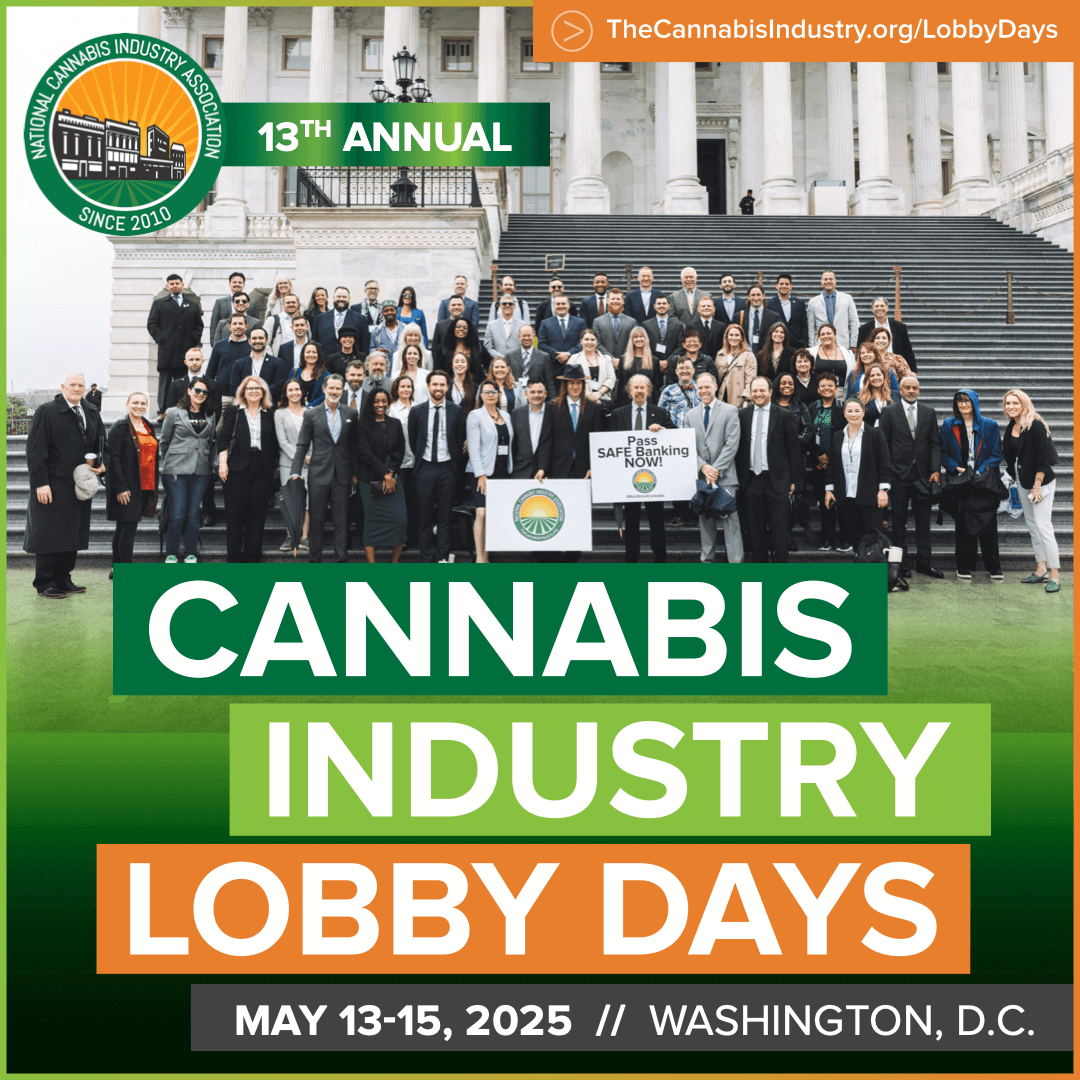


 Valerie Taylor, Producer, Vice President and National Cannabis Practice Leader,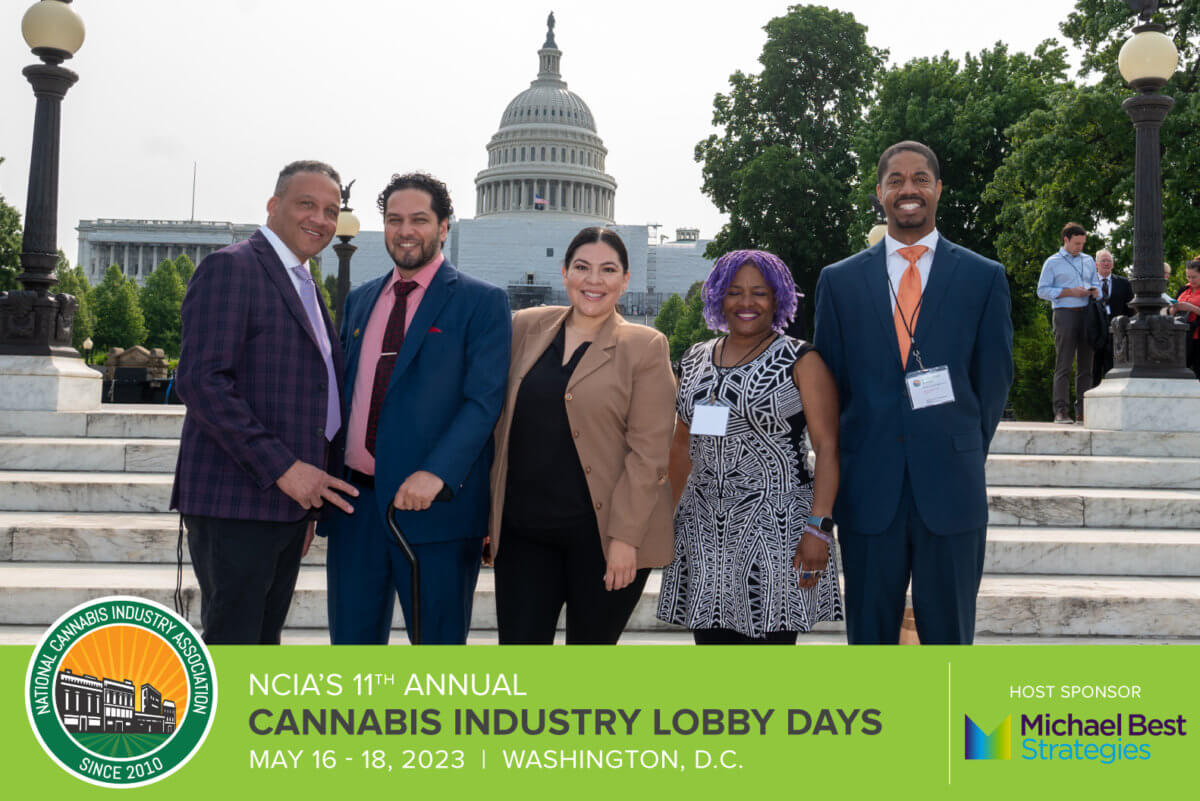
 by Mike Lomuto, DEI Manager
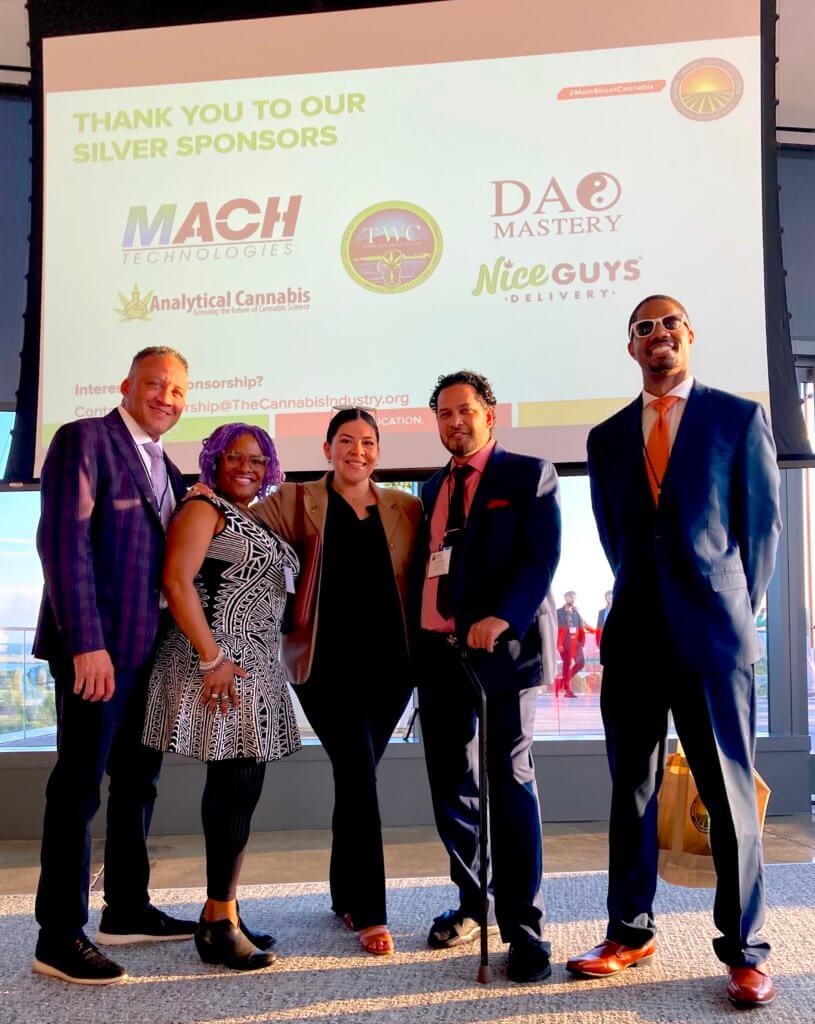 2023’s Lobby Days DEI Delegation:
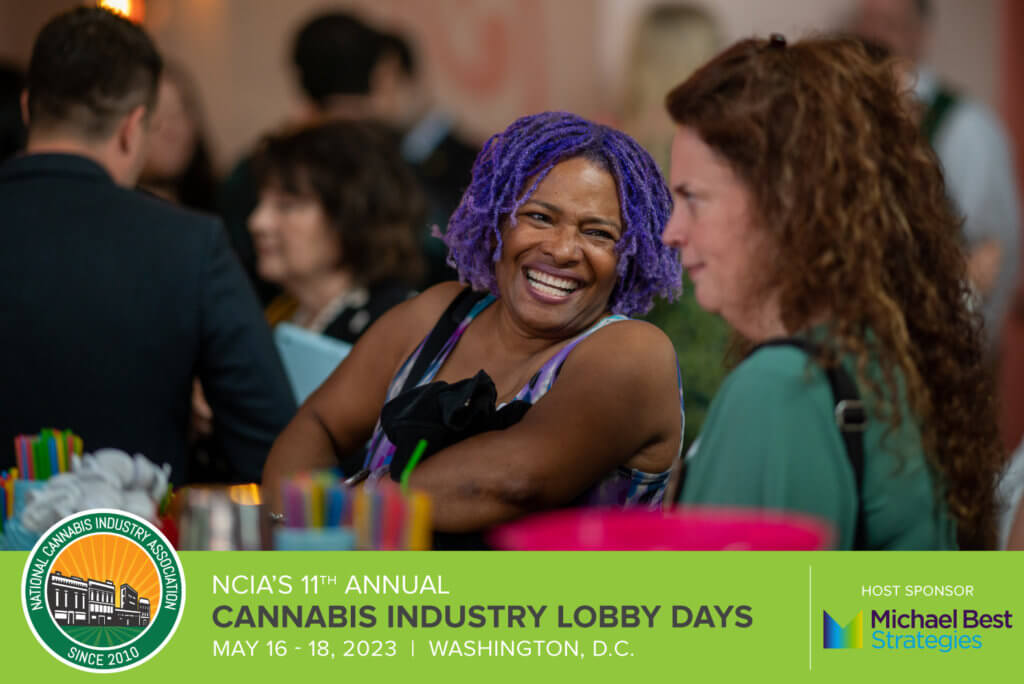 Raina: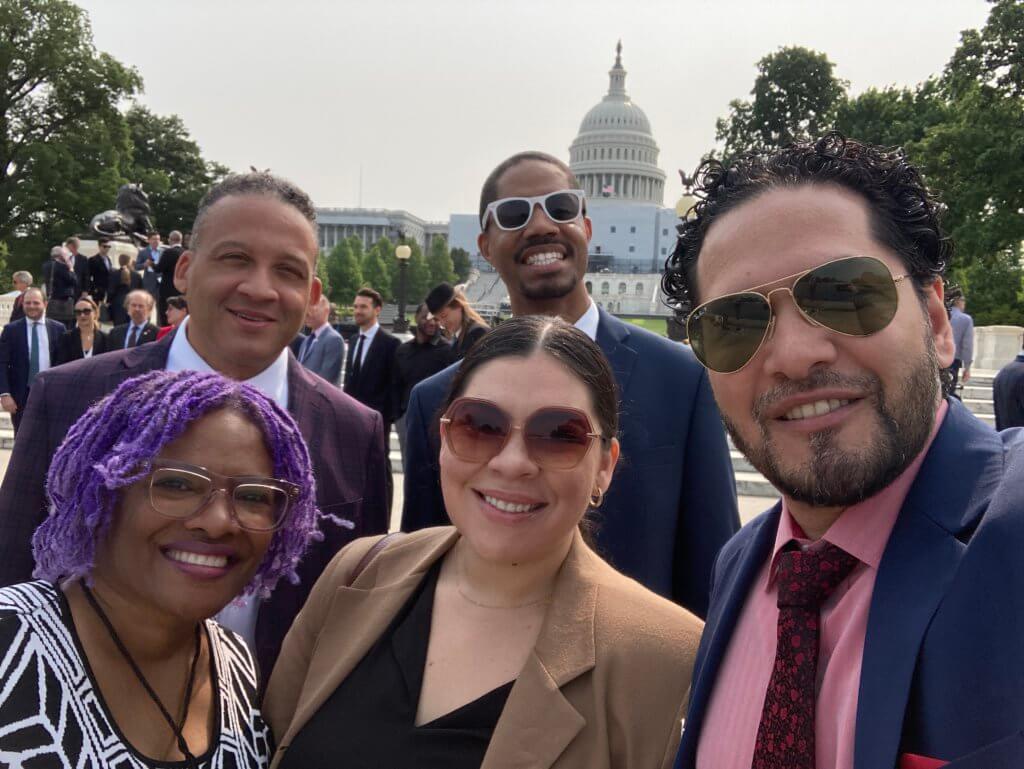

 by NCIA’s Retail Committee
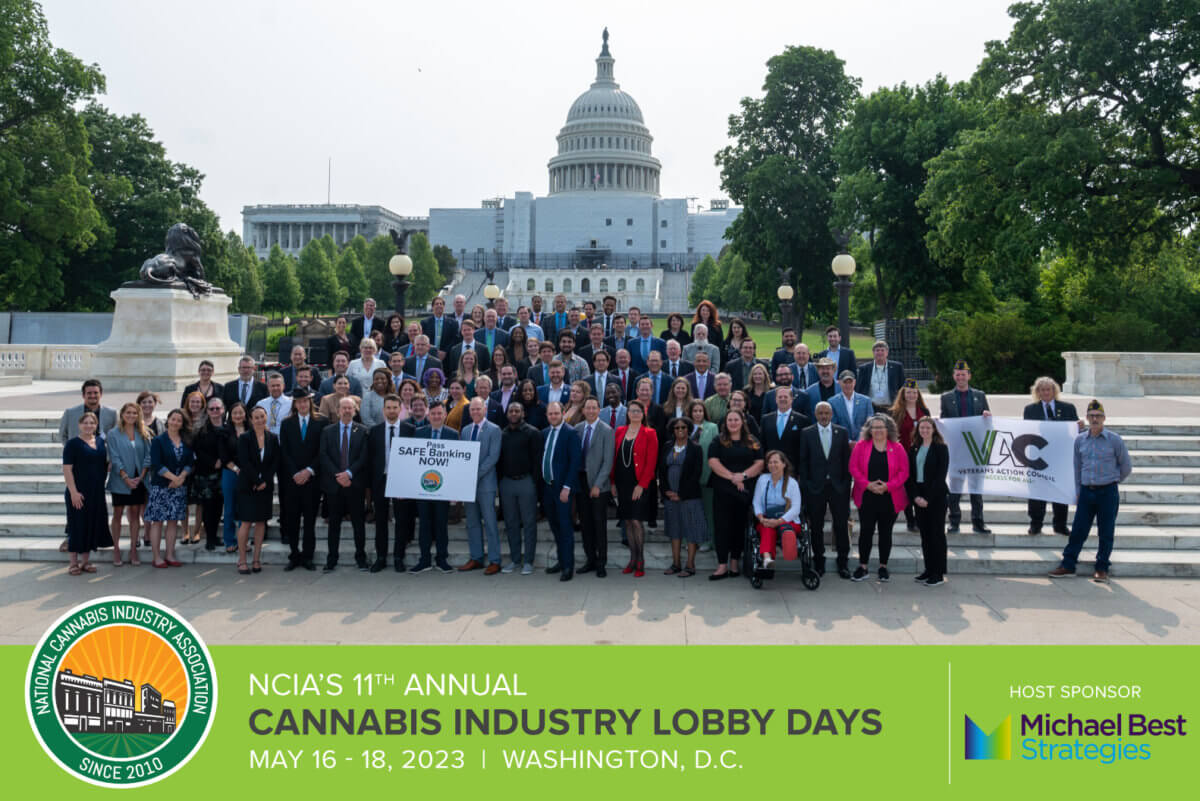

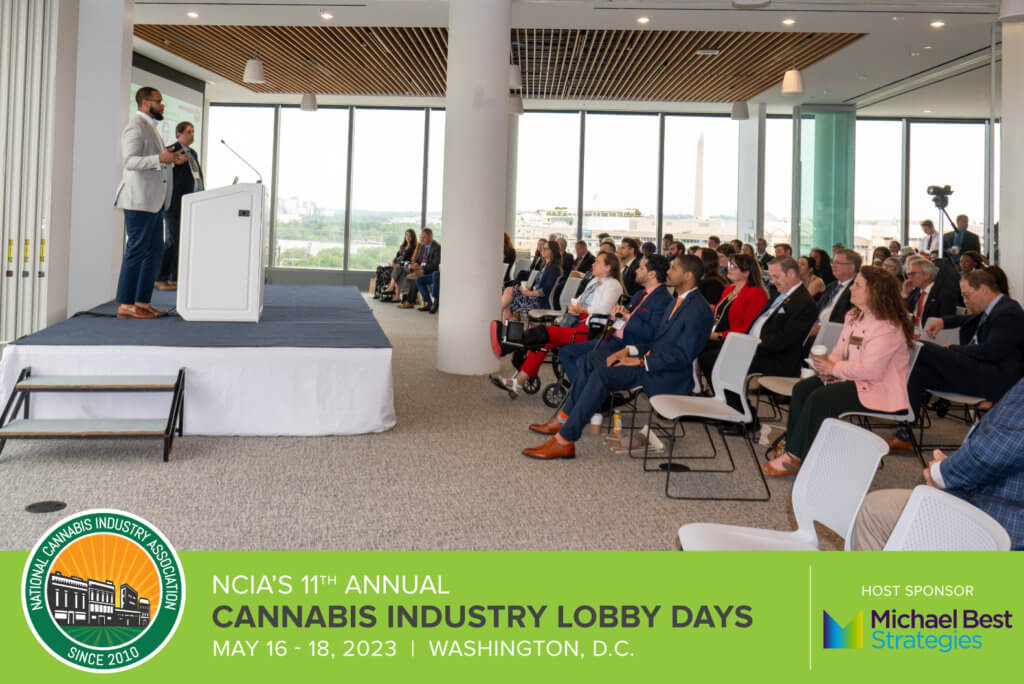
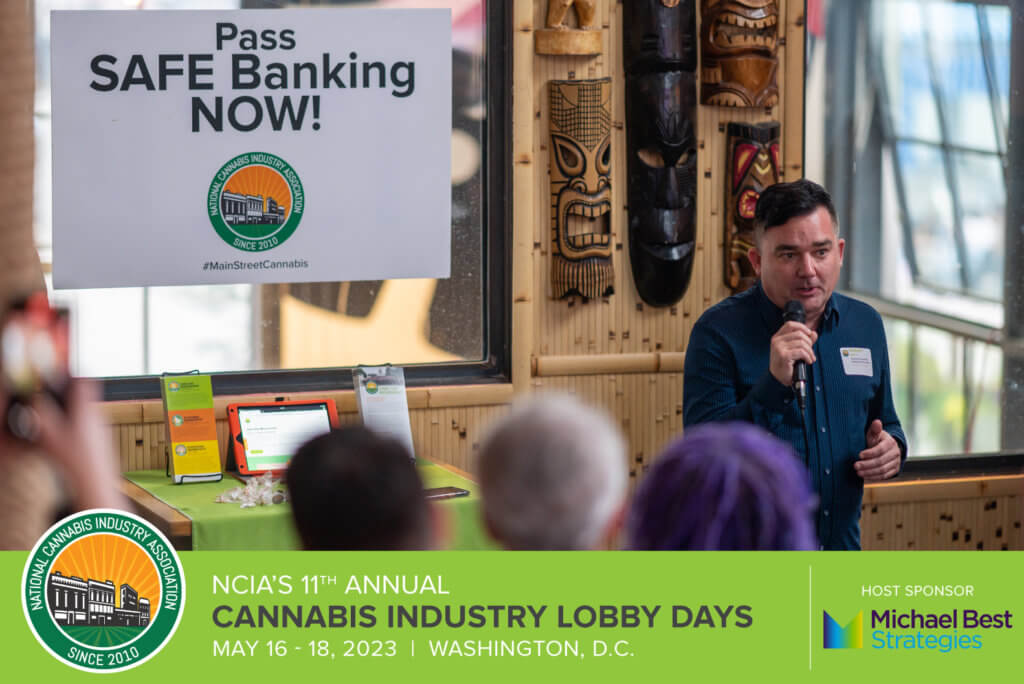
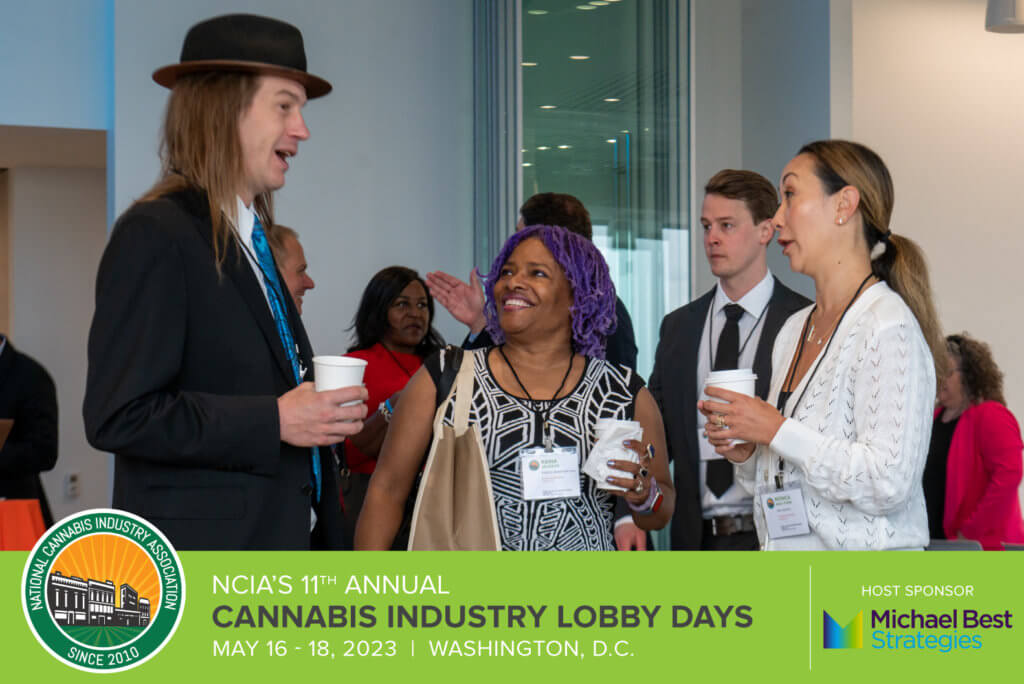
 by Matthew Johnson and Doug Esposito
 Matt Johnson leads the Risk Services division for
  D
D


 by Mike Lomuto, NCIA’s DEI Manager


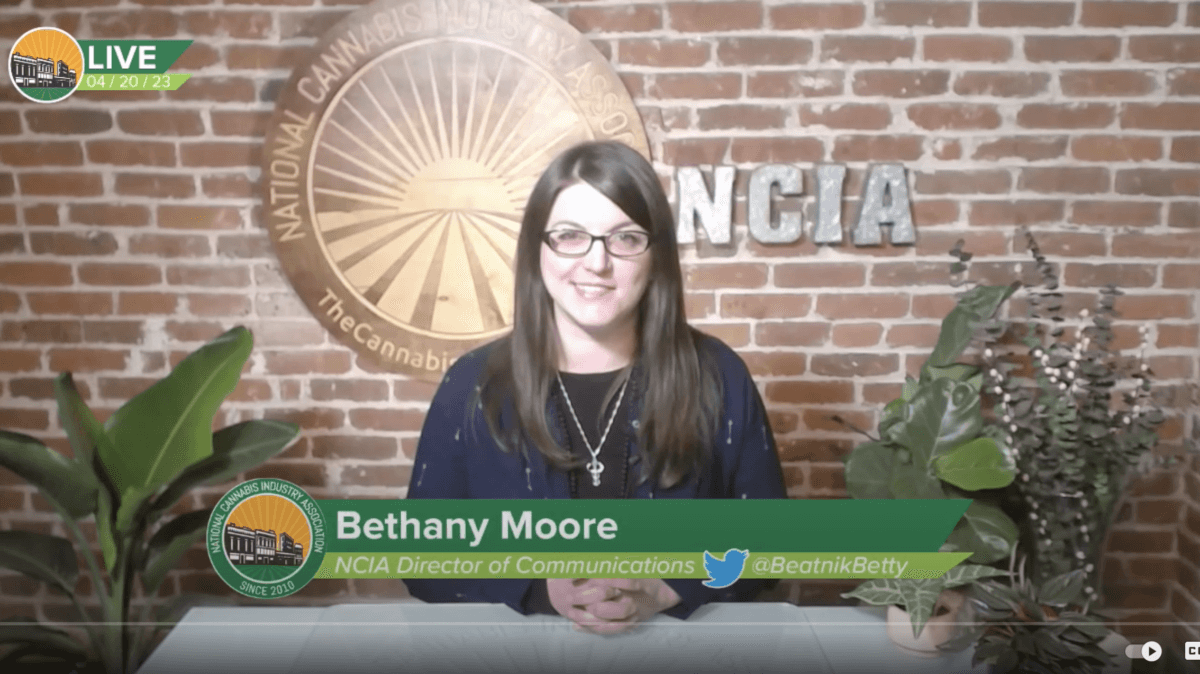
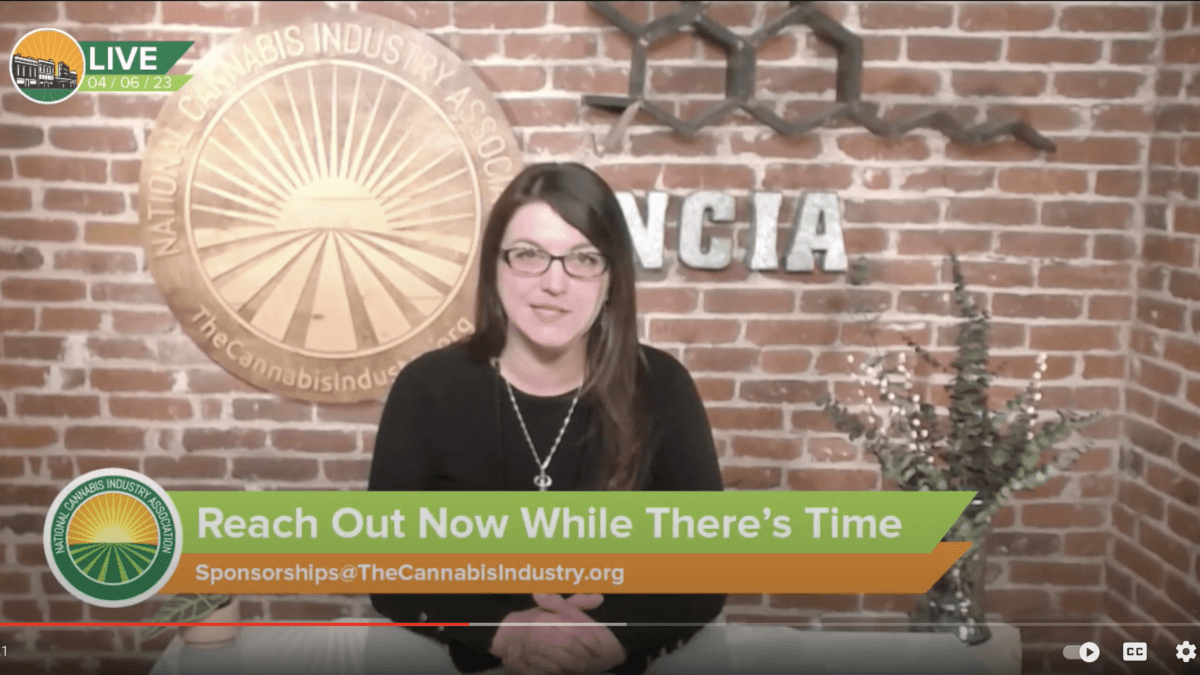




 Stuart Lutterman is the owner/founder of Brother Processing Solutions (BPS),
 by Madeline Grant, NCIA’s Government Relations Manager
 Andrew Kaye has been involved in all aspects of the financial services industry, as a fund portfolio investment manager, investment banker, family office investor and attorney. He has worked with start-ups on their first raise through global enterprises undertaking billion-dollar stock offerings, and has significant investment experience in the cannabis industry. Currently, Andrew works as Sweet Leaf Madison Capital’s Chief Commercial Officer. Lending his expertise toward the creation of middle market financing solutions for real estate and equipment financing needs in the cannabis space.”

 Gary Cohen is the CEO of
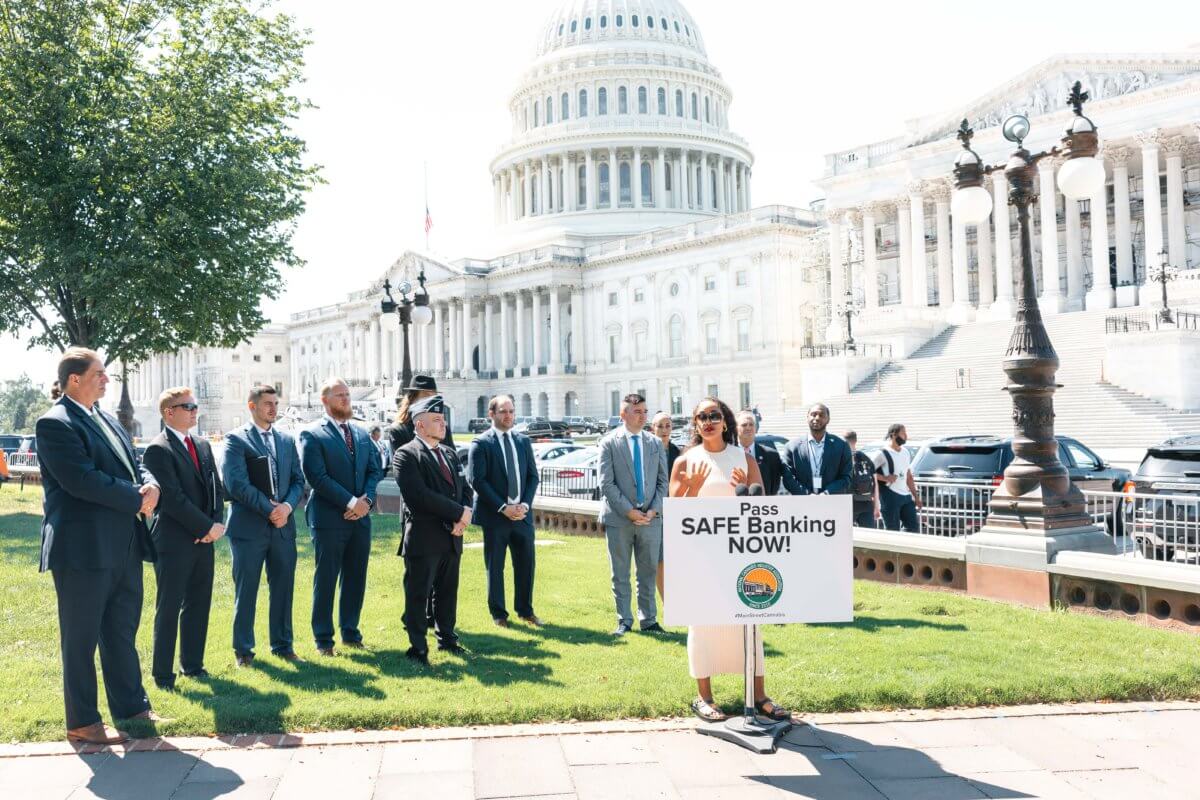
 Amy Larson of
  “I am deeply honored to be on the Board of Directors for the NCIA. It has been an incredible experience being a member for the past 5 years and to see comprehensive reform inch closer and closer with the relentless efforts of the NCIA team and other advocates/organizations. I am truly hoping that in working together with the industry, we will be able to see the descheduling of cannabis within the next few years. I vow to represent small businesses and want to ensure we have a significant place in the industry at the National level. Working with the rest of the board representing all aspects of the cannabis industry, I am hoping that we can see change happen! We’ve been through so much. Let’s do this!”
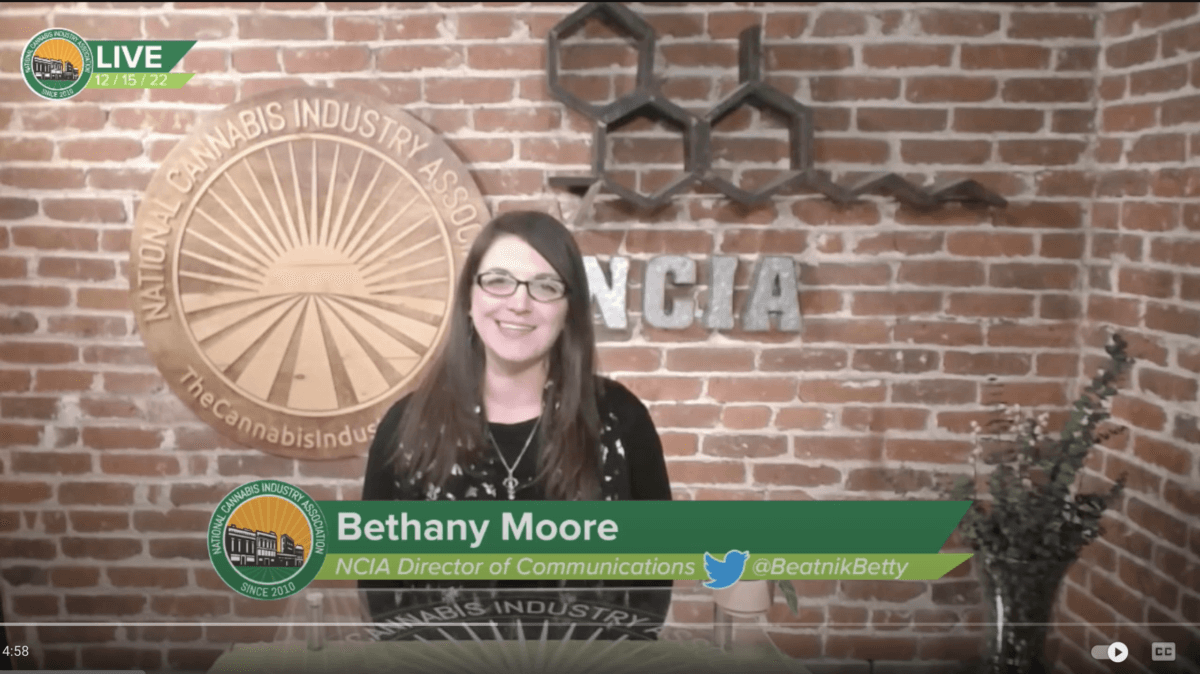
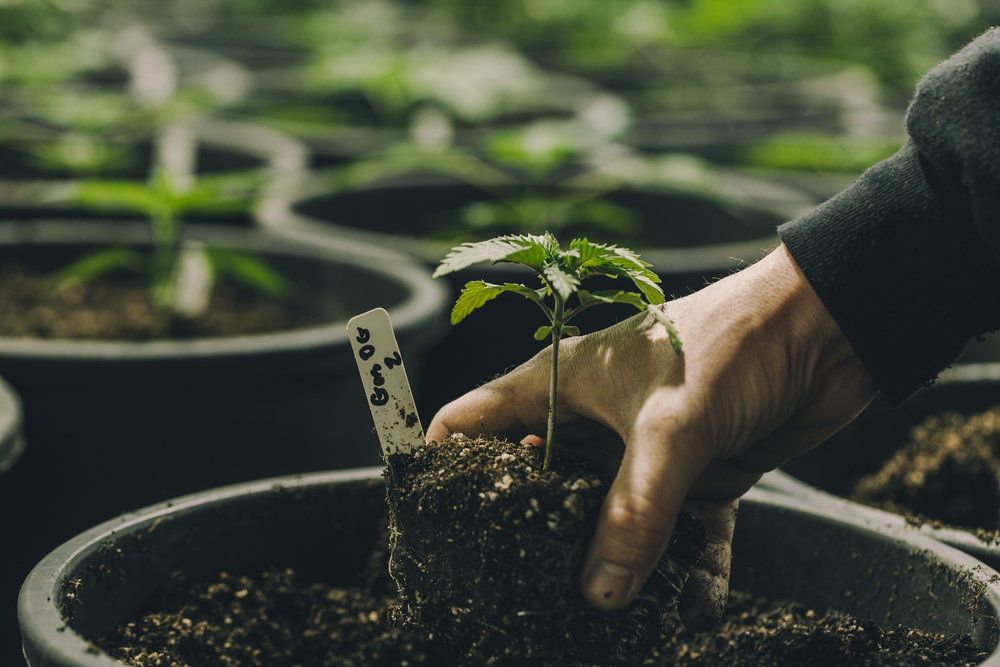
 Beau Whitney is the founder and Chief Economist at