Come Meet Congress – 11th Annual Cannabis Industry Lobby Days
by Madeline Grant, NCIA’s Government Relations Manager
Will you join us as a united front in Washington, D.C. this year?
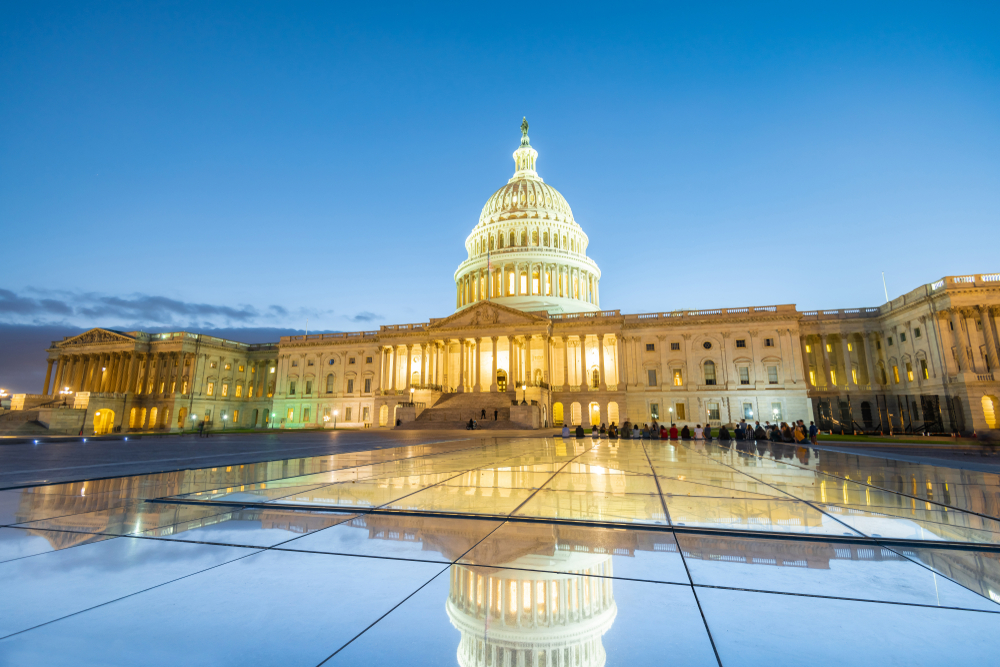
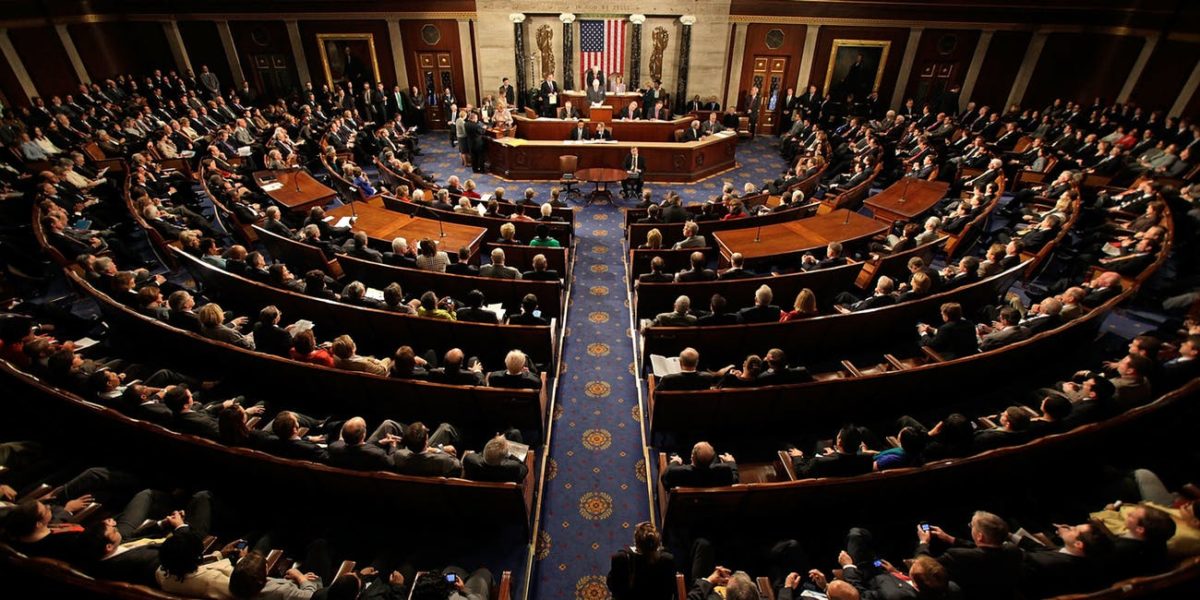
Hundreds of cannabis industry professionals from all over the country will descend on Capitol Hill this month for the 11th year for NCIA’s Annual Lobby Days. It’s more important than ever before to make your voice heard and advocate for the federal reforms our industry needs to truly thrive.
Whether it’s access to banking for your business, much-needed federal tax reforms, or some of the many other struggles faced by our industry that could be remedied by congressional action, we need you to tell your stories on Capitol Hill with us on May 16-18.
Here’s our top four reasons for you to register today to join us for this exciting and impactful event this year:
New members of Congress
Last November, we saw midterm elections bring in a new class of freshman members of Congress. Many of these new faces replaced the old guard of those with long-standing prohibitionist views toward cannabis. Many of them lean more progressive, which means they are more likely to be friendly toward our issues. This infusion of new blood, new minds, and new perspectives in the halls of Congress can work in our favor.
NCIA’s Lobby Days is the best way to get direct access to some of these offices so we can get off on the right foot with them on our issues. Joining us in D.C. means you will inform and educate these new members of Congress on the struggles we face like tax reform, veterans’ medical access, social equity, and of course, the SAFE Banking Act specifically. How many new co-signers can we get on this bill? Let’s find out together.
Discuss incremental and comprehensive reform
With new members of Congress come new staffers that need to be educated on cannabis policy reform. In an environment where there are hundreds of issues, it’s important we reach every Hill office. When we descend on Capitol Hill, NCIA members will have the ability to discuss their personal stories in the cannabis space. The government relations team is constantly on Capitol Hill meeting with offices; however, hearing directly from businesses is something special.
As we are at the beginning of the 118th Congress, cannabis legislation will continue to be introduced and this is our opportunity to get members of Congress on board. It’s all about baby steps; as we educate congressional offices they now have the ability to reach out to NCIA for resources and information. Over the past ten lobby days, NCIA sees a significant increase in co-sponsorship for cannabis legislation.
When we go into meetings the government relations team will provide talking points covering incremental reform; such as SAFE banking and 280E reform. Further, we have the opportunity to gather intel regarding their view on comprehensive reform. We’ve seen bills, such as the Cannabis Administration and Opportunity Act and the States Reform Act. Although these bills have not had any legislative success, it’s important for Hill offices to understand the importance of state and federal conflict for the cannabis industry.
Meeting 200+ other politically active industry professionals
It’s not a conference — it’s different. There’s no expo floor or panel discussions, just people. And it happens to be some of the most politically engaged leaders of our industry who attend Lobby Days. You’ll rub shoulders and team up with cannabis industry pioneers who have been in the game for years. You’ll learn the “ins and outs” of the Beltway from lobby day veterans who join us every year to advocate for our industry. Hear about it for yourself by watching this re-cap video from last year’s 10th Annual Lobby Days:
Learn how to lobby and take those lessons home
This isn’t our first rodeo, but it might be yours, and that’s okay. Even if you’ve never done citizen lobbying before, NCIA’s government relations team makes it easy by offering training before the event, as well as on-site. We’ll give you materials to help you tell your stories including descriptions of our priority legislation, and background information on the offices you’ll be speaking with. And you won’t have to go it alone! We will team you up with a small group of your fellow cannabis industry peers to navigate the halls of Congress together.
Lobby Days with NCIA will empower you to go back to your home state to advocate on the industry’s behalf. You’ll know what to say, how to say it, and what to expect.
Together, we can make a real difference and push our industry past the tipping point. Hundreds of NCIA members have already registered for this event, so what are you waiting for? Register today, schedule your flight, and book your hotel. We can’t wait to see you there.
By Michelle Rutter Friberg, NCIA’s Deputy Director of Government Relations
October has been a mixed bag in Washington, D.C. in terms of cannabis policy: there hasn’t been much news from Capitol Hill, but the Biden Administration shocked everyone when they made a big announcement earlier this month. As we draw nearer to the midterm elections in November (don’t forget to register!), let’s take a look at where things stand currently:
On Capitol Hill:
SAFE Banking Act
The SAFE Banking Act (S. 910) has been held up in the Senate for more than a year now. Many Senate Democrats (including Leader Schumer) have been pushing for changes to the bill to create a “SAFE +” bill that includes justice-focused provisions. As with all things in politics, a delicate balance must be kept in order to reach 60 votes in the hyper-partisan Senate.
The good news: Leader Schumer and other Democrats have been in negotiations with lead-Republican co-sponsor Sen. Steve Daines (R-MT) and others to determine what “SAFE +” could look like. Those discussions have been occurring for a few weeks now and will continue.
The bad news: those negotiations are taking time. As a result, you shouldn’t expect any legislative movement to occur until after the midterm elections.
There’s also the National Defense Authorization Act (NDAA) to consider. The House passed and sent the FY2023 NDAA to the Senate months ago and the large package did include the language of the SAFE Banking Act (as currently written). It’s unclear how the SAFE+ negotiations may impact cannabis banking’s chances in the NDAA: Leader Schumer could make sure the language is not in the NDAA if he feels confident about SAFE+’s chances.
CAOA
Unfortunately, there’s no substantive news regarding the Cannabis Administration and Opportunity Act (CAOA), or comprehensive reform broadly on Capitol Hill right now. While NCIA and others continue to push for descheduling and responsible regulations from Congress, the upcoming election and Senate timeline have taken precedent. It’s unlikely that CAOA will move this legislative session given the number of legislative days left in the year.
From the Administration:
Earlier this month, President Biden made an unprecedented announcement that his administration would begin the process for the pardoning of thousands of people with nonviolent marijuana use or possession convictions, and would begin the process of working with the Department of Health and Human Services to reclassify marijuana from a Schedule I drug in the Controlled Substances Act.
This announcement comes on the heels of NCIA’s successful 10th Annual Cannabis Industry Lobby Days held in mid-September, where 100 cannabis industry professionals, representing small and medium-sized businesses including social equity operators, met with more than 100 Congressional offices to discuss barriers faced by the industry stemming from marijuana prohibition.
It’s no coincidence that when NCIA members show up to D.C., big things happen! Make sure to stay informed as we head towards the lame duck session via our newsletter and social media platforms and don’t forget to register for NCIA’s upcoming 11th Annual Cannabis Industry Lobby Days in May 2023!
Video: Main Street Cannabis Heads to Capitol Hill in D.C. in September!
This is your chance to unite with other NCIA members to advocate for the issues most important to small cannabis businesses – from SAFE Banking to federal de-scheduling – and to share your personal stories with national lawmakers who need to hear from Main Street Cannabis businesses.
Watch this video to hear from NCIA’s CEO and Co-founder, Aaron Smith, about why you should attend this most impactful and crucial event next month. Not yet a member? Join today and then make your plans to join us in D.C.
Video: NCIA Today – Thursday, July 28, 2022
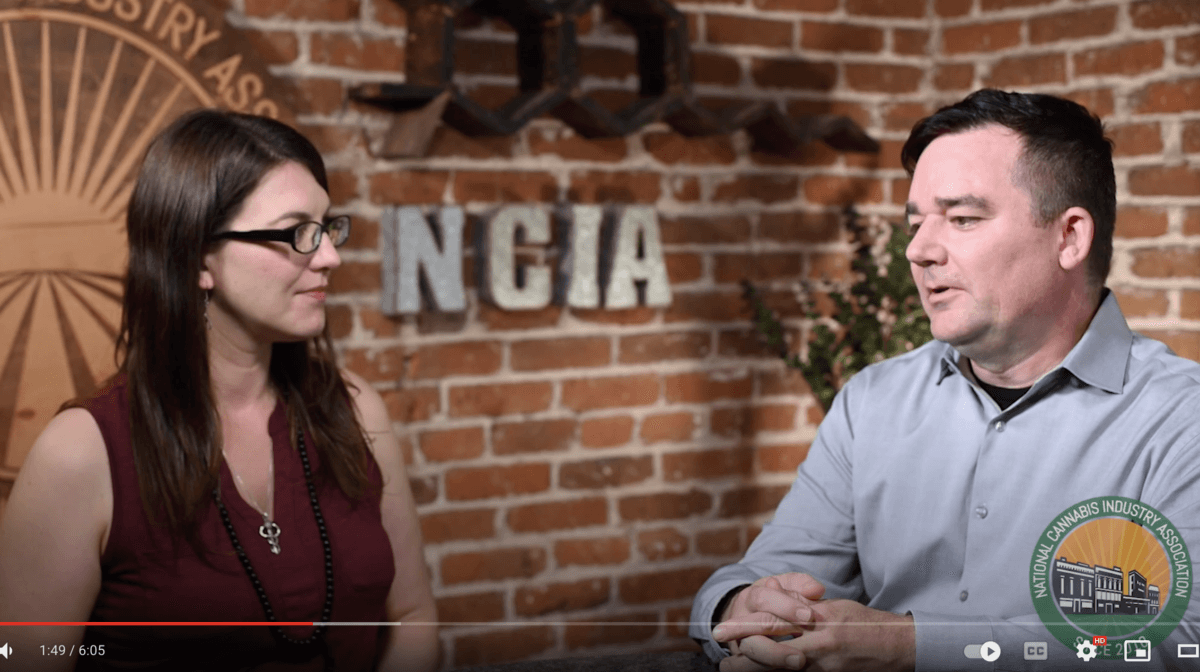
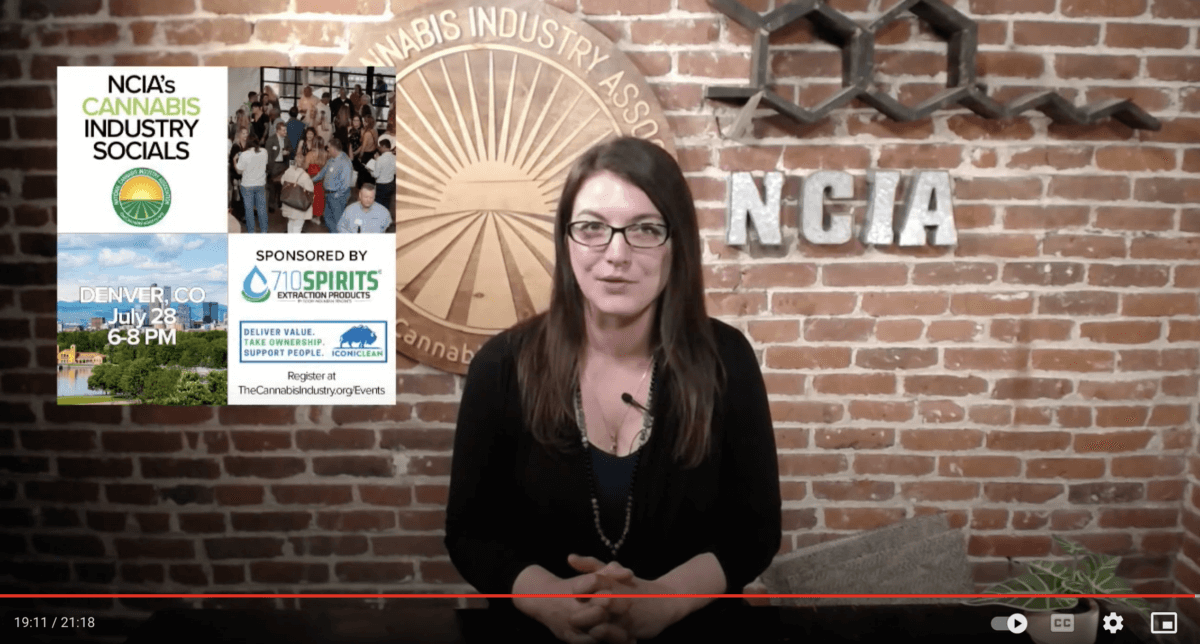
NCIA Director of Communications Bethany Moore checks in with what’s going on across the country with the National Cannabis Industry Association’s membership, board, allies, and staff. This week Bethany is joined by NCIA CEO Aaron Smith and Deputy Director of Government Relations Michelle Rutter Friberg. Join us every other Thursday on Facebook for NCIA Today Live.
Midsummer Movement: The Pre-August Recess Rush in D.C.
Photo By CannabisCamera.com
By Michelle Rutter Friberg, NCIA’s Deputy Director of Government Relations
As Congress gets ready to beat the D.C. heat and leave Washington for their annual August recess, there’s at least one thing on their minds: cannabis.
Last week, Senate Majority Leader Chuck Schumer (D-NY) along with Finance Committee Chair Ron Wyden (D-OR), and Sen. Cory Booker (D-NJ) introduced their much anticipated Cannabis Administration and Opportunity Act (CAOA), which is now the Senate’s only pending legislation that would provide comprehensive cannabis policy reforms across the nation.
The landmark bill would remove cannabis from the federal Controlled Substances Act and move regulatory responsibility from the Drug Enforcement Administration (DEA) to the Alcohol and Tobacco Tax and Trade Bureau (TTB), the Food and Drug Administration (FDA), and other agencies to protect public health and safety. The bill would also institute a federal excise tax of 5-25% on cannabis on top of the already-hefty state taxes imposed on the industry, concerning advocates for small cannabis businesses and equity operators.
The long-awaited CAOA was introduced after sponsors circulated a discussion draft last year. NCIA and other advocacy organizations provided comprehensive feedback to the bill’s authors last year. Notable changes to the legislation include:
Increases the permissible THC by dry weight from the current 0.3 percent to 0.7 percent and refines the definition of “hemp,” and consequently “cannabis” by taking into account the total THC in a cannabis product, rather than just delta-9 THC.
Changes to the weight quantity to qualify a person for felony cannabis distribution or possession charge under the section from 10 pounds to 20 pounds.
Provides that a court shall automatically, after a sentencing review, expunge each federal cannabis conviction, vacate any remaining sentence, and resentence the defendant as if this law had been in place prior to the original sentencing.
Enables a noncitizen who has received a deportation order based on a cannabis-related offense to file a motion to reconsider that decision. If the motion to reconsider is filed within 30 days of the removal order, the motion may allow for the cancellation of the deportation order.
Establishes a new 10-year intermediary lending pilot program in which SBA would make direct loans to eligible intermediaries that in turn make small business loans to startups, businesses owned by individuals adversely impacted by the war on drugs, and socially and economically disadvantaged small businesses.
Removes the requirement to maintain a bond for any cannabis business that had less than $100,000 in excise tax liability in the prior year and reasonably expects excise tax liability in the current year to be below such amount.
Incorporates rules similar to rules currently applicable to permitted malt beverage producers and wholesalers.
While the historic nature of the CAOA cannot be understated, the bill has a multitude of challenges ahead of it. Not all Senate Democrats support the legislation, making the 60-vote filibuster threshold nearly impossible. Plus, with only a couple dozen legislative days between now and the end of the session, time is also working against advocates.
Dovetailing with the introduction of the CAOA, the Senate Judiciary Committee’s Subcommittee on Criminal Justice and Counterterrorism will hold a hearing titled “Decriminalizing Cannabis at the Federal Level: Necessary Steps to Address Past Harms” this Tuesday. While the witness list has not been made public as of publication, expect the hearing to focus on the newly introduced legislation and how it would affect communities most impacted by the war on drugs.
In other news, the House and Senate will vote on a revised research bill, the Cannabidiol and Marihuana Research Expansion Act, this week. The bill is expected to pass both chambers and be sent to President Biden’s desk for his signature. The Senate bill is sponsored by Sens. Dianne Feinstein (D-CA), Chuck Grassley (R-IA), and Brian Schatz (D-HI) and passed by unanimous consent in March. The House bill is sponsored by Reps. Earl Blumenauer (D-OR) and Andy Harris (R-MD), and passed 343-75 in April. One of the notable areas of compromise? The House bill would have allowed researchers to do their studies on cannabis that’s actually being sold to consumers in dispensaries. That was removed during negotiations, meaning that researchers will still have to obtain their cannabis from the University of Mississippi’s cultivation facility.
There’s still time before recess begins, so make sure you stay tuned to NCIA’s podcast, social media, and newsletter to stay up-to-date on all the latest from Washington, D.C.! Interested in making more of an impact? Don’t forget to register for our upcoming 10th Annual Cannabis Industry Lobby Days on September 13-14, 2022!
An Optimistic Congress Aims to Legislate a Bipartisan Cannabis Omnibus Package
By Sadaf Naushad, NCIA Intern
As the cannabis industry progresses nationwide, the public demands Congress to pass major cannabis reforms. After months of opposition met among Congress members, a breath of fresh air awaits cannabis advocates, lobbyists, and consumers.
Last Thursday, two crucial congressmen revealed objectives to establish an extensive package of incremental cannabis proposals.
While Senate Majority Leader Chuck Schumer (D-NY) expects to file the final version of the Cannabis Administration and Opportunity Act (CAOA) sometime this summer, lawmakers are using the draft language as a guide to propose an alternative backup bill in creating a cannabis “omnibus” package.
With the wide-ranging package garnering support across Democratic and Republican lawmakers, industry insiders have high hopes that both chambers could come together to endorse an effective, bipartisan bill by the end of this year.
Let’s discuss the potential inclusions within the bipartisan cannabis package.
Recently, a number of Congress members have discussed the possibility of creating a new cannabis bill that would comprise several incremental measures, including provisions focusing on banking, access to medical cannabis for veterans, research expansion, access to SBA programs, drug sentencing reformations, and more.
Lead sponsor of the Secure and Fair Enforcement (SAFE) Banking Act, Rep. Ed Perlmutter (D-CO) is hoping to incorporate protection for financial institutions operating with state-legal cannabis businesses in a potential package. According to Rep. Perlmutter, members also have interest in including Rep. Dave Joyce’s (R-OH) Harnessing Opportunities by Pursuing Expungement (HOPE) Act, a bill designed to expunge prior marijuana convictions. Additionally, lawmakers are deliberating over granting cannabis businesses access to SBA loans and services that are obtainable to every other industry, a reform initially advocated by Sen. Jacky Rosen (D-NV).
These four concerns –- veterans, research, expungements, and banking – constitute a small portion of the package’s considerations.
Congress will also potentially consider including a non-cannabis item as part of the wider deal, known as the EQUAL Act, which looks to alleviate racial disparities within the criminal justice system by eliminating the federal sentencing disparity between crack and powder cocaine.
Leader Schumer, however, faces the requirement of having a 60-vote threshold to pass legislation. Although the chamber comprises a slim majority of Democrats with the vast majority of GOP members opposing numerous past bills, the 60-vote requirement may be attainable. In contrast to Schumer’s CAOA, indications are that the incremental package has more broad bipartisan support.
Though members have not reached an official deal as these major reforms remain under deliberation, Congress members are not abandoning their efforts to push for a broader-based CAOA bill.
Currently in the bicameral conference committee remains the large-scale manufacturing bill, known as the America COMPETES Act. Leader Schumer has rejected attempts to integrate the SAFE Banking Act as currently written into the COMPETES Act, alleging that it may weaken the ability to approve a slightly larger cannabis reform package. Having passed the House six times, industry insiders feel certain that the Senate will authorize the SAFE Banking Act later this year.
Altogether, the above-mentioned legislation would come up short in federally descheduling cannabis; however, these provisions may acquire the support necessary to reach U.S. President Biden’s desk.
State-Level Insights: Momentum Builds Across Our Nation
By Sadaf Naushad, NCIA Intern
Although the action-packed April must come to an end, the fight for cannabis reform never stops! With U.S. Senators delaying the much-anticipated introduction of the Cannabis Administration and Opportunity Act (CAOA) last month, Congress has a lot of work to do.
In the meantime, a congressional bicameral bipartisan committee is considering the Secure and Fair Enforcement (SAFE) Banking Act as an amendment to the House’s U.S. Innovation and Competition (COMPETES) Act.
Now let’s focus on action occurring within the states. State-level updates help provide us with insights on cannabis reform progress at the federal level. As more state constituents vote in favor of cannabis initiatives, reformation support overall increases within the United States. Efforts to reform cannabis policies at the state level encourage members of Congress at the federal level to enact legislation.
Let’s take a look at this week’s state-level insights:
New York
As the legal cannabis market is set to launch later this year, New York lawmakers intend to ensure that a sufficient supply of marijauna exists. Last month, state regulators voted to allow conditional marijuana cultivation licenses to several hemp businesses. Regulators also established that adults with prior cannabis convictions, along with family members who have previously faced criminalization, would receive the first round of adult-use cannabis retailer licenses – ahead of present medical marijuana businesses. This week, lawmakers recently approved a second round of applications for recreational cannabis cultivators. Additionally, the Cannabis Control Board (CCB) passed amended regulations granting medical marijuana patients to grow their own plants for personal use.
Delaware
A Delaware House Committee approved a bill that would terminate 50 years of cannabis prohibition and criminalization. For the second time in history, Delaware’s District 24 Representative Ed Osienski (D) introduced House Bill 371, legislation legalizing cannabis possession and gifting. The legislation is attached to a companion measure that would build a regulatory framework for the market. Its two-piece model comes after the House defeated a prior measure in March that incorporated both components.
South Carolina
An eight-year attempt to legalize medical marijuana in a largely conservative state abruptly came to an end on the House floor Wednesday. South Carolina’s District 13 Representative and House Leader John McCravy (R) ruled that the Session 124 measure comprises an unconstitutional tax increase, thereby ceasing further consideration of the bill. According to Representative McCravy, since the bill contains a tax on medical cannabis, lawmakers should have introduced the bill in the House under the state constitution’s article for legislation that raises revenue. The bill’s sponsor, U.S. Senator Tom Davis (R), is rapidly seeking other ways to keep the issue active as the session concludes.
Missouri
In preparation for the 2022 midterm elections, a Missouri House Committee approved a GOP-led joint resolution seeking to place cannabis legalization on the November ballot. Missouri’s District 98 Representative Shamed Dogan (R) sponsored an amended version of the legislation, in which The Special Committee on Criminal Justice passed in a 7-2 vote. The amended bill eliminated provisions that would remove the state’s current separate medical marijuana program and set regulations regarding taxation in the legal market. Under the amended resolution, marijuana offenses would be removed from the Missouri criminal statute, permitting adults to possess, use and sell cannabis without facing penalties.
Washington
State officials Lieutenant Governor Denny Heck (D), Attorney General Bob Ferguson (D), Treasurer Mike Pellicciotti (D) and Governor Jay Inslee (D) sent a letter to congressional leaders, outlining the urgency of passing the Secure and Fair Enforcement (SAFE) Banking Act. With Washington being one of the first states to legalize cannabis, lawmakers remain frustrated at the industry’s lack of access to essential financial services stemming from federal prohibition.
New Jersey
Last month the state attorney general’s office released a controversial document detailing how New Jersey’s marijuana laws currently authorize police to use cannabis when not working. This week, New Jersey lawmakers introduced a string of bills designed to encourage employers to penalize workers from consuming cannabis off duty in compliance with state law. Punishable workers specifically include law enforcement officers and first responders. Now, three new bills exist that intend to enforce restrictions on such activity for particular employees. New Jersey’s 6th Legislative District Representative Louis Greenwald (D) aims to amend state statute to contain the following provisions: penalizing police for using cannabis, conducting random drug tests and the right to refuse job applicants due to lawful cannabis use. Although Representative Greenwald’s bill targets police officers, two other measures presently remain that would also impose employment-based restrictions on lawful marijuana use.
Ohio
The Coalition to Regulate Marijuana Like Alcohol (CTRMLA) filed a lawsuit to keep cannabis legalization on Ohio’s November 2022 ballot. In December 2021, CTRMLA turned in petition signatures to Ohio’s secretary of state’s office, but the office deemed the signatures insufficient. To advance the legislative review of their measure, CTRMLA turned in additional petitions on January 13, 2022. According to the state statute, however, a ballot petition must be submitted “no less than ten days prior to the commencement of any session of the general assembly.” The session commenced on January 19, falling outside of that ten-day certification window. As a result, CTRMLA contacted Franklin County Court of Common Pleas, requesting a ruling on a prospective challenge concerning the timing of the group’s initial signature submission to Ohio for the reform proposal.
Stay tuned for more updates on cannabis policy reform. If you are interested in learning more about NCIA’s government relations work and how to get involved please reach out to Madeline@thecannabisindustry.org.
CAOA Delays, House Negotiations, and a Cannabis Festival
Photo By CannabisCamera.com
By Michelle Rutter Friberg, NCIA’s Deputy Director of Government Relations
Hopefully you’ve had a chance to recover after 4/20, but here in Washington, D.C. the work never ends!
Over the last few weeks, there have been developments on the timeline for the Cannabis Administration and Opportunity Act (CAOA), updates on the path forward for SAFE Banking, and a slew of pro-legalization events took place in the D.C. Keep reading for the latest:
More Delays for the Cannabis Administration and Opportunity Act (CAOA)
In February 2021, Senate Majority Leader Chuck Schumer (D-NY) along with Sen. Finance Committee Chairman Ron Wyden (D-OR) and Sen. Cory Booker (D-NJ) announced that they would be introducing a comprehensive cannabis bill to deschedule cannabis, enact a regulatory framework for this new industry, and seek to repair some of the harms that the war on drugs has created. In July of that year, the trio released the long-awaited, detailed discussion draft of the Cannabis Administration and Opportunity Act (CAOA) and asked for comments and feedback from stakeholders (you can read NCIA’s here) to be submitted by September 1, 2021. Since then, the Senators have been diligently reviewing and working on the legislation.
The sponsoring offices had hoped to introduce the CAOA in the beginning part of the year, and more specifically April 2022, however, they recently announced that they are continuing their diligent work and will introduce the bill before August recess.
While this announcement can be frustrating at face value, I’m happy that the Senators are being thoughtful, careful, and considerate about crafting this legislation. Precedent matters a lot on Capitol Hill, so getting it right on the first try (or attempting to!) matters.
SAFE Banking & the America COMPETES Act
The House of Representatives has passed the SAFE Banking Act three times this Congress; first in April 2021 as a standalone bill by vote of 321-101 and most recently as an amendment to the House’s version of the America COMPETES Act, which is now being negotiated by a bicameral, bipartisan conference committee.
While many in D.C. had hoped that negotiations would conclude by Memorial Day, lead sponsor Sen. Todd Young (R-IN) recently said that a more realistic timeline for the bill would be the end of summer. This week, the Senate will vote on 28 motions to instruct- these are procedural, non-binding resolutions that guide the conference committee through the negotiation process. After that, the conference committee can begin meeting
National Cannabis Festival and more!
Founded in 2016, the National Cannabis Festival is an annual event held in Washington, D.C. with a focus on cannabis and music, advocacy, education, and activism. Now boasting well over 20,000 attendees, NCIA is proud to have been involved with the event since its inaugural year, and I even sit as an advocacy committee chair!
This year, the festival was back and better than ever with an entire week of events celebrating cannabis advocacy in the nation’s capital, including an incredible Policy Summit featuring members of Congress, advocates, journalists, and more.
Like I said – the work never ends in D.C., and the NCIA team is gearing up for another busy month filled with Evergreen virtual lobby days, Hill meetings, coalition building, and more! Want to get involved? Consider becoming a member today!
February Hodgepodge: An Update from D.C.
Photo By CannabisCamera.com
by Michelle Rutter Friberg, NCIA’s Deputy Director of Government Relations
It may only be February, but the NCIA government relations team has been busy at work this year advocating for you and your business! Just over the last month, the SAFE Banking Act passed the House for the sixth time, we held our first mini-virtual lobby days, and Majority Leader Schumer provided an updated timeline for the Cannabis Administration and Opportunity Act (CAOA). Keep reading to learn the latest:
SAFE Banking
Last week, Congressman Perlmutter (D-CO) followed through on his promise to attach SAFE Banking to any viable legislative package when he filed it as an amendment to the America COMPETES Act, which is a large manufacturing bill. Now, the bill is headed to a “conference committee” – a term for when House and Senate leadership, as well as committee chairs and other members of Congress get together to negotiate differences in the two chambers’ bills.
Congressman Perlmutter and the other lead offices of SAFE Banking are currently talking with leadership about the importance of enacting the provision, however, Leader Schumer and Senator Booker have been clear about their opposition to passing SAFE without broader equity provisions. During early February, keep your eyes on the news to see if SAFE Banking makes it into the final, enacted language!
Virtual Lobby Days
Due to NCIA’s Evergreen members’ investment in shaping policy for the cannabis industry, we have been able to take our Government Relations work virtual by hosting our first ever Mini-Lobby Days! As we continue to represent a value-driven, responsible industry, our main goal is to educate congressional offices on all aspects of cannabis policy reform, including social equity, banking, 280E, scientific data, and much more.
During the first week of February, NCIA’s Evergreen Roundtable members participated in more than 30 virtual congressional meetings, including time with Sen. Cory Booker (D-NJ), Sen. Jeff Merkley (D-OR), and Rep. Dave Joyce (R-OH). Members also met with relevant committee staff and communicated the importance of holding hearings and markups on cannabis policy issues, as well as enacting reform while Democrats hold the majority in both chambers.
Sound interesting? Get in touch with Maddy Grant (Madeline@TheCannabisIndustry.org) to learn more about becoming an Evergreen member today!
Latest on CAOA
Back in September, NCIA and other stakeholders submitted responses to the Cannabis Administration and Opportunity Act (CAOA) discussion draft, led by Leader Schumer (D-NY, and Sens. Booker (D-NJ) and Wyden (D-OR). Since then, the Senate’s focus has been primarily on passing President Biden’s Build Back Better Act, which has significantly slowed progress on the CAOA. While the bill hasn’t been formally introduced yet, the sponsoring offices have slowly continued to have conversations with committees of jurisdiction to tee things up behind the scenes.
In a recent press conference in New York, Leader Schumer announced plans to introduce the CAOA in April. Can anyone say 4/20?
This update just represents a small snapshot of all that NCIA’s government relations team has been working on in D.C. – make sure to keep an eye on the blog, find us on NCIA Connect, and follow us on our social media channels to learn the latest!
2022: A New Year In Cannabis – What To Watch
Photo By CannabisCamera.com
by Michelle Rutter Friberg, Deputy Director of Government Relations
With the start of 2022 also comes the final year of the 117th Congress. Last year was marked with some small victories, although meaningful cannabis reform has yet to be enacted on the federal level this session. While it’s a midterm election year, I have no doubt that we’ll see some significant movement over the coming months. Keep reading to see my answers to some of your FAQ’s for the new Congress:
What’s going on with the SAFE Banking Act?
You’ll remember that during the 116th Congress, the SAFE Banking Act became the first cannabis-related bill to be passed by a chamber of Congress. It also became the first piece of cannabis legislation to pass the 117th Congress in April of 2021 by a vote of 321-101. Since last spring, the bill has languished in the Senate due to disagreement over enacting comprehensive versus incremental reform.
This year, expect pressure on the passage of SAFE to increase. While efforts to enact comprehensive reform continues, the votes are simply not there as of now. If you’re interested in learning more about this conundrum, take a look at this piece that the Brookings Institute recently posted.
NCIA is continuing to build support for the SAFE Banking Act in the Senate, but some big news was announced this week that will certainly impact the legislation in the future: longtime champion and lead sponsor, Rep. Ed Perlmutter (D-CO), just announced that he will not be running for re-election next session.
What’s next for comprehensive cannabis reform? Is legalization on the horizon?
There are numerous bills that have received much attention in terms of descheduling cannabis – among them the MORE Act (H.R. 3617), the States Reform Act (H.R. 5977), and the discussion draft (not formally introduced) of the Cannabis Administration and Opportunity Act (CAOA).
Back in the 116th Congress, the Marijuana Opportunity, Reinvestment, and Expungement (MORE) Act became the first piece of comprehensive legislation to pass the House of Representatives by a vote of 228-164. More recently, the MORE Act passed out of the House Judiciary Committee in September 2021 by a vote of 26-15. While this is certainly news to be celebrated, the bill has been referred to another eight committees of jurisdiction and faces a more conservative chamber overall than last session for full passage.
The States Reform Act is a newer piece of legislation that was introduced in the House by freshman Congresswoman Nancy Mace (R-SC). The bill deschedules cannabis, regulates it through ATF/TTB for cannabis products and FDA for medical use, and institutes a 3% federal excise tax on products to fund law enforcement, small business, and veterans mental health initiatives. Many have lauded the pro-business elements of the bill, however, additional provisions must be added to address equity and restorative justice. It’s unlikely that the bill will move this Congress for partisan reasons – particularly during an election year.
As for the Senate-led CAOA – there are too many unknown elements to make any real predictions! Senate Majority Leader Schumer (D-NY), Finance Committee Chairman Wyden (D-OR), and Sen. Cory Booker (D-NJ) outlined their plans for the CAOA in February 2021, unveiled the text in July 2021, with comments due by September 1 (make sure you check out NCIA’s response!). Due to the sheer magnitude of input received, the never-ending pandemic, and other legislative priorities, official language still has not yet been introduced. NCIA continues to work with the sponsoring offices on the CAOA and anticipates introduction in the spring.
What’s going to happen at the committee level?
If you’re following cannabis policy at the federal level, definitely keep your eyes on what’s happening in various congressional committees. Given that there were few cannabis-related hearings and markups in 2021, I’m hopeful that there will be more this year. I’ll specifically be keeping my eye on both chambers’ appropriations, financial services, tax, and judiciary committees.
Midterm elections will be here before we know it, but NCIA is continuing to keep the pressure on our elected officials to reform our outdated cannabis laws. Want to learn more about what’s possible? Make sure your company is an active member of NCIA and register for our next webinar, check out our podcast, and hop on over to NCIA Connect to chat with us and learn more about what we’re working on in D.C.!
A Full Plate For Congress – Status Update for SAFE Banking, MORE Act, CAOA, and Veterans
Photo By CannabisCamera.com
by Michelle Rutter Friberg, NCIA’s Deputy Director of Government Relations
I’m not sure if you’ve seen the news, but Congress has had a lot on its plate recently: negotiations over infrastructure, the budget, the debt ceiling, reconciliation, not to mention the ongoing COVID-19 pandemic! And while the path to cannabis reform has been slightly overshadowed by some of these larger issues, for the time being, the NCIA team is continuing to work tirelessly and incessantly on your behalf to enact legislation that would help you and your business. Let’s take a look at some of the more recent developments from Washington, D.C:
SAFE Banking:
Last month, the House passed the language of the SAFE Banking Act for the fifth time via the must-pass National Defense Authorization Act (NDAA). NCIA and our allies on Capitol Hill are always trying to be creative and come up with new, different avenues to advance our policy priorities, and the NDAA was a great opportunity that we were able to take advantage of! NCIA will continue to work with members of the Senate Armed Services Committeeand other stakeholders to push for the SAFE Banking Act to be included in the final bill language. Stay tuned as the NDAA process unfolds throughout the remainder of autumn.
The MORE Act:
Also last month, the House Judiciary Committee passed the MORE Act out of committee by a vote of 26-15 but the bill still has a long journey ahead of it. It’s unlikely that committees like Ways and Means and Energy and Commerce will waive their jurisdiction again, and it’s critical to remember that the chamber actually became slightly more conservative following the 2020 election. Committee schedules are jam-packed right now, however, we continue to meet with those with jurisdiction over the MORE Act and encourage them to take up this important piece of legislation.
CAOA:
The discussion draft of the Cannabis Administration and Opportunity Act (CAOA) was unveiled back in July by Senate Majority Leader Schumer (D-NY), Finance Committee Chairman Ron Wyden (D-OR) and Sen. Cory Booker (D-NJ). In the following month, NCIA worked diligently with our Evergreen Roundtable, board, committees, social equity scholarship members, and others to provide detailed feedback on various topics as requested by the Senators. NCIA continues to be a resource for the Sponsoring Offices and committees of jurisdiction, however, official bill introduction likely won’t happen until early-2022.
Veterans:
Last week, the House Veterans Affairs Committee: Subcommittee on Health held a hearing on a number of bills; among them H.R. 2916, the VA Cannabis Research Act of 2021. While this bill is not a piece of NCIA priority legislation, we applaud the committee, longtime sponsor and ally Congressman Correa (D-CA), and their teams for discussing this important topic. Of note is testimony from Dr. David Carroll, Executive Director at the Office of Mental Health and Suicide Prevention at the Department of Veterans Affairs (VA). His testimony is only about a page long, but the gist is that the VA does not support this bill. I’d also like to highlight the statement Rep. Correa submitted for the record, which you can find here.
Even though Capitol Hill’s bandwidth is stretched, NCIA will continue our work in Washington, D.C. to get these (and other) cannabis provisions enacted into law. Have questions or thoughts? Find me over on NCIA Connect!

 by Madeline Grant, NCIA’s Government Relations Manager

 By Sadaf Naushad
Follow NCIA
Newsletter
Facebook
Twitter
LinkedIn
Instagram
News & Resource Topics
–
This Just In
Committee Blog: Budtenders Make or Break Your Business – A No-Nonsense Guide to Cannabis Retail Staffing
Member Blog: Guaranteeing the First Loan