Be Part of a Movement, Not a Moment: Highlights from NCIA’s Fall Stakeholder Summits
This fall, the National Cannabis Industry Association (NCIA) held four Stakeholder Summits across the United States, gathering cannabis industry operators, regulators, investors, and advocates to tackle the unique regulatory, operational, and strategic challenges facing cannabis businesses today. Held in Michigan, New York, Ohio, and Southern California, these Summits offered actionable insights into the evolving landscape of cannabis regulation and taxation, fostering a spirit of collaboration and movement-building in support of a thriving, equitable industry.
Michigan Stakeholder Summit: Regulatory Adaptation and Collaborative Solutions
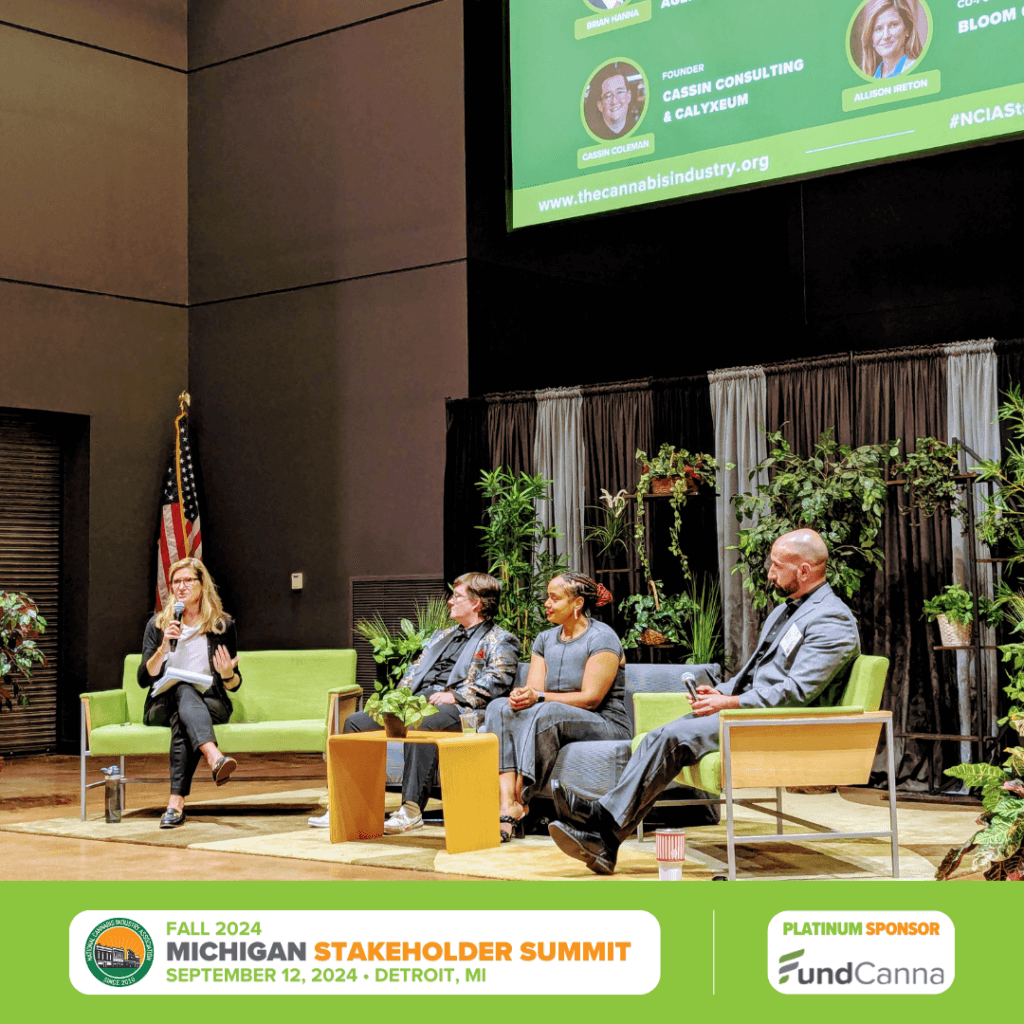
The Michigan Stakeholder Summit brought to light the latest regulatory shifts impacting cannabis operators in the state. From changes in the Hemp Farm Bill to Michigan’s approach to intoxicating hemp sales, the panel on “Operator Insights and Regulatory Perspectives” shed light on pressing issues. Brian Hanna, Executive Director of the Cannabis Regulatory Agency, addressed upcoming regulatory changes and discussed the need for balanced enforcement to protect Michigan’s legal market. Discussions also covered navigating compliance with agencies like the Department of Environment, Great Lakes, and Energy (EGLE) and MIOSHA, while maintaining operational efficiency.
One core theme emerged from panelists such as Rebecca Collett of Calyxeum and Allison Ireton of Bloom City Club: collaboration is essential. As the Michigan cannabis market faces evolving dynamics, including the rapid issuance of new licenses and pressures on medical caregivers, the need for a transparent dialogue between regulators and industry stakeholders remains critical. Attendees left with actionable strategies for adapting to compliance requirements, maintaining business viability, and ensuring consumer protection.
New York Stakeholder Summit: A Regulatory Landscape in Transition
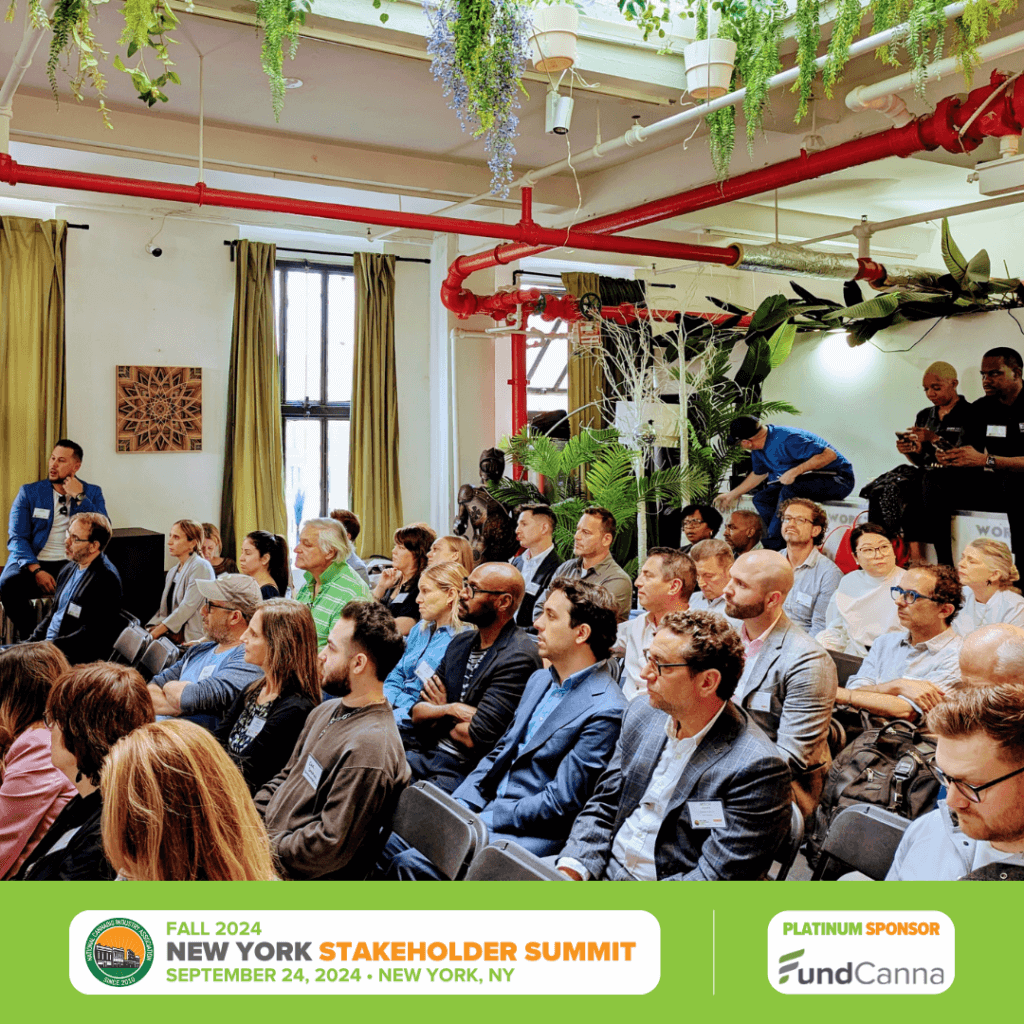
In New York, the Stakeholder Summit focused on how operators can succeed in a rapidly maturing market. Led by John Kagia from the Office of Cannabis Management (OCM) and industry veterans like Jeffrey Schultz of Foley Hoag LLP, the “Operator Insights and Regulatory Perspectives” panel delved into the complexities of New York’s regulatory landscape. The session addressed social equity provisions, compliance hurdles, and strategies for growth in a highly regulated environment.
Key questions included navigating the intake process for new operators and the impact of recent enforcement actions on the illicit market. Kate Hruby of KJH Strategy emphasized the need for well-defined compliance guidelines to reduce ambiguity, while Marcella Osello of DOPE CFO Certified Advisors shared insights on the financial challenges facing small businesses in New York. The panel underscored the importance of partnerships between operators and policymakers, leaving attendees with insights on building a resilient business within a market in flux.
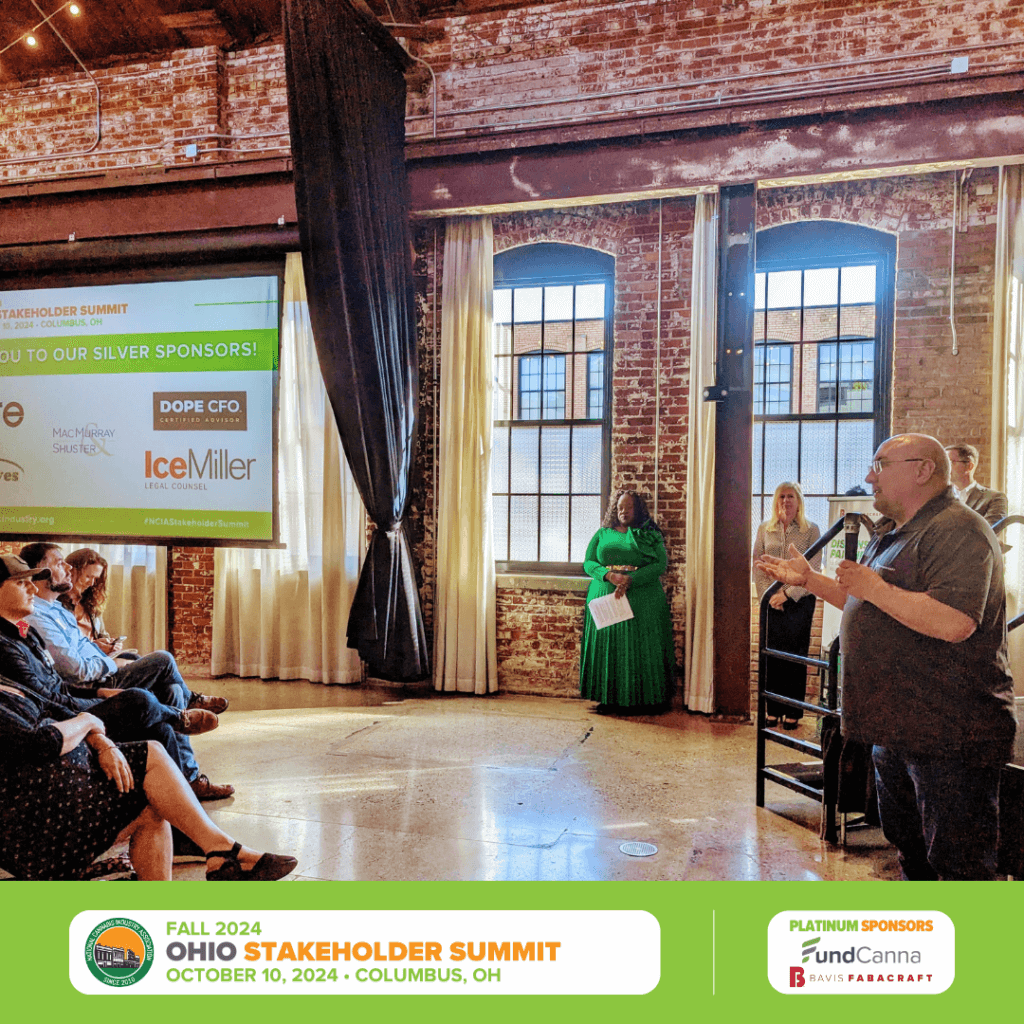
Ohio Stakeholder Summit: Legislative Updates and Strategic Business Growth
The Ohio Summit explored the convergence of legislation, legal complexities, and operational strategy essential for growth in Ohio’s cannabis market. Ohio State Representative Juanita Brent (D – District 22) shared updates on recent legislative actions affecting cannabis operators and emphasized the need for proactive policy advocacy, particularly as the legislative landscape shifts with changes in state leadership.
Legal experts like John Oberle of Ice Miller LLP and Helen Mac Murray of Mac Murray & Shuster LLP highlighted the nuances of Ohio’s regulatory requirements, with a focus on compliance around testing, product dosing, and advertising restrictions. Emillie Kelleher of BeneLeaves provided practical strategies for scaling a cannabis business within these parameters, underscoring the importance of understanding regulatory demands while fostering consumer trust. Ohio’s legislative season is critical for the cannabis industry, and the call to action was clear: advocate, educate, and ensure that the industry’s voice is heard as Ohio’s regulations continue to evolve.
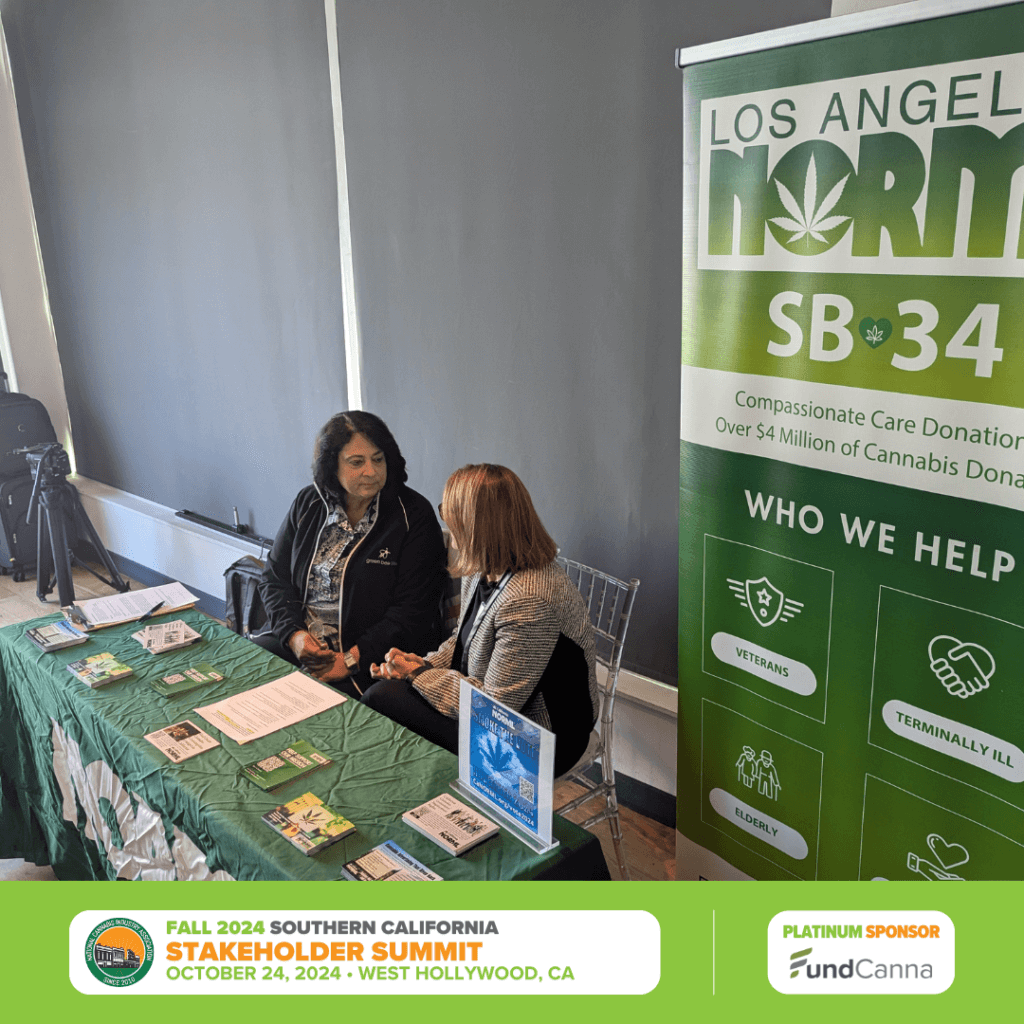
Southern California Stakeholder Summit: Advancing Equity and Policy Innovation
In Los Angeles, top regulators, operators, and industry advocates gathered to explore the unique challenges and growth opportunities within the region’s cannabis market. Michelle Garakian, Executive Director of the Los Angeles Dept. of Cannabis Regulation, and Laura Magallanes, Deputy Chief of the Office of Cannabis Management for Los Angeles County, shared insights on compliance, while moderator Yvette McDowell guided a discussion on strengthening industry-regulator collaboration. Jazmin Aguiar, Emerging Markets Consultant for Council Member Imelda Padilla, contributed her expertise on market expansion and policy development, underscoring the importance of community engagement in regulatory planning.
Equity operator Kika Keith, founder of Gorilla RX Wellness, advocated for streamlined processes and resources to support equity businesses, while Jerred Kiloh, President of the United Cannabis Business Association, called for policy reform, including excise tax reduction, alongside stronger enforcement against illicit operators. Panelists encouraged attendees to engage in advocacy and build stronger partnerships with local agencies, presenting a path forward for a compliant, thriving, and equitable cannabis industry in Southern California.
Schedule III & Section 280E: Navigating the Future of Cannabis Taxation
Across all four Summits, the “Schedule III & Section 280E: Navigating the Future of Cannabis Taxation” panel served as a pivotal discussion into how the potential rescheduling of cannabis could reshape financial and regulatory landscapes. Featuring a diverse lineup of industry experts and regional operators from across the cannabis supply chain, the discussion highlighted the anticipated end of 280E limitations and its impact on tax planning, capital access, and broader market opportunities.
Each panel featured unique perspectives: in Michigan, Thomas Lavigne, Jay Snipes and Scott Greiper explored strategic financial planning for capital investment in a post-280E landscape and how operators could prepare for new deductible expenses. In New York, Al Foreman and Marcella Osello shared expertise on how rescheduling could influence capital markets and growth for smaller operators. In Ohio, Thomas Haren and Ashley Mosby emphasized proactive compliance and planning for tax relief, while in Southern California, Neil Rosenfield, Henry Wykowski, and Eric Kaufmann discussed the regulatory adjustments needed to fully benefit from Schedule III status, with a focus on operational scalability and tax strategy. Panelists across all locations encouraged operators to adopt forward-thinking approaches, aligning financial practices with both current and evolving regulatory environments.
Honoring Our Speakers: Driving Conversations That Shape the Cannabis Industry
The success of the Fall 2024 Stakeholder Summits would not have been possible without the expertise and passion of our distinguished speakers. These industry leaders, policymakers, and advocates generously shared their knowledge, providing actionable insights and fostering critical dialogue on the challenges and opportunities facing cannabis businesses today. We extend our heartfelt gratitude to each of them for their invaluable contributions.
Schedule III & Section 280E: Navigating the Future of Cannabis Taxation
Thank you to each of these exceptional speakers for advancing the conversations that define the future of our industry. Their insights and leadership continue to inspire progress and innovation across the cannabis landscape.
Thank You to Our Sponsors and Partners: A Driving Force Behind the Fall 2024 Stakeholder Summits
Platinum Sponsors
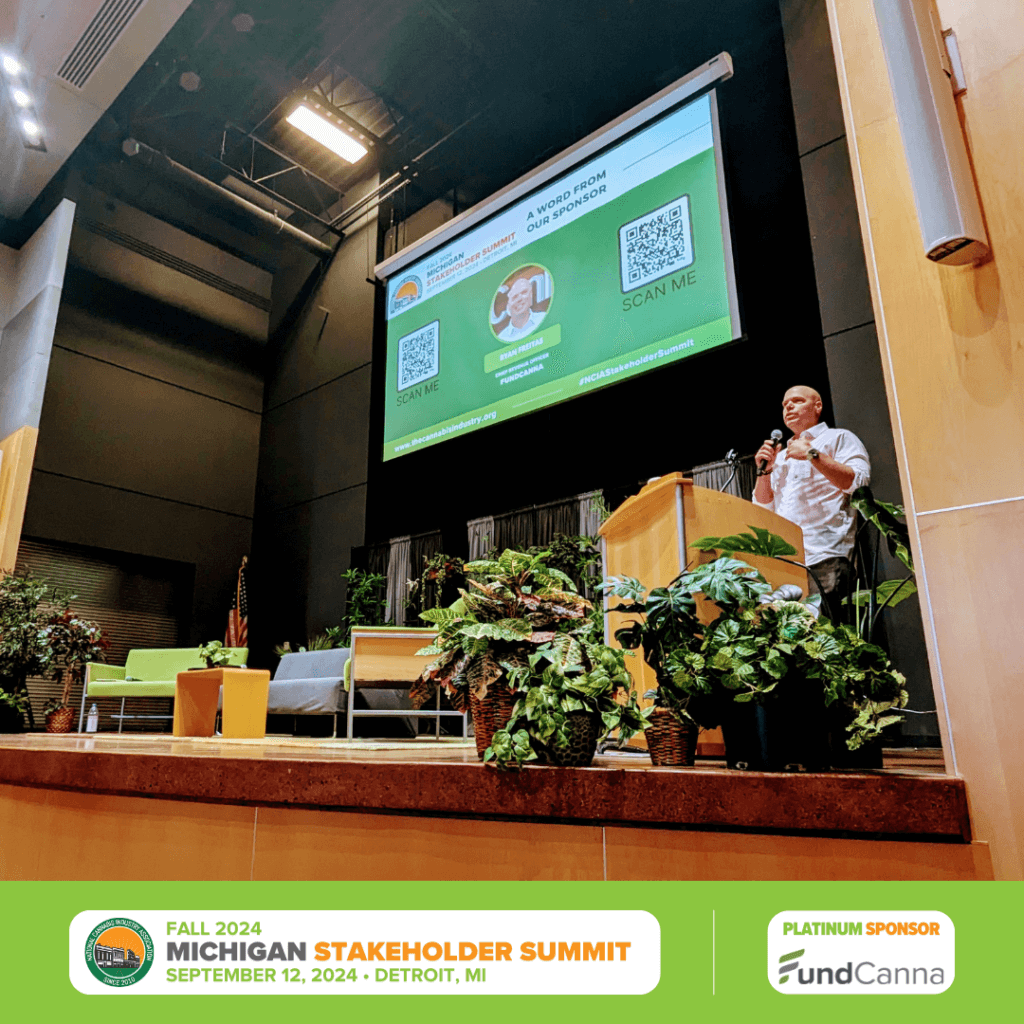
FundCanna and Bavis Fabacraft led the way as our Platinum Sponsors, opening each Summit with impactful contributions that set the stage for dynamic discussions and actionable takeaways. Their support was instrumental in creating events that inspired collaboration and innovation across all four Summits.
Together, these sponsors and partners exemplify the power of collaboration and the impact of collective action. Their support not only elevated the Fall 2024 Stakeholder Summits but also strengthened our shared mission to create a sustainable and equitable future for the cannabis industry.
Thank you for being an essential part of this movement and for helping us continue to inspire, advocate, and lead as we shape the future of cannabis.
Building a Movement for Change
The NCIA’s Stakeholder Summits brought together a diverse array of voices committed to the growth and integrity of the cannabis industry. From navigating complex compliance landscapes to advocating for inclusive regulatory frameworks, the message across each session was clear: this is a movement, not just a moment. Industry stakeholders must collaborate, advocate, and actively participate in shaping the future of cannabis in the United States.
For cannabis operators, now is the time to align with the NCIA’s mission, engage in industry advocacy, and contribute to a movement that transcends individual business interests. Together, we can forge a resilient industry that not only meets today’s challenges but also paves the way for a sustainable and equitable future.
The conversation continues in 2025 — NCIA will hold follow-up Stakeholder Summits in Sacramento and Denver in Q1 and Q2, culminating with our first-ever National Stakeholder Summit in May 2025. This event will coincide with our 13th Annual Cannabis Industry Lobby Days in Washington, D.C., where we’ll unite industry leaders to make an impact on the national stage.
Join the movement — Drive meaningful change and help define the cannabis industry for generations to come by becoming a member of NCIA. Learn more about membership here.
Committee Blog: Breaking the Stigma – Cannabis in the Retail World
Cannabis, once relegated to the shadows of society, is making a significant push into mainstream America. However, the journey from prohibition to acceptance is faced with many challenges, particularly in the retail world. The stigma surrounding cannabis stems from historical, legal, social, and cultural factors, and lack of education, plays a role in shaping the stigma. In this blog, we’ll explore some of the roots of the stigma on cannabis and how the landscape is gradually changing.
The Historical Backdrop
The roots of cannabis stigma are deeply embedded in history. In the early 20th century, cannabis was criminalized in many parts of the world. The United States’ War on Drugs, which began in the 1970s, heavily penalized cannabis use, linking it to criminal behavior and societal decay. Media reports of cannabis users as lazy, unmotivated, or criminals; these negative stereotypes are what many believe to be true.
However, alongside this negative portrayal, there exists a rich history of cannabis as a medicinal plant. For centuries, cannabis has been used to treat a variety of medical issues. Ancient cultures across Asia, the Middle East, and Africa utilized cannabis for its therapeutic properties, including pain relief and anti-inflammatory benefits.
In more recent times, cannabis has shown promise in helping cancer patients manage symptoms such as nausea, pain, and loss of appetite. Additionally, it has been found to fight inflammation, which is beneficial in treating conditions like arthritis and multiple sclerosis. This positive history of cannabis as a healing plant is often overshadowed by its criminalization and the stigma attached to its recreational use.
Legal and Regulatory Hurdles
One of the most significant barriers to cannabis acceptance in retail is the complex legal landscape. In the United States, for instance, cannabis remains illegal at the federal level, despite being legal in several different states. This legal ambiguity creates uncertainty and fear among businesses, banks, customers as well as B2B consumers.
Moreover, the reluctance of banks and financial institutions to work with cannabis-related businesses due to federal regulations results in limited access to financial services and funding. This financial exclusion makes it difficult for cannabis businesses to operate and expand, perpetuating the stigma. It also makes it challenging for funding purposes for these businesses to continue to operate efficiently.
Social and Cultural Challenges
Public perception plays a crucial role in the acceptance of cannabis. Despite increasing acceptance, many still view cannabis use negatively and as a Schedule 1 drug, influenced by concerns about health impacts, addiction, and moral values. Workplace policies that maintain strict no-drug stances, regardless of legal status, also contribute to this negative perception. Enhancing education on cannabis can help mitigate this stigma within our culture, which in turn will aid in positioning the cannabis industry as a credible sector in the eyes of consumers, banks, and other business sources.
Retail Industry-Specific Issues
In addition, mainstream retailers are often hesitant to carry cannabis products due to fear of backlash from conservative customers or communities, which limits the visibility and availability of these products in the broader spectrum.
Furthermore, stringent marketing and advertising regulations restrict cannabis businesses from effectively reaching new customers and normalizing their products. Social Media advertising is prohibited as well as certain television channels.
Conclusion
Resolving the challenges surrounding the stigma of cannabis in the retail world requires a multifaceted approach. Firstly, education plays a pivotal role: increasing public awareness about the medicinal benefits of cannabis and dispelling myths through targeted campaigns can shift negative perceptions. Secondly, advocating for legislative reform to align federal and state laws can provide clarity and confidence for businesses to operate effectively. Moreover, fostering open dialogue among stakeholders, including policymakers, industry leaders, and the public, can promote understanding and acceptance. Lastly, mainstream retailers can be encouraged to embrace cannabis products through initiatives that demonstrate responsible consumption and highlight regulatory compliance, thereby normalizing its presence in the retail market. By addressing these aspects comprehensively, we can gradually reduce stigma and integrate cannabis as a legitimate and beneficial sector within the retail market.
Start Making Sense: What Does Schedule III & Section 280E Mean for Me?
Rescheduling cannabis signifies a monumental shift for our industry, specifically presenting a potential pathway to alleviate the burdens imposed by Section 280E. In a new multi-part #IndustryEssentials webinar series, led by experts from our 14 member-led Committees, NCIA will provide a comprehensive analysis of the immediate and long-term impacts on different sectors within the cannabis industry.
In our debut session, led by the Banking & Financial Services Committee, we provided invaluable insights into the transformative implications of rescheduling cannabis to a Schedule III drug and its consequent impact on Section 280E of the Internal Revenue Code. In “Schedule III & Section 280E: What Does It Mean for Me?” broadcast LIVE on Thursday, May 30th, we explored the game-changing potential of this shift, offering actionable insights for businesses navigating the evolving regulatory environment.
Neil Rosenfield, CPA:Provided insights into the significance of comprehending and championing advocacy organizations to address regulatory hurdles.
Steven Gotsdiner, CPA: Illuminated accounting requirements tailored to cannabis businesses, drawing attention to the nuances across various states.
Eric Kaufman, COO: Shed light on the hurdles encountered by cannabis enterprises, while also elucidating the potential benefits stemming from regulatory changes.
Aaron Smith, NCIA: Emphasized the pivotal role of industry participation in policy reform endeavors, highlighting NCIA’s instrumental role.
Among the topics explored during the webinar was the profound impact of rescheduling cannabis on federal legality, state and local tax obligations, and the broader regulatory landscape. With cannabis poised to transition to Schedule III, businesses are poised to embrace newfound opportunities while confronting challenges inherent in navigating this regulatory terrain.
Neil Rosenfield of BakerTilly USA underscored the significance of contributing to and championing advocacy organizations to effectively address regulatory hurdles. Aaron Smith echoed this sentiment, emphasizing the pivotal role of industry participation in policy reform endeavors, highlighting NCIA’s instrumental role in spearheading these changes.
Another focal point of discussion revolved around the ramifications of rescheduling on tax obligations and deductions governed by Section 280E. The panelists provided invaluable insights into the implications for tax planning, including adjustments to tax bills, cash flows, and essential updates to accounting records and charts of accounts.
Steven Gotsdiner of HBK CPAs illuminated accounting requirements tailored to cannabis businesses, drawing attention to the nuances across various states. Eric Kaufman, COO of FundCanna, shed light on the hurdles encountered by cannabis enterprises, while also elucidating the potential benefits stemming from regulatory changes, such as managing surplus cash flows and preparing for shifts in interstate commerce.
Eric Kaufman explored whether rescheduling cannabis to Schedule III would reduce the cost of capital for operators and recommended strategies for deploying increased cash flows to scale and grow businesses effectively.
The webinar also delved into the anticipated timeline for these regulatory shifts, offering insights into potential implementation trajectories spanning from 2023 to 2025. Strategies for navigating diverse timelines and regulatory fluxes were discussed, equipping businesses with the tools needed to adapt and flourish in an ever-evolving landscape.
Thanks to the informed engagement of our audience members, a cornerstone of what makes our webinar series so valuable for members, the discussion touched on the definition of “Good Accounting Practices” and whether this includes Generally Accepted Accounting Principles (GAAP). The panelists also speculated on the possibility of new excise taxes replacing 280E and the potential impacts on federal protections like bankruptcy and IPOs.
As the program was extended in order to answer all of our audience questions, the session concluded with insights into how these regulatory changes might affect the CBD and hemp industries. The panelists emphasized the importance of staying informed and adapting to varying state-level requirements.
As the cannabis industry continues its evolution, proactive engagement with regulatory changes remains paramount for business success. The insights shared during NCIA’s #IndustryEssentials webinar series offer a compass to navigate the labyrinth of regulatory complexities and position businesses for enduring prosperity. By fostering active engagement and advocacy, cannabis enterprises can shape a regulatory landscape conducive to industry growth and development.
To continue facilitating these crucial dialogues amongst operators, regulators, and stakeholders, NCIA relies on the support of dedicated members like you. Join NCIA today to access exclusive resources, stay informed about the latest industry developments, and be part of a community committed to driving positive change in the cannabis industry.
Supporting advocacy efforts is integral to driving meaningful change in the cannabis industry. By becoming an NCIA member, you’re not just investing in your business’s success; you’re also supporting initiatives that shape the future of the industry. Together, we can amplify our collective voice and effect tangible change.
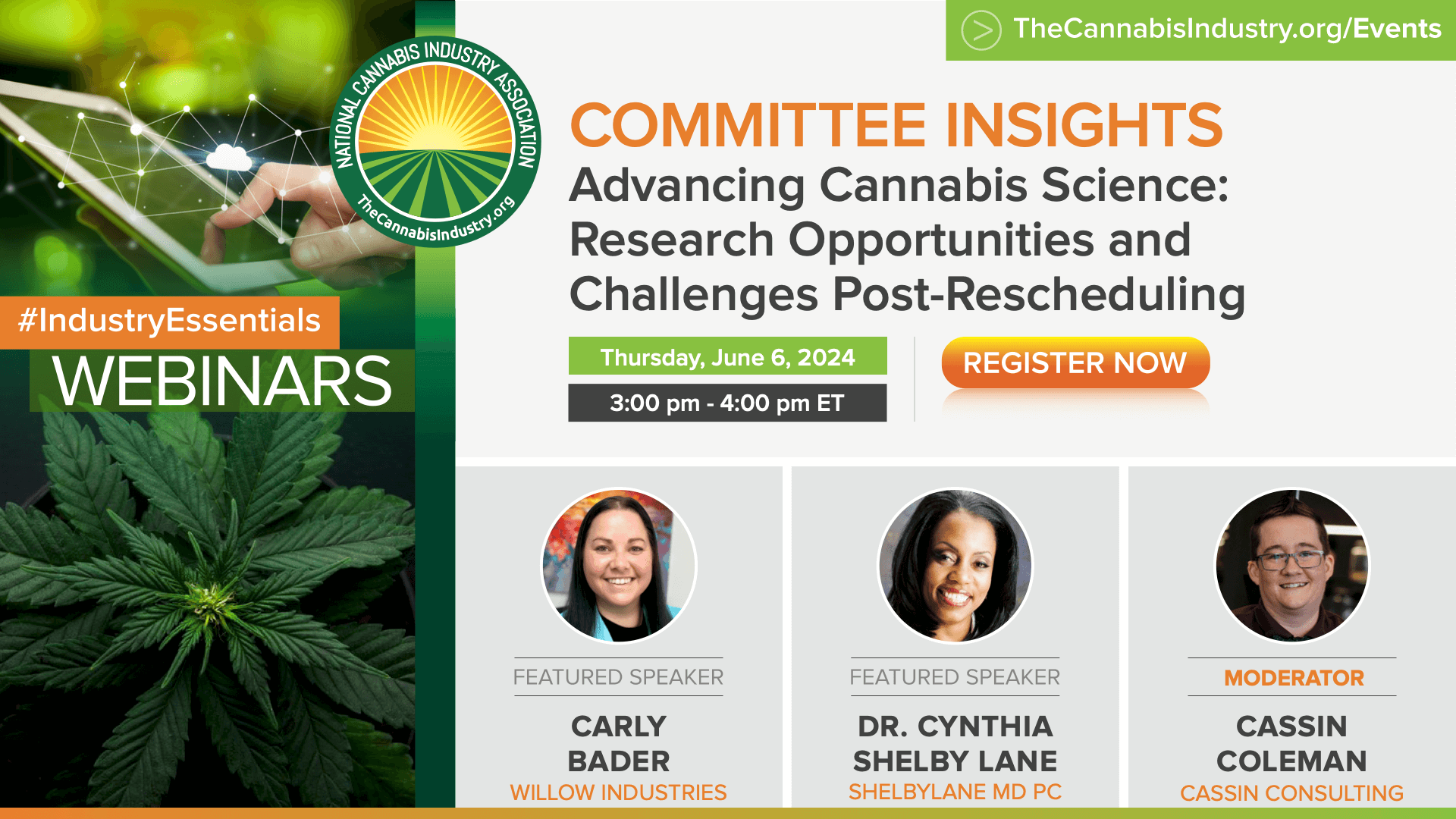
As we conclude this recap of our insightful session on Schedule III and Section 280E, we’re thrilled to announce the next episode in NCIA’s #IndustryEssentials multi-part webinar series: “Committee Insights: Advancing Cannabis Science: Research Opportunities and Challenges Post-Rescheduling.” Led by our esteemed Scientific Advisory Committee, this episode promises to explore the exciting realm of scientific research and consumer safety in the wake of cannabis rescheduling.
Join us for an engaging discussion with industry experts, gain valuable insights, and shape the future of cannabis science and consumer safety. Register now to reserve your spot and be part of the conversation!
Brian Hanna’s Regulatory Odyssey: A Unique Insight
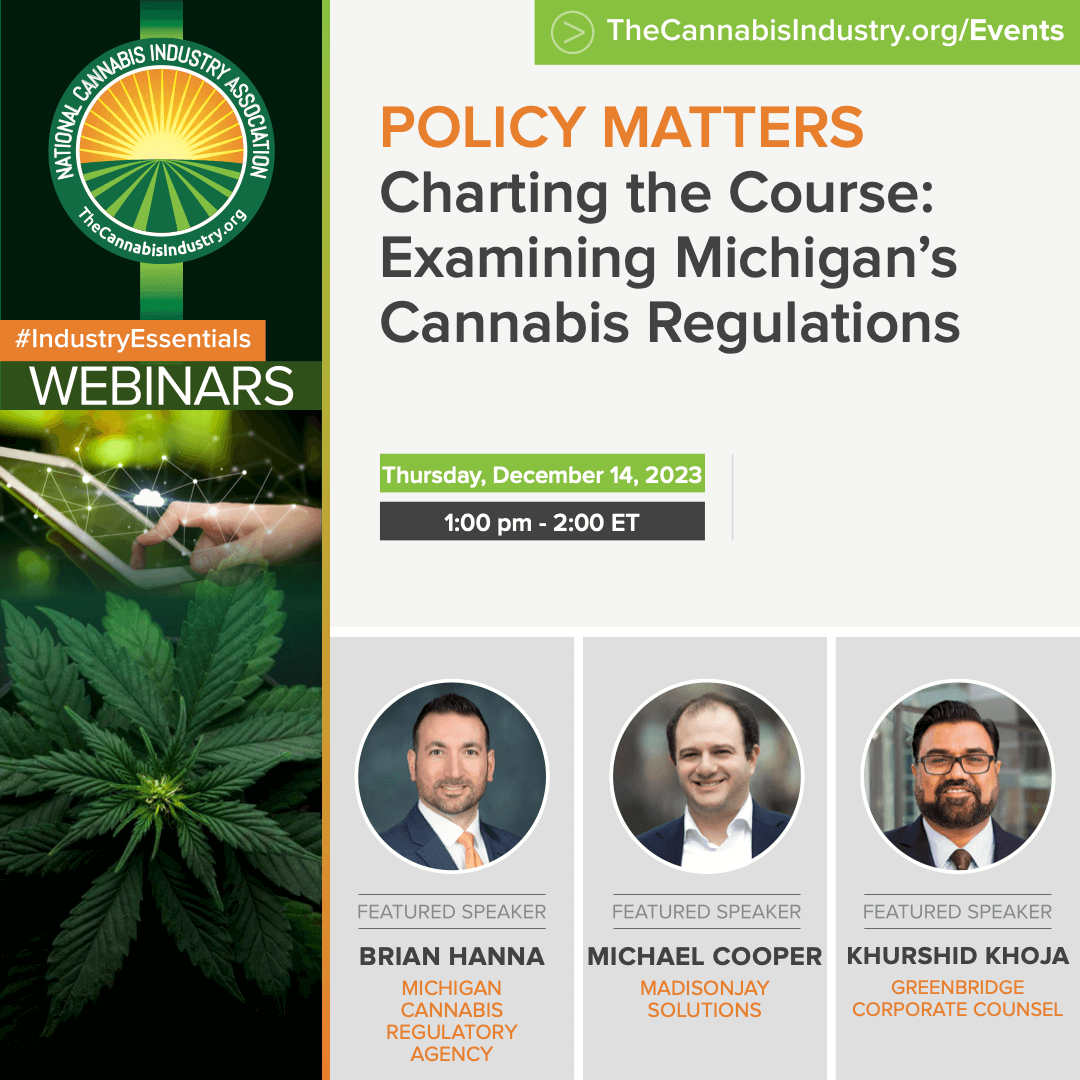
Welcome to the third edition of our groundbreaking Policy Matters series, an in-depth exploration into the intricate world of cannabis regulation. As we continue this journey of discovery, having unraveled the insights of Will Tilburg from the Maryland Cannabis Administration in September and delved into the perspectives of John Hudak, Director of the Maine Office of Cannabis Policy in October, we are thrilled to round off December with another influential figure. This edition promised a fresh perspective on the policies and people steering the cannabis industry.
Unconventional Path to Cannabis Regulation & Compassionate Commitment to Industry
Brian Hanna’s path to cannabis regulation wasn’t your typical journey. A certified police officer and military veteran, Hanna currently leads Michigan’s Cannabis Regulatory Agency, having previously served over 4 years as the Inspections/Investigations Manager for the Marijuana Regulatory Agency at the Michigan Department of Licensing and Regulatory Affairs. Throughout this time, his commitment to supporting the cannabis industry, especially those dealing with PTSD, has been the driving force. His background brings a distinctive blend of discipline and compassion to the table, establishing the tone for the agency’s approach.
Industry Challenges: A Complex Dance
Hanna dove into the challenges faced by businesses in the cannabis sector, shedding light on the complexities of receiverships, 280E issues, and price compression. The specter of federal regulations looms large, impacting the industry in ways that demand innovative solutions and resilience.
Collaborative Wisdom: Learning from Others
The Michigan CRA understands the power of shared experiences. Hanna underscored the importance of learning from other states, especially in navigating challenges like receiverships. Collaborating with organizations like the Cannabis Regulators Association (CANNRA) opens doors to insights and solutions that transcend state borders. In the spirit of collaboration, Hanna emphasized the significance of open dialogue among states. Organizations like CANNRA provide a platform for sharing information and experiences, fostering a collective understanding of regulatory challenges. This collaborative ethos is a cornerstone of effective cannabis regulation.
Dialogues and Enforcement: Safeguarding the Market
Consumer safety takes center stage for the CRA. Hanna detailed the agency’s current priorities, focusing on addressing illicit materials infiltrating the regulated market and staunchly combating lab shopping. It’s a testament to the commitment to maintaining the integrity of the cannabis market. One standout initiative is the plan to establish a reference laboratory. This forward-thinking move aims to expedite investigations into illicit materials and standardize testing methods. The CRA is not merely reacting to challenges but proactively shaping the regulatory landscape.
Education for Responsible and Inclusive Industry Growth
In balancing enforcement with education, the CRA is committed to fostering understanding. Educational sessions for stakeholders reflect a dedication to promoting compliance and industry-wide understanding, ensuring a responsible and informed cannabis community. Highlighting the agency’s commitment to social responsibility, Hanna outlined details of the recently released Social Equity Grant program. This initiative extends support to existing businesses, prioritizing employee education, addressing business needs, and investing in community development.
Technical Insights: Testing Standards and More
Beyond the key takeaways, Hanna delved into the technical aspects of testing methods. Standardization and a round-robin style testing approach showcase the agency’s commitment to accuracy and reliability. Coordination with regulatory agencies and reference laboratories paints a picture of a desired end state – an industry-wide standardization of testing methods.
Transparent Accountability: Disciplinary Actions
The delicate balance between enforcement and education is an ongoing challenge. Warning letters and transparent disciplinary actions, totaling over 580 in a specific year, underscore the agency’s commitment to accountability without stifling growth. Hanna’s vision for the agency extends beyond regulations. Stakeholder engagement, transparency, admitting mistakes, and open communication form the pillars of a lasting legacy. Municipality summits further solidify relationships, fostering open dialogue with local authorities.
Collective Learning: Navigating Uncharted Waters
Key concerns like impaired driving find a place in Hanna’s discourse. The agency is actively funding programs to educate the public about the risks associated with impaired driving. Plans for a reference laboratory also address concerns like potency inflation and non-transparent practices. Acknowledging the challenges inherent in navigating uncharted regulatory territory, Hanna emphasizes the importance of collective learning. Transparent dialogues and collaboration emerge as the guiding principles for moving the cannabis industry forward.
A Model for Responsible Regulation
In a world where cannabis regulation is a complex dance between federal and state considerations, Brian Hanna’s insights provide a beacon of clarity. Michigan’s Cannabis Regulatory Agency, under his leadership, stands as a model for transparency, stakeholder engagement, and an unwavering commitment to evolving alongside the cannabis industry. As the industry continues to evolve, the lessons from Michigan’s regulatory journey offer a roadmap for other states and jurisdictions seeking effective cannabis governance. The journey is ongoing, but with leaders like Brian Hanna, the path forward is one of collaboration, education, and responsible regulation.
Watch the Full Conversation on NCIA’s YouTube Channel:
While this blog captures key highlights from Brian Hanna’s insightful discussion, the depth and nuances of his perspectives truly come alive in the full video on NCIA’s YouTube channel. Immerse yourself in the comprehensive dialogue as Brian shares invaluable insights, offering a unique lens into Michigan’s regulatory journey.
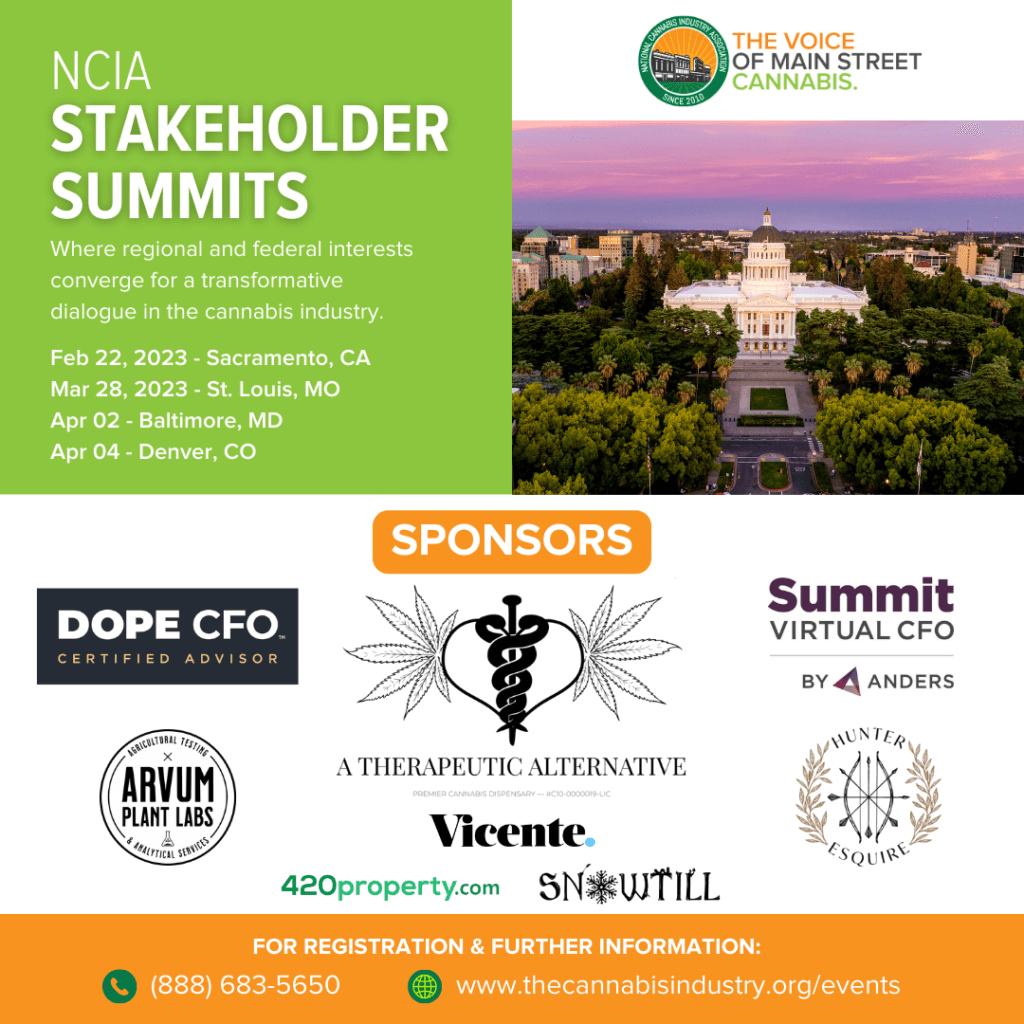
Looking Ahead: The Stakeholder Summit Series
In closing the third edition of Policy Matters, we extend our heartfelt appreciation to Brian Hanna for sharing invaluable perspectives on Michigan’s regulatory journey. Special thanks to NCIA Policy Co-Chairs Khurshid Khoja and Michael Cooper for their adept guidance, enriching our Policy Matters series. Their role in curating these dialogues adds an unparalleled depth to these exploration of cannabis policies. As we eagerly await January’s edition, featuring yet another luminary in the cannabis space, we thank you for being an integral part of our Policy Matters series.
Looking ahead to 2024, immerse yourself in the upcoming NCIA Stakeholder Summit Series—an opportunity to shape the cannabis industry’s future. Engage in dynamic discussions with industry leaders, elected officials, policymakers, and regulators. Your voice, representing Main Street cannabis operators, is pivotal in influencing cannabis policy.
For NCIA members, seize exclusive benefits with 2, 5, or 10 complimentary tickets based on your membership level. Not a member? Secure your spot at a special early bird rate until December 31st—don’t miss this chance to actively contribute to transformative cannabis conversations.
Join us, and let’s collectively navigate the dynamic landscape of the cannabis industry. Your insights are invaluable, and your participation ensures the inclusive and influential impact of the Stakeholder Summit Series.
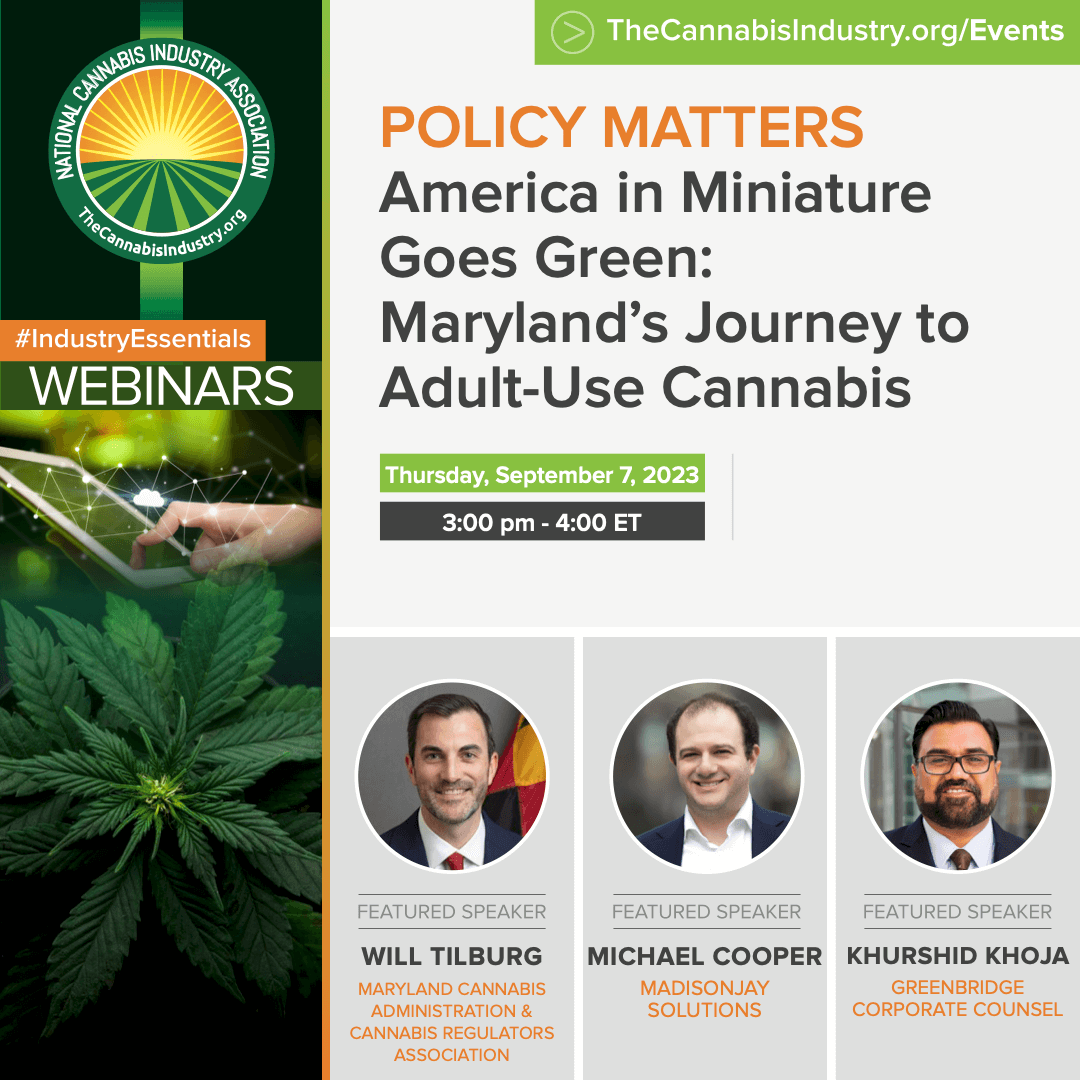
America in Miniature Goes Green: Maryland’s Journey to Adult-Use Cannabis | 9.7.23 | Policy Matters
Introducing “Policy Matters” – an insightful new #IndustryEssentials webinar series dedicated to unraveling the intricate world of regulatory and policy dynamics within the cannabis industry. As the cannabis landscape continues to evolve, staying informed about the latest regulations and policies impacting Main Street cannabis operators is crucial for success. Join us for a series of engaging discussions where regional regulators, industry leaders, legal experts, and policy influencers come together with NCIA leadership to shed light on the most pressing issues facing cannabis professionals.
Are you curious about the intricacies of launching an adult-use cannabis market in record time? In the debut episode of our new Policy Matters webinar series we delved into the strategic aspects of designing a thriving cannabis market while meeting regulatory standards. In this exclusive session, NCIA Policy Co-Chairs Khurshid Khoja and Michael Cooper were joined by Will Tilburg, Director of the Maryland Cannabis Administration and President of the Cannabis Regulators Association, to explore invaluable insights into the objectives that drive cannabis regulators and the pitfalls they strive to avoid. Discover the pressing enforcement challenges that are top of mind for cannabis regulators in 2023 and gain a clear understanding of the evolving landscape.
Don’t miss this opportunity to gain an understanding of how policy matters in the fast-paced cannabis sector. Stay informed, stay ahead, and be part of the conversation that’s shaping the future of cannabis policy. Tune in today and empower yourself with the knowledge to thrive in this dynamic industry.
03:40 – Launching an Adult Use Market in 2023 | Were there lessons from the existing medical market and others around the nation that you identified as important, both success stories and pitfalls to avoid?
07:23 – Launching an Adult Use Market in 2023 | What allowed you to move so efficiently and what lessons would you highlight for industry and regulators in new markets rolling-out in the future?
12:48 – Launching an Adult Use Market in 2023 | What are some priorities you have for the months ahead?
16:55 – Launching an Adult Use Market in 2023 | What advice would you give to future regulators on building relationships within the executive branch to prioritize these issues?
22:20 – Social Equity | Can you talk about reserving the first round of adult-use cannabis licenses exclusively for social equity applicants and other recent milestones or developments working with the Office of Social Equity?
28:56 – Social Equity | How has Maryland worked to make its medical cannabis industry more equitable and ensure these goals aren’t undercut as they have been with similar licensing preferences in other states?
34:04 – Enforcement | How did the state set up its enforcement plan? How do you strike a balance in a new market between a complete absence of enforcement and protecting public health?
37:34 – Enforcement | What are some key enforcement priorities for you looking ahead?
41:40 – CANNRA | Can you talk about the Cannabis Regulators Association (CANNRA) purpose, membership, and goals?
44:39 – CANNRA | What are the priorities or goals for your tenure as CANNRA president?
47:20 – Federal Reform & Regulation | What is Maryland doing to address the hemp-derived cannabinoids issue as it relates to protecting public health and unfair competition with adult-use cannabis licensees?
52:10 – Federal Reform & Regulation | As a state regulator, how did you receive the recent HHS recommendation for rescheduling of cannabis to Schedule III?
56:34 – Federal Reform & Regulation | What is the optimal division of labor between state and federal government if cannabis is completely descheduled in the future?
Breaking Down the Recent Cannabis Rescheduling Recommendation
For more than fifty years, the federal government has maintained that cannabis is a Schedule I drug, meaning that it has a high potential for abuse and no accepted medical value. That changed last week (somewhat) when the Department of Health and Human Services (HHS) recommended to the Drug Enforcement Administration (DEA) that cannabis be placed in Schedule III, meaning that it has moderate to low abuse potential, a currently accepted medical use, and a low potential for psychological dependence.
Why now?
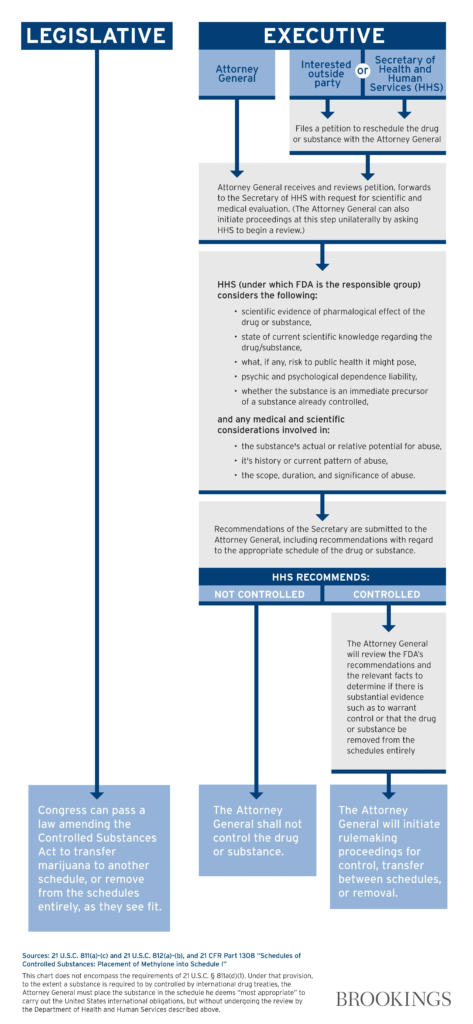
In October 2022, the Biden Administration announced that it would ask the Secretary of HHS and the Attorney General to initiate the administrative process to review expeditiously how marijuana is scheduled under federal law. As the Brookings Institute outlined years ago, the Executive process for rescheduling is much more complex than the Legislative path.
It’s no secret that the presidential election is barely more than a year away, and the President seems to be looking to make good on his campaign promise to reform the nation’s marijuana laws.
What does this mean?
First off, it’s critical to note that HHS’ recommendation to DEA is just that: a recommendation. It is non-binding. The DEA may come to the same conclusion that HHS did, but is not required to.
If cannabis is moved to Schedule III of the Controlled Substances Act, one positive outcome would be that 280E would no longer apply to plant-touching businesses, removing an incredibly punitive and debilitating provision in the tax code.
According to NCIA’s board chair emeritus, Khurshid Khoja, Esq., “…it’s important to remember that rescheduling would not apply the federal Food Drug and Cosmetic Act (FDCA) to marijuana for the first time—it applies right now, and like the federal Controlled Substances Act (CSA), would continue to apply after rescheduling. But absent any statutory authority permitting FDA to do otherwise, the FDCA would continue to apply after descheduling too, just as it does to hemp products.”
Others claim that the shift to Schedule III would have minimal impact on businesses and individuals. Here at NCIA, we’re cautiously optimistic but recognize that moving cannabis to schedule III could have some limited benefit but does nothing to align federal law with the 38 U.S. states which have already effectively regulated cannabis for medical or adult use.
What now?
Now that HHS has made their recommendation, the DEA will begin its scheduling review process.
Many are divided about what a move to Schedule III would actually look like. Yes, there would be the elimination of 280E, but what about enforcement priorities? Interstate commerce? Criminal penalties? There are so many unknowns.
NCIA has previously produced a common sense, workable roadmap for that federal comprehensive reform and provided detailed feedback on legislative efforts. It is time for Congress to follow the will of the American people. Don’t get me wrong, there’s no doubt that this recommendation is a step in the right direction and is long overdue. But we can’t lose sight of the ultimate goal: removing cannabis from the Controlled Substances Act entirely.
Have questions?
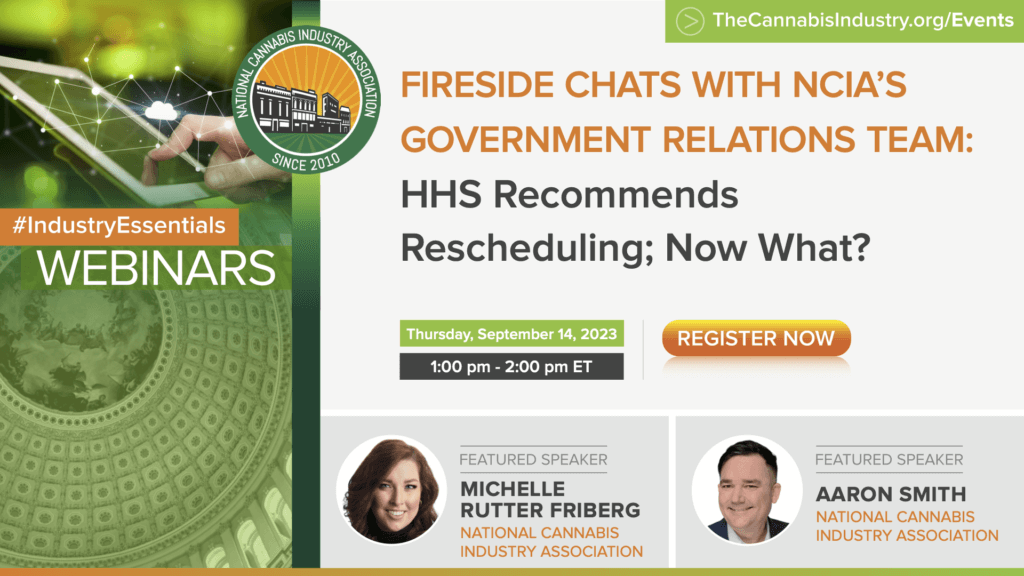
Join NCIA on September 14 at 1 pm ET for an engaging webinar where we will unpack all your questions! Register today and don’t miss your chance to hear more about what this means for the cannabis industry and your business.










Follow NCIA
Newsletter
Facebook
Twitter
LinkedIn
Instagram
News & Resource Topics
–
This Just In
NCIA Applauds Reintroduction of SAFE Banking Following Lobby Days
Beyond Rescheduling: Inside NCIA’s 14th Annual National Cannabis Industry Lobby Days