Committee Blog: International GxP Considerations When Cultivating Cannabis – Part 1
Published by NCIA’s Facilities Design Committee
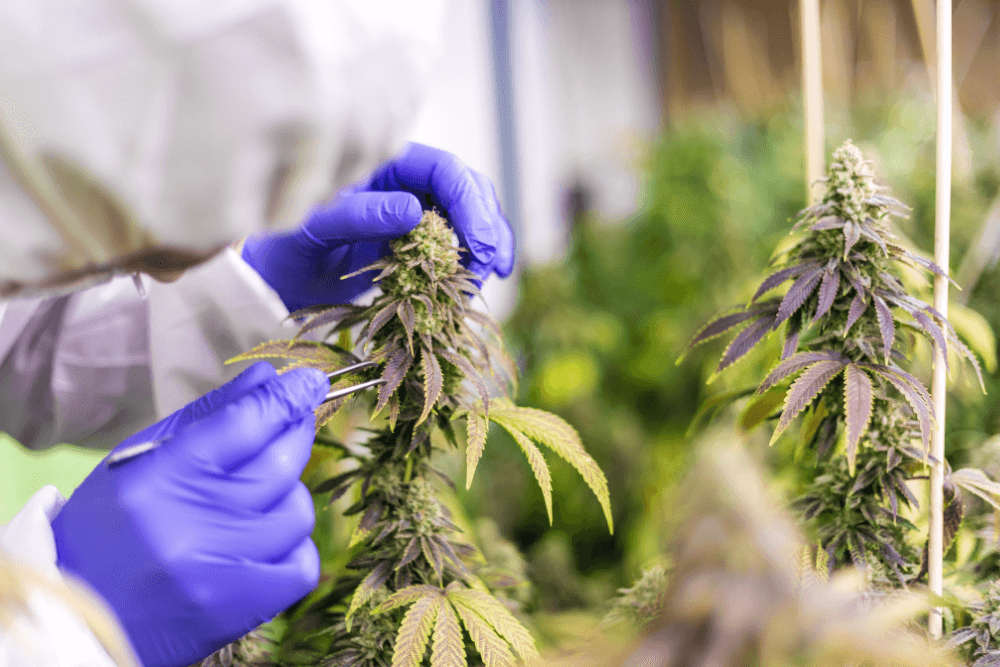
As the global cannabis industry continues to expand, the importance of international GxP standards becomes increasingly vital. GxP is an umbrella term used to describe the various forms of compliance/standards available: GMP, GACP, GMCCP (Bedrocan), etc. While GMP is typically associated with the manufacturing of pharmaceuticals and other consumer products, it can also be applied to plant cultivation (GACP). These guidelines were developed by the World Health Organization (WHO) in 2003; they help ensure the quality, safety, and consistency of products, fostering consumer trust and facilitating international trade. In this blog post, we will explore the key considerations and requirements for cultivating cannabis in accordance with international GxP standards, allowing cultivators to meet the stringent regulatory expectations across borders.
GMP vs. GACP: What’s the difference?
First, it is important to explain the difference between GMP and GACP: GMP (Good Manufacturing Practice) is a set of quality management and manufacturing guidelines and regulations that ensure pharmaceutical, food, and medical device products are consistently produced and controlled according to quality standards. It aims to minimize risks involved in production and ensures the safety, efficacy, and quality of the final product. GACP (Good Agricultural and Collection Practices) is a set of guidelines and principles used in the cultivation and harvesting of medicinal and aromatic plants. It ensures that the plants are grown, collected, and processed in a manner that maintains their quality and prevents contamination, ultimately ensuring the safety and effectiveness of herbal products derived from these plants.
GxP Best Practices for Cannabis Facilities
Generally speaking, GACP applies to the “cultivation zone” and is less expensive to implement; GMP standards should be used in all “post-harvest zones” and is considered pharmaceutical grade. Below you will find a set of considerations and best practices used in most compliant cannabis facilities.
- Compliance with Regional Regulations: Before embarking on cannabis cultivation, it is essential to understand and comply with the specific regulations governing cannabis production in a specific region. Different countries have varying laws and requirements surrounding cannabis cultivation/export, including licensing, permitted cultivation methods, quality control, and product labeling. Familiarize yourself with the applicable regulations (in the country you intend to cultivate in and the country you intend to supply) to ensure full compliance with international GxP standards. Then organize a meeting (pre-audit) with your local audit provider (e.g. ASTM) to develop a proper gameplan.
- Facility Design and Maintenance: A crucial aspect of GxP compliance is having a well-designed cultivation facility that prioritizes cleanliness, efficiency, and product integrity. Considerations include proper airflow and cannabis specific HVACD systems (e.g. InSpire.ag or Ceres GH Solutions), dedicated cultivation and processing areas, appropriate lighting, appropriate drying space, automation and adequate pest control measures. Maintaining a clean and organized facility with strict hygiene protocols is essential for preventing contamination and ensuring the quality of the final cannabis products. Water quality, flexible cultivation integration, and sustainability should be top priority when in the design phase of your project.
- Crop Management System (CMS): Incorporating an all-inclusive CMS into your agricultural practices brings numerous benefits to crop monitoring and management. Real-time data collection, remote monitoring, disease detection, true seed-to-sale tracking, employee workflow tracking, certificate of growth analysis, predictive analytics, automated irrigation (based on real time plant weight), and historical data analysis collectively enhance a cultivator’s ability to monitor crop progress effectively. By making informed decisions based on accurate data and insights, cultivators can optimize crop growth, increase productivity, and promote sustainable farming practices. Embracing a good CMS (e.g. WeightSense Adapt), while leveraging the power of a Building Management System (BMS) is undoubtedly the best step forward towards advanced compliance, safer product and higher consistency/quality.
- Seed and Genetics: Selecting high-quality seeds or clones with desirable traits is vital for successful cannabis cultivation. When sourcing genetics internationally, it is crucial to consider the origin and reputation of the supplier. Ensure that the genetics comply with regional regulations and are free from pests, diseases, and genetic abnormalities. Match phenotypes with your specific environment to naturally defend against some of these risks. Proper documentation and traceability of seed sources are essential for GxP compliance and product consistency. In-house tissue culture labs bring a host of complexity to your propagation department although provide true consistency and reduced disease if carried out properly.
- Cultivation Practices: GxP-compliant cultivation practices focus on ensuring consistency, purity, and traceability (e.g. CMS) throughout the cultivation process. Considerations include standardized cultivation techniques, such as appropriate nutrient management, integrated pest management (IPM), water quality control, and sanitation procedures. Documentation of cultivation activities, such as crop inputs, environmental conditions, and pest management interventions, is essential for traceability and quality control purposes. As an example, under-canopy lighting (e.g. Thrive Agritech) can help reduce pests, disease, and labor input, all while increasing your yield and product quality.
- Post Harvest Practices: GxP in post-harvest forms the cornerstone of ensuring the quality and safety of agricultural products after harvesting. These practices use a range of vital considerations, including stringent hygiene and sanitation protocols to prevent contamination, comprehensive worker training to uphold proper handling techniques, implementation of effective traceability systems for accountability, meticulous quality control measures for sorting and grading, and the maintenance of optimal storage conditions encompassing temperature and humidity control. The integration of pest and disease management strategies, robust packaging selection, documentation upkeep, and cross-contamination prevention further validate the post-harvest GMP framework. By focusing on these key principles, producers safeguard product integrity, enhance shelf life, and contribute to the overall safety of cannabis in the supply chain.
- Quality Control and Testing: International GxP standards emphasize robust quality control measures throughout the cultivation process. Implementing comprehensive testing protocols for cannabinoid potency, microbial contaminants, heavy metals, residual solvents, and pesticide residues is crucial. Regularly analyze samples from each batch to ensure compliance with international quality standards and regulatory requirements. Establishing relationships with accredited testing laboratories can aid in obtaining accurate and reliable test results. Consider SAP analysis and run-off testing if you would like to maximize your situational awareness and plant health.
- Documentation and Record Keeping: Accurate documentation and record-keeping are essential components of GxP compliance. Maintain detailed records of cultivation activities, including seed sourcing, cultivation inputs, environmental conditions, pest management, testing results, and batch-specific information via proper SOP (standard operating procedures) development. These records serve as evidence of adherence to GxP standards and facilitate regulatory inspections, product recalls, and traceability in the event of any issues. Most importantly, they help cultivators maintain a safe and stable facility.
- Additional Considerations Include: Worker training, regulated plant-tracking system, inventory control, storage conditions, packaging, handling and cross-contamination practice, waste management and continuous improvement.
In part two of this GxP blog, we explain the matrix between these interlocking subject matters and how/where they relate to GxP based on department (so keep a look out for part two).
GxP Standards: Bringing It All Together
Cultivating cannabis in accordance with international GxP standards is crucial for ensuring the quality, safety, and consistency of cannabis products across borders. Adhering to regional regulations, designing and maintaining a GxP-compliant facility, selecting high-quality genetics, implementing standardized cultivation practices, conducting rigorous testing, and maintaining comprehensive documentation are all integral to achieving international GxP compliance. And of course, engage a local GxP specialist with experience in the cannabis field to help navigate your team to success. By prioritizing these considerations, cultivators can position themselves for success in the global cannabis market while meeting the requirements of regulatory authorities and ensuring consumer confidence in their products. It’s time to be a part of the solution, and help break the stigma that comes with cannabis cultivation and manufacturing.
Committee Blog: Social Equity Perspectives on Interstate Commerce – Part 2
 by Mark Slaugh, iComply LLC
NCIA’s Diversity, Equity, and Inclusion Committee
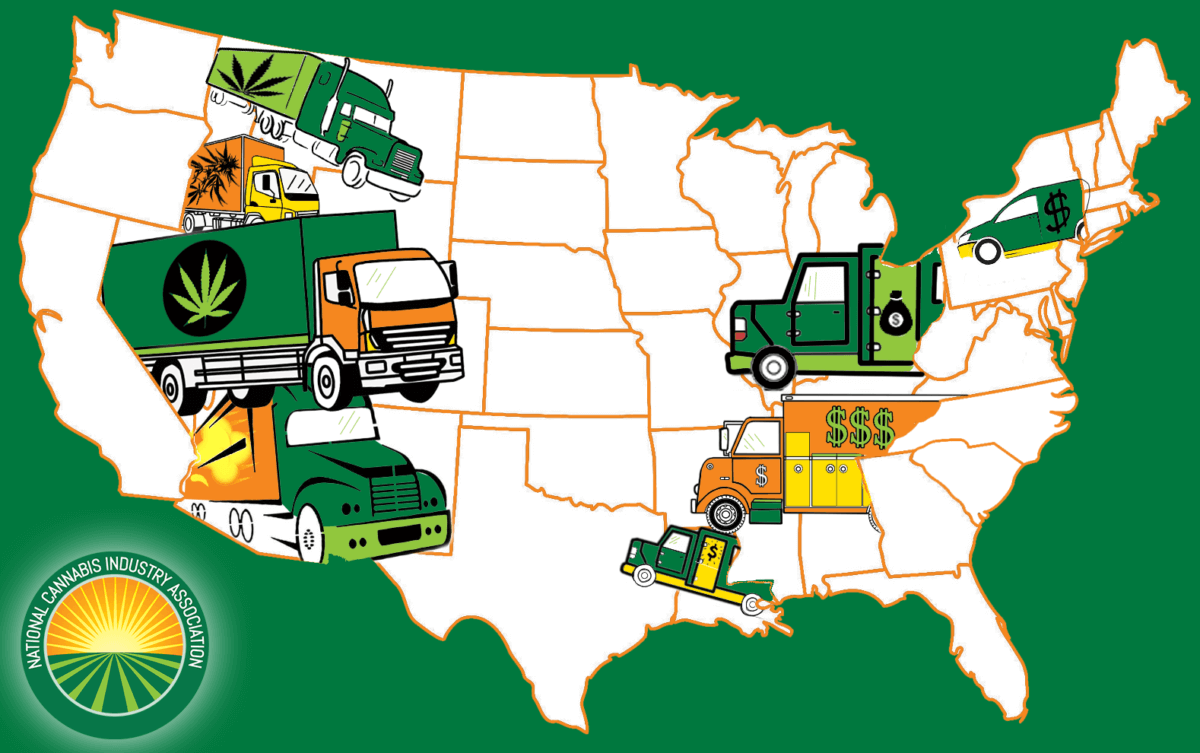
As the debate heats up on “how” rather than “if” cannabis legalization will happen, social equity and comprehensive reform are at the forefront of the minds of national legislators and advocates. Previously, in part 1 of this series, the DEIC examined the problems inherent in existing social equity programs and the merit of federal social equity in regulating interstate commerce. Sadly, as written currently, all proposed federal bills fail to meet the critical objective of creating as much NEW generational wealth as possible for those harmed by the war on drugs. Now, we examine the key components of a proposed framework to address these challenges, how to define social equity federally, and the merit of determining the types and numbers of permits to be issued.
Key Considerations for a Federal Cannabis Social Equity Program:
Fundamentally, any federal act for cannabis legalization should be a social justice bill that deschedules cannabis federally and that creates the most amount of new generational wealth for those most impacted by prohibition. Expungement for all persons with a past criminal record involving cannabis is the bare minimum these bills should do. However, proposed bills so far fall short of the latest innovative solutions to known problems in social equity programs and should be amended to include these key considerations.
Any proposed act must be amended to include provisions on regulating interstate commerce immediately after descheduling. The NCIA’s Diversity Equity and Inclusion Committee (DEIC) believes any federal act must prioritize social equity ownership of interstate commerce permits issued by the federal government. Learning from the municipal and state social equity programs, this policy paper seeks to propose amendments that meet these objectives, by instituting the following amendments to federal legalization bills:
-
Defining the regulatory agency for federal interstate commerce regulation and taxation
- Alcohol and Tobacco Tax and Trade Bureau (TTB) and U.S. Small Business Administration (SBA) roles and responsibilities
- Defining number and types of seats for a Federal Cannabis Social Equity advisory board
- Ensure a diverse and representative Federal Cannabis Social Equity advisory board members, e.g., federal, state, tribal nations, diverse city representation, NCIA, and social equity cannabis owners, and operators.
-
Defining who qualifies as a social equity interstate commerce permit holder:
- Outlining what states must meet as a minimum standard set by the federal government to participate with equivalent/reciprocal qualification.
- May be determined by advisory board to define social equity qualifications
- With minimum areas defined such as: income, arrest history, disproportionately impacted area(s), residency or heritage to avoid gentrification issues at large.
-
Defining permit types (similar to wine wholesale model) such as:
- Importing
- Privileges to buy from exporters directly and sell to distributors or transporters and licensees into a state system from another state
-
- Exporting
- Privileges to buy from operators and sell from a state system to an importer in another state
-
- Transporting
- Privileges to sell to or buy from qualified cannabis licensed businesses within a state system and to move product from or to licensees in a state or between importers and exporters interstate
-
- Testing
- State labs that meet national standards to ensure consistency with results for other permit types
- May not be strictly social equity since existing labs are more specialized in converting to federal standards and adding this permit
Defining these basic requirements offers a framework for interstate commerce permitting and establishes the essential agencies required to enact a robust social equity program federally. More importantly, it stalls illegal and gray area activity from taking root under the guise of federal legalization by ensuring interstate commerce activity falls under a specific regulatory agency already well versed in interstate commerce permitting and regulation.
Suggested Social Equity Definition:
To define social equity applicant qualifications, DEIC suggests the TTB and SBA move away from diversity supplier program definitions which are too restrictive for a new industry to qualify. In order to accommodate the cannabis industry, DEIC recommends looking at other state definitions of social equity qualification that have proven to be effective.
- Factors like living in a disproportionately impacted area for 5 out of 10 years, being arrested for cannabis or having a family member who was arrested, as well as income below the poverty line, should become qualifying factors.
- Additionally, minorities, women, and veterans should be given additional consideration in the definition of who qualifies as a minority cannabis business.
- High poverty rate, unemployment rate and participation in federal or state income-based programs, a history of arrests, convictions and other law enforcement practices in a certain geographic area, such as, but not limited to, precincts, zip codes, neighborhoods, census tracts and political subdivisions, reflecting a disparate enforcement of cannabis prohibition during a certain time period (war on drugs started in 1971), when compared to the rest of the state.
- Utilize the advisory committee and collaborate with cannabis social equity groups to make sure gentrification and displacement are taken into account. Many areas have drastically changed over the last 5-10 years. Where a person spent their formative, childhood years should also be factored in. Guarding against ‘gerrymandering’ types of map cutouts, where folks who grew up literally surrounded by DIA’s, and who dealt with many of the same issues growing up, are somehow not considered to be disproportionately impacted.
We believe the federal government should leave regulations within each state alone during this multi-year implementation and defer to the TTB and SBA to work in conjunction with any Federal Drug Administration (FDA) regulations with their primary focus pertaining to interstate commerce and taxation as it relates to social equity permit issuance.
Defining How Many Permits to Issue to Social Equity Operators
To address the common shortfalls of state programs, the DEIC realizes that social equity applicants are already a minority stakeholder in existing cannabis licensing. In most states, sadly, constituting less than 5% ownership. This is a huge difference compared to the proportion of individuals in prison for the same activities a licensed business is allowed to conduct.
-
Accordingly, the DEIC recommends a direct balance in ensuring a lock-out period on issuing new permits and ensuring, during that time, that 95% of the permits go to social equity owners/operators.
While some may consider such a counter-balance to be extreme, more and more states are increasing the committed amount of licenses for social equity to ensure a fair counter-balance. If anything, mega-players should be competing with each other for a select number of limited licenses – not the other way around.
We also realize that, in order to generate investment or value behind interstate commerce permits, there could not be an unlimited number of them initially issued. While the advisory board may issue more in the future, we feel a bold stand to increase the number of valuable permits for initial social equity applicants nationwide is necessary to ensure a balance that reflects the oversight to include social equity business into the industry thus far.
- DEIC suggests 1,500 permits as a starting point divided among the three primary types (import, export, transport) as a fair balance initially.
The above policies may seem bold, but they are designed to seek to balance the industry and state’s failure to allow social equity participation. Most cannabis states left out social equity operators by mandating residency and felony-free requirements.
The reality is that interstate commerce means selling the products already owned and produced by non-social equity folks. Further, if it was not for these legacy operators, there would not be a cannabis culture. A culture that has been co-opted from legacy social equity operators by mega operators who kept “undesirables” from the industry at its inception.
These policies seek to balance the needs of traditional cannabis businesses that would most benefit from interstate commerce, with the needs of social equity businesses to create equal opportunity. By limiting the number and availability of interstate commerce permits for at least a 5 lock-out year period, the policy ensures traditional operators partner with social equity permit holders to export, import, and transport their goods between various markets.
The policy helps ensure partnerships that are more equitable for both parties and, in doing so, seeks to avoid “predatory operating agreements” or “social equity colonialism” that dilute social equity operators who are not given the opportunity or resources to bring anything to the table. Therefore, the DEIC stands by lock-out periods and a dedicated high percentage of limited licenses for social equity interstate commerce permitting as a policy to balance existing inequity.
In the next part of this policy paper series, the DEIC will examine how this framework sets up social equity technical assistance, qualification, and a phased approach of implementation to ensure the widest net is cast and that social equity operators have ample time to qualify, are appropriately funded, and set up for success with an equal starting line for interstate commerce.
Read Part 3 of this blog series.
Committee Blog: California Permanent Regs Roundup
by NCIA’s State Regulations Committee
authored by Juli Crockett, MMLG
As 2018 came to an end, the FINAL proposed text of the permanent regulations for California cannabis were submitted to the Office of Administrative Law (OAL) by the three regulatory agencies – the California Department of Food and Agriculture (CDFA), California Department of Public Health (CDPH), and the Bureau of Cannabis Control (BCC). The cannabis regulations submitted to the OAL are currently undergoing a 30-day administrative review to ensure alignment with MAUCRSA and statutory requirements. These “final’ regulations shall become effective immediately upon approval/adoption which should be on/before January 16th 2019.
What “final” means in this evolutionary process of California cannabis regulations is debatable, as there are already several Assembly and Senate bills queued up to be put through the legislative tango and all three of the regulatory agencies have indicated that there will be further clean-ups and clarifications of the “permanent” regulations. Although there will assuredly be changes ahead, this is a highlight reel of where California Cannabis stands now.
For those that dug into the October redrafts, much of the substantial changes that occurred in that version carried over into the final proposed text. Here we will highlight the top eight changes impacting cannabis businesses in California.
The Final Statement of Reasons from the BCC, which also included responses to pertinent comments received during the previous 15- and 45-day comment periods, is where some greater clarity about the regulatory changes and intents can be found. It is by spelunking into these deeper caverns of reasoning where the sweet ore of further clarity can sometimes be extracted.
Here are 8 highlights for anyone interested in California cannabis.
1. Ownership and Financially Interested Parties
In October we saw the expansion of the definition of ownership and financially interested parties that clearly sought to capture the identification of any and all warm bodies that stand to direct, control, or financially benefit from commercial cannabis. While there were some changes in sections §5003 and §5004 between the previous and current version, the scope and intent remained the same. One particularly vague line §5003.b.6.D “Any individual who assumes responsibility for the license.” was removed from the BCC’s definition of owner, this very line turned up over the in the CDPH’s update in §40102.a.4.D.
The Ownership and Financially Interested Parties disclosures dovetail into the White Labeling issues (See #2) in that “Brand Owners” that may be licensing IP to contract manufacturers have been impacted by the prohibition on non-licensees conducting commercial cannabis business with licensees. In the response to comments in the FSOR was this gem of insight, “In response to commenter’s questions, if a licensee includes as one of their owners a brand-owner, the licensee can produce the branded products because in this case the licensee is not engaged in commercial cannabis activity on behalf of an unlicensed person. Because the owner of the brand is an owner of the licensee, there is no unlicensed person involved.” Of course, before everyone runs off and adds brand-owners as owners of their contract manufacturing business, let’s take a moment to reflect on the value and critical importance of a well-drafted contract.
2. §5032 (b) The So-Called “White Label Prohibition”
- 5032.b shall go down in infamy as one of the more talked-about sections of the BCC’s regulations. This simple sentence, “Licensees shall not conduct commercial cannabis activities on behalf of, at the request of, or pursuant to a contract with any person that is not licensed under the Act,” brought with it a level of confusion and white-hot panic regarding the inferred white label prohibition contained therein. October’s version had more explanatory examples for the types of “on behalf of, at the request of, or pursuant to” activities that the BCC was talking about, such as, “procuring or purchasing cannabis goods from a licensed cultivator or licensed manufacturer. Manufacturing cannabis goods according to the specifications of a non-licensee, Packaging and labeling cannabis goods under a non-licensee’s brand or according to the specifications of a non-licensee, Distributing cannabis goods for a non-licensee.” This language was removed in the final version submitted to the OAL and is one of the examples of where the FSOR is enlightening.
From the BCC’s FSOR: “Initially, the Bureau determined that it was necessary to assist licensees with determining what types of activities may or may not be allowed under the Act and its implementing regulations. The initial proposed change identified certain transactions that would generally be considered commercial cannabis activities under the Act. However, the Bureau has determined that inclusion of the clarifying example transactions is causing more confusion. Accordingly, the Bureau has decided not to move forward with the proposed changes which identify examples of specific commercial cannabis transactions.” The definition of “commercial cannabis activities,” therefore, is an important one, and we can refresh ourselves on that one (Business and Professions Code §26001.k) “‘Commercial cannabis activity’ includes the cultivation, possession, manufacture, distribution, processing, storing, laboratory testing, packaging, labeling, transportation, delivery or sale of cannabis and cannabis products as provided for in this division.”
This has been a hot, hot topic, and there have been some great analysis articles of this provision that dig further into solutions and scenarios related to this section. Get thee to Google and find out more!
3. Option to label THC/CBD post-final testing by Distributor
This was a big win for the industry! A substantial percentage of testing failures for “label claims” are due to products, previously required to be labeled with THC/CBD content prior to final testing (the one test that counts!) not falling within the 10% allowable variance threshold. It’s common knowledge that the science of cannabinoid testing is still getting dialed in, and the labs have some serious challenges in hitting the same tiny target twice. Especially when they are dealing with the vast array of cannabis product matrices, and an industry that it still learning about important things such as homogenization. The good news is, the CDPH now allows products to be labeled for THC/CBD content after that all-important final test, which should eliminate well-upwards of 50% of the product failures in California and ensure a steadier supply chain.
4. Regulation of Technology Platforms
The cannabis industry has always been a place of innovation and loophole-finding. These regulations are an attempt to close some of those loopholes that seem to have created a situation where unlicensed tech platforms were enjoying the privileges of licensed commercial cannabis without undergoing the slings and arrows of local/state licensure and regulation. Seeing themselves outside of the regulatory purview, certain business claimed that agencies such as the BCC had no dominion over their activities. Well, they may have wanted to wait until the ink dried on the final regs before making such an assertion, as now it seems the BCC has expanded its reach to embrace all kinds of advertising, facilitating, and delivery platforms.
5. Delivery to a Physical Address
This was (potentially) a huge win for patient access, however, it remains to be seen how this truly shakes out. When the BCC added the line that “a delivery employee may deliver to any jurisdiction within the State of California” it caused some serious outrage from municipalities that have banned commercial cannabis activity, the League of Cities, law enforcement, and others that saw this as a huge overstepping of the local authority ensured by Prop 64 and MAUCRSA. The LOC even launched a “wandering weed” campaign, in response to which it seems that a subsection that includes “a restriction on delivering cannabis goods to a school providing instruction in kindergarten or any grades 1 through 12, day care center, or youth center” was added to the regulations, for clarity. Whether the OAL will approve as is, and how this interacts with local bans, tax requirements, and law enforcement, and lawsuits… stay tuned! While the BPC (§26090.e & 26080.b) explicitly prohibits a local jurisdiction from preventing delivery, and transportation, of cannabis goods on public roads, it does not prevent localities that have banned commercial cannabis in their area from adopting ludicrous tax rates for deliveries that would in effect ban via taxation delivery in their area.
6. Sale of Non-Cannabis Goods (aka No Hemp)
While the seeming victory of the Farm Bill has folks leaping with joy for the future of hemp, statements from the FDA and other agencies have certainly rained on the parade of many a CBD vendor. Add to that the collections of California cannabis regulations that in effect eliminate hemp-derived CBD from cannabis dispensaries and products.
“In addition to cannabis goods, a licensed retailer may sell only cannabis accessories and any licensee’s branded merchandise.” (BCC §5407)
This limitation for retail (and retail delivery) is further clarified in the BCC’s FSOR in their responses to comments:
“Cannabis retailers are licensed to sell cannabis goods. The definition of cannabis within the Act explicitly excludes industrial hemp products. Industrial hemp is regulated by the California Industrial Hemp Program under the California Industrial Hemp Farming Act.”
“A retail license from the Bureau authorizes the retailer to sell cannabis goods and cannabis accessories. A retail license from the Bureau does not authorize licensees to sell items that are unrelated to cannabis.”
Combined with the retail prohibition on non-cannabis products, this trifecta from the CDPH extends that prohibition to manufacturers:
- “A manufacturer licensee shall only use cannabinoid concentrates and extracts that are manufactured or processed from cannabis obtained from a licensed cannabis cultivator.” (CDPH §40175.c)
- “Except for cannabis, cannabis concentrate, or terpenes, no product ingredient or component shall be used in the manufacture of an edible cannabis product unless that ingredient or component is permitted by the United States Food and Drug Administration for use in food or food manufacturing, as specified in Everything Added to Food in the United States, or is Generally Recognized as Safe (GRAS) under sections 201(s) and 409 of the Federal Food, Drug, and Cosmetic Act.” (CDPH §40305.a)iii. “Except for cannabis, cannabis concentrate, or terpenes, topical cannabis products shall only contain ingredients permitted for cosmetic manufacturing in accordance with Title 21, Code of Federal Regulations, Part 700, subpart B (section 700.11 et seq.) (Rev. March 2016), which is hereby incorporated by reference.” (CDPH §40306.a)
For now, it seems, non-cannabis derived CBD is DOA in CA.
7. Child Resistant Packaging (CRP) Requirement
Heads continue to spin (and cannabis business’ cash to hemorrhage) in response to the changes in the packaging requirements. As of July 1, 2018, all cannabis products were to be in child-resistant packaging, and retailers had converted back to the statutory requirement that all exit packaging was to be “opaque,” allowing them to use reusable totes and paper bags to satisfy this requirement. In the October regs, we saw a pivot that allowed for a seeming “grace period” for the child-resistant requirement to return to being able to be satisfied by the retail via CR exit bag. Some confusion remained as to whether products that were already IN child-resistant packaging would have to be put INSIDE of child-resistant packaging for the next year. The addition of the statement from the CDPH, “Until the date specified [1/1/20] the child-resistant package requirement [§26120] may be met through the use of a child-resistant exit package at retail sale.” (CDPH §40417.d) suggests that the significant ecological impact of CR packaging within CR packaging MAY be avoided, however, most legal counsel will probably be advising retail clients to use the CR exit bag to avoid potential liabilities. Viva Kafka!
In the CDPH’s Statement of Reasons, they said “This is necessary to comply with the packaging requirements in Business and Professions Code section 26120 while providing licensees with time to comply with packaging requirements.” Compliant operators were left somewhat confused, as they had been required to comply with these packaging requirements since July!
8. OSHA Training for Everyone!
All three regulatory agencies added the following requirement for OSHA training:
“For an applicant with more than one employee, the applicant shall attest that the applicant employs, or will employ within one year of receiving a license, one supervisor and one employee who have successfully completed a Cal-OSHA 30-hour general industry outreach course offered by a training provider that is authorized by an OSHA Training Institute Education Center to provide the course.”
This will be an additional training requirement, on top of existing state and local training requirements for cannabis operators. And remember, all that training documentation must be kept, like all other records, for seven years!
As with everything in life, more will be revealed as we get deeper into 2019.
 Juli Crockett is a member of the NCIA’s State Regulations Committee and is Director of Compliance at MMLG. Slides from Juli’s recent Workshop on this topic are available for download here. You can also watch the workshop video in its entirety on MMLG’s Facebook page.
Follow NCIA
Newsletter
Facebook
Twitter
LinkedIn
Instagram
News & Resource Topics
–
This Just In
Member Blog: The Evolving Cannabis Legal & Regulatory Landscape in 2026
How THCa Vapes Are Changing Consumer