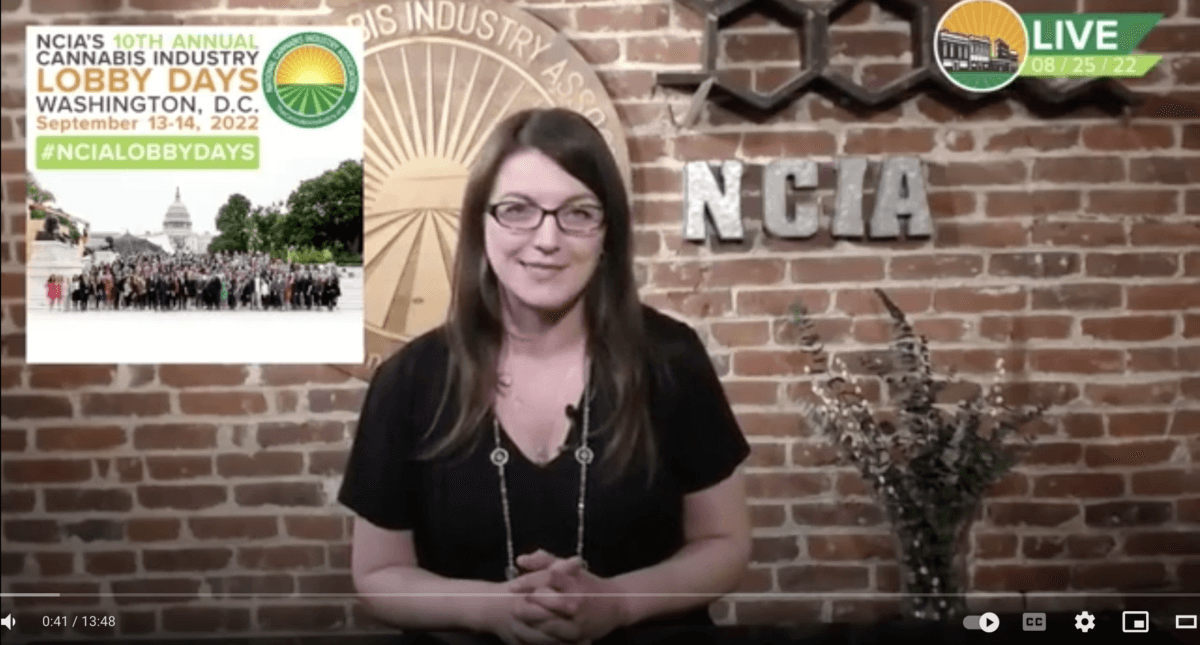
NCIA Director of Communications Bethany Moore checks in with what’s going on across the country with the National Cannabis Industry Association’s membership, board, allies, and staff. This week Bethany is joined by NCIA CEO Aaron Smith to talk about the importance of having your voice heard on Capitol Hill at our upcoming 10th Annual Cannabis Industry Lobby Days on September 13-14. Join us every other Thursday on Facebook for NCIA Today Live.
Although the concept of state-legal cannabis has been around in some shape or form since 1996, cannabis remains illegal to consume in most public places. In other words, legal cannabis consumption remains relegated to back alleys, derailing efforts to “normalize” cannabis use. Tourists visiting popular cities where weed is legal are caught in the unenviable Catch-22 of being able to purchase, but not publically consume, the product. And those who attempt to use cannabis in public still face criminal penalties in some states, with minorities three times more likely to be targeted for arrest, perpetuating racial disparities at a tremendous social cost.
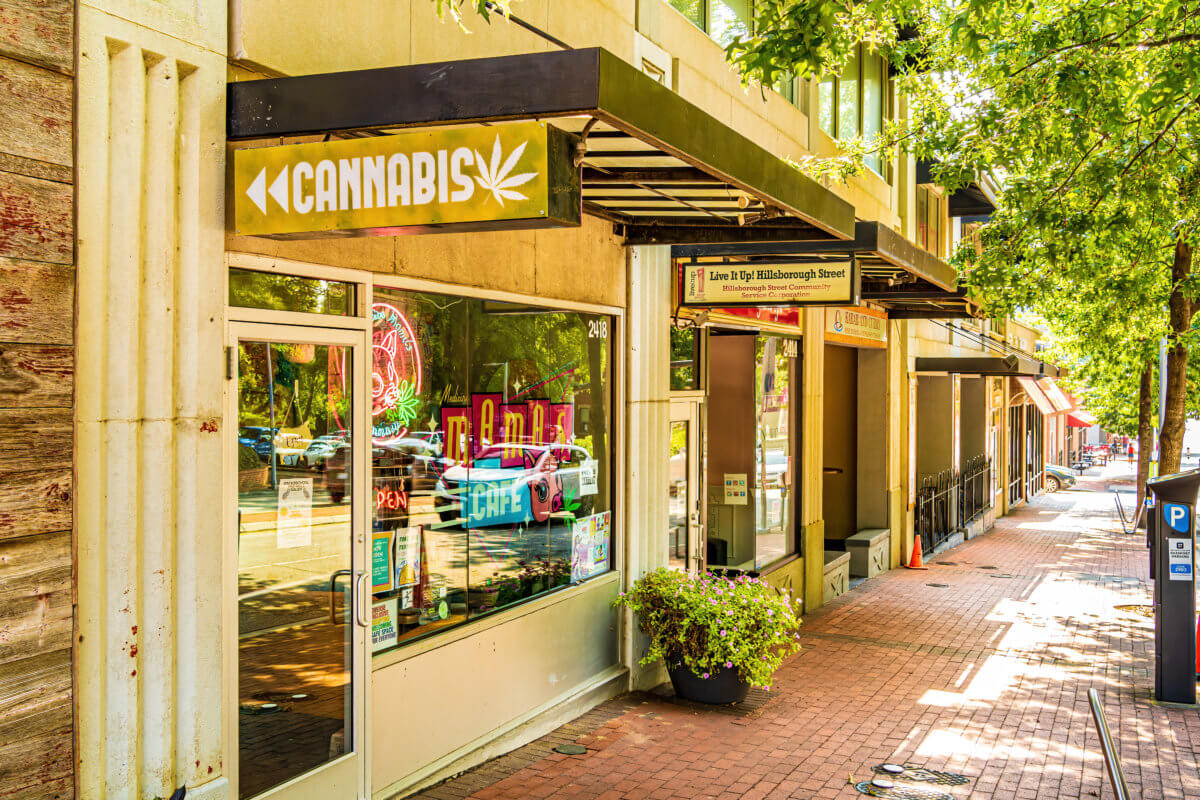
Enter the cannabis lounge. Cannabis lounges — also known as “consumption lounges,” cannabis cafes, or some variation on that theme — are in simplest terms the cannabis equivalent of a bar or restaurant. Depending on state and local regulations, lounges offer users the chance to congregate in a public place and smoke a joint, try out a $500 gravity bong, or sip on a cannabis drink. With any luck, consumers may enjoy their cannabis with a snack or dinner, but mixing with alcohol is typically not allowed.
As with any “new” risks, some cities, states, and insurers are… concerned. Despite some obvious tax and social benefits, detractors cite a host of reasons to prevent lounges from coming to a city near you, including at the forefront: fears of public nuisance (odors, theft, and disruption) and overconsumption — especially because most states insulate cannabis cafes from liability for harm caused by obviously intoxicated or underage users, unlike dram shop laws for alcohol.
As another NCIA member recently pointed out, even in states that do allow cannabis cafes, regulatory bodies continue to struggle with how to shape the laws and regulations governing lounges to afford adequate consumer protection while allowing businesses to thrive. Moreover, without a better understanding of the regulatory landscape, some insurers — whose business model hinges on the ability to accurately price a risk — may be unwilling to play in this new cannabis lounge market.
A Sampling of State Approaches to Cannabis Lounges
Alaska led the country in 2019 in licensing on-site consumption. A handful of states and localities have followed Alaska’s guide, and more are anticipated to join this year, including Michigan and New York. We compare a few regulatory schemes below and also consider the impact of dram shop legislation on risks faced by the industry.
California
California, governed on the state level by the Medicinal and Adult Use Cannabis Regulation and Safety Act, delegates to localities the right to open consumption lounges. Put simply, cities have to affirmatively “opt in” to allow lounges. With a few contingencies — including that patrons must be 21 or older and no alcohol or tobacco can be sold on premises — “a local jurisdiction may allow for the smoking, vaporizing, and ingesting of cannabis or cannabis products on the premises of a” licensed retailer. SeeBPC § 26200(g).
To date, only a few localities have opted in to allow cannabis lounges, including San Francisco, Oakland, and Palm Springs. West Hollywood, in efforts to create an epicenter for canna-tourism, plans to allow up to 16 lounges within its jurisdiction. Because state law provides little regulatory guidance for lounges, localities generally provide more specific guidance. As an example, West Hollywood’s local municipal code requires security guards on site, as well as within a two-block radius surrounding the business during operation, and allows the sale of cannabis to an individual “in an amount reasonable for onsite consumption.” West Hollywood Municipal Code §5.70.041. Only one lounge is currently open in West Hollywood, the Artist Tree’s Studio Cannabis Lounge, which offers not only lounge access but cannabis yoga, live music, and comedy shows, along with a revolving selection of local art. The Woods, another West Hollywood dispensary with a soon-to-open courtyard lounge space, is also slated to open in 2022.
Although California law significantly limits third-party liability for alcohol-related accidents, it does not afford cannabis owners the same protection. For example, California Civil Code §1714explicitly states that furnishing alcohol “is not the proximate cause of injuries resulting from intoxication,” which has essentially absolved bars, restaurants, party hosts, and most others of potential liability for selling or furnishing alcohol to customers and guests with an exception for liability arising from the furnishing of alcohol to an “obviously intoxicated minor.” SeeCalifornia Business & Professions Code § 25602.1. Without similar protections for cannabis lounges, injured parties could attempt to sue under a negligence theory if a business or employee serves an intoxicated patron who causes harm.
Colorado
As of January 1, 2020, local jurisdictions in Colorado can opt-in to the state’s cannabis hospitality business license regime (Colo. Rev. Stat. § 44-10-609), and as of March of 2022, the City of Denver has approved cannabis hospitality businesses for operation. Denver operators include the first social equity applicant in Denver approved for a hospitality license, the Tetra Lounge, although from its website Tetra Lounge’s website describes itself as “a private lounge,” requiring a monthly or annual membership fee and a liability waiver to gain access.
As to dram shop liability, although Colorado law authorizes damages against a licensee for willfully and knowingly selling or serving alcoholic beverages to a visibly intoxicated person, the Colorado Legislature caps liability at $150,000 (Colo. Rev. Stat. § 12-47-801 (3)(II)(c)). This damages cap improves (i.e., reduces) the ISO hazard grade, resulting in the improvement of insurance options available for liquor liability. The legislature has not adopted the same or a similar damages cap on liability for cannabis consumption establishments.
Nevada
In June 2021, Nevada’s Governor signed Assembly Bill 341 into law, authorizing the Nevada Cannabis Compliance Board (“CCB”) to license and regulate consumption lounges across the state, subject always to local approval. The State plans to issue up to 65 lounge licenses (40-45 for lounges attached to existing dispensaries, 20 for independent lounges) with 10 reserved for social equity applicants.
Most recently, on June 28, 2022, the CCB voted to unanimously approve a host of regulations for cannabis consumption lounges. Nevada’s extremely detailed state regulations prohibit the sale of “single use cannabis products” with more than 3.5 grams of “usable cannabis” and 10 mg of THC for edibles; prohibit the removal of any cannabis products from a lounge; require a mitigation plan for impaired driving and detailed employee training for overconsumption; and require consumer education and warnings to customers, among other things. As with other states, Nevada allows local jurisdictions to prohibit consumption lounges and to implement more stringent regulations than state law.
Unlike other states, however, Nevada law carves out protections for cannabis lounge operators just as it does for alcohol. Nevada law already protects businesses that serve or sell alcoholic beverages from injuries inflicted by an intoxicated person. And while any person who knowingly furnishes an alcoholic beverage to any person under 21 years of age is guilty of a misdemeanor, the law provides only for criminal penalties, not civil liability. The Nevada Supreme Court has repeatedly refused to impose responsibility on vendors selling alcohol absent a legislative provision. SeeSnyder v. Viani, 885 P.2d 610 (Nev. 1994) (holding consumption is the proximate cause of alcohol-related injuries and dismissing the negligence claim against a tavern owner for alcohol service). The same rules will apply to cannabis operators.
Illinois
Over two years after full legalization of adult-use commercial cannabis in Illinois, cannabis lounges in Illinois are still relatively rare, with the first Chicago-area marijuana consumption lounge opening on April 20, 2022. Like other states, the State of Illinois does not directly license lounges, but it allows local governments to opt in.
Illinois creates a cause of action against sellers for injury by an intoxicated person. § 235 Ill. Comp. Stat. 5/6-21. The standards for liability under the Illinois dram shop law include: (1) sale of alcohol to any person who, while intoxicated, causes injury, and (2) any person owning, renting, leasing, or permitting the occupation of any building or premises with knowledge that alcoholic liquors are to be sold therein, severally or jointly, along with the person selling or giving liquor. In Illinois, the Dram Shop Statute provides the exclusive remedy for alcohol related injuries. See Charles v. Seigfreid, 65 NE.2d. 154 (Ill. 1995). The Statute also provides stringent limitations on recovery of damages. There is no equivalent in Illinois for cannabis entities.
The Takeaway for Business Entities and Insurance Providers
As with cannabis law generally, lounge operators face a patchwork of state and local regulations that vary tremendously by jurisdiction. In most places, cannabis lounge owners are not protected by dram shop/gram shop laws that otherwise insulate bars and restaurants from liability for overconsumption. This means that companies must be vigilant in protecting themselves from liability by instituting compliance and risk-management procedures.
In some instances, such as California’s West Hollywood, which has far fewer safeguards and guidelines than Nevada, operators are largely left to their own devices in implementing adequate risk transfer and risk management, compliance, employee training, and consumer education to limit risk of liability. While the West Hollywood municipal code requires lounges to limit cannabis sales of cannabis “in an amount reasonable for onsite consumption,” the “reasonableness” standard is rife with ambiguity and could lead to disputes regarding liability and assumption of risk if a patron overconsumes.
Evaluating and preventing overconsumption and intoxication will be particularly difficult for cannabis when: patrons have varying experience levels with cannabis; products can be sold in more than a single serving, and no specific consumer education is required. Thus, even in locations that have more stringent regulatory oversight, companies would be wise to consult with experienced counsel and consultants to avoid or limit potential risks associated with regulatory uncertainty, civil liability, and government penalties for non-compliance.
This brings us full circle to the question of insurance. Even in the states that allow consumption lounges, very few insurance companies provide coverage for on-site consumption (although some do). If an exclusion prohibits coverage, the company may not have coverage for important and sometimes catastrophic events, such as property damage by fire, theft/robbery, cyber events, sexual harassment or discrimination claims by employees or others, and bodily injuries to, or caused by, patrons (on and off premises).
Most existing property, general liability, products liability, and other insurance policies — including those written for the cannabis industry — expressly exclude coverage for on-site consumption or bodily injury caused by intoxication. In fact, some existing cannabis insurance companies include a “health hazard” exclusion in their policies, which exclude coverage for any bodily injury arising in any way from the use of cannabis, including any health injury. Cannabis insurance policies may also exclude coverage for intentional or illegal acts, which some insurers may try to apply to any claim involving cannabis on the basis that the sale of cannabis violates federal law (the Controlled Substances Act), even if it is state legal.
For current licensees that are planning to open an attached or adjacent consumption space, current insurance policies may not cover injuries arising in the lounge space. Further, any failure to identify a change in business type could prompt an insurance carrier to deny coverage for subsequent claims based on a theory of misrepresentation.
In closing, cannabis owners should attempt to negotiate separate and/or broader coverage that carves out coverage for their cannabis-related activities, including on premise consumption, with their current insurer or seek to obtain coverage from a different carrier. Experienced insurance coverage counsel can assist with identifying reputable insurance brokers and negotiating policies that provide such coverage. Because of the limited options, companies would be wise to begin the process of identifying experienced insurance coverage advisors at the beginning of their licensing journey.
Video: NCIA TODAY – Thursday, March 10, 2022
NCIA Deputy Director of Communications Bethany Moore checks in with what’s going on across the country with the National Cannabis Industry Association’s membership, board, allies, and staff. Join us every other Thursday on Facebook for NCIA Today Live.
Member Blog: Will 2022 Be the Year for Cannabis Consumption Lounges?
Key Questions & Considerations for Those Looking to Ride the Next Big Wave
In the ever-evolving and fiercely competitive cannabis industry, consumption lounges (a.k.a. social or smoking lounges) are generating big buzz. Innovators and proponents for their legalization see it as a prime opportunity to better compete in a saturated market, attract new customers and grow market share. Opponents throw up a heap of red flags, including drugged driving, crime, and the health risks associated with smoke exposure.
Whether this new retail business model blows up in 2022 or not is anybody’s guess. Nevertheless, our industry must prepare for this next big wave in cannabis consumption. As an insurance broker who specializes in the cannabis industry and works with a wide variety of cannabis, hemp, and CBD businesses in every state where marijuana laws are established, we’ve done a deeper dive into the opportunities, and risks versus rewards for businesses looking to ride the potentially next big wave in cannabis.
The Opportunity
The concept of a cannabis consumption lounge is nothing new, really. Similar to a bar that serves alcoholic beverages, consumers at least 21 years of age can not only purchase flower, edibles, etc. from a budtender but also consume these products in a social gathering place. Amsterdam’s “coffee shops” serve as the inspiration and model for cannabis innovation in the U.S. In the Netherlands, however, coffee shops operate in a legal grey area with their products being supplied by an entirely underground cultivation market. Of course, here in the U.S., the burden falls on individual states since marijuana remains illegal at the federal level.
Analysts predict cannabis consumption lounges will be a budding business in states where recreational and/or medical marijuana is legal. This emerging business model is particularly attractive to states with more mature cannabis laws, like California and Nevada. Alaska became the first U.S. state to allow consumption lounges in 2019 and Nevada is the latest to announce plans for the first state-sanctioned lounges by mid-2022. In all, seven states including the aforementioned, as well as New Jersey, New York, Pennsylvania, and Illinois, are forging ahead with their plans to allow for consumption lounges in 2022. These states will likely serve as a blueprint for other states as their popularity grows.
Risks versus Rewards of Cannabis Consumption Lounges
State regulatory bodies are grappling with how to develop, implement and enforce the rules surrounding social consumption lounges. For example, what will the laws around consumption lounges look like? How will business mitigate the myriad of risks? From an insurance perspective, will there be a need for new products? Should coverages be similar to Bar/Restaurant/Lounge insurance (DRAM Insurance), as both types of businesses face similar risks?
They will also need to carefully address questions and concerns about public health implications. Could public consumption spaces cause people to over-consume? Will there be limits on how much cannabis a person is allowed to consume at a lounge in one visit? What is a “single serving” of cannabis anyway? These are all questions surfacing to the top.
Many see the potential benefits of licensed social consumption lounges as ways to curb the illicit market, regulate public consumption, ensure consumption in a safe space and bolster the economy. A “Designated Consumption Establishment License” is particularly attractive to entrepreneurs looking to enter the cannabis market, but aren’t interested in growing, processing, or operating a traditional dispensary. Furthermore, cannabis consumption lounges are particularly attractive for their potential to attract tourism dollars. The masses of tourists buying cannabis products in states that have legalized recreational marijuana have nowhere to smoke it legally — not on the sidewalk and not in their hotel rooms.
What Lies Ahead?
In order for the cannabis industry to continue to thrive and expand, new retail models must be considered. We believe it is highly likely that social consumption lounges will become increasingly common, especially in major U.S. cities with legal adult-use cannabis programs.
If you’re thinking about opening a cannabis consumption lounge, it’s important to stay on top of your state’s specific laws since they do vary from state to state and are likely to change and evolve. It’s equally important to make sure you have the right insurance policies in place. Many insurance companies have exclusions in their policies that prohibit onsite consumption, meaning your lounge would not be covered if an unexpected event like a theft, fire, data breach, product defect, accident, or any other type of lawsuit occurs. It’s important to examine your current policies and make adjustments, if necessary. It all boils down to the THREE P’s: being “Proactive, Prepared and Protected.”
Eric Rahn, Managing Director of S2S Insurance Specialists, is a highly specialized insurance broker and risk management professional with over 30 years of experience providing C-Suite executives strategies and solutions that protect and safeguard their businesses.
A graduate of Babson College School of Entrepreneurial Studies, Eric has held several executive positions in the maritime and casino/gaming industries, including CEO of the largest privately own casino concessions company operating on cruise ships around the world. Eric transitioned his knowledge of corporate business practices in highly regulated industries into the burgeoning cannabis space, establishing S2S Insurance Specialists in 2017.
Eric has served on the National Cannabis Industry Association’s (NCIA) Risk Management Insurance Committee since 2016. He is also a national speaker on cannabis insurance and author of NCIA’s Risk Management and Insurance’s “Introduction into Cannabis Insurance.”
Equity Member Spotlight: Exspiravit LLC
This month, NCIA’s editorial department continues the monthly Member Spotlight series by highlighting our Social Equity Scholarship Recipients as part of our Diversity, Equity, and Inclusion Program. Participants are gaining first-hand access to regulators in key markets to get insight on the industry, tips for raising capital, and advice on how to access and utilize data to ensure success in their businesses, along with all the other benefits available to NCIA members.
Tell us a bit about you, your background, and why you launched your company.
My name is Michael Webster, and I am the Founder & Managing Member of Exspiravit LLC, a licensed Michigan cannabis company. I earned a bachelor’s degree from the Harvard Extension School in Liberal Arts, and a master’s degree in Composition and Rhetoric from New York University. As a native New Yorker, I tried to wait patiently for cannabis legalization at the state level, but Michigan represented a unique entry point to the regulated market.
Like many NYC kids, my introduction to cannabis occurred at an early age. It was part of the local culture. However, it wasn’t until my late teens that I indulged. And it was even later, when my mom – a fierce cannabis advocate – was diagnosed with breast cancer, that I was introduced to the medicinal benefits of cannabis. I went on to write my graduate thesis on this very topic. From there, I embarked on my cannabis career path.
I launched Exspiravit for a myriad of reasons, not the least of which was to access a burgeoning market that held such promise for the creation of generational wealth. But as a frontline victim of the war on drugs – a simple possession charge of less than a gram of cannabis that temporarily derailed my academic pursuits – I saw an opportunity to educate and destigmatize this amazing plant, that, up until about 80 years ago, had been a staple commodity in human society.
What unique value does your company offer to the cannabis industry?
We are currently deploying our Cannabis Event Organizing license for consumption events throughout the state of Michigan – both large and small – while we raise capital for the build-out of our solventless extraction lab. We believe in clean plants and derivatives and are working closely with the Cannabis Certification Council on securing the “made with organic flower” seal. The event organizer license has proven the perfect complement to our other ventures, as it has allowed us to redefine what “an event” really is, and to take our show on the road. We also offer consultancy to other social equity and small operators, with a focus on regulatory compliance, helping to share what we’ve learned on our journey.
What is your goal for the greater good of cannabis?
When it comes to our company values, Exspiravit advances a unique position on social equity. For far too long, social equity has been considered a gift or non-transactional offering. We at Exspiravit believe equity – social or otherwise – is earned and therefore OWED. Most current social equity initiatives in the cannabis industry broadcast messages of handouts and favors. This is the wrong message. When accessing the equity in your home, or other assets, neither you nor the bank treats those transactions as gifts. Social equity represents a debt owed from those who have weaponized their racial or class privilege to monetize a commodity market that was built on the willful destruction of black, brown, poor white, and otherwise marginalized communities. Debts are owed. Debts are to be paid. And their payment represents the satisfaction of an obligation and not a benevolent gesture.
Quite the opposite, those tapping equity are claiming what is rightfully theirs. Again, equity is earned, accrued, developed, and owed, but certainly not to be asked or begged for. Exspiravit plans to use its voice to correct this adversely impactful interpretation of social equity, in hopes of realigning access to resources in the regulated cannabis sector. In addition to our work on the social equity front, Exspiravit’s goal for the greater good of the cannabis industry is to advance the for-purpose market. We believe that flower and euphoria only represent the tip of the iceberg when it comes to products and outcomes. We envision an ultra-specific and ultra-targeted market that features purpose-driven derivatives for a highly informed consumer.
What kind of challenges do you face in the industry and what solutions would you like to see?
Like many social equity cannabis operators, accessing capital has been our greatest challenge. And this challenge is intrinsically linked to our greatest criticism of social equity initiatives –- the lack of social equity funding. For social equity applicants, the process can be grueling. And for those of us who make it through to licensure, being greeted on the other side by predatory investment opportunities exacerbates our challenges. Social equity initiatives MUST feature a robust social equity fund. Without it, social equity operators are being positioned for failure. Diversion of existing tax revenue or special taxes levied against large and multi-state operators can easily address these challenges. Too, we would like to see more collaboration than competition. Regulated cannabis markets should be rolled out in ways that foster greater opportunities to collaborate. Support for collectives, and other similar strategies, are low-hanging fruit when it comes to solutions.
Why did you join NCIA? What’s the best or most important part about being a member of the Social Equity Scholarship Program?
We joined the NCIA for a variety of reasons. Firstly, it was accessible. Through its outreach, the NCIA met us where we were and provided us a robust package of resources that weren’t intended to lure us into paid membership, but rather to help us stand up and be able to recognize the benefits of such association. You can’t effectively inform a starving, homeless, injured person until you have fed, housed, and rendered aid to them. And that appears to be the NCIA’s philosophy – meet the immediate, pressing needs of social equity operators, positioning them to then effectively and efficiently access industry resources. The perfect example of this strategy is NCIA’s decision to offer one year of complimentary membership to social equity operators, including access to the national and regional conventions. The value here, to one’s first year of operation, is immeasurable. These events have provided the opportunity to forge important and lasting connections with other industry stakeholders that have made all the difference for us. Without question, we would not be enjoying such forward progression without the genuine efforts of the NCIA.
States Still Leading The Way, With Some Stirrings In Congress
By Morgan Fox, NCIA’s Director of Media Relations
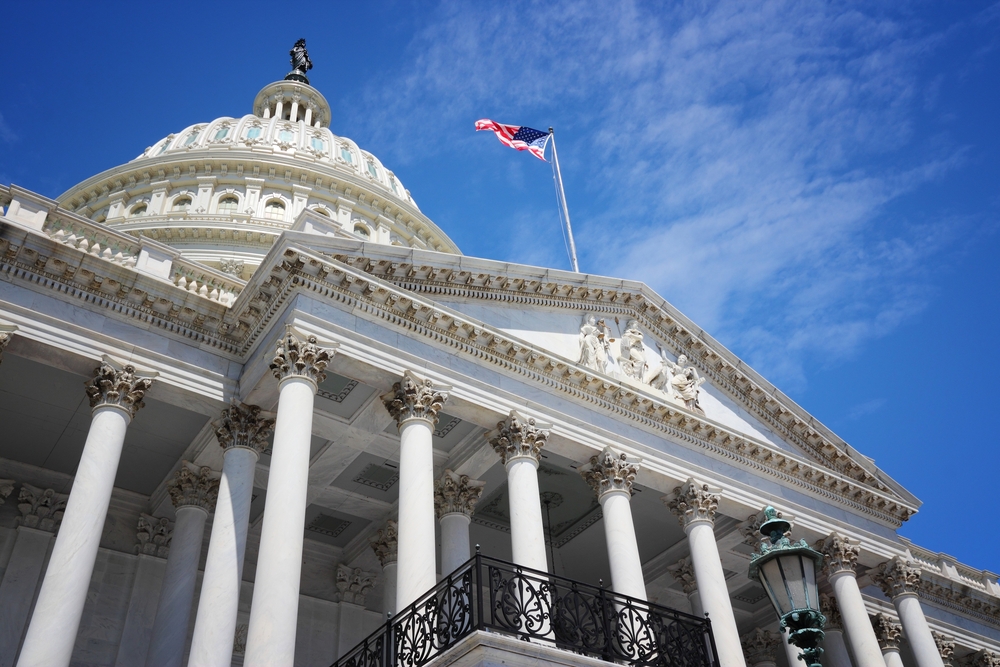
As has been so often true in the history of cannabis policy reform (but is starting to change with your help), the biggest news and progress made this week is at the state level. After a long and arduous legislative session, Connecticut lawmakers approved an adult-use bill, which Gov. Lamont signed on Tuesday!
The new law makes adult possession of up to 1.5 ounces legal and will establish a regulated licensing system. Half of all licenses are reserved for social equity applicants, who will also be able to access training, technical assistance, and startup funding. Limited home cultivation will be permitted in stages (medical first, then adults), and limited social consumption will not just be allowed – it will be mandated in municipalities with more than 50,000 residents.
Let’s put this in a national perspective. If you do not include all the years of foundation-building, activism, and lobbying that go into changing cannabis laws, it took two years for voters to approve adult use in the first four legal states starting in 2012. At that time, passing such laws through elected representatives was unheard of. Now in 2021, four state legislatures have approved adult-use bills in the first six months of the year! We’ve come a long way in terms of state policy reform and momentum is only increasing, but we still have a long way to go.
Now let’s move to Congress, where things tend to move a bit more slowly but are nevertheless picking up speed.
Earlier this month, NCIA endorsed the Drug-Impaired Driving Education Act. This bill, introduced by Reps. Kathleen Rice (D-NY) and Troy Balderson (R-OH), would provide grants and resources to states and organizations to engage in evidence-based impaired driving education. NCIA supports this bill because impaired driving is a serious issue that is most effectively combatted through early and consistent educational outreach, which this legislation promotes to the exclusion of unscientific per se limits and unproven chemical testing technology.
In somewhat related news, a massive transit bill is now awaiting a vote in the House of Representatives after recently passing a key committee. This legislation contains a number of provisions related to impaired driving education, the most important cannabis-related item is a provision that would allow researchers to access and study cannabis products that are available to consumers in state-legal markets rather than depend on federally-approved sources. While the DEA has announced that it will begin granting research production licenses to applicants – many of whom have been waiting for years for approval – there is currently only one legal federal cannabis source, and researchers have consistently complained that it is practically useless due to poor quality and contamination.
Moving on to the SAFE Banking Act, Senate sponsors Jeff Merkley (D-OR) and Steve Daines sent a letter to Banking Committee Chairman Sherrod Brown (D-OH) and Senate leadership urging them to take up the bill for consideration as soon as possible. After overwhelmingly passing in the House in April with a bipartisan vote, the bill has been awaiting review in the upper chamber, with some Democrats wanting to wait until a more comprehensive bill is introduced there.
Advocates and congressional supporters are eagerly awaiting the introduction of that legislation from Senate Majority Leader Chuck Schumer, who has been working closely with Sens. Ron Wyden (D-OR) and Cory Booker (D-NJ) since announcing that this effort would be a priority early this year.
The Senate has quite a bit on its plate at the moment, but we expect things to keep ramping up over the coming weeks and months. Stay tuned!
Member Blog: Growing Beyond THC – Terroirs and Terpenes Are The Future Of Premium Cannabis
I’m a serial entrepreneur and my roots in Napa Valley run deep. I’ve been a cultivator in this beautiful terroir for over 40 years, initially as a wine guy from a family of growers and makers, and now as the Co-Founder and CEO of a premium seed-to-sale cannabis company. I see a lot of similarities between wine and cannabis, comparisons that paint a bright, accessible, and profitable future for our industry.
Wine + Cannabis Offer Interesting Comparisons
Both are agricultural products that are highly regulated, though cannabis far more so given the industry is still in its infancy. 40 years ago, when my family started in the wine business they experienced similar business challenges, or as I like to call them – opportunities.
Like wine, cannabis comes in a variety of strains and formats. Also, like wine, cannabis is extremely well suited to the growing conditions of California’s terroirs, especially those where I live in Northern California. If you think about the wide variety of wine varietals – Cabernet, Pinot, Sauvignon Blanc, Rieslings, and so on – there is an even greater variety of cannabis strains – Lemon Sour Diesel, Double Chem OG, Budzilla, Bogota Berry, etc. There is something for every palette, which pre-legalization, I am not sure many people really paid attention to. This is all to say, that just as there are many different ways to enjoy wine depending on your tastes, your budget, or your intentions and preferences, the same is true for cannabis.
There’s so much more. If you’ve ever had a great wine or even a decent wine, you know that there are all these flavors and aromas that layer on each other and evolve over time, interacting in different ways to create this wonderful sensory experience that’s both about taste and smell. The same goes for cannabis. Premium cannabis is as complex as the most complex wine. Both wine and cannabis contain terpenes and it’s the variety of different terpenes in each of them that determines the flavors, aromas, and overall experience. Coming from wine, this is something I understand and I think as people explore cannabis without the stigma of prohibition, they will begin to seek out terpene-rich strains, just as they now seek out complex wine profiles – perhaps unknowingly given how wine is such a normalized product in today’s society.
Of course, there are obvious differences between cannabis and wine. The plants themselves are very different. One’s an annual plant and one’s a perennial vine. But, they both produce very similar compounds that make the sensory experience of their flower and fruit so much richer.
Let’s Talk Terpenes
You’ve probably been hearing a lot more about terpenes lately. They’re kinda the new ‘it’ thing in our industry. Terpenes are organic compounds in plants responsible for the unique smells and tastes of your favorite plants, flowers, and fruits. Most people don’t know this but with both wine and cannabis, most of what you think you’re tasting is actually what you’re smelling. It’s these terpenes that give your favorite wines and cannabis strains their signature scents.
Some of them overlap — there are some of the same terpenes in both cannabis and wine grapes like limonene and myrcene. And then there are some terpenes that are more unique to one plant or the other. But it’s the same compounds and so coming out of wine, it was such a natural thing for me to say, I’m not in this to build the strongest, highest-THC-get-you-wasted product. I wanted to develop something that honored the terroirs I’ve come to know and love. A premium product offering, with the same wonderful components of the wines I’ve been creating and the same rich variety of flavor profiles as the grapes I’ve been growing for all these years.
As chemicals go, terpenes offer delicate but very distinctive aromas but they are volatile and, if you’re not careful, will disappear quite quickly. You have to work to maintain them to keep them from evaporating from your flower as from your wine. Taking the time and care to capture and preserve these aromas and flavors that are truly unique to each strain and varietal makes for a much richer experience than the extreme high that some people chase, the cannabis equivalent of Night Train. With cannabis, quickly harvesting the flower and getting it into a temperature and humidity-controlled drying room helps maintain these volatile compounds as does the way you cure and store the flower after the initial drying. In wine, we preserve the terpenes with careful barreling and bottling.
The best way to enjoy terpenes is to use a flower vaporizer. Just heating it up enough to release everything without burning it and without burning rolling paper that covers up the subtle aromas of the terpenes.
Outdoor Growing Enriches the Final Product
The cannabis plant has been growing outside for millennia and our hypothesis at Napa Valley Fumé is that growing outdoors creates a wider range of terpenes and a richer, more nuanced consumption experience. A plant, like a human being, is a holistic entity, it’s a being of a sort. If you took a person — like in The Truman Show — and never let them outside, what would that do to that being?
In truth, we don’t really know what indoor growing does to the plant. But what I think is that these plants are meant to be grown outside. That’s where they do their best. They have to contend with elements that make them stronger, and other factors like pests, which over time create resistance, again making them stronger. They are also receiving full-spectrum sunlight that changes each day of the year. As the year goes on, the color spectrum starts to vary. It is bluer in the spring and redder in the fall. So while I get the efficiency of indoor growing, I believe that all of these environmental elements together with the heating during the day and cooling at night and the fact that different growing regions have different climates and terroirs, you get the best, most interesting plants when you grow outdoors.
Terroir: As Important to Cannabis as They are to Wine Grapes
Terroir is a great word because it’s not just about one element, it’s about everything in a given place. The altitude, the soil, the mineral content of the water, the directional exposure to the sun. In Napa where we’re based, the terroir is affected by the fog that comes up from the Bay. We measure the temperature days over the course of the whole growing season, assessing the total heat that the plant received. All of these things contribute to the terroir and the terroir informs and enriches the sensory experience of the resulting fruit and flower.
Plants, whether you’re talking about grapes or cannabis, will perform differently in different terroirs and will express themselves in different, nuanced ways. For me, this suggests a bright future for sun-grown cannabis with a wide variety of strains each displaying the unique signature of their terroir. The same seed grown across different terroirs expresses really differently, resulting in a distinct profile in the flower and an enhanced consumption experience.
Bottom Line: Terpenes, Terroirs, and Outdoor Growing Paint a Bright Future
This plant has so much to offer and is so expressive. While there’s a place for both indoor and outdoor, it seems to me that the most expressive form of this plant, with the most interesting aromas and flavors, comes when you grow in the full spectrum of sunlight outdoors. To attain the same rich variety in your cannabis experience as you do with wine, you want to do it outdoors, you want to tend them for the greatest terpene expression, you want to pick your strains at the beginning for that. Optimizing for terpenes doesn’t just have a flavor effect, it also shapes the psychoactive effect of the flower. The right terpenes and compounds can make the resulting high sleepier or more energetic, as well as providing other health benefits that are currently supported by anecdotal evidence and will likely be born out in the research that is currently underway.
As with the trajectory of the wine industry, we believe that educating consumers about terpenes and terroirs and offering them a wider variety of products and consumption experiences, will expand the category, creating a bright future for all of us. I’m excited and encouraged by articles like this one from Wine Magazine that suggest that we’re on to something.
Eric Sklar is an entrepreneur, Napa Valley vineyard owner and public official. He and his family have been growing grapes in Napa Valley for 40 years and he planted his first licensed cannabis garden in 2018. Eric is the CEO and co-founder of Napa Valley Fumé, LLC, a cannabis management and branding company that has launched brands such as LAKE GRADE with a few others in the works. He is also the co-founder of the Napa Valley Cannabis Association and the President of California Fish and Game Commission, a position he has held since 2016.
In 2005, Eric founded Alpha Omega Winery in Rutherford, CA and was managing partner until 2013. He’s held positions on the Board of the Napa Valley Vintners, as well as Napa Valley Vintners’ Community and Industry Issues Committee. In 1989, he founded Burrito Brothers’ Inc., a restaurant chain based in Washington, DC, which he sold in 1999. Eric was also an adjunct professor at Georgetown University’s School of Business where he taught courses in entrepreneurship, business strategy and marketing. He has held several other political positions including Assistant Press Secretary to Vice Presidential candidate Geraldine Ferraro in 1984.
Eric received a Bachelor of Arts degree in Political Science at the University of California at Berkeley in 1984, a Diploma in Business Studies at the London School of Economics in 1986, and a Master of Business Administration at Georgetown University in Washington, D.C. in 1997.
Committee Blog: Trust In Cannabis – Why It Matters More Now Than Ever
As a country, the U.S. is experiencing what can best be described as the “age of distrust.” While public distrust in institutions has been escalating for at least a decade, according to the annual Edelman Trust Barometer which has tracked trust in media, governments, businesses, and nonprofits since 2000. Social unrest and a global pandemic have escalated this distrust. Never has the public eyed institutions or businesses with such suspicion.
Meanwhile, in our industry, the vaping crisis of summer 2019 hit our industry below the belt, aided by some bad actors knowingly flooding the illicit market with products that couldn’t meet stringent state testing. That crisis created a crisis of confidence in the overall cannabis industry-leading it into a bleak period which was only partially buoyed by the declaration that dispensaries were considered “essential businesses” during the COVID-19 pandemic, pro-cannabis outcomes in both voting booths and Congress, many thanks to NCIA’s national and local efforts. By supporting NCIA, you’re signaling industry commitment and that you value growing trust within the industry.
Now, against the national backdrop of distrust and a COVID-19 vaccine that offers a glimmer of hope, it’s time to evaluate ourselves and our industry’s actions. Never has it been more crucial for all brands, but particularly our industry, to lean into actions and communications which consistently and powerfully earn the trust of investors and consumers. As an industry, we’re on an important precipice, what we do next will either ensure our credibility or tarnish it for years to come.
Consumers (and therefore investors) are looking at brands in a more holistic manner. Trust will be the single most valuable brand attribute.
Trust is defined on two spectrums: competence and ethics.
For CEOs, CMO’s, and experts in our industry, the time is now to act and communicate from a place of authentically aligned communications. This alignment will require hyper levels of empathy and a constant pulse on the state of affairs affecting your customers. Consumer behavior is in flux now.
The COVID-19 pandemic has changed consumers and now is the time for brands to align. According to the Edelman Barometer special report, Brands Amidst Crisis:
The role of brands in reflecting the consumer’s desire to be viewed as a tastemaker or trendsetter has decreased 9%
Up 38% is spending time with family
86% of consumers expect brands to solve both societal and personal problems, including proper treatment of employees and making product in a domestic market
The only values more important than trust to consumers are price and quality
Because consumer behavior is in flux, it’s never been more important to ensure internal and external values and communications align. Ironically, ensuring alignment supports the flexibility needed to respond quickly to changing behaviors or unexpected upheaval.
Aligned communications means we act internally and externally in a consistent and emotionally intelligent manner that earns trust. It’s not just good for our industry, trust in brands has very real bottom-line implications including increased sales, increased investor opportunities, and reduced customer acquisition costs. In fact, according to Edelman Trust Barometer, high trust consumers have 75% more brand loyalty.
Outstanding packaging and even quality products are the minimum expectations for today’s brands. But even those choices come under scrutiny from consumers if they don’t mirror consumer expectations and lifestyle. Therefore, earning trust starts at the very beginning. The earliest choices are powerful signals to consumers about brand values.
It isn’t enough to simply sponsor a campaign or align with a social movement. While those choices can be powerful quivers in your trust arsenal, it feels and sounds hollow when the brand is suddenly thrusting itself into a conversation without looking at itself first. Consumers are increasingly aware of “trust washing.”
92% of employees expect their employer’s CEO to speak up for issues ranging from income inequality to diversity and training for future jobs. An aligned trust-based strategy starts on the inside. Take a solid look at the ethos and ethics within your own company.
What are your company’s values?
What do you stand for?
How do you signal trust internally and how do you reward it?
Does your internal communication stand for your values?
The reason this internal step is critical is no matter what, your brand ethos is distilled into consumer interactions and communication, whether those communications are with dispensary workers or directly to the consumer, the experience will always stay with the brand. Imagine a dispensary worker making recommendations to a new-to-cannabis buyer, naturally, the dispensary worker has a huge amount of influence on the consumer’s impression of a new brand. And new-to-cannabis buyers are most likely to be loyal to their first brand, assuming the product meets expectations.
Personal experience is the number one way to build trust with consumers. 59% of customers say personal experience matters the most.
What consumer interactions signal trust?
How do you manage poor reviews?
How do you handle customer inquiries?
How does your owned media reflect not only your brand values but those of your customers?
Personal experience is absolutely about product experience and brand interactions. Brand interactions at events will take on more importance in cannabis. Consumers will want to engage in an experiential way with cannabis brands and it won’t be at cannabis events exclusively, consumers will expect to see cannabis brands in all the same places they see alcohol brands, even if sales and sampling aren’t available, which means experiences will need to be multi-sensory and strongly personal. Choose your experiences carefully based on your brand audience and ethos.
Earned media is second only to personal experience incredible trust-building. During the COVID-19 pandemic, trust in publications increased by 7%. Brands should look for opportunities in earned media that reflect their values. Branded content is another area where brands can use the credibility of publications.
Experts are still considered credible sources (52%) and they far surpass celebrities (35%) and influencers (36%). As you consider brand strategies in 2021, take a careful look at who you’re leveraging and what role they play. Choose your experts carefully and ensure they are fully vetted. NCIA’s Marketing and Advertising Committee is developing an “experts directory” of carefully vetted industry professionals, this will be a key resource not only to event organizers, but CEOs and CMOs looking for credible, authentic experts.
Our industry has so much to offer consumers, we provide very real opportunities for consumers to enhance their lives. We have been active on numerous social justice fronts from the very beginning. We may come from a historical place of rebellion, but often, even that rebellion came from a place of empathy and not just income. Consumers today are responding to companies who double down on trust and an aligned brand value system. There’s every reason to think the cannabis industry can do this better than anyone. Together, let’s lean into our values and seed trust not just in our companies, but in our industry.
*All statistics come from Edelman Trust Barometer 2020, unless otherwise noted.
Tara Coomans is the CEO of Avaans Media (formerly known as Primo PR), which has been working with hemp and THC brands and services since 2015 from startup through IPO. Founded in 2008, Avaans Media brings a digitally forward and purpose-driven perspective to public relations. Avaans Media is based in Los Angeles with clients and team members distributed around the country including Washington D.C., New York and Denver.
Coomans is on NCIA’s Marketing & Advertising (MAC) committee and leads the MAC Experts Directory subcommittee for 2021. Coomans is a frequent writer and speaker on public relations, marketing, and social media topics.
NCIA Committees: Spring 2020 Update On Achievements And Projects
NCIA’s member-driven committees are an opportunity for individuals from NCIA member companies to get directly involved in specific industry issues and sectors. These volunteer-driven efforts engage members’ expertise and passion to drill down in those areas to effect change, provide professional development opportunities, and develop best practices and guidelines that will shape the future of our industry.
We recently checked in with these various committees to learn more about what they’re up to and what projects they’re working on this term. Get updated on their activities below.
Risk Management & Insurance Committee (RMIC)
The RMIC has recently contributed to several NCIA white papers and educational webinars. They are currently working on an insurance manual. The committee has divided into sub-committees responsible for managing white papers, webinars, and the manual.
Scientific Advisory Committee (SAC)
SAC’s vision is to disseminate educational materials to NCIA members on scientific topics in the cannabis industry and to advise on other NCIA initiatives, ensuring that any formal recommendations produced are scientifically sound, sustainable, and legitimate. This term, SAC published a blog discussing why everyone should know about the endocannabinoid system.
SAC is working on other pieces addressing topics such as the recent vape illnesses from a physician’s perspective, indica versus sativa designation, how cannabis can help the opioid crisis, common scientific myths confusing the industry, and budtender and consumer education about the endocannabinoid system.
SAC is also developing a webinar that discusses what should be on a label, how to read a label, and how to associate what’s on a label with either statements on efficacy or marketing/branding.
Cannabis Cultivation Committee (CCC)
The committee has recorded two podcast episodes for NCIA’s Cannabis Industry Voice Podcast. The first was a Cultivation Best Practices Roundtable, hosted by Noni Goldman of the CCC. In that episode, Cody Hitchcock of Smokey’s 420 and James Cunningham of Fog City Farms were interviewed to shed light on their different growing styles and techniques, focusing on the ways that they implement sustainability in their operations.
The second soon-to-be-released interview was with High Times’ new CEO Stormy Simon, and was hosted by CCC Chair Mo Phenix and member Noni Goldman. This interview explored Stormy’s history and how she got to where she is today, as well as what High Times is up to, and where Stormy sees the industry going.
More podcasts to come in the next couple of months from the CCC! Keep an eye out for an episode or two on regenerative agriculture.
Packaging & Labeling Committee (PLC)
The PLC sub-committees have each contributed to a blog or presentation up to this date. The Sustainability sub-committee has worked with Kaitlin Urso and team in regards to their White Paper. A panel discussion proposal has been submitted for future NCIA conferences.
NCIA’s Northeast Cannabis Business Conference in Boston (February 2020) Panel Discussion on the Future of Cannabis Packaging went great!
State Regulations Committee (SRC)
NCIA’s State Regulations Committee has continued to produce content to help educate and inform members on the latest developments in the world of state regulation of cannabis. As the industry’s law and regulations change quickly across the country, the SRC members stay ahead of the curve and share their insight in a variety of forms. These projects include panel presentations at NCIA conventions, published blogs, and interactive webinars. In this quarter, they published three blogs, produced one webinar, presented on two panels, and participated in an NCIA summit.
As the committee strives to keep everyone updated on burgeoning legal topics, the SRC committee presented a webinar on Michigan, a newly regulated market. The webinar provided information on this key Midwestern state, “Michigan’s Adult-Use Market – What Comes Next?”
Conferences:
SRC members also traveled from across the country to share their expertise on panel sessions at NCIA’s Northeast Cannabis Business Summit in February 2020 in Boston.
The Social Equity Sub-Committee leaders, Erin Fay, Chris Jackson, and Margeaux Bruner provided helpful insight during their session, “What You Need To Know For Winning Applications and Successful Operations That Promote Diversity and Inclusion.”
Sean Donahoe and Gabriel Cross of the SRC’s Interstate Commerce Sub-Committee presented on the issues surrounding interstate commerce and strategies for preparing for this anticipated change in the cannabis industry.
Also, SRC members participated in the NCIA’s summit about tackling the illicit market.
The State Regulations Committee is excited about its work and continues to stay knowledgeable about the ever-changing legal and regulatory landscape. Their projected work includes a webinar on the Illinois adult-use market and a wide range of written projects. Stay tuned!
Banking & Financial Services Committee (BFSC)
The committee’s vision is to provide the NCIA member base with current and actionable information related to Banking and Financial Services in the State legal cannabis industry.
They have implemented monthly newsletters for the member base and have been extremely active in response to the proposed federal legislation regarding banking and the cannabis industry.
Human Resources Committee (HRC)
The Committee’s vision is to provide best practices in all disciplines of Human Resources to NCIA members. They have worked on a couple of blogs this year around the recent reduction in force trend and will be releasing a few blogs providing some recommendations for how cannabis employers can navigate CV-19 when it comes to their workforces.
The HR Committee is working on a very exciting case study. They are looking forward to releasing the first few modules of it this summer!
Marketing & Advertising Committee (MAC)
The MAC coalesces the talents of 20 of the industry’s top-tier marketing and communications professionals around three focus areas: Education, Advertising Access and 2020 political goals. The committee uses their personal, professional and business skills and networks to help build a responsible, legal cannabis industry. The committee is producing best practices, webinars, workshops and social media campaigns to aggregate and generate support from NCIA members, the public, media, government and business leaders.
The MAC Education Subcommittee has focused its energies on developing a Speakers/Expert Directory with a goal to launch by year-end.
The 2020 Subcommittee has created its first infographic covering Oklahoma’s 2020 ballot initiatives; infographics for additional states with legalization initiatives on the ballot this year will follow soon.
The Advertising Access Subcommittee is adding more states (as they come online) to their overarching list of “Do’s and Don’ts” for compliant cannabis advertising. Those are pending editing and legal review and will be published on the NCIA website soon thereafter.
The committee is also working on upcoming webinars including “Advertising Best Practices.”
Cannabis Manufacturing Committee (CMC)
The Cannabis Manufacturing Committee is focusing on reviewing existing business practices and state regulations of concentrates, topicals, vaporizers, and edibles ensuring the manufacturing sector is helping shape its destiny.
They are also working on their second publication, “Facts About Current Good Manufacturing Practices (cGMPs) And Their Role In The Cannabis Industry” which will be a resource for essential businesses.
In addition to the work the CMC is carrying out, they are collaborating with other committees to help create an NCIA resource library.
The CMC Testing sub-committee is working on writing blogs about “Positives of Testing” (from the operator’s view), and “Nomenclature: Cannabis Nomenclature Register” for publication.
Retail Committee (RC)
Members of the Retail Committee attended NCIA’s Northeast Cannabis Business Conference in Boston in February 2020 to participate in an educational panel on Retail 101. The committee has an upcoming webinar in April: “Retail: Tips and Best Practices” which will include 4 panelists that are currently license holders or working in licensed dispensaries in 3 different states (CO, CA, WA), and will also address some tips and best practices for the current CV-19 climate.
Facilities Design Committee (FDC)
Committee member David Vaillancourt of The GMP Collective appeared on NCIA’s weekly podcast, NCIA’s Cannabis Industry Voice, in February 2020 to discuss GMPs (Good Manufacturing Practices) in an episode titled “Revolutionizing How Cannabis Producers Achieve Success.”
Committee Blog: California Social Consumption Leads the Way
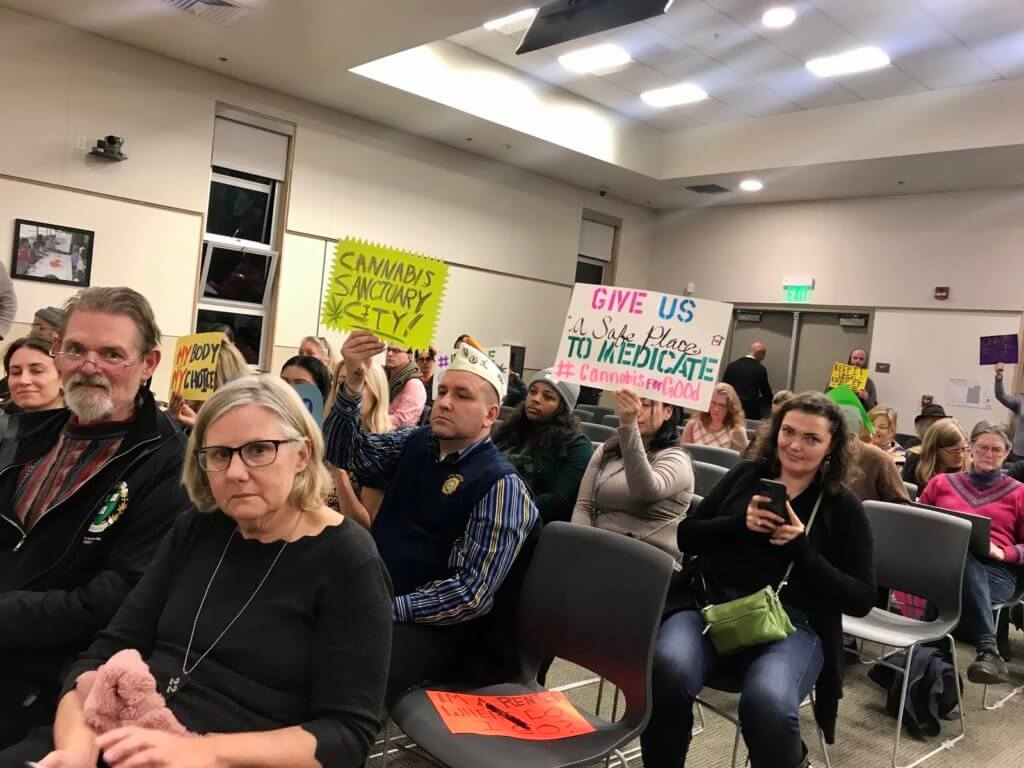
It was January 28, 2020: It’s a full house at the Berkeley City Council meeting, with comprehensive changes to the city’s marijuana regulations on tonight’s agenda. The biggest issue, with supporters of both sides attending, is the vote to consider legalizing cannabis consumption at specially designated licensed dispensaries.
The proposal to allow smoking, vaporizing, and consumption of edible goods is supported on one side by a phalanx of marijuana advocates and dispensary operators, and on the other side, it’s the city Health Department and Berkeley’s famously NIMBY neighbors. This conflict runs deep; cannabis users want dignified, legal facilities where they can gather and use marijuana, and several dispensary neighbors and the health department want this idea squashed, full stop.
Fact is, people have long gathered together to share cannabis, as shown by an extensive recorded history of use. This spans from ancient Sumerians, who built huts and vaporized cannabis on burning coals inside, to underground marijuana smoke-ins in the 70s and 80s, to now, where cities are licensing legal cannabis consumption facilities for adults.
California is helping lead the United States consumption lounge movement. For example, California’s Bureau of Cannabis Control (BCC) regulations (Section 5025) explicitly contemplate the possibility of consumption lounges, stating that “this section shall not be interpreted to prohibit cannabis consumption on the premises of a licensed retailer or licensed microbusiness authorized to engage in retail sales,” as long as they are locally licensed and approved.
The state law also created Temporary Cannabis Event Licenses, where onsite consumption is allowed at festivals like the High Times Cannabis Cup and the Emerald Cup. Yes, with city or county and state permission, it is possible to throw your cannabis dream event, but there are a limited number of locations in only a handful of places that allow these uses (including my hometown, Oakland). This makes it hard to get these licenses, and the costly and complicated regulations are hard to meet once you have one. Anyone hosting a Temporary Cannabis Event can expect to interact closely with the BCC regulators, who will surely attend to ensure compliance.
Cannabis consumption facilities are nothing new in California. They have long existed, ever since Dennis Peron opened his first dispensary in San Francisco in the early-1990s. His famous location on Market Street was five stories high, literally, as each floor contained tables, couches, and chairs where patrons could hang out and consume cannabis. When the Compassionate Use Act of 1996 passed, collective dispensaries started opening across the state, despite federal illegality and the occasional raid because of it (Dennis was raided by the feds and forced to close in 1998).
I opened my first cannabis consumption lounge at Berkeley Patients Group in 1999, which was long before it was legal to do so. This was under the cover of tolerance provided by Proposition 215; after all, not even dispensaries were actually made legal by this groundbreaking initiative. That didn’t happen until the state legislature passed the aptly named SB 420 in [year], after which most cities grandfathered in their existing cannabis dispensaries. (Not all, though. Some municipalities used this transition as an excuse to ban dispensaries, or to close existing ones, during long periods of regulatory contemplation.) Berkeley allowed onsite consumption until the early 2010s, when the local regulatory processes changed. Hence, the City Council vote tonight to decide the fate of onsite consumption here once again.
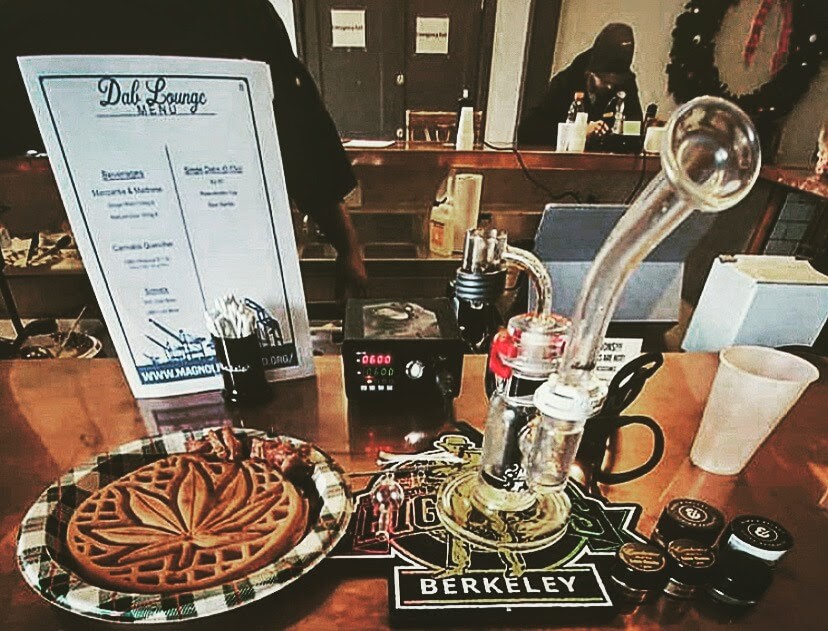
Now, I own Magnolia Wellness dispensary in Oakland, where local regulations have allowed cannabis consumption at specifically licensed dispensaries since 2017. Magnolia’s Dab Bar and Vapor Lounge was the first legal consumption lounge in the East Bay. We have café style tables, a gorgeous full, copper top bar, glass dab rigs with e-nails, Vapexhale and Volcano vaporizers, and a variety of tasting events where people can try samples. Unfortunately, Oakland’s dispensary law only allows vaping, edibles, and topicals, limiting smoking to additionally permitted outdoor patios, none of which currently exist. (Full disclosure: I also co-own Hi Fidelity dispensary in Berkeley, too.)
San Francisco, on the other hand, has more than a dozen shops where cannabis smoking, vaping, and edibles consumption are all allowed. SPARC, one of the first lounges in the city, has tasteful tables and chairs right in the main dispensary, where volcano vaporizers can be used onsite. Vapor Room, a few blocks away, is a smaller neighborhood joint, with a handful of seats for people to sit and enjoy smoking or vaping. According to owner Martin Olive, it was a costly HVAC system, at a near six-figure expense, that allowed his facility to host its cannabis smoking patrons. Moe Greens, the latest licensed lounge to open in the city, took four long years to get licensed, but is now a beautiful facility, with cushy booths for smoking and a counter service dab bar with top-of-the-line e-nails and dab rigs for patrons to use.
West Hollywood is the biggest news on the California consumption lounge scene, as the city recently licensed 16 facilities for on-site consumption. Half of these facilities will allow retail sales and consumption, while the others are allowed to sell only single-use items, designed to be consumed café style, while patrons are on-site. This plan has been controversial, though, because in issuing these licenses, the city took permits away from several of the long-existing dispensaries, re-issuing them to new operators. The ensuing lawsuits and legal battles will surely play out through 2020.
There is another big problem in West Hollywood: the state law does not match up with their rather forward-looking ideas for cannabis cafes. For example, cannabis cannot be blended into café food and served on the spot, as the city imagined when creating this law; Cannabis can only be sold pre-packaged and tested, per BCC regulations. Furthermore, state-licensed cannabis businesses are not allowed to sell anything but cannabis products (and a shortlist of branded items like mugs, lighters, and pipes). In other words, they can’t sell non-infused foods or beverages like coffee, soda, or tea (or, since we are talking West Hollywood, kombucha and smoothies).
Until state law changes, the plan is stuck in limbo, with facilities looking for creative workarounds to allow food and beverage service.
So, despite the West Hollywood ordinance passing in late 2018, only one facility has opened there, and even this has hit roadblocks. In fact, they recently re-branded after only a short time in business, from Lowell’s Café to the Cannabis Café, after a regulatory crackdown hit the Lowell’s brand hard. It remains to be seen when the other 15 cannabis lounges will open there.
Back in Berkeley, staff from the Health, Planning, Police and Economic development offices joined forces with the Berkeley Cannabis Commission to present the City Council with a comprehensive plan to update the city’s cannabis ordinance. Diverging opinions meant that the agenda contained competing proposals on several of the ten proposed ordinance changes, with the Cannabis Commission leading efforts to create progressive changes, and the Health Commission stuck on the old trope, “we need more research.”
Elizabeth Greene, City of Berkeley Senior Planner, explained to Council that these proposals have been in development since 2017, with the goal of expanding the rules to protect the entire cannabis supply chain, from seed to sale. This includes development of two new license types, cannabis consumption lounges and non-retail dispensary licenses.
“State law allows for consumption lounges as part of a retail license, as these are the only facilities open to the public,” Greene says. “Currently, consumption lounges are not permitted in the City of Berkeley.” Her presentation made it clear that city staff recommended cannabis lounges be permitted, despite the worries of the Health Commission, whose representative commented that “legalization is new,” despite that cannabis sales have been regulated by the city for around 20 years.
Long time senior advocate, and ICANN dispensary owner, Sue Taylor spoke eloquently in support of the proposal to allow lounges. “Seniors need a place to learn about cannabis, how to use it and dosing, and you could do that in a vape lounge. I can’t go into their homes, but I can provide this education at a lounge,” says Taylor. “It’s not like a bar; at a bar, you just get sicker. A vape lounge helps people.”
Ultimately, the City Council agreed. By 11:30 PM, Mayor Jesse Arreguín called the vote, with the Council unanimously approving the entire proposal. Supporters filled the room with cheers, and long-time advocates like myself reflected on the fact that, yes, hard work and determination do pay off. Together, we may just end prohibition, once and for all — and have some fun, too.
This site uses cookies. By using this site or closing this notice, you agree to the use of cookies and our privacy policy.

 By Jodi Green, Miller Nash LLP; Shay Gilmore, The Law Office of Shay Aaron Gilmore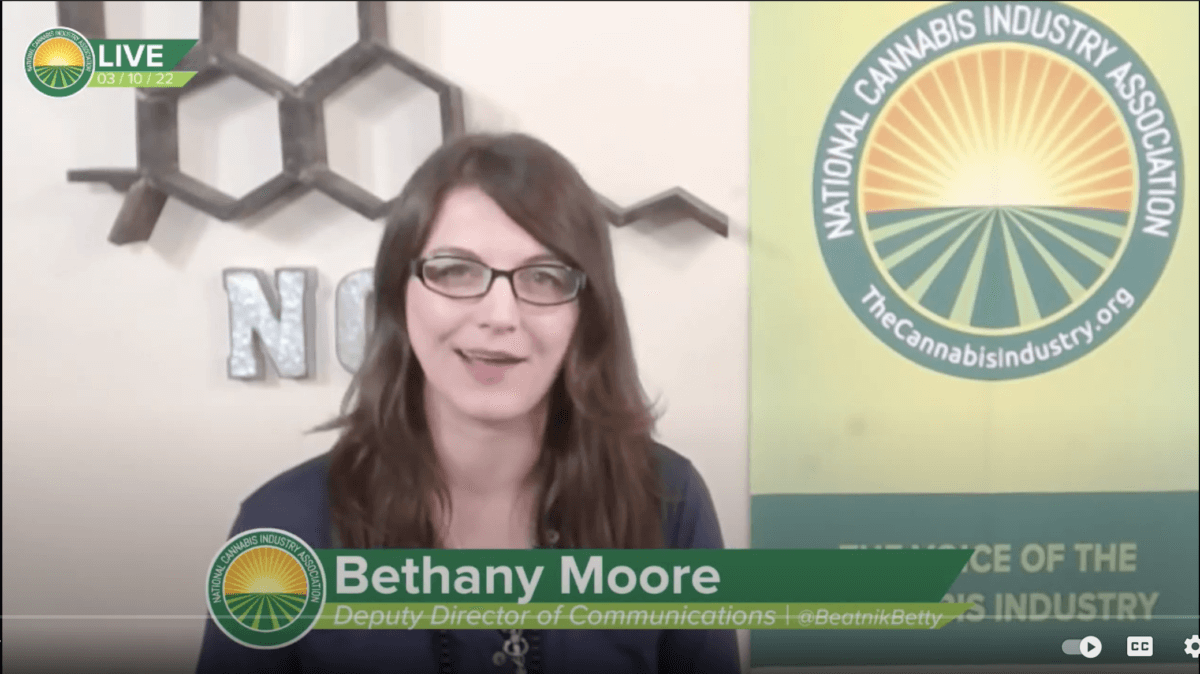
 Eric Rahn, Managing Director of

 My name is Michael Webster, and I am the Founder & Managing Member of

 By Morgan Fox, NCIA’s Director of Media Relations
 Eric Sklar is an entrepreneur, Napa Valley vineyard owner and public official. He and his family have been growing grapes in Napa Valley for 40 years and he planted his first licensed cannabis garden in 2018. Eric is the CEO and co-founder of
 As a country, the U.S. is experiencing what can best be described as the “age of distrust.” While public distrust in institutions has been escalating for at least a decade, according to the annual Edelman Trust Barometer which has tracked trust in media, governments, businesses, and nonprofits since 2000. Social unrest and a global pandemic have escalated this distrust. Never has the public eyed institutions or businesses with such suspicion.
  Tara Coomans is the CEO of