A potential U.S. Central Bank Digital Currency (CBDC) represents one of the most disruptive technologies on the horizon for the financial world, with profound implications for the cannabis industry. While a “digital dollar” could theoretically solve the industry’s payment rail issues overnight, it also introduces significant threats related to privacy, data security, and direct federal oversight, creating a high-stakes dilemma for cannabis businesses and the institutions that bank them. However, recent developments have fundamentally altered this landscape, particularly the January 2025 Executive Order 14178 halting U.S. CBDC development and ongoing progress with cannabis banking legislation.
Current State Analysis
The conversation around a U.S. CBDC has evolved dramatically from academic theory to active research, most notably through the Federal Reserve’s collaboration with MIT on “Project Hamilton,” which completed its Phase 1 research in February 2022. However, in January 2025, President Trump issued Executive Order 14178, explicitly prohibiting federal agencies from “undertaking any action to establish, issue, or promote a CBDC” and revoking previous digital asset policies. This makes the United States the only major economy to halt CBDC development through executive action. Despite this policy shift, understanding the potential impacts of CBDCs remains relevant, as policy positions can change with administrations, and other countries continue rapid CBDC development that could influence global financial systems. For the cannabis industry, banking challenges persist despite the executive order. The core issue remains the industry’s reliance on private-sector workarounds. Fintechs and banks have invested heavily in BSA/AML programs to manage the risks of handling cash deposits.
Legislative Developments
Simultaneously, significant progress has occurred with cannabis banking legislation. The SAFE Banking Act evolved into the SAFER Banking Act (S.2860), which passed the Senate Banking Committee with a bipartisan 14-9 vote and awaits a Senate floor vote. This legislation would provide safe harbor protections to financial institutions serving state-legal cannabis businesses, potentially resolving many banking challenges independent of any CBDC considerations. Additionally, cannabis rescheduling efforts at the federal level could fundamentally alter banking access. While rescheduling alone wouldn’t resolve all banking issues, it would reduce regulatory burden and risk perception for financial institutions considering cannabis banking services.
Regulatory Landscape
The introduction of a CBDC, if policy were to reverse, would create a direct and unavoidable conflict with the Controlled Substances Act (CSA). Every transaction involving a CBDC would be recorded on a central ledger managed by the Federal Reserve, raising critical policy questions about privacy versus surveillance. The Federal Reserve’s previous white papers presented various models, from anonymous, token-based systems (similar to cash) to account-based systems that would link every transaction to a verified identity. If the U.S. were to adopt an identity-based CBDC in the future, the federal government would have a real- time, unalterable record of every dollar spent at every state-licensed dispensary in the country.
Alternative Pathways
With CBDC development currently halted, the cannabis industry must focus on alternative pathways to banking normalization:
1. Legislative Solutions: Continued advocacy for the SAFER Banking Act and similar legislation that would enable traditional banking services.
2. Existing Compliance Frameworks: Further investment in robust compliance programs under current FinCEN guidance, which remains relevant despite policy shifts.
3. Private Sector Innovation: Development of alternative payment solutions that can operate within current regulatory frameworks.
4. State-Level Banking Solutions: Some states are exploring state-chartered banking options specifically for cannabis businesses.
Key Takeaways
• The January 2025 Executive Order significantly altered the U.S. CBDC landscape but hasn’t resolved cannabis banking challenges
• The SAFER Banking Act represents the most immediate potential solution for cannabis banking issues
• Banks should continue investing in current compliance technologies rather than waiting for CBDC or legislative solutions
• The cannabis industry must actively engage with multiple parallel policy debates that impact banking access
• Privacy concerns remain central to any digital payment solution for the cannabis industry, whether government or privately issued
• Cannabis rescheduling efforts represent another potential pathway to improved banking access independent of payment technology development
California Cannabis Regulations: From Policy to Practice | Policy Matters | 02.08.24
Illuminating California’s Cannabis Regulations: Insights from Industry Leaders
Welcome to the fourth edition of our esteemed Policy Matters series, where we embark on a journey through the intricate landscape of California cannabis regulations. This series, made possible by the collaborative efforts of the National Cannabis Industry Association (NCIA) and its dedicated Policy Co-Chairs, Khurshid Khoja of Greenbridge Corporate Counsel and Michael Cooper of MadisonJay Solutions, serves as a beacon of insight and discourse in the ever-evolving landscape of cannabis regulation.
Building upon the foundational discussions initiated by our previous editions, this installment shines a spotlight on California’s pioneering strides in cannabis policy. In this blog post, we’ll delve deep into the dialogues and revelations shared during the recent webinar broadcast hosted by the NCIA, exploring the multifaceted dynamics of policy-making and enforcement in one of the nation’s most influential cannabis markets with Nicole Elliott, Director of the California Department of Cannabis Control.
Brian Gilbert, Deputy Director of Events and Education at NCIA, set the stage for the discussion, emphasizing the importance of dialogue and collaboration in navigating the complexities of California cannabis regulations. With California serving as a focal point, the webinar delved into the multifaceted aspects of cannabis policy and enforcement.
Understanding Cannabis Policy in California & Journey to the Role
Kicking off the conversation by recognizing the pivotal role of Nicole as one of the longest serving and most experienced cannabis regulators in the country, Khurshid & Michael expressed gratitude for her contributions to the industry. Nicole then shared her journey from local government to cannabis regulation, highlighting her commitment to social justice and equity. Her firsthand experiences with the criminal justice system underscored the importance of inclusive policies and community engagement in shaping regulatory frameworks.
An emphasis was placed on the significance of California’s regulatory evolution from a pioneering medical marketplace and its impact on industry inclusivity and diversity. From supporting legacy operators to promoting market stability, California’s regulatory efforts have paved the way for innovative initiatives like the Appalachians of Origin program, reflecting a commitment to equitable industry growth.
Enforcement Strategies and Real California Cannabis Campaign
Throughout the conversation, Nicole emphasized the importance of aggressive enforcement strategies to combat the illicit market effectively. California’s Unified Cannabis Enforcement Task Force spearheads enforcement efforts, targeting illegal activities such as labor trafficking and environmental contamination. The introduction of the Real California Cannabis campaign aims to shift consumer purchases to legal markets, fostering accountability and consumer safety.
Commitment to Social Equity and Compliance
At a pivotal moment, Nicole Elliott acknowledged historical inequities in the cannabis industry, advocating for initiatives beyond licensing solutions. Fee waivers and promising practices are key components of California’s social equity programs, promoting inclusivity and supporting operators from marginalized communities.
With consumer safety at the forefront, the Department of Cannabis Control prioritizes compliance and transparency in enforcement actions. Operators must adhere to regulations to ensure product safety, with penalties imposed for non-compliance. Transparent enforcement actions empower operators to uphold regulatory standards and foster consumer trust.
Challenges and Opportunities, Partnerships and Collaboration
The influx of hemp-derived cannabinoid products presents regulatory challenges at the federal and state levels. Collaborative efforts between regulators and industry stakeholders are essential to address public health concerns and ensure regulatory compliance. Federal rescheduling efforts and cultivator regulations further underscore the need for adaptive regulatory frameworks that prioritize consumer safety and industry viability.
The webinar highlighted the importance of partnerships and collaboration in addressing regulatory challenges and fostering a safe and thriving cannabis market. Organizations like the Cannabis Regulators Association (CANNRA) play a pivotal role in facilitating dialogue and sharing best practices among regulators and industry stakeholders.
Curtains Drawn: Reflecting on Insights, Looking Forward to Action
As we draw the curtains on yet another insightful edition of our Policy Matters series, we extend our heartfelt gratitude to our readers, esteemed speakers, and the unwavering guidance of NCIA’s Policy Co-Chairs, Khurshid Khoja and Michael Cooper. Their steadfast commitment to fostering dialogue and collaboration has been instrumental in shaping the discourse surrounding cannabis regulation and policy.
To delve deeper into these discussions and gain comprehensive insights on California cannabis regulations, we encourage you to view the complete recording of the webinar on our YouTube channel. There, you’ll find a wealth of information and perspectives from our esteemed speakers, shedding light on the complexities and opportunities within the California cannabis regulatory landscape.
From the corridors of Maryland to the rugged landscapes of Maine, and the vibrant markets of Michigan and California, each edition has illuminated the diverse spectrum of regulatory frameworks and industry dynamics shaping the cannabis landscape. As we eagerly anticipate future editions, let us continue our pursuit of knowledge, empathy, and innovation, forging a path towards a more equitable and prosperous cannabis industry for all stakeholders involved.
California Stakeholder Summit: Bridging Policy and Practice
We hope you’ve made plans to join us for our California Stakeholder Summit, taking place later this month on Thursday, February 22nd in Sacramento, CA. This event promises to be a pivotal moment for stakeholders across the California cannabis industry as we convene to explore topics including proposed state legislation affecting hemp-derived cannabinoid products and the impact of federal rescheduling on state-legal markets.
Nicole Elliott will be speaking on a panel alongside Congresswoman Barbara Lee (D-Oakland) and moderated by NCIA Director of Government Relations Michelle Rutter Friberg. Together, they will delve into the complexities of federal rescheduling and its implications for California’s cannabis regulations and dynamic marketplace.
Join us as we bridge the gap between policy and practice, forging meaningful connections and driving forward progress in one of the nation’s most influential cannabis markets. Don’t miss this opportunity to be part of the conversation shaping the future of cannabis regulation in California and beyond. Register now to secure your place at the California Stakeholder Summit 2024.
How to Use Chat GPT to Automate Routine HR Tasks and Revolutionize HR
Human Resources professionals frequently find themselves juggling several jobs in the fast-paced business world of today, from hiring and onboarding to employee engagement and compliance. The good news is that Chat GPT, a game-changing tool, may assist HR teams in streamlining their processes and liberating critical time. With the help of this potent AI technology, mundane HR tasks may be automated, freeing up HR experts to concentrate on more strategic objectives. In this blog post, we’ll look at how to use Chat GPT to transform your HR department in an approachable and polished way.
The Chat GPT Revolution
The days of paper applications and manual record-keeping are long gone in the world of human resources. With Chat GPT, a new era of automation and efficiency is now being ushered in. Let’s explore Chat GPT’s definition and operation.
What is Chat GPT?
Chat GPT is a cutting-edge AI technology developed by OpenAI. It’s based on the GPT-3.5 architecture, which stands for “Generative Pre-trained Transformer 3.5.” This AI model has been trained on vast amounts of text from the internet, making it incredibly proficient in understanding and generating human-like text.
How does Chat GPT work?
Chat GPT is fundamentally a language model. It can comprehend text input and produce text output based on that input. It reacts to your inquiries or cues with text that is logical and contextually appropriate.
The secret to Chat GPT’s effectiveness is its capacity to anticipate the following word or phrase in a given text, depending on the input’s context. It accomplishes this by examining patterns and connections developed throughout its training. Chat GPT is a versatile tool for automating numerous HR processes because of its predictive power.
Automating Routine HR Tasks
We’ve gone over the fundamentals of Chat GPT; now, let’s see how you can automate daily HR tasks using it. Operations will be streamlined as you bid farewell to the laborious and time-consuming components of HR.
Resume Screening and Candidate Matching
The process of looking through resumes and selecting qualified candidates is one of the most time-consuming activities for HR professionals. You can automate the initial screening procedure or create screening questions with Chat GPT. The AI only needs a job description to swiftly scan and match resumes to the necessary credentials and abilities.
Employee Onboarding
A significant amount of paperwork and administrative work goes into onboarding new staff. Chat GPT can create customized onboarding materials, welcome emails, and give new employees important details about the business, culture, and policies. This guarantees that your new team members integrate seamlessly.
Answering Frequently Asked Questions (FAQs)
Employees frequently ask typical questions to HR departments concerning benefits, rules, and practices. The requirement for HR professionals to continuously respond to the same inquiries can be eliminated by programming Chat GPT to deliver rapid and accurate answers to these FAQs.
Scheduling Interviews and Meetings
It can be quite difficult to coordinate the calendars for meetings, interviews, and training sessions. By recommending open timeslots and distributing invitations on behalf of HR specialists, Chat GPT can eliminate the headache of scheduling.
Compliance and Policy Updates
It’s important to stay current with evolving HR legislation and regulations. By keeping track of regulatory changes and changing corporate policies as necessary, Chat GPT can assist HR departments in maintaining compliance. Additionally, it has the ability to notify staff members of significant policy modifications.
Setting Up Chat GPT for HR Automation
Now that you’re enthused about Chat GPT’s ability to automate HR duties, let’s talk about how to set it up successfully. Here’s a how-to manual to get you going:
Choose the Right Chat GPT Platform
There are numerous platforms that provide access to Chat GPT, including the OpenAI API and specific HR automation applications that use Chat GPT. Consider your alternatives carefully, and pick the one that best satisfies the requirements of your company.
Define Your HR Tasks
Determine which particular HR duties you wish to automate. Start with the tasks that require the most repetition and time. This might involve screening resumes, onboarding, responding to frequently asked questions, or any other process you think is amenable to automation.
Train and Customize Chat GPT
Chat GPT can be customized to comprehend HR-specific terms and procedures. By giving the AI model examples of prompts and replies linked to HR, you’re able to fine-tune it. This ensures that it produces accurate and contextually appropriate content.
Integration with HR Systems
Integrate Chat GPT with your current HR systems and applications to achieve seamless automation. This will give the AI access to employee details, timetables, and other pertinent data for efficiently completing work.
Testing and Monitoring
Make sure Chat GPT performs as intended by conducting extensive testing prior to implementing it fully for HR automation. To increase accuracy and effectiveness, regularly assess its performance and make any necessary improvements.
Benefits of Using Chat GPT in HR
You’ll immediately recognize the numerous advantages that Chat GPT for HR automation provides to your division and to your company as a whole as you start to adopt it:
Time Savings
The time that routine tasks take up can be freed up by automating them, allowing HR professionals to devote more of their time to strategic projects like hiring, training, and workforce planning.
Increased Efficiency
Chat GPT works around the clock ensuring that HR duties are finished on time and consistently. It doesn’t get tired, making it a dependable instrument for sustaining effectiveness.
Enhanced Employee Experience
By delegating administrative duties to Chat GPT, HR staff can concentrate more on delivering individualized support and a better overall experience for employees, which will increase employee satisfaction.
Scalability
Chat GPT may scale up with your business as it expands. Without the need for extra HR workers, it can manage an expanding workload, saving on hiring fees.
Cost Savings
The cost savings from automating HR tasks can be substantial due to lower personnel expenses and improved operational effectiveness. Both your HR department and the bottom line will benefit from this.
Overcoming Challenges
While Chat GPT offers immense benefits for HR automation, there are some challenges to be aware of and address:
Data Privacy and Security
Prioritizing data privacy and security is crucial when integrating Chat GPT with HR systems. Assure the security of sensitive employee data and compliance with applicable laws like GDPR or HIPAA.
AI Bias
Biases existing in the data can be inherited by AI models like Chat GPT. To maintain fair and equitable HR practices, be diligent in monitoring and minimizing bias.
User Adoption
Some workers might be reluctant to use AI for HR-related questions. To promote user adoption and foster confidence in the technology, offer training and assistance.
Regular Updates and Maintenance
AI models must be regularly updated and maintained in order to remain precise. Allocate the funds for ongoing development and adaptability to shifting HR requirements.
Adopting technologies like Chat GPT can be a game-changer in the constantly evolving field of HR. Routine duties can be automated so that HR professionals can concentrate on what is most important—people. With the appropriate tools in place, your department can lead the way in innovation and productivity in the promising future of HR.
It’s time to leverage Chat GPT’s potential and transform your HR processes. Say good-bye to the routine and hello to an HR department that is more strategic, effective, and fun!
How Compliant Tech Bolsters Cannabis License Application
Are you contemplating entering the burgeoning cannabis retail market? Whether you plan to open a dispensary in states that recently legalized recreational cannabis, like Maryland and New York, or any legacy states that are still awarding new licenses, the first and most crucial step towards success is ensuring that your cannabis retail license application meets all legal requirements. In this blog post, we’ll explore how compliant cannabis technology can be your guiding light and help you strengthen your license application, helping you navigate the intricate landscape of cannabis laws and regulations.
1. Grasping the Universal Elements in Licensing Requirements
The cannabis industry is a patchwork of regulations, with licensing requirements varying significantly from state to state. Yet, there are shared elements, such as legally binding sales limits, mandatory reporting to government agencies, and indispensable seed-to-sale cannabis product tracking. These commonalities are crucial, and you lay a strong foundation for your journey by understanding and adhering to them. Partnering with a reputed cannabis technology provider and using advanced cannabis software that automates all these requirements at your dispensary will demonstrate your commitment to compliance.
2. Mastering Cannabis Inventory Management
Effective cannabis inventory management is not just the key to your business’s success, it is also the linchpin to obtaining your cannabis retail license. Demonstrating proficiency in this area, including how you will accurately track and report inventory to your jurisdiction, is vital for compliance and regulatory adherence. With the help of the right cannabis inventory management system integrated into your cannabis POS, you can easily corroborate cannabis inventory requirements in your license application.
3. Ready-to-implement Tech Solutions for Key Challenges
If your chosen cannabis software provider provides multiple solutions, you can tackle the following essential aspects of your license application:
Cannabis POS Requirements: The right cannabis POS solution significantly reduces human errors and ensures precise product tracking. Incorporating it into your business shows your dedication to accurate compliance.
Automation for Compliance: Utilizing automated technology to oversee compliance matters, like reporting, purchase limits, and operational hours, underscores your commitment to regulatory conformity.
Local Tracking System Interface: Crafting a strategy for seamless interaction with the local state/provincial tracking system is imperative. This demonstrates your readiness to operate within the regulatory framework.
Peak Days Support: How the cannabis retail software you choose will support the busiest cannabis retail days of the year is an essential consideration. Being prepared for high-demand periods is a mark of a well-prepared dispensary business.
Customer Privacy & Data Protection: Developing a plan for safeguarding customer privacy and proprietary information at your dispensary establishment is critical for responsible and secure operation. With the right software, your customer data will always be secure, and your dispensary will remain compliant.
Multi-Location Inventory: For those with aspirations of business expansion, overseeing inventory across multiple locations is a strategy that can demonstrate your readiness for growth. This is where advanced cannabis software becomes even more crucial.
4. Tailored to Your State’s Regulatory Concerns
Cannabis technology can be customized to address the specific regulatory concerns of your state. Having technology that is adaptable to the nuances of your region is a key asset. This technology is your ultimate companion in navigating the complexities of regulations, helping you successfully secure your legal dispensary license and become a part of this rapidly growing industry. To ensure that your license application meets all dispensary tech and compliance requirements, download Cova’s Free Handbook, which is a great resource to help you submit a successful cannabis retail license application in your state.
Navigating the New Normal: A Regulator’s Outlook on Federal Momentum | 10.26.23 | Policy Matters
Welcome to the second edition of our new Policy Matters series, dedicated to unraveling the intricate world of regulatory and policy dynamics within the cannabis industry. In the previous edition of Policy Matters, we had the privilege of hosting Will Tilburg from the Maryland Cannabis Administration, who shared his perspectives into the strategic aspects of designing a thriving cannabis market while meeting regulatory standards. This month, we continue our exploration into the world of cannabis policy, focusing on the potential implications of federal cannabis reform and recommended preparations for various stakeholders, including regulators, industry players, and the public.
In this #IndustryEssentials webinar series, we aim to provide Main Street cannabis operators valuable insights from regulators, industry experts, and advocates to keep you informed about the latest developments and challenges in the ever-evolving cannabis landscape. This article provides a comprehensive summary of the discussions, speaker highlights, and key takeaways from the event, continue reading and view the full recording below.
John Hudak: A Transition from Academia to Public Service
Our guest speaker for October’s edition of “Policy Matters”, John Hudak, serves as the Director of the Office of Cannabis Policy in Maine, a role he took on after serving as a senior fellow at the Brookings Institution. His background is an interesting blend of academic expertise and hands-on experience in state government and he touched on how this transition reflects his strong commitment to public service and his desire to implement real-world policies.
Hudak emphasized the challenges of engaging with industry stakeholders and regulators, even from a state perspective. He highlighted the importance of good public policy that not only benefits the cannabis industry but also safeguards the well-being of the people of Maine. His insights underscored the need for a balanced approach in crafting cannabis policies that are in the best interest of all stakeholders.
The Significance of Cannabis Rescheduling
The recent rescheduling recommendations of cannabis was discussed as great momentum in the right direction on the path to federal cannabis reform. While it wasn’t expected to lead to full descheduling, rescheduling still represents a positive step forward. This shift in classification may offer some much-needed tax relief for an industry that has faced considerable financial challenges, especially for smaller businesses.
The change in cannabis classification may also prompt a reevaluation of state-level business deductions, aligning them more closely with federal tax codes. Additionally, it was noted that the optics of President Biden initiating the rescheduling process were noteworthy, given his history on drug policy. However, it was emphasized that federal legalization should only occur when the government is well-prepared to manage the potential repercussions to avoid any undesirable outcomes.
Congressional Challenges to Federal Cannabis Reform
Michelle Rutter Friberg, NCIA’s Director of Government Relations, joined the discussion this month, shedding light on the challenges related to congressional action or inaction in the context of federal cannabis reform. She raised concerns that Congress might view its work as done if rescheduling takes place and that the historical difficulty in reaching a consensus on various issues within Congress poses a potential threat to further federal cannabis reform.
Years of congressional inaction have led to market consolidation, impacting small businesses and creating disparities within the industry. These insights highlighted the inherently political nature of the current reform process. Michelle also mentioned President Biden’s campaign promise to reform cannabis policies, which continues to influence the ongoing debate.
Balancing Politics and Cannabis Policy
Khurshid Khoja, NCIA’s Policy Co-Chair & Co-Host of Policy Matters, contributed his perspective to the discussion, recognizing that rescheduling is indeed a positive step as it acknowledges the medical uses of cannabis. He emphasized that the cannabis industry would welcome any form of tax relief that may come with rescheduling. The speakers collectively explored the fears and expectations related to rescheduling and its potential impact on the industry. They also discussed the importance of cautious regulation and research-backed medical claims while stressing the importance of protecting small businesses and ensuring they are not left behind during the reform process.
John Hudak shared further insights into the importance of collaboration between federal and state regulators with the challenges of shared jurisdiction between federal and state authorities being highlighted, particularly concerning public health and safety. Hudak emphasized the need for guidance or regulations from the Food and Drug Administration (FDA) to provide clarity for both regulators and the industry. The benefits of standardization in labeling and packaging across states were also discussed, with an emphasis on reducing burdens for small cannabis businesses.
Hudak’s approach to preparing Maine for federal legalization differs from how other states might approach it. Rather than rushing to issue new rules or guidance based on assumptions, he emphasized the importance of crafting contingency plans. Such plans would allow states to be ready for various scenarios post-federal legalization, rather than being caught flat-footed. He explained that they are considering unknown, known, and nearly guaranteed aspects of federal legalization to ensure they are well-prepared.
Hudak cited the importance of labeling standards, as these are among the regulatory aspects that are likely to be implemented. Drawing from past experiences with federal reforms, such as the Affordable Care Act and HIPAA, he illustrated the significance of state preparation and the impact it has on successful implementation.
Audience Question and Opportunities for Industry Engagement
An audience question by Tucker Holland (principal of Blooming Member Entourage Cannabis, an Oregon infused product manufacturer) raised the necessity of federal descheduling leading to federal re-regulation. The question emphasized that states already regulate their individual markets, and there was interest in exploring a pathway where federal responsibility might be pushed to the states.
In response, the speakers discussed the complexities of the issue and the need for effective collaboration between state and federal regulators. While the specifics of such collaboration remain a work in progress, the role of state regulators remains pivotal in shaping the future of cannabis regulation.
Conclusion
In conclusion, the insights shared during this Policy Matters webinar shed light on the complexities and challenges associated with federal cannabis reform. From the significance of rescheduling to the impact of taxation and market consolidation, the conversations between the panelists highlighted the need for cautious and well-informed policies. The discussions also underscored the importance of industry engagement and active participation in shaping federal regulations. This is a pivotal moment for the cannabis industry, and it is clear that industry stakeholders have a role to play in influencing the path forward.
The journey towards federal cannabis reform is an ongoing process, and it’s imperative that industry stakeholders, advocates, and regulators work together to navigate the challenges and opportunities that lie ahead. With your commitment to informed and balanced policies, we can continue to move forward, fostering an environment that benefits all members of the cannabis community. Join NCIA today to be a part of this influential movement.
Watch the Full Discussion on YouTube
If you’re eager to dive deeper into this insightful conversation, we encourage you to watch the full webinar on NCIA’s official YouTube channel. This video provides an opportunity to absorb every detail, gain a comprehensive understanding of the issues discussed, and explore the valuable insights offered by our panel of experts.
The Path Forward
As the cannabis industry continues to evolve and adapt, staying informed and engaged remains crucial. Opportunities like the NCIA’s committee applications, industry events, and educational sessions provide avenues for individuals and businesses to get involved and make their voices heard.
Last month, we had the opportunity to gain valuable insights from Will Tilburg of the Maryland Cannabis Administration, shedding light on the challenges and successes of of launching an adult-use cannabis market in record time. This month, we’ve explored the critical topic of preparing for federal cannabis reform, its potential implications for various industry stakeholders and the nuanced aspects surrounding it.
Stay tuned for future editions of Policy Matters, where we’ll continue to tackle the most pertinent issues in the cannabis industry, providing you with valuable insights and fostering dialogue on the policies that shape the future of cannabis in the United States. Your voice in the development of common sense policy matters, and together, we can make a difference.
Welcome to the National Cannabis Industry Association’s (NCIA) insightful webinar recording, “Committee Insights: Where Risk Assessment Integrity Meets Policy.” Hosted by NCIA’s Cannabis Manufacturing Committee and originally broadcast on Tuesday, October 24th, 2023, this session provided a deep dive into the complex but critical intersection of cannabis industry risk assessment and policy development. This blog post will highlight key discussions and insights from the panel, offering a condensed overview of the critical issues explored during the webinar, continue reading and view the full recording below.
Comprehensive Risk Assessment for Vape Product Manufacturers
The panelists underscored the importance of thorough risk assessments for vape product manufacturers, especially in the highly regulated cannabis and hemp sectors. The conversation centered on essential areas of concern, including the potential for fraud, liability, and the significance of ingredient selection, particularly terpenes. Material of construction and employee safety were also key factors that were addressed.
Hardware Risks and Due Diligence
The webinar uncovered the risks associated with hardware components and vendors. It shed light on the due diligence required when introducing new vape products, which includes vetting hardware suppliers and partners. Addressing concerns related to shrinkage and theft was another significant aspect of risk management. Additionally, the panel stressed the importance of setting safety guidelines based on industry standards such as ASTM.
Safety Standards and Ingredient Considerations
The discussion dived into the implications of safety standards, especially ASTM, and their role in determining acceptable safety levels within the industry. The panel emphasized the importance of ingredient considerations, particularly in preventing E-cigarette or Vaping Product Use-Associated Lung Injury (EVALI). Risk assessment for ingredients was a major focus, as it plays a critical role in product safety and integrity.
Implications of Fraud and Counterfeit Products
A crucial point discussed was the far-reaching implications of fraud, counterfeit products, and negligence within the cannabis and hemp industry. The panelists delved into the legal considerations when unknowingly selling dangerous products. They also highlighted the industry’s ongoing struggle with counterfeiting and the need for robust prevention measures to protect consumers.
Regulatory Challenges and Industry Growth
The webinar touched upon the challenges of navigating regulatory environments for both regulators and operators. The panelists emphasized the need for striking a balance between regulation and innovation to ensure the industry’s growth while maintaining product safety. The conversation also addressed the evolving landscape of marketing and advertising regulations, emphasizing the need for clear guidance in these areas.
Essential Insights from Industry Experts
Learn more about our distinguished panel of NCIA member experts including hardware & product manufacturers, toxicologists, legal professionals and regulators each of which brought their unique perspective and insights to our comprehensive exploration.
This is the third of five in a multi-part series of #IndustryEssentials webinars. You can watch Parts I & II plus register Part IV & V at the links below.
Episode I – Committee Insights: Mapping the Vape Landscape: Where are We and Where Do We Go from Here?” – [Watch Here]
Episode II – Committee Insights: Cannabis Vaping – Avoid Being an Easy Target – [Watch Here]
Episode IV: Committee Insights: Cannabis Vaping – Beyond the Pen – [Date & Time TBD]
Episode V: Committee Insights: Dabinar Special Edition – Dabbing 101 – [Date & Time TBD]
For access to our full webinar recording archive, featuring 100+ episodes from five separate recurring series, head here.
Join NCIA and Be Part of Future Speaking Opportunities
If you’re eager to share your expertise and insights with our dynamic cannabis community, we encourage you to consider becoming a member of the National Cannabis Industry Association (NCIA). Our member-led committees, such as the Cannabis Manufacturing Committee, offer numerous opportunities to participate in our webinars and events as a speaker. By joining NCIA, you’ll be well-positioned to become a part of our expert panelists in the future. Don’t miss the chance to contribute to meaningful discussions that help shape the cannabis industry.
Learn more about NCIA membership and the benefits it offers here.
Explore Sponsorship Opportunities
For those interested in sponsoring future webinars and events to reach a broad and engaged audience within the cannabis industry, we invite you to fill out our sponsorship inquiry form. Our team will be happy to provide you with more details on how you can collaborate with NCIA to promote your brand and engage with our community.
Your involvement with NCIA opens doors to a wealth of opportunities in the ever-evolving cannabis industry. We look forward to having you as part of our vibrant community!
A Valuable Resource for Industry Professionals
NCIA’s “Committee Insights” series serves as a comprehensive resource for cannabis and hemp industry professionals and this episode offers valuable insights into the critical role of risk assessment and policy development in shaping the future of cannabis operations. By exploring our full recording, you’ll gain invaluable insights and stay informed about the latest developments in the ever-evolving cannabis industry.
Stay Connected with NCIA
Thank you for being a part of our dynamic cannabis community. NCIA’s #IndustryEssentials webinar series is our premier digital educational platform, offering timely and essential insights precisely when you need them. This session is part of our Committee Insights series, produced in collaboration with our member-led committees. Sign up today to receive more industry insights and updates to stay ahead in the evolving cannabis and hemp sectors.
HHS Recommends Rescheduling: Now What? | 9.14.23 | Fireside Chats with NCIA’s Government Relations Team
NCIA’s #IndustryEssentials webinar series is our premier digital educational platform featuring a variety of interactive programs allowing us to provide you timely, engaging and essential education when you need it most. The Fireside Chat series of NCIA’s #IndustryEssentials webinars are an opportunity for industry professionals to hear from our government relations team and guests about the latest developments in federal policy LIVE.
For more than fifty years, the federal government has maintained that cannabis is a Schedule I drug, meaning that it has a high potential for abuse and no accepted medical value.
That recently changed when the Department of Health and Human Services (HHS) recommended to the Drug Enforcement Administration (DEA) that cannabis be placed in Schedule III, meaning that it has moderate to low abuse potential, a currently accepted medical use, and a low potential for psychological dependence.
There’s no doubt this move was an historic one– but what does it mean? What’s next? How will it impact your business? Join NCIA’s Aaron Smith and Michelle Rutter Friberg as they unpack all these questions surrounding cannabis rescheduling impact and more!
America in Miniature Goes Green: Maryland’s Journey to Adult-Use Cannabis | 9.7.23 | Policy Matters
Introducing “Policy Matters” – an insightful new #IndustryEssentials webinar series dedicated to unraveling the intricate world of regulatory and policy dynamics within the cannabis industry. As the cannabis landscape continues to evolve, staying informed about the latest regulations and policies impacting Main Street cannabis operators is crucial for success. Join us for a series of engaging discussions where regional regulators, industry leaders, legal experts, and policy influencers come together with NCIA leadership to shed light on the most pressing issues facing cannabis professionals.
Are you curious about the intricacies of launching an adult-use cannabis market in record time? In the debut episode of our new Policy Matters webinar series we delved into the strategic aspects of designing a thriving cannabis market while meeting regulatory standards. In this exclusive session, NCIA Policy Co-Chairs Khurshid Khoja and Michael Cooper were joined by Will Tilburg, Director of the Maryland Cannabis Administration and President of the Cannabis Regulators Association, to explore invaluable insights into the objectives that drive cannabis regulators and the pitfalls they strive to avoid. Discover the pressing enforcement challenges that are top of mind for cannabis regulators in 2023 and gain a clear understanding of the evolving landscape.
Don’t miss this opportunity to gain an understanding of how policy matters in the fast-paced cannabis sector. Stay informed, stay ahead, and be part of the conversation that’s shaping the future of cannabis policy. Tune in today and empower yourself with the knowledge to thrive in this dynamic industry.
03:40 – Launching an Adult Use Market in 2023 | Were there lessons from the existing medical market and others around the nation that you identified as important, both success stories and pitfalls to avoid?
07:23 – Launching an Adult Use Market in 2023 | What allowed you to move so efficiently and what lessons would you highlight for industry and regulators in new markets rolling-out in the future?
12:48 – Launching an Adult Use Market in 2023 | What are some priorities you have for the months ahead?
16:55 – Launching an Adult Use Market in 2023 | What advice would you give to future regulators on building relationships within the executive branch to prioritize these issues?
22:20 – Social Equity | Can you talk about reserving the first round of adult-use cannabis licenses exclusively for social equity applicants and other recent milestones or developments working with the Office of Social Equity?
28:56 – Social Equity | How has Maryland worked to make its medical cannabis industry more equitable and ensure these goals aren’t undercut as they have been with similar licensing preferences in other states?
34:04 – Enforcement | How did the state set up its enforcement plan? How do you strike a balance in a new market between a complete absence of enforcement and protecting public health?
37:34 – Enforcement | What are some key enforcement priorities for you looking ahead?
41:40 – CANNRA | Can you talk about the Cannabis Regulators Association (CANNRA) purpose, membership, and goals?
44:39 – CANNRA | What are the priorities or goals for your tenure as CANNRA president?
47:20 – Federal Reform & Regulation | What is Maryland doing to address the hemp-derived cannabinoids issue as it relates to protecting public health and unfair competition with adult-use cannabis licensees?
52:10 – Federal Reform & Regulation | As a state regulator, how did you receive the recent HHS recommendation for rescheduling of cannabis to Schedule III?
56:34 – Federal Reform & Regulation | What is the optimal division of labor between state and federal government if cannabis is completely descheduled in the future?
Member Blog: Securing Your Cannabis Venture – Mastering Inspections with Comprehensive Cannabis Insurance
The cannabis industry continues to blaze a trail of growth and innovation, opening numerous opportunities for entrepreneurs and investors. However, this thriving landscape also exposes businesses to unique risks that demand proactive risk management solutions. Insurance plays a pivotal role in safeguarding cannabis ventures from potential losses, making it an essential aspect of responsible business operations. In this blog post, I will explore the critical role of inspections, the challenges they present, and how partnering with a reliable cannabis insurance broker can protect your business interests while mastering the art of inspections.
Understanding the Need for Inspections
The cannabis industry operates under stringent regulations, and inspections are an indispensable component of ensuring compliance. These routine evaluations, carried out by regulatory bodies or insurance carriers, are designed to assess product quality, safety standards, and adherence to legal requirements. While inspections are vital for maintaining high standards within the industry, they also expose businesses to potential vulnerabilities, particularly theft.
The Perils of Theft: Unraveling Insider Threats
As the cannabis industry expands, so does the risk of theft. A concerning issue arises from potential “inside jobs,” where employees or third-party trusted individuals gather sensitive information on-site, posing a significant threat to the operation’s stability. This situation often leads to confusion and concern for clients regarding third-party insurance inspectors who sometimes come on site without communication or vetting.
Clients frequently encounter uncertainty when dealing with these inspectors. They tend to reach out to operators to schedule appointments without confirming the inspector’s affiliation with the insurance carrier or broker. This results in delayed responses, as these calls are often mistaken for telemarketing and disregarded. Unfortunately, this miscommunication can lead to compliance issues with the insurance carrier.
To address this problem, transparent communication between the insurance broker, inspection company, and operator is essential. For example, many clients now ask me to verify the identity of those contacting them before scheduling appointments. I highly recommend this practice to protect clients’ sensitive information.
In this evolving landscape, ensuring security and effective communication is paramount. By taking proactive steps, we can enhance the industry’s growth while safeguarding its integrity.
Transparent Expectations: Building a Solid Foundation
Open and direct communication, coupled with well-defined expectations, serve as the cornerstone for effective inspections within the cannabis industry. My commitment lies in bridging the gap between clients and inspectors, enabling them to familiarize themselves with one another and streamline the scheduling process. A comprehensive comprehension of the inspection procedure, its aims, and the specific areas subject to scrutiny is imperative for businesses. Simultaneously, transparency on the part of insurance carriers regarding inspection protocols and their protective role is crucial for your business’s security.
Embracing a collaborative approach to inspections fosters a strong alliance between businesses and insurers. This synergy guarantees a seamless process that ultimately benefits all stakeholders involved.
Guarding Behind-the-Scenes Details: Protecting Business Operations
In the fiercely competitive cannabis landscape, certain aspects of business operations must be protected with utmost confidentiality. These behind-the-scenes details include proprietary cultivation techniques, security measures, and intricate supply chain arrangements. Recognizing the sensitivity of this information, leading cannabis insurance brokers take extraordinary measures to safeguard such details.
The integrity of inspection processes begins before any inspector sets foot on your cannabis business premises. Reputable cannabis insurance carriers undertake rigorous vetting of third-party inspection companies to verify their credentials and expertise. This stringent evaluation ensures that inspectors adhere to the highest standards and are committed to protecting your business. In cases where an inspector contacts you directly, it is essential to politely reschedule the inspection and promptly inform your insurance broker.
Aligning Real-Time Risks with Comprehensive Insurance Coverage
Beyond regulatory compliance, inspections serve another vital purpose: assessing real-time risks and aligning them with the insurance coverage outlined in your policy. This strategic alignment ensures that your cannabis business is adequately protected against potential losses. Collaborating with your insurance broker to comprehend the risks inspectors evaluate and their significance empowers you to optimize your risk management strategies. By proactively addressing any coverage gaps, your cannabis insurance policy becomes a reliable safety net, allowing you to navigate the dynamic cannabis industry with confidence.
Addressing Unique Industry Challenges: Tailored Cannabis Insurance Solutions
The cannabis industry operates in a state of constant flux, with evolving regulations and market dynamics presenting ever-changing challenges. These unique complexities demand specialized insurance solutions that cater to the specific needs of cannabis businesses. Leading cannabis insurance providers possess an in-depth understanding of industry intricacies, enabling them to craft policies that safeguard against cannabis-specific risks. From crop damage and product recalls to theft issues, these tailored insurance solutions provide comprehensive coverage, assuring businesses of their resilience in the face of adversity.
Overall, inspections and comprehensive cannabis insurance play instrumental roles in securing your cannabis venture against potential risks and losses. Transparent communication and clear expectations before, during and after inspections build trust and foster collaboration between all stakeholders.
Guarding behind-the-scenes details is of utmost importance, and trusted cannabis brokers go the extra mile to protect your business operations from potential breaches. Vetting inspectors diligently ensures the security of the inspection process, preventing unauthorized access to sensitive information.
By aligning real-time risks with comprehensive insurance coverage, cannabis entrepreneurs gain invaluable peace of mind and the ability to navigate the industry confidently. As you embark on your journey in the dynamic cannabis sector, choose a reputable cannabis insurance broker who understands the intricacies of the industry and can offer tailored solutions to safeguard your business interests.
Remember, mastering inspections and harnessing the power of comprehensive cannabis insurance will be your business’s most potent shield in an ever-changing and promising landscape. Embrace the future of the cannabis industry with confidence, knowing that your venture is secured and protected every step of the way.
Member Blog: How to Avoid the 4 Most Common Payroll Mistakes
To achieve your goals in business, your payroll system must be flawless. It is an aspect in which you must strive for perfection whenever possible. Avoiding payroll mistakes in the cannabis industry is especially crucial due to the highly regulated nature of the industry. Compliance with payroll regulations is essential to avoid legal repercussions and penalties from governing agencies. Additionally, accurate and timely payroll ensures proper compensation for employees, and maintaining precise payroll records promotes transparency and accountability, building trust with employees and stakeholders in an industry where transparency is vital.
It is better to be safe by managing your payroll as thoroughly as possible, if not you would be sorry you didn’t. Most people have most likely made these mistakes and have had minor consequences accompanying them. If these mistakes persist, the business owner often pays dearly for them. These common payroll mistakes have cost some their business.
Having Multiple Records for a Certain Payroll
It pays to have all your payroll information in a single database. This enhances security and ensures that you know where to look for your payroll information. If this has been your practice and your business uses tools like HCM software that helps you manage your employees and other business information, then this shouldn’t be much of a problem.
All you’ll have to do is use that same software to manage and process payroll information. If your business documents are disorganized, be sure to have them all in one place.
Not Updating Needed Information
Ensure that you are not complacent by relying on automated software to do everything. The system is not aware that your employee would be changing addresses therefore such info should be entered manually.
That error could lead to mistakes in filling that employee’s taxes as the bills might arrive at the wrong address. As much as simplifying a process is great, you still need to play your path in getting things done.
It would help you to set timely reminders in the system that should help you avoid the mistake of not keeping up with the latest information.
Weak Security System
Confidential information should remain so. To avoid your system being compromised, you should be using a payroll processing system with strong cybersecurity.
This has got to be the costliest mistake common to payroll processing. Every information concerning your business that is not available on your website and to your customers, is most likely not public information. Private information about your business should remain private.
Information in payroll systems is as sensitive as can be. There’s almost every piece of information you need to know about a person, and as such strict rules should apply to keeping them safe. A weak security measure means a weak business and a weak business means trouble.
Inaccurate or Delayed Tax Payments
In calculating taxes absolute precaution is required. If you are not a tax accountant you are probably not so proficient in this calculation. Your tax accountant (if your business has one) should learn how to adequately use the system to avoid delay or inaccuracy.
Bear in mind that inaccurate tax payment makes your business a tax defaulter. Your business as a taxpayer has the duty of tax calculations assigned to an accountant. Note that taxes ought to be paid within the required time bracket. The systems are programmed to make the tax payments when due.
The human capital management system does not only process payroll information but can also tell when employees qualify for federal or state tax credits.
In Conclusion
To maintain payroll accuracy and timeliness in the cannabis industry, it is crucial to avoid payroll mistakes. By opting for a third-party payroll provider like Tesseon you can benefit from our expertise and ensure that your payroll is consistently accurate and delivered on time, regardless of any industry-specific challenges. The Cannabis industry is both very young and extremely regulated, it is imperative that businesses stay vigilant and proactive to avoid costly mistakes.
With recreational marijuana legalized in 23 states, Washington D.C. and Guam, the public continues to broadly favor legalization for medical and recreational purposes. Why then, is it still a challenge for the cannabis industry to access financial services? The short answer: cannabis banking is risky for financial institutions (FIs), and bankers are committed to avoiding unnecessary risk. Historically, FIs have worked to keep funds associated with illegal activity out of their banks and credit unions, so FIs are sensitive to conflicting state and federal cannabis laws. For example, many FIs are regulated by federal agencies, but marijuana is a Schedule I controlled substance.
Navigating the Challenges
However, there are many banks and credit unions that have taken this risk for a variety of reasons, including creating new sources of income, a desire to serve the unbanked in their communities, and supporting the social equity initiatives in the cannabis industry. These FIs are usually discreet about their cannabis banking programs, and it’s often hard to identify them through your typical approach: prowling websites, Google searches or even trade shows (although this has improved over the past 12 to 18 months).
Fortunately, the best approach is also a well-trusted option: word of mouth. Contact lawyers, accountants and bookkeepers in your area. If they represent or work with other local marijuana related businesses (MRBs), they may know who they are banking with or know someone who does. You should also consider contacting the FIs directly, even if you don’t know if they are working with MRBs. You might be surprised to find that they do, and if they don’t, they might redirect you to another FI in the area. Finally, organizations like the PBC Conference team, provide resources to aid your search, including a Cannabis Banking Directory published annually.
Focus your search on credit unions, community banks, and regional banks. We are entering a new phase of cannabis banking with some FIs offering more than just a place to park your cash. A growing number now offer loans, payroll services, business insurance, etc., so take time to see what’s available, compare multiple FIs’ programs, and find the best match for your cannabis-related business’ (CRB) needs.
Be Prepared
Every action taken by an FI, regardless of their location or asset size, is closely scrutinized by state and federal banking regulators, and law enforcement agencies. They want to make sure that banks and credit unions are only working with legitimate and legal state CRBs. Therefore, you can expect an FI to require a combination of the following:
Driver’s license or other acceptable state-issued identification for all account holders
Information on all beneficial owners of the company, not just those who own a percentage of the company above a certain percentage threshold (such as 20%)
Tax returns for the previous year for both the company and the beneficial owners
Financial information such as profit and loss accounts and capitalization tables
A copy of any required state licenses
Operational data such as projected annual sales and number of patients/customers
Corporate formation documents such as articles of incorporation and business plans
Sales transaction data (store reports or invoices) for the past thirty days
Behind the scenes of cannabis banking, FIs must do a lot to ensure that they are onboarding only legitimate CRBs; from collecting and analyzing market transactions to conducting reporting. This means that FIs often have additional staff to fulfill their compliance duties and they invest in software to automate some of their monitoring. FIs invest heavily in banking cannabis and account fees help offset those expenses. This means you can expect to pay account setup fees and monthly account maintenance fees to help cover these costs. Prices have come down in recent years. The days of paying $5,000 per month for an easy deposit account are long gone, but the fees will remain high as long as a lot of oversight and reporting falls on FIs.
Embrace the Journey
FIs are far savvier about detecting MRB activity among their existing customer/member accounts. At this point, it’s not a question of “if” your FI will find out you’re an MRB, but when. Few things are more disruptive to a business than getting a letter from your FI informing you that your account will be closed in thirty days. Don’t put yourself in that position. Additionally, you may be missing out on vital financial and business services by staying “under the radar” and not having a transparent relationship with a bank or credit union. Start looking for a cannabis-friendly bank or credit union today!
Committee Insights | 7.26.23 | Concepts for Regulatory Consideration – Shifting the Conversation from “Cannabis vs. Hemp” to “The Cannabinoids”
NCIA’s #IndustryEssentials webinar series is our premier digital educational platform featuring a variety of interactive programs allowing us to provide you timely, engaging and essential education when you need it most.
In this edition of our NCIA Committee Insights series, originally aired on July 26, we were joined by leading cannabinoid product manufacturers and Cannabis Regulators Association (representing cannabis and hemp regulators across more than 40 states and U.S. territories) to examine different approaches to regulating consumer products containing cannabinoids across the US and discuss the potential for harmonized regulations in the future.
Regulating the cannabinoids is difficult enough, but throw in the challenges associated with cannabinoids derived from marijuana or hemp and the challenges can get even more complicated. Not to mention the debate between intoxicating and non-intoxicating cannabinoids and how to address the risks to public health and safety from these different types of cannabinoids. Then you have the proverbial “cherry on top” with how to address cannabinoids, both naturally occurring and novel, being produced by genetically modified organisms and scientists in the lab. There has got to be a logical way to solve this problem.
One potential solution is shifting the conversation away from cannabis vs. hemp and toward the constituents of concern, the cannabinoids. By regulating the cannabinoids, we can focus the debate on what matters, how to regulate cannabinoid ingredients in a way that is proportional to the level of risk to public health and safety. This ensures we have both a functional and vibrant cannabinoid products market and the means to protect consumers.
Learning Objectives:
• Learn about the similarities and differences between marijuana and hemp regulations for consumer products containing cannabinoids
• Find out what a consumer product containing cannabinoids is and how this concept can be used to promote more common sense regulations
• Listen to new perspectives on the challenges facing the cannabinoid-containing consumer products space and how to more efficiently regulate this marketplace
Curious about the complex world of cannabinoid regulation? Sit back and settle in for an insightful webinar where we delve into the challenges (and solutions!) surrounding cannabinoids derived from marijuana and hemp.
Safeguarding Consumers in the Cannabinoid Product Landscape (Part III):
Know Your Hazards – Occupational Health and Safety Considerations in Cannabinoid Ingredient Manufacturing (Part IV): https://bit.ly/3rEUeKP
Committee Insights | 7.13.23 | Know Your Hazards – Occupational Health and Safety Considerations in Cannabinoid Ingredient Manufacturing
NCIA’s #IndustryEssentials webinar series is our premier digital educational platform featuring a variety of interactive programs allowing us to provide you timely, engaging and essential education when you need it most.
In this edition of our NCIA Committee Insights series, originally aired on July 13, we were joined by members of NCIA’s Cannabis Manufacturing, Scientific Advisory and Hemp Committees for an in-depth discussion highlighting the occupational health and safety considerations to make during the manufacture of cannabinoids and provide recommendations for mitigating risk.
There is no mistaking that manufacturing cannabinoids is here to stay. It is more and more prevalent to see historically plant/naturally derived bulk ingredients being manufactured in a controlled environment in the lab or through innovative processes like precision fermentation. It is likely that bulk ingredient manufacturing of cannabinoids will go this route too.
For cannabinoids like HHC, that do not exist naturally in the plant or in high enough quantities to be commercially viable for extraction, it is most certainly the case that manufacture of these compounds will occur in the lab. To produce these compounds safely, we can luckily look toward existing regulations and occupational health and safety guidelines for producing novel ingredients for use in foods and non-foods.
Learning Objectives:
• Recognizing common occupational safety hazards associated with manufacturing cannabinoids and recommendation to mitigate these hazards
• Learning the different occupational safety considerations between isolation and purification of naturally occurring cannabinoids and the manufacture (synthesis) of cannabinoids in the lab
• Understanding the special safety considerations that processes like hydrogenation and others have and why these are critical to mitigating liability for your business
The cannabis industry has experienced rapid growth in recent years, with more and more states legalizing its use for medical and recreational purposes. As a result, cannabis dispensaries are becoming increasingly popular, with many people visiting them for the first time. For dispensary owners, managers, and budtenders, it’s essential to provide a positive customer experience to build brand loyalty and attract repeat business. This blog will discuss the importance of focusing on the customer experience at cannabis dispensaries and how understanding terpenes, cannabinoids, and THC percentages can improve the overall experience for both new and experienced users.
Understanding the Customer Experience
What makes a great customer experience at a cannabis dispensary? A positive experience can be characterized by:
Knowledgeable Staff:
Budtenders and other staff members should be well-trained and able to provide accurate and easily digestible information on various cannabis products, including their effects and appropriate dosages.
Welcoming Atmosphere:
Dispensaries should be clean, well-organized, and aesthetically pleasing, making customers feel comfortable and at ease during their visit.
Product Selection:
A wide variety of high-quality cannabis products should be available to cater to the diverse preferences and needs of customers.
Personalized Recommendations:
Budtenders should be able to make personalized recommendations based on the customer’s preferences, desired effects, and level of experience with cannabis.
Terpenes, Cannabinoids, and THC: Key Components of Cannabis
To provide an exceptional customer experience, it’s essential for dispensary staff to understand the key components of cannabis, including terpenes, cannabinoids, and THC percentages. These components play a significant role in the overall effects of cannabis and can help staff make tailored recommendations for customers.
Terpenes:
Terpenes are aromatic compounds found in many plants, including cannabis. They give each strain its unique aroma and taste, and they can also have therapeutic effects. There are over 100 different terpenes in cannabis, with some of the most common ones being myrcene, limonene, and pinene. Understanding the terpene profile of a specific strain can help staff recommend products based on the desired flavor and aroma, as well as the potential therapeutic benefits.
Cannabinoids:
Cannabinoids are the chemical compounds found in cannabis that interact with the body’s endocannabinoid system, producing various effects. Many Cannabis products advertise “full-spectrum” CBD, meaning that the product not only contains CBD, but can also contain the other cannabinoids as well as terpenes, essential oils, and up to 0.3% THC. There are over 100 different cannabinoids in cannabis, with THC (tetrahydrocannabinol) and CBD (cannabidiol) being the most well-known. THC is responsible for the psychoactive effects of cannabis, while CBD has various therapeutic effects without causing a “high.” Dispensary staff should be familiar with the different cannabinoids and their effects to help customers choose products based on their desired experience.
THC Percentages:
The THC percentage of a cannabis product indicates the concentration of THC, which largely determines the psychoactive effects of the product. Generally, higher THC percentages lead to more potent effects. However, it’s important to note that the overall effects of a cannabis product are influenced by other factors, such as the terpene profile and the presence of other cannabinoids. Dispensary staff should be able to explain the significance of THC percentages and guide customers in selecting products with appropriate potency levels.
Educating Customers and Tailoring Recommendations
Dispensary staff should prioritize educating customers about terpenes, cannabinoids, and THC percentages to help them make informed decisions about their purchases. By understanding these components, customers can better tailor their cannabis experience to their preferences and needs.
For example, a customer looking for a relaxing experience may be interested in a strain high in myrcene, a terpene known for its sedative and relaxing effects. In contrast, someone seeking a more uplifting and energizing experience might prefer a strain with a higher concentration of limonene, which is associated with elevated mood and increased energy. Additionally, customers with little to no experience with cannabis may prefer strains with lower THC percentages to avoid overwhelming psychoactive effects.
When assisting customers, dispensary staff should ask about their preferences, desired effects, and experience level with cannabis. Based on this information, they can recommend strains and products that align with the customer’s goals while considering the terpene profile, cannabinoid content, and THC percentage. This personalized approach can help customers feel more confident in their purchases and lead to a more satisfying experience.
For HR Professionals: Training and Development
To ensure that dispensary staff can effectively educate customers and provide tailored recommendations, it’s crucial for HR professionals to invest in comprehensive training and development programs. Training should cover a wide range of topics, including:
Cannabis Fundamentals:
Staff should have a solid understanding of cannabis basics, such as the differences between indica, sativa, and hybrid strains, and the various forms of cannabis product, methods of ingestion and their varying timing of effects (e.g., flower, edibles, concentrates, tinctures, and topicals, vaping, eating, and drinking).
Terpenes, Cannabinoids, and THC:
As discussed earlier, staff should be well-versed in the role of terpenes, cannabinoids, and THC percentages in determining the effects of cannabis products.
Customer Service Skills:
Staff should be trained in effective communication, active listening, and empathy to better understand and serve their customers.
Compliance and Regulations:
Dispensary staff should be knowledgeable about state and local regulations regarding cannabis sales, as well as safety protocols and best practices for handling cannabis products.
By providing thorough training and development opportunities, HR professionals can ensure that dispensary staff are equipped to deliver an exceptional customer experience.
The Role of Technology in Enhancing the Customer Experience
As the cannabis industry continues to grow and evolve, technology is playing an increasingly important role in enhancing the customer experience at dispensaries. In this section, we’ll explore several innovative technologies and tools that can help dispensary owners, managers, and staff provide an even better experience for their customers.
Point-of-Sale (POS) Systems:
Modern POS systems designed specifically for cannabis dispensaries can streamline the sales process and improve the customer experience. These systems can track customer preferences, manage inventory, calculate taxes, and ensure compliance with state and local regulations. By investing in a robust POS system, dispensaries can provide a more efficient and personalized service for their customers.
Digital Menus:
Instead of relying on printed menus that can quickly become outdated, dispensaries can use digital menus to display their product offerings. These menus can be easily updated to reflect current inventory, and they can also include detailed information about each product, such as terpene profiles, cannabinoid content, and THC percentages. By providing customers with easy access to this information, digital menus can help them make more informed decisions about their purchases.
Online Resources and Mobile Apps:
Dispensaries can enhance the customer experience by offering online resources and mobile apps that provide valuable information and tools related to cannabis consumption. For example, they can develop educational content about terpenes, cannabinoids, and THC percentages or create interactive tools that help customers determine their ideal dosage based on their preferences and experience level. By providing customers with access to these resources, dispensaries can support them in their cannabis journey and help them make more informed decisions.
Customer Engagement and Community Building
Another crucial aspect of providing an exceptional customer experience at cannabis dispensaries is fostering a sense of community and engagement among customers.
Events:
Hosting events such as product launches, tastings, and guest speaker sessions can provide customers with an opportunity to learn more about cannabis, sample new products, and connect with other like-minded individuals. These events can also help establish a dispensary as a trusted source of information and a hub for the local cannabis community.
Educational Workshops:
Dispensaries can offer workshops that focus on various aspects of cannabis, such as understanding terpenes, cannabinoids, and THC percentages, cooking with cannabis, or cultivating cannabis at home. These workshops can help customers gain a deeper understanding of cannabis and its various uses, ultimately improving their overall experience.
Social Media:
Actively engaging with customers on social media platforms can help dispensaries stay connected with their audience, provide real-time updates on products and promotions, and gather valuable feedback. Dispensaries can also use social media to share educational content, answer customer questions, and participate in industry-related conversations.
Loyalty Programs:
Dispensaries can implement loyalty programs that reward customers for their repeat business, encouraging them to return and further engage with the dispensary. Loyalty programs can include discounts, exclusive promotions, or early access to new products, and can be an effective way to strengthen the customer-dispensary relationship.
Focusing on the customer experience at cannabis dispensaries is crucial for building brand loyalty, attracting repeat business, and maintaining a competitive edge in the growing cannabis industry. Dispensary owners, managers, and budtenders must prioritize educating customers about terpenes, cannabinoids, and THC percentages to help them make informed decisions and tailor their cannabis experience to their preferences and needs. HR professionals play a key role in ensuring that staff receive comprehensive training and development, enabling them to provide exceptional service and create a positive customer experience. By investing in the customer experience, dispensaries can set themselves apart and thrive in the competitive cannabis market.
Committee Insights | Safeguarding Consumers in the Cannabinoid Product Landscape
NCIA’s #IndustryEssentials webinar series is our premier digital educational platform featuring a variety of interactive programs allowing us to provide you timely, engaging and essential education when you need it most.
In this edition of our NCIA Committee Insights series, originally aired on June 13, we were joined by members of NCIA’s Cannabis Manufacturing, Scientific Advisory and Hemp Committees for an in-depth discussion of the current cannabinoid testing & labeling landscape alongside complications compounding consumer safety and product manufacturing concerns.
Consumer products that contain cannabinoids are a popular new consumer product category sweeping the United States. Whether these consumer products are manufactured using cannabinoids derived from cannabis or hemp, consumers deserve to know what they are consuming.
Truth in labeling is critical to providing cannabinoid content information to a consumer so they can make an informed purchase decision and in ensuring consumer safety. However, with so many different label content requirements from state to state for consumer products containing cannabinoids, this lack of consistency can lead to potential risks to the end consumer.
This is especially true when the majority of cannabinoid product manufacturers are dependent on third-party data during product manufacturing and compliance testing. This interdependence between testing laboratories and product manufacturers makes it all the more important that label content requirements are both achievable from a manufacturing standpoint without being overly burdensome for regulators to verify and do not endanger public health and safety.
In this webinar, our panelists explored about the current state of America’s somewhat-monitored cannabinoid-product marketplace, and examined several of the issues related to cannabinoid quantification, cannabinoid content declarations, and label claim verification and how these relate to consumer safety.
Learning Objectives:
• Learn about the potential risks associated with untested, unlabeled products both for the business owner and as a consumer
• Review the current landscape of cannabinoid testing requirements, how they vary state to state and the role 3rd party labs play in the picture
• Understand the nuances with label content compliance and implications on label claims
• Explore data integrity issues preventing consumers from making informed decisions
• Share best practices for what the the industry should do, what consumers can do and what regulators need to do
Panelists:
Paul Coble
Technology Attorney
Harris Bricken Sliwoski LLP
Matthew Johnson
Vice President, Risk Services
QuadScore Insurance Services
Safeguarding Consumers in the Cannabinoid Product Landscape (Part III): https://bit.ly/3Xc9Lx6
Know Your Hazards – Occupational Health and Safety Considerations in Cannabinoid Ingredient Manufacturing (Part IV): https://bit.ly/3rEUeKP
Concepts for Regulatory Consideration – Shifting the Conversation from “Cannabis vs. Hemp” to “The Cannabinoids” (Part V): https://bit.ly/3P3r5AW
Committee Blog: A Novel Cannabinoid Conundrum – Loopholes, Liability, and Legislation
by Matthew Johnson and Doug Esposito members of NCIA’s Risk Management and Insurance Committee
For better or for worse, the cannabis industry is easily the most fascinating experiment in state regulation that this country has ever seen.
Rules vary widely from state to state.
Product testing requirements lack uniformity.
Packaging and labeling are a compliance nightmare.
State laws aren’t the only things that vary, though…
Product Liability definitions of what is even ‘covered’ by a cannabis insurance policy range widely between insurance companies. Now, a tidal wave of novel cannabinoid products threatens to upend the traditional American perception of cannabis – and possibly teach a few lackadaisical insurers an expensive lesson.
So, let’s delve into the issues associated with product liability and novel cannabinoids in the American cannabis industry…
American cannabis companies face a daunting task when it comes to navigating the complex and constantly evolving landscape of regulations governing the production, distribution, and sale of cannabis products. With 40 sets of rules governing different state markets, plus a handful of federally licensed businesses, ensuring compliance can seem like an insurmountable challenge.
One of the most significant issues facing cannabis companies is product liability, including the ongoing blight of product recalls. As with any consumer product, there is a risk of harm associated with the usage of cannabis products – things like adverse reactions, contamination, mislabeling, or improper dosage, to name a few. The legal and financial implications of product liability can be severe, including lawsuits, fines, and irreversible reputational damage. Given the complexity of the state-segregated cannabis supply chains and the lack of clear federal guidance, it is additionally challenging for companies to identify and mitigate potential risks.
Traditional cannabis companies must also contend with the emergence of novel cannabinoids. As researchers continue to explore the potential therapeutic benefits of cannabis, previously unknown cannabinoids are being discovered and brought into the mainstream. These compounds may have unique properties and potential therapeutic applications, but they also pose challenges in terms of safety and regulation. For example, some novel cannabinoids may be more potent or have different effects than traditional cannabinoids like THC and CBD. What’s worse, some novel cannabinoid products can even produce substances that are deleterious to human health (for example – the vaporization of THC-O Acetate produces toxic ketene gas).
The challenges associated with product liability and novel cannabinoids highlight the need for clear and consistent regulation of the cannabis and hemp industry. While some states have taken steps to create comprehensive regulatory frameworks for cannabis, the lack of federal guidance has created an incoherent patchwork of rules and regulations that can be difficult for even the most seasoned minds in compliance to navigate.
Without sensible and congruous regulations, companies may be forced to operate in a legal gray area, increasing the risk of non-compliance and potential harm to consumers. In fact, this is exactly what’s happening with the unregulated intoxicating cannabinoid market. A veritable alphabet soup of novel intoxicants like Delta-8 THC, THCP, THC-O Acetate, and others have sprung up to fill the gap in access perpetuated by the federal illegality of ‘normal’ marijuana products. Beyond that, some folks are synthesizing Delta-9 THC (the ‘normal’ THC molecule) from hemp and marketing it as if it were naturally occurring THC from marijuana.
These products are increasingly problematic for cannabis consumers. While intoxicating hemp-derived products are technically legal through a loophole in the Farm Bill, states have had to take action to ban or regulate novel cannabinoid products. The states that haven’t acted are effectively endorsing the sale of untested cannabis goods often derived from federally legal hemp. This means that novel cannabinoid products get a free pass in many areas for heavy metals, mycotoxins, pesticides, residual chemicals, and other contaminants that the regulated marijuana industry must monitor to maintain good standing with a state cannabis program.
As if varying state regulations weren’t enough, insurers’ definitions of what is considered ‘cannabis’ vary widely too. Some policy forms contemplate hemp-derived cannabinoids as ‘cannabis’ and some do not.
A few examples of policy wording are below:
Carrier A:
“Medical Marijuana means cannabis or marijuana, including constituents of cannabis, THC, and other cannabinoids, as a physician-recommended form of medicine or herbal therapy”
Carrier B:
Simple exclusion for ‘Hemp-Derived Intoxicating Cannabinoids’
Carrier C:
“Cannabis” means:
Any good or product that consists of or contains any amount of Tetrahydrocannabinol (THC) or any other cannabinoid, regardless of whether any such THC or cannabinoid is natural or synthetic.
The paragraph above includes, but is not limited to, any of the following containing such THC or cannabinoid:
(1) any plant of the genus Cannabis, or any part thereof, such as seeds, stems, flowers, stalks and roots; or
(2) any compound, byproduct, extract, derivative, mixture or combination, such as, but not limited to:
(a) Resin, oil or wax;
(b) Hash or hemp; or
(c) Infused liquid or edible marijuana;
Whether or not derived from any plant or part of any plant set forth in the paragraph above.
From the get-go, you can infer a few things from these definitions/exclusions:
Carrier A: not an adult-use cannabis company’s best choice as it only defines ‘medical marijuana.’ This could leave the door open for potentially uncovered claims from recreational products.
Carrier B: insurance company is looking to protect itself from issues with the new wave of novel cannabinoid products – but specifically, only the dozen or so intoxicating cannabinoids that can legally be synthesized from hemp (without testing mandates in most states). An important takeaway is that this definition would cover non-intoxicating cannabinoids like CBN or CBC, even if they were derived from hemp.
Carrier C: this language is/was commonly used across a number of insurance carriers who cover cannabis. Their policies may carry some restrictions, but this broad definition of cannabis includes synthetic cannabinoids and could expose the carrier to major lawsuits.
Those with broader definitions that include all cannabis-derived products often restrict their product liability coverage in other ways. All things considered, the industry has a long way to go until the available product liability coverage can truly be called comprehensive.
To address these challenges, policymakers, industry leaders, and consumers must work together to create a regulatory framework that protects public health and safety while supporting the growth of the cannabis industry. This should include clear guidelines for product labeling, testing, and dosing to ensure that consumers have access to safe and accurately labeled cannabis products. It should also include provisions for product recalls and liability to protect consumers in the event of unexpected quality control issues.
Additionally, the framework should support ongoing research into the therapeutic potential of cannabis, including novel cannabinoids. This research should be conducted in a manner that ensures the safety and efficacy of new compounds before they are introduced to the market. By creating a robust regulatory framework that balances innovation with consumer protection, we can ensure that the cannabis industry continues to grow and evolve in a responsible and sustainable manner.
As risk professionals in this field, it’s our duty to convey the urgency of these issues and the need for action. By working together to create a regulatory framework that supports both innovation and consumer protection, we can ensure that the cannabis industry continues to thrive while safeguarding public health and safety.
It’s time for policymakers, industry leaders, and consumers to come together to address these critical challenges and build a sustainable future for the American cannabis marketplace that is inclusive of all the various products that can be developed from cannabis.
Matt Johnson leads the Risk Services division for QuadScore, the nation’s leading cannabis insurer. Matt works to keep the cannabis industry safe from unexpected losses through all manner of risk mitigation techniques, ranging from facility security assessments to fire protection improvements.
Matt has the unique ability to study the claims activity for hundreds of cannabis operators across virtually every active state in the USA. Through this lens, he can offer unique insights into the most common claims and how to prevent them.
In addition to learning from past mistakes, Matt also keeps an eye on future claims drivers from emerging areas such as hemp-derived novel cannabinoids. Before starting with QuadScore, Matt spent a number of years working for a Berkshire Hathaway insurance company.
Doug Esposito has been a Property & Casualty Specialist with AssuredPartners and leads the firm’s Renewable Energy and Cannabis Practice with specific expertise in these industries. Doug’s current cannabis & hemp practice clients include indoor/outdoor cultivators, manufacturers, distribution companies, dispensaries, non-storefront delivery, labs and property owners, so he knows what challenges are facing the growing industry and is skilled at providing solutions. Doug is also one of AssuredPartner’s experts in alternative risk mechanisms including self-insured and captives programs.
Doug currently serves as the Co-Chair of the California Cannabis Industry Associations’ (CCIA) Risk Management committee and serves on the National Cannabis Industry Associations’ (NCIA) Risk Management & Insurance Committee. He understands the importance and need to educate the insurance carriers and the public on the benefits of cannabis and hemp both medicinally and economically. “I truly respect the spirit of the industry’s medicinal origins and I’m committed to helping build this industry to reach new levels of growth, success, safety and acceptance,” shared Doug.
Catalyst Conversations | 2.21.23 | Gain an Edge and Make an Impact – Community Benefit Agreements
NCIA’s #IndustryEssentials webinar series is our premier digital educational series featuring a variety of interactive programs allowing us to provide you timely, engaging and essential education when you need it most.
NCIA’s Catalyst Conversations series is an advanced webinar series curated to give enrollees in our Social Equity Scholarship program the opportunity to network and gain access to valuable knowledge that will help them excel in the cannabis industry.
In this edition of our Catalyst Conversations series originally aired on Tuesday, February 21, we hosted a dynamic and practical conversation with members of NCIA’s Retail Committee, alongside cannabis industry leaders based in Chicago – Doug and Gary – surrounding the importance of businesses collaborating with community members, and how to create mutually beneficial partnerships between communities & businesses through community benefit agreements.
Going through the licensing or permitting process? Trying to figure out how to launch your business model in a municipality that isn’t set up for it yet? Are you operating already, and looking for insights as to how to keep your license or strengthen your business model?
You’re in luck as you’ll leave this conversation with a better understanding of what Community Benefit Agreements (CBA) are, and how they are a necessary component of the licensing and license retention process.
On top of gaining insights into how to develop a CBA that works for your business’ bottom line while also creating community impact you’ll also learn about existing CBA’s and the success we’ve already seen in these early stages.
Panelists:
Mike Lomuto
Diversity, Equity, and Inclusion Manager
NCIA
Managing finances and complying with complex regulations in the highly regulated cannabis market can be challenging for business owners. For this reason, it’s crucial to have a competent cannabis accountant. In this article, we will discuss four major reasons why a good accountant is essential in the cannabis market, grouped into distinct categories.
Mitigate the risk
Having specialized professionals, such as a cannabis accountant, can bring a wealth of knowledge and expertise to your business. They understand the unique challenges and regulations associated with the cannabis industry and can provide guidance and support to help you make informed decisions and navigate potential risks. By leveraging their expertise, you can ensure the success and stability of your business in this rapidly evolving industry.
Accountant who has experience working in volatile and new industries is well-equipped to handle the risks that come with operating in such environments. By regularly identifying and measuring these risks, the accountant can help mitigate them and ensure the stability and success of a business.
At the early stages of starting a business, it’s critical to bring on board a competent cannabis accountant and attorney. Don’t let the simplicity of creating an entity mislead you into missing out on getting proper counsel on the appropriate entity type. Stay attentive to accounting and legal concerns and make informed decisions. If the chosen entity type does not align with your business goals, a knowledgeable cannabis accountant will discuss the potential consequences of each option. This will enable you to make an informed decision.
Given the ongoing discourse surrounding entity type and its status as a commonly asked question, I deemed it worthwhile to introduce this information. It should be noted that a Limited Liability Company (LLC) is not officially classified as a tax entity by the IRS. The taxation of an LLC can vary and may be classified as a single-member LLC, a corporation, or a partnership.
One of the biggest risks in the cannabis industry is the risk of failure and the accumulation of a large tax debt. The cannabis industry is heavily regulated and taxed, which can present significant financial challenges for businesses operating in this field. In order to mitigate this risk, it is important for cannabis businesses to have a strong understanding of the tax laws and regulations applicable to their operations, and to have a robust system in place for tracking and reporting their financial transactions. Working with a knowledgeable and experienced cannabis accountant can help ensure that tax laws are applied correctly and that businesses stay in compliance with the regulations, reducing the risk of financial failure and tax debt. The establishment and enhancement of robust internal controls, coupled with diligent monitoring, can also significantly contribute to mitigating potential risks as well.
It is noteworthy that individuals who own cannabis businesses are known for taking risks. As a result, it is essential to have accountants and attorneys who are skilled in evaluating and reducing these risks. Selecting your advisory team carefully is of utmost importance.
Aligned Mission and vision
It is necessary for the business owner and accountant to have a clear and transparent understanding of each other’s needs and goals, in order to create a win-win situation. The highly regulated and complex cannabis market can be challenging, and having an accountant who is passionate and aligned with the business owner’s mission and vision can help smooth the business cycle and avoid conflicts. An accountant’s mission is to help their clients manage their financial resources effectively and efficiently. This involves tracking the financial performance of the business, providing advice on financial decisions, and ensuring compliance with legal and regulatory requirements. In order to carry out this mission effectively, an accountant needs to have a deep understanding of the business owner’s goals, objectives, and overall strategy.
When a cannabis accountant’s mission is aligned with a business owner’s, they can work together to achieve common goals. This alignment helps the accountant understand the business owner’s financial needs, which enables them to provide more targeted advice and recommendations. It also helps the business owner understand the importance of financial management and how it can contribute to the success of their business. It also helps the business owner feel more confident in their accountant’s advice and recommendations, which can lead to collaborative and effective working relationships and more successful outcomes.
Experience or training in the cannabis industry
The cannabis industry is new and constantly evolving, and it is important to have an accountant who is trained and up-to-date with the latest developments. Many CPA firms are now specializing in the cannabis industry, giving business owners more options to choose from. A cannabis accountant should be familiar with 280E of the Internal Revenue Code, which can be a monster in terms of tax for the industry. They should also have knowledge of cost accounting and inventory management, which are crucial for producing accurate financial statements. Cannabis accountants with a background in manufacturing industry can bring their expertise to the industry and be of even greater value.
The use of the word “trained” is intentional in highlighting the fact that the cannabis industry is new and constantly evolving. Even though accounting firms with decades of experience are doing their best, when they have a high volume of clients, they may not be able to provide timely service and may lack time for innovation and data analysis. There are many cannabis think-tank groups and programs that can give trained accountants the same advantages, or even more, as experienced ones, as technology has revolutionized all industries, including accounting.
Analytical Reporting
A knowledgeable cannabis accountant should be able to provide financial statements and analyze them to help the business understand its financial position and take actionable steps towards its goals. They should be able to simplify complex financial analysis and provide key performance indicators and ratios that can help the business stay on track. They also have the responsibility of managing cash flow, which is key for the success of any business, especially in a competitive market. Many businesses fail because they run out of cash, not profit.
An insightful analysis takes the information one step further and presents the data in context in a way that identifies the necessary actions to be taken to maintain or improve the organization’s operations. Reports that allow managers to do their jobs better and make better decisions will be highly valued.
In a competitive market, the role of accountants and CFOs becomes increasingly important.
Ultimately, conducting business is a spiritual pursuit that involves the right mindset, effective communication, and teamwork. A business will flourish and make a positive impact if it brings together a team with a strong cultural alignment and a growth mindset.
We have great respect for those who work in the cannabis industry, as they often put their lives or licenses on the line. Let us strive for greater compliance and work towards creating a better world for all.
Sevana Janian is a Certified Public Accountant in California with more than 17 years of experience in tax and accounting. She is a member of the Cultivation Committee of the National Cannabis Industry Association (NCIA) for the year 2023. She is also a member of AICPA and CalCPA organizations. Sevana enjoys traveling with her family and playing the piano during her leisure time. She is committed to networking with others to expand her personal and professional knowledge. Sevana is passionate about inspiring and motivating the younger generation to succeed.
Green Plus CPA aims to offer a world-class automated tax and accounting solution nationwide for CEOs and business owners in the cannabis industry who seek accurate financial statements. Established in 2022, we are deeply interested in the medicinal properties of the cannabis plant and firmly believe in its potential to heal. We are enthusiastic about supporting and serving this industry that has been overlooked.
NCIA’s #IndustryEssentials webinar series is our premier digital educational series featuring a variety of interactive programs allowing us to provide you timely, engaging and essential education when you need it most.
In this edition of our NCIA Committee Insights series, originally aired on December 14 and produced in collaboration by NCIA’s Cannabis Manufacturing Committee, Scientific Advisory Committee and Hemp Committee we introduced and framed the myriad regulatory, scientific, linguistic, and ethical issues that come with the rise of minor, novel, and synthetic cannabinoids.
Learning Objectives:
• Understand the role of minor, novel, and synthetic cannabinoids in the cannabis industry and the unique issues relating to their current status.
At the conclusion of the discussion our panel hosted a lengthy moderated Q&A session so our network could get all their burning questions answered by these leading manufacturing, biochemical, and legal professionals from the hemp and cannabis industries.
Panelists:
Scott Seeley
Biochemist and Patent/TM Attorney @Eastgate IP
Cassin Coleman
Founder
Cassin Consulting
Keith Butler
CEO
OP Innovates / Hemp Mellow
Paul Coble
Intellectual Property Attorney
Harris Bricken Sliwoski LLP
There is more to cannabis than THC and CBD. As our understanding (and commercialization) of cannabis evolves, new compounds like CBG, delta-8-THC, THCv, and others are coming onto the scene. These various “minor” cannabinoids, however, bring with them a host of new issues.
Over the next few months this collaboration will continue to explore these issues with various subjects ranging from basic and advanced overviews of these molecules, regulatory recommendations, risk management and compliance concerns all the way to consumer and manufacturer safety. Stay up to date and be the first to know when additional follow-up sessions are scheduled by signing up via the form below.
From Lab to Label: Safeguarding Consumers in the Cannabinoid Product Landscape (Part III): https://bit.ly/3Xc9Lx6
Know Your Hazards – Occupational Health and Safety Considerations in Cannabinoid Ingredient Manufacturing (Part IV): https://bit.ly/3rEUeKP
Concepts for Regulatory Consideration – Shifting the Conversation from “Cannabis vs. Hemp” to “The Cannabinoids” (Part V): https://bit.ly/3P3r5AW
Service Solutions | 10.26.22 | Show Me the Money – The Current State of Cannabis Lending
NCIA’s Service Solutions series is our sponsored content webinar program which allows business owners the opportunity to learn more about premier products, services and industry solutions directly from our network of established suppliers, providers and thought leaders.
In this edition originally aired on Wednesday, October 26, 2022 we were joined by the experts from cannabis-focused financial institutions FundCanna, Safe Harbor Financial, and AVANA Companies to dive deep into the current state of cannabis lending with leading industry journalist John Schroyer of Green Market Report.
A decade after California and Colorado became the first adult use states, the regulated U.S. cannabis market encompasses over 70,000 cannabis-related businesses. Shockingly, most of those businesses still lack easy access to debt and other forms of growth and operating capital. From federal prohibitions and the impact of IRS regulation 280e, to state and local taxation issues, the costs of operating a regulated cannabis company continue to remain nearly unendurable.
Learn what may change in the coming six to 12 months so you’ll know how to access debt capital most cost-effectively in this ever evolving environment. No matter your place in the industry or the supply chain from cultivators, manufacturers, vendors, suppliers, distributors and retailers this conversation will provide the insights to meet your financial needs.
At the conclusion of the discussion our panel hosted a moderated Q&A session to provide NCIA members an opportunity to interact with leading minds from the financial services space, join today to contribute to future conversations!
Panelists:
Adam Stettner
Founder & CEO
FundCanna
Sundie Seefried
Founder and CEO
Safe Harbor Financial
02:13 – Equity vs. Debt: With equity dried up, should cannabis companies be looking at debt financing to grow now?
07:28 – Equity vs. Debt: What do borrowers need to do before approaching a debt provider (vs. an equity provider)?
13:25 – Equity vs. Debt: What can cannabis companies or entrepreneurs do to improve their overall credit worthiness prior to seeking capital?
17:16 – How has the interest rate increases by the Federal Reserve impacted capital markets (and the industry at large) in 2022?
26:07 – Audience Q&A: “If there’s “no reason not to have banking” for your cannabis business how can I easily (and inexpensively) establish and maintain a compliant bank account?”
28:56 – Lending: What significant lending challenges are your clients currently facing within the industry?
33:56 – Lending: What advice can you provide business owners for evaluating lenders that you should (or shouldn’t) work with and tips for avoiding predatory lending practices?
39:05 – Cannabis Reform: What impact do you expect President Biden’s recent announcement will have on the industry?
49:32 – Audience Q&A: “Are your financial institutions planning to offer lending and banking services in New York, New Jersey and other new markets?”
51:42 – Audience Q&A: “With the mindset of “Investors are betting on the Jockey not the Horse.” What type of CEO or founding team would be a red flag or not a viable investment?”
55:19 – Audience Q&A: “How can I start to shift my retail company from being primarily a cash-only business?”
1:05:03 – NCIA Member Appreciation Credit Sequence
Sponsored By:
Committee Insights | 9.28.22 | Cannabis Ballot Initiatives in the November 2022 Election
In this edition of our NCIA Committee Insights series originally aired on Wednesday, September 28, 2022 members of NCIA’s State Regulations Committee convened a panel of government affairs, business development and licensing experts for an in-depth discussion focusing on cannabis ballot initiatives up for a vote this coming November.
They provided a detailed overview on the status of each campaign so that you’ll learn how best to position yourself for success and what you can do to help push these efforts across the finish line. If you’re considering business Arkansas, Maryland, Missouri either of the Dakotas then this session is specifically geared for you.
At the conclusion of the discussion they hosted a moderated Q&A session to provide NCIA members an opportunity to interact with leading minds from the cannabis regulatory and licensing space, join today to contribute to future conversations!
Learning Objectives:
• Provide practical information to NCIA members about the cannabis ballot initiatives and potential new business opportunities.
Sumer Thomas
Director of Regulatory Operations
Canna Advisor
Nicola Batten
CEO & Founder
koLaB Consulting
Larry Luksha
Government Relations & Business Development
Veritec Solutions
Joseph Smith
Senior Managing Associate
Thompson Hine LLP
Service Solutions | 9.21.22 | Does Your Video Surveillance Monitoring Method Put Your Business at Risk?
NCIA’s Service Solutions series is our sponsored content webinar program which allows business owners the opportunity to learn more about premier products, services and industry solutions directly from our network of established suppliers, providers and thought leaders.
In this edition originally aired on Wednesday, September 21, 2022 we were joined by the experts from Netwatch North America and Sapphire Risk Advisory Group to discuss the stark differences between the most common methods businesses choose for video monitoring to clear up the confusion about the best method for your type of business.
Every business needs a video surveillance system to guarantee the security of its premises and improve business operations. As a high-risk industry, cannabis businesses have an even greater need for these systems. Cultivation facilities, processing labs, and dispensaries are high-value targets for potential criminals due to the large amounts of currency and cannabis products stored on-site.
In addition, these systems are necessary to remain compliant with local or state law. However, while regulations require cannabis businesses to equip their facilities with a functioning video surveillance system, regulations can be less restrictive about how these systems are monitored. Yet, the method of video monitoring chosen can determine how effective the business can be at reducing and preventing criminal activity.
You’ll leave the program with a roadmap for next steps to take to evaluate the methods currently in place, how best to conduct an assessment and implement new systems to ensure the security of your business AND the safety of your employees.
In this session, you will learn:
• What are the most common video monitoring methods for cannabis businesses?
• How does each method monitor, detect unauthorized activity, and comply with canna regulations?
• What is the best option for your type of business?
41:30 – Audience Q&A (When should I reach out to a PVM company during the cannabis business planning process?)
43:29 – Audience Q&A (What VMS systems does Netwatch currently integrate with?)
44:45 – Audience Q&A (Do insurance companies reward operators for proactive video? Is activity reporting for proactive surveillance a regulatory requirement in MA or other jurisdictions?)
46:42 – Audience Q&A (How does working with a security company like Sapphire help to save my company money?)
48:26 – Audience Q&A (How important and common are camera analytics in the industry?)
52:09 – Audience Q&A (Should I choose the security integrator/manufacturer to work with first or my video monitoring method?)
54:39 – Audience Q&A (How do you get in touch with a risk consultant?)
55:50 – Final Thoughts & Upcoming Events w/ Netwatch & Sapphire Risk Advisory Group
Member Blog: 4 Budtender Onboarding Tips To Help Keep You Compliant
by Tommy Truong, KayaPush
A recent survey by Headset.io found that 55% of budtenders leave their jobs within the first year of employment.* But why?
Some believe improper onboarding could be a culprit.
First impressions matter – and improper onboarding can leave budtenders feeling underprepared and unappreciated. Moreover, budtenders who don’t receive proper compliance training might be terminated due to compliance infractions and could even be at personal risk for their errors.
Luckily, by setting up solid budtender onboardingSOPs that put compliance first, you are more likely to keep great hires – and avoid compliance infractions.
The following information will help dispensary owners implement hiring and training strategies to increase retention, avoid compliance infractions, and simplify dispensary onboarding.
1 – Look into legal before you hire.
Compliant onboarding starts with understanding your budtenders’ requirements to work at your dispensary.
Every state has unique requirements regarding background checks, legal age, and budtender certifications – so it is essential to research each of these elements before you begin the hiring process.
Once you have established your hiring guidelines regarding legal requirements – you can take it one step further and set up an applicant tracking system that is customized to only reach out to applicants who qualify for your set terms.
Using tools that automate these processes will make compliant dispensary hiring easy.
Social equity hiring initiatives in cannabis
While we’re on the topic of hiring for your cannabis dispensary, we would be remiss if we didn’t mention the importance of researching potential social equity programs for dispensary hiring opportunities.
You can use these resources to find qualified social equity candidates for your dispensary based on the state in which you are located.
2 – Have an organized onboarding documentation process.
The next step to a smooth and compliant onboarding process is to know all the forms you need to provide and gather from your new hire.
If you are an American business owner, the forms you will need to collect from your employee include:
W2
Criminal record check verification
1-9
State Tax Form
ID or Passport
Social security information
A void check
A signed employer agreement
Any certifications you have requested they acquire
The forms you will need to share with your new hire include:
Business owners who don’t use employee onboarding software manage a lot of paperwork.
From chasing new hires around for signatures or documents – to figuring out the best way to store things – it’s a time-consuming headache, and it’s not ideal.
Here’s how it works. When a new hire joins, a dispensary owner can share their onboarding link, where their new hire will upload digitized documents directly into the system for central storage.
If any documentation is missing, the system will send a reminder to ensure they provide all the information needed for dispensary owners to stay compliant.
4 – Provide compliance training for budtenders
Compliance training should be a critical part of the budtender onboarding process – but what does that mean?
For budtenders, there are four main areas of compliance to master: How to sell products to customers and with a POS system, how to handle products, and overall regulations comprehension.
Selling products to customers training might include:
Learn how to greet guests in a compliant way
How and when to properly ID guests
Knowledge of strains, potency, and effects
Understanding different types of products based on clients’ needs
POS training might include:
Knowing how to input ID information
Learning how to ring in products correctly
Understanding product limits per customer guidelines
Knowing how to use and report sold products with a compliant POS
Understanding the compliance factors behind customer loyalty programs and incentives
Compliance is one of the most challenging aspects of running a cannabis dispensary – however, if you surround yourself with the right team, use cannabis software built for dispensaries in your state, and check in often on regulatory updates – you will be alright.
Author Tommy Truong is the CEO at KayaPush; the cannabis software helping dispensary owners manage their employee HR, scheduling, and payroll. KayaPush also integrates with leading dispensary POS systems. Tommy loves hot sauce, fried chicken, and running with his Boston terriers
KayaPush delivers an innovative, unified compliance solution that meets payroll and HR needs without compromising speed and accuracy. Implementing KayaPush will save you time and money and help eliminate the financial risks associated with non-compliance.
Member Blog: How to Prepare a Winning Dispensary License Application
by Gary Cohen, Cova Software
The cannabis industry has come a long way in the U.S. Although we still await federal legalization, many new states have recently jumped on the bandwagon, and legacy states are awarding more social equity licenses. While New Jersey and Mississippi will be opening their first dispensaries by the end of 2022, New York has started accepting applications for CAURD licenses from justice-involved individuals. But scoring high points on your dispensary license application can be challenging, especially with all the stringent requirements. Here are some quick tips to help you stand out and prepare a winning dispensary license application.
Follow your State Cannabis Authority’s Guidelines
Every state in the US has different guidelines and regulations for a cannabis dispensary license. Do a thorough review of all the information available on your state cannabis authority’s website, and keep a look out for when they will start accepting applications. Most states accept only electronic applications, and you will likely have to create an account online on a designated website and link your company’s official information. For an application to be deemed complete, a response to each criterion specified must be included, along with the required documents.
Ensure You Qualify and Apply for the Right Category
To be eligible to submit a cannabis dispensary license application, you must reside in the state where you are applying or must be registered to do business in that state. Many states are awarding conditional cannabis business licenses to social equity applicants first or prioritizing applicants impacted by the war on drugs to build an equitable cannabis industry. If you qualify for any of these categories, ensure that you apply for the right one to expedite the processing of your dispensary license application.
Connect with the Community Where you Plan to Operate
Some states require your dispensary to be located in the municipality you live in, and you will be awarded a license only for a particular zone. Community reach and impact are also criteria laid down by some cannabis authorities, and you must establish connections with not just local and state officials but also other people who can help you understand the bigger picture better. For example, New Jersey and New York want you to explain the positive community impact your dispensary business will have. If you don’t connect with the community, you won’t be able to align your vision with their needs in your dispensary license application.
Fortify Application with a Business Operations & Security Plan
After familiarizing yourself with the license requirements and structure, you must dive into how you can prepare the best possible application to score higher points on every measure. For example, to obtain a conditional dispensary license in New Jersey, 40 out of 100 points are for your dispensary business plan, and another 50 points are for a regulatory compliance plan. One of the most crucial aspects of this is a dispensary operations plan that you must include in your application. This plan helps authorities understand how your dispensary business will comply with all cannabis laws and regulations and ensure safe access to cannabis for your customers.
Compliance is the Name of the Game
The detailed plans included in your cannabis dispensary license application must also mention the technology provider you intend to partner with, and choosing a compliant cannabis retail platform will help you fortify your application further. Prepare a winning dispensary license application by downloading Cova Software’s free template, Dispensary Operations and Security Plan, which will serve as a comprehensive guide to writing a winning plan for a successful cannabis retailer license application.
Gary Cohen is the CEO of Cova Software, the fastest growing technology brand in the cannabis industry. Cohen’s focus has been driving the company’s overall strategy, including its vision, go-to-market plan, and strategic development. Since joining the cannabis industry in 2016 and launching Cova commercially in 4q17, Cohen has led Cova to dominate the enterprise sector for dispensary Point of Sale, while forging client relationships with hundreds of single-store retailers across North America.
With Cova’s cannabis POS and its excellent integrations with eCommerce and delivery services, the online order automatically pops up for the budtender to tender the sales, and the POS system updates inventory once payment is approved. Cova offers multiple eCommerce solutions to choose from, as per your needs and budget, and you can legally sell cannabis online stress-free while staying compliant with strict government regulations.
Behind Closed Doors: NCIA at CANNRA’s June Conference
The discussion about the future of cannabis legalization is ongoing, to say the least. Recently, Cannabis Regulators Association (CANNRA) held a two-day conference in early June to gather Marijuana government regulators, trade associations, and businesses. The Cannabis Regulators Association (CANNRA) is a national nonpartisan organization of government cannabis regulators that provides policymakers and regulatory agencies with the resources to make informed decisions when considering whether and how to legalize and regulate cannabis.
Representatives from NCIA participated in the conference – NCIA Board Members Khurshid Khoja (Chair Emeritus) and Michael Cooper (Board Secretary), and we caught up with them in this blog interview to better understand the goals and outcomes of the event.
From a bird’s eye view, what was the overall goal of this conference?
MC: The conference was an opportunity for regulators from around the nation to hear directly from stakeholders on the current and future challenges that face these markets and different models of regulation to tackle them.
KK: I’ll add that our own goals, as the current Policy Co-chairs for NCIA, were to better understand the priorities of state and local cannabis regulators across the country, and anticipate future developments in cannabis policy early on, so we could take that back to the NCIA membership and the staff – especially Michelle Rutter Friberg, Mike Correia, and Maddy Grant from our amazing government relations team.
Let’s talk about who was invited to participate in these panel discussions. From cannabis industry associations to those who regulate cannabis, who else was there?
KK: Michael and I each spoke on a panel. The other speakers included reps from federal trade associations, lobbyists, vendors, and ancillary companies who were helping to underwrite the event (along with NCIA). Given that CANNRA is a non-profit that doesn’t receive any funding from their member jurisdictions, and has a single paid full-time staff member, I thought they were still able to obtain a fairly diverse and interesting set of speakers at the end of the day – including NCIA Board and Committee alums Ean Seeb, Steve DeAngelo, Amber Senter and David Vaillencourt (representing the Colorado Governor’s Office, LPP, Supernova Women and ASTM, respectively), as well as folks from Code for America, Americans for Safe Access, and the Minority Cannabis Business Association, U.S. Pharmacopeia, NIDA, the CDC, and the Alcohol and Tobacco Tax and Trade Bureau, representatives of the pharmaceutical, hemp, tobacco and logistics industries, and public health officials.
Were there any organizations or sectors of the industry that were not in attendance, whether they weren’t invited or just didn’t participate, and why is it important to note the gaps of who was not represented?
MC: No licensed businesses were invited. Instead, organizations that represent industry members were invited. As a result, we felt it was crucial to inform these discussions with the perspective of the multitude of small and medium-sized businesses otherwise known as Main Street Cannabis that have built this industry and continue to serve as its engine.
KK: Sadly, we did not have an opportunity to hear from members of the Coalition of Cannabis Regulators of Color. I can’t speak to why that was, but it was unfortunate for us nonetheless. And while we had some public health officials there, I know that CANNRA Executive Director Dr. Schauer would have preferred to see more of them in attendance.
Across the spectrum of policy and regulations and legislative goals, what topics were covered in the panel discussions across the two-day conference?
KK: We covered a ton, given the time we had, including the federal political and policy landscape; interstate commerce; the impact of taxes on the success of the regulated market; social equity and social justice; preventing youth access; regulation of novel, intoxicating and hemp-based cannabinoids; the prospects for uniform state regulations; technological solutions to improve compliance and regulatory oversight; and delivery models.
What information or perspectives did NCIA bring to the panel discussions that were unique from other participants? What does NCIA represent that is different from the other voices at the event?
MC: There really are a wide variety of perspectives on how best to regulate this industry. We felt it was essential that NCIA give a voice to Main Street Cannabis, the small businesses that so many adult-use consumers and medical patients rely upon. We emphasized, for example, that these are often businesses that cannot simply operate in the red indefinitely, but provide essential diversity (in the background and life experience of operators as well as in product selection and choice). NCIA wants to make sure that the future of cannabis isn’t simply the McDonalds and Burger Kings of cannabis. There are times when consumers want that, but there are also times when they want something unique and different. And it’s crucial that policy not destroy the small and medium-sized, frequently social equity-owned, businesses that provide those choices.
What else was interesting to you about this gathering of minds? Were you surprised by anything, or was there anything you heard that you disagreed with?
MC: There are a ton of different perspectives and approaches to cannabis, and that’s no surprise to anyone who has followed these issues closely because the tensions are very clear in the policy debates that are ongoing.
As the voice for the industry, we sought to urge an approach grounded in reality. Americans want these products. That’s clear from the ballot box and public polling. The question should be about how to encourage Americans to purchase regulated, tested versions of these products.
KK: There was definitely stuff we didn’t agree with – some of it from folks that we otherwise largely agree with. For example, our good friend Steve Hawkins of the USCC shocked a few of us in the audience when he seemed to indicate some receptivity to re-scheduling cannabis on an interim basis, rather than moving to de-scheduling immediately. I think that while rescheduling may benefit scientific research and pharmaceutical development, it could ring the death knell for Main Street Cannabis businesses. NCIA has consistently advocated for de-scheduling rather than re-scheduling.
After two days of panels, did anything new come through these discussions, or were any accomplishments achieved?
KK: I think there’s a growing recognition that addressing social equity solely through preferential licensing and business ownership for the few isn’t enough and that the licensing agencies and regulators that execute social equity policies have a very limited (and often underfunded) arsenal to comprehensively redress the harm caused by federal, state and local governments prosecuting the war on drugs. In my remarks, I said it was time for us to start discussing additional forms of targeted reparation and had a number of regulators approach me afterward to continue the discussion. Candidly, I expected my remarks to fall on deaf ears. They didn’t. That was very encouraging.
MC: There was definite progress. At the end of the day, these cannabis regulators are working hard to try to get this right. But in such a new area, and with so many competing perspectives and voices, their job isn’t easy. We were heartened to see the level of engagement from regulators on these points, including follow-ups to get more information on some of the pain points we identified for small and equity businesses in the industry.
It was definitely rewarding to provide NCIA and our members’ perspectives in a forum like this, and we’re looking forward to continuing to further strengthen NCIA’s relationship with CANNRA and regulators around the country.
Service Solutions | 7.13.22 | Scarcity Shouldn’t be Scary – How to Fund Your Growth
NCIA’s Service Solutions series is our sponsored content webinar program which allows business owners the opportunity to learn more about premier products, services and industry solutions directly from our network of established suppliers, providers and thought leaders.
In this edition originally aired on Wednesday, July 13, 2022 we were joined by e2b Teknologies whose team of leading integration & technology experts discussed some easy steps to prepare your business for funding and accelerated growth. As you all know, competition was stiff for funding prior to 2022 but with the current economy and rising interest rates, capital is much harder to acquire today. You should be taking steps get noticed and get the MONEY you need to grow your business now.
After viewing you’ll walk away with a better understanding of:
• How to leverage a team properly
• What’s most important – It may not be what you think.
• What’s necessary in terms of reporting, compliance, and record-keeping
• Evaluating potential technology partners
Sit back and settle in for an informative and timely program outlining the challenges facing operators and how you can position yourself for success with the right tools to help succeed at scale.
Positioned for Success – Highlights from the Insights & Influencers: NY Opportunity Tour
Any cannabis insider knows that New York is poised to become the next cannabis epicenter since legalizing last year. As such there is naturally incredible interest in learning about the business opportunities, how to best position yourself for success, as well as networking with potential future partners and clients. To meet these needs for our members and supporters, NCIA hosted the “Insights & Influencers: NY Opportunity Tour”, a weeklong series of events across New York featuring stops in Rochester, Albany and Brooklyn in partnership with founding members Canna Advisors, a trusted advisor to cannabis entrepreneurs who are starting or expanding a cannabis business.
(C) Sam C. Long / Honeysuckle Media, Inc.
Returning with our first in person events of the year, we couldn’t have been more thrilled to meet face-to-face with nearly 150 attendees who were either current or prospective business owners operating in New York and interested in expanding their operations or trying to break into the industry. With stops in Rochester, Albany, and New York City, the events brought together attendees from across the Empire State to not only learn about the developing regulatory landscape and opportunities to get involved with the burgeoning cannabis industry, but also the latest developments with NCIA’s work on federal cannabis policy.
(C) Sam C. Long / Honeysuckle Media, Inc.
Speakers were NCIA CEO and co-founder Aaron Smith and representatives from Canna Advisors including Bob Wagener, Vice President of Real Estate Development; Sumer Thomas, Director of Regulatory Operations; and Vincent DiMichele, Regulatory Content Manager. During the hour long presentation, numerous topics were covered that were relevant to business owners in the cannabis industry such as:
• The possibility of federal legalization and the work NCIA is doing to ensure small — or “main street” — cannabis businesses have a seat at the table as legislation is written
(C) Sam C. Long / Honeysuckle Media, Inc.
• Benefits of starting the license application process early and the importance of community engagement efforts
(C) Sam C. Long / Honeysuckle Media, Inc.
• Understanding zoning requirements and ensuring your business can operate in the best location possible
(C) Sam C. Long / Honeysuckle Media, Inc.
• Developing staffing needs and protocols so the team behind your operations is positioned for success and growth
• Engaging in public comment periods including the New York Office of Cannabis Management’s (OCM) current 60 day comment period open now through August 15 surrounding regulations for packaging, labeling, marketing, advertising, and laboratory testing of adult-use cannabis
Throughout the tour, representatives from the OCM were on-site to chat with participants, answer questions that attendees had, and generally get to know those interested in owning or operating a cannabis related business in the state. We are proud to facilitate those connections at our events time and time again, so that regulators and business owners alike can meet in person to build relationships which in turn helps break down the barriers to communication down the line.
Nevillene White, Manager of Community Relations and External Affairs for OCM, joined our Albany gathering right next door to The Egg performing arts venue located inside of Empire State Plaza. Throughout she was able to supplement the presentation by providing comments directly to crowd feedback during updates on the licensing process in the Capitol.
(C) Sam C. Long / Honeysuckle Media, Inc.
Trivette Knowles, Press Officer and Manager of Community Outreach for the OCM, was present in Brooklyn and commented ”We need more events like this to show people that cannabis touches all walks of life,” he said. “It’s part of the culture.”
(C) Sam C. Long / Honeysuckle Media, Inc.
NCIA’s Aaron Smith closed out each of the events with a final call to action for everyone in the room: Contact New York’s U.S. Senators Chuck Schumer and Kirsten Gillibrand to urge them to support the SAFE Banking Act and bring it to the floor for a vote. As the Majority Leader in the Senate, Sen. Schumer has the power to allow the legislation to be voted on but has not done so, stating a preference for more comprehensive legislation. Smith also discussed the Cannabis Administration and Opportunity Act (CAOA), which addresses federal legalization on a broader scale. A final version of that bill is still yet to be introduced however, and passage of the SAFE Banking Act would provide protections to financial institutions working with cannabis business and would have a positive impact on the cannabis industry while support for CAOA and comprehensive reform builds in Congress.
Of course we encourage anyone reading to take this call to action even further, and plan to join NCIA at our upcoming 10th Annual Cannabis Industry Lobby Days from September 13-14 in Washington, D.C. Find out more details and register online here.
We can’t thank all our members and supporters who attended the events on our “Insights & Influencers: NY Opportunity Tour” enough, as well as our co-hosts, Canna Advisors, for making these events possible!
(C) Sam C. Long / Honeysuckle Media, Inc.(C) Sam C. Long / Honeysuckle Media, Inc.(C) Sam C. Long / Honeysuckle Media, Inc.(C) Sam C. Long / Honeysuckle Media, Inc.(C) Sam C. Long / Honeysuckle Media, Inc.(C) Sam C. Long / Honeysuckle Media, Inc.
Interested in attending our next in-person event this Summer? Register now for the Colorado Industry Social taking place on Thursday, July 28 in Denver, CO.
Want to know how you can sponsor events like these? Please contact our Events Team at events@thecannabisindustry.org to explore possibilities.
Member Blog: Three Reasons Why Cannabis Business Owners Outsource Their Accounting
Every entrepreneur knows that staying ahead of business demands is challenging and time-consuming. Unless you have access to enough capital to hire a large team of dedicated employees, you’ll probably have to juggle a wide range of tasks. From promotional marketing to financial forecasting, it seems cannabis business owners always have their plates full.
With this being said, it’s important to understand that taking on too many tasks at once can have negative consequences. The quality of your work is likely to suffer, and you could end up making mistakes that impede your ability to drive growth. Not to mention, doing everything on your own can leave you feeling tired and burnt out.
Unlike companies in many other industries, the cannabis industry is closely regulated, meaning entrepreneurs have to conduct rigorous administrative work. Failure to stay on top of state regulations could result in reputational damage, lost revenue, and even the loss of your business.
So, what’s the solution? Whether you’re a grower, manufacturer, or dispensary owner, outsourcing your accounting burden could significantly lighten your workload. As well as ensuring your accounts are accurately maintained, enlisting the services of a reliable firm will free up time for other important jobs, such as product and vendor management, marketing and promotion, partnership-building, and much more.
Of course, you shouldn’t rely on the first accounting firm you stumble across to look after your financial affairs. As an entrepreneur in the cannabis industry, you must find an accounting firm with knowledge of the sector – and, of course, a non-judgmental approach to hemp and cannabis sales.
This article will explore three key ways working with a cannabis-oriented accounting firm could significantly improve business outcomes.
1. You’ll Maximize Profits by Knowing Your Numbers
To see long-term success in your business endeavors, it’s important to know your numbers forwards and backward. Your financial records tell the story of how your company has evolved from start to finish. If you don’t have a comprehensive understanding of your business’s story, you’re not getting the full picture.
By hiring an accountant, you can rest assured knowing that you have someone on your team to oversee all of your accounting and record-keeping initiatives. An accountant will keep track of tax costs, payroll expenses, retirement plan costs, office equipment purchases, marketing & promotional fees, and much more. This means you can avoid unnecessary expenses and ensure your business is as fiscally responsible as possible.
If you’re overspending, they’ll help you cut back and offer valuable advice about maximizing profits while fulfilling key business goals. If you’re prone to overspending or don’t feel confident with complex mathematics, hiring an accountant could represent one of your smartest business moves.
2. You’ll ensure your business remains compliant with state and federal laws
The rules and regulations surrounding cannabis sales can be confusing and hard to follow. While many states have legalized the sale of medical marijuana, the substance remains a class 1 substance under federal drug laws. Because of this, there is uncertainty surrounding whether banks should service clients working in the cannabis industry and how to handle the Internal Revenue Service’s (IRS) tax regulations surrounding “illicit substances.”
By selecting a skilled accountant with knowledge of the cannabis industry, you can avoid such confusion and avoid penalization. By hiring the services of a company like Green Space Accounting, you can ensure the following:
That setting up your bank accountant is quick and easy: An accountant will know which documents to bring when setting up a new bank account, including your marijuana license, information about your sales tracking system, legal documents about operating agreements, Employee Identification Numbers (EINs), Articles of Incorporation, and more. Failure to present such documents could slow down the process.
That you remain compliant with tax code 280E: This rule states that taxpayers cannot claim deductible expenses related to the sale of illicit substances such as cannabis. Given that cannabis remains illegal on a federal level, it can be tricky to get around this law and make the most of business-related write-offs. Fortunately, you can write off expenses related to the cost of goods sold (COGS), an exception that your accountant will help you navigate to ensure you hang on to as much profit as possible.
That you maintain a healthy relationship with your bank: Hiring an accountant will help you maintain an open and honest relationship with your bank, as they will know precise details about your incoming and outgoing expenses. Failure to provide accurate numbers or meet regularly to discuss the details of your accounts could make your business seem untrustworthy. In the long term, this could lead to legal issues or the closing of your account.
3. You’ll have time to focus on core business tasks
One of the primary reasons entrepreneurs outsource tasks is to make time for the creative aspects of growing a business. Driving business growth requires much more than smooth day-to-day operations and well-maintained accounts. It also requires the ability and motivation to set your business apart from competitors and present customers with dynamic new offerings.
Doing the creative work involved with entrepreneurialism is tricky if you’re faced with a pile of administrative tasks. By enlisting the help of a professional accounting firm, you’ll enhance the quality of your business’s accounting work while freeing up plenty of time for other tasks, such as:
Expanding your product line or service offering
Selling your products across new platforms
Investing in customer acquisition
Conducting industry research
Researching new business tools
Drawing up a growth plan
Generating new business models
The Bottom Line
Managing the financial side of your business can be daunting, complicated, and most of all: stressful. If you own a business in the cannabis space, it’s wise to consider outsourcing your accounting initiatives to an industry professional.
Whether you are a start-up, a growing business, or a multi-state operator, specialized firms like Green Space Accounting can help you with intimate knowledge of cannabis rules and regulations.
Green Space Accounting is one of the leading cannabis accounting, tax, and advisory firms in North America. Our client service philosophy has helped forge an excellent working relationship with dispensaries, grows and ancillary businesses in the space. From accounting and tax services to business consulting and financial planning, we possess the knowledge and experience needed to assist you with your current and future needs.
LaKia Bourne has 20+ years of experience as an accomplished and trusted accounting professional. As a women-owned and minority-owned accounting firm, LaKia has a passion for working with other small businesses and engaging in the local community, and her values drive her overall career goals and mission to uplift businesses and encourage financial competency through reliable accounting services.
With her exceptional credentials and years of accounting experience, JoAnne Williams is a leader in every area of accounting and business consulting. Driven by a deep commitment to client satisfaction, JoAnne has helped non-profits and businesses of all sizes across various industries. Client satisfaction is her number one goal, making her a leader in every area of accounting and business consultation.
Committee Blog: Is American Cannabis Still the Wild West?
by NCIA’s Risk Management and Insurance Committee Matthew Johnson, Quadscore Insurance Services
Cannabis is America’s riskiest business.
Cannabis itself is a highly valuable commodity, but cannabis businesses also deal largely in cash – making them a prime target for thieves across the country. Recent headlines have reported a rash of unsolved robberies in the Bay Area and Washington State, not to mention the seizure of cash from Empyreal’s fleet of armored transport vehicles (fortunately, that cash has now been returned by the police).
This is a national problem, which begs the question… What should cannabis businesses do to stay safe during these trying times?
There are many different means of minimizing the risk faced by your modern cannabis business, but we’re going to focus on the big three today – security, technology, and compliance. Through careful consideration of these three tenets, cannabis businesses can take significant steps to mitigate risk and protect their employees. Appropriate investments can yield tenfold savings in the form of fewer stolen assets, lower insurance premiums, peace of mind, and safer employees.
SECURITY
Let’s start with the topic that gets the most attention during a crime spree – security. In cannabis, security means a number of things… video cameras, man traps, motion sensors, hardened glass, ID checks, and more. When building or retrofitting a facility for cannabis operations, it is crucially important to consult with security experts like Sapphire Risk Advisory Group or Cannabis Compliant Security Solutions.
“In many areas, it’s not a question of ‘if’ a cannabis business will be robbed – it’s ‘when,’” cautions Chris Eggers, CEO of Cannabis Compliant Security Solutions. With 13 years of experience as a law enforcement officer in the Bay Area – including several years working as an undercover narcotics officer – Chris is uniquely qualified to address the ongoing issues in Oakland and other areas along the West Coast. “There’s a question of how you navigate and survive an incident, but beyond that, how you ensure that your business will survive too.”
There’s an important distinction between security consultants like CCSS, security integrators, and vendors. To achieve best results, cannabis businesses should work with a security consultant who can identify ways to protect the business – without being tied to commission-based sales contracts or a specific ‘brand’ of security solutions.
TECHNOLOGY
Physical security aside, there are a number of high-tech security tools that can help cannabis business owners protect their operations. For example, let’s take a look at the biggest security company you’ve never heard of – an organization called 3SI Security.
3SI Security began their journey over 50 years ago as the original producer of dye and smoke packs intended to deter bank robbers in the 1970s. Technology has evolved over the years, and so has 3SI’s product offering – now, their GPS tracking tech is ubiquitous throughout banking, pharmaceuticals, luxury retail, and telecommunications.
As VP of Business Development for 3SI, Carlos Casas works to connect cannabis businesses with this tech to protect their assets and employees. “According to a Forbes report from July 2020, an estimated 70% of cannabis businesses are cash-based. This is a staggering statistic which shows the real risk to the industry is on an upward climb.” With the SAFE Banking Act still in the works, savvy business owners have to explore alternative solutions like 3SI’s technology to ensure their business stays safe.
Apart from 3SI, there are a number of technology companies that provide technology to make the cannabis industry a safer place. ADT Security has recently launched a cannabis-focused divison of ADT Commercial to provide critical security technology to cannabis businesses around the country. After spending three years keeping HERBL’s fleet secure on the west coast, Andy Fleet now leads ADT’s efforts to provide security solutions to the cannabis industry.
According to Andy, “Security planning is critical for any cannabis organization. Take the time to evaluate all the risks within your establishment and build a robust plan that ensures all areas of physical safety and security are considered and protected.” Underscoring the points above, Andy continues, “Working with a licensed, experienced consultant will ensure adherence with all relevant regulations and help keep your employees safe while having technology do the heavy lifting for you.”
COMPLIANCE & COVERAGE
Next up, everyone’s favorite topic: compliance. In this sense, we’re not talking about adhering to the myriad regulations imposed on cannabis businesses wherever they operate – but rather, making sure that your operation complies with the protective safeguard requirements in your insurance policy. Non-compliance with or material misrepresentation of your active protective safeguards could result in an uncovered or denied claim – and could even cause problems with your investors. If you’re buying insurance, you want to make sure that your policy will pay out when stuff hits the fan!
Theft Sublimit – Most cannabis insurance policies will only cover theft losses up to a certain ‘sublimit’ depending on the quantity of cash/cannabis being stored, the physical location of the cannabis business, and any relevant losses that the insured business may have sustained due to theft. Make sure that you are comfortable with the sublimit provided and, if you aren’t satisfied, work with your insurance broker to see if you can secure higher limits.
Protective Safeguards – Virtually all cannabis insurance policies carry some warranties around protective safeguards that can impact your coverage in the event of a claim. Make sure to read the Protective Safeguards endorsement and check that all of your security systems are functioning in compliance with these requirements.
Motor Truck Cargo – Similar to the protective safeguards warranty, make sure that you study your policy to ensure that any requisite safeguards are in place. For transportation operations, these safeguards are likely to include vehicular telematics, buddy systems for drivers, GPS tracking, and possibly even an escort vehicle to accompany the transport unit.
Security guards – When hiring security guards, it is recommended to employ a third-party guard service that carries appropriate limits of insurance. Make sure that your business is listed as an additional insured on their insurance policy to ensure coverage in the event of an altercation at your business!
Financing – Lenders and VC firms will often stipulate that the companies accepting their funds will need to adhere to certain requirements, like securing Directors & Officers insurance for the officers and executive board. Beyond insurance, it’s important to make sure you are actually doing what you promised to do in terms of safeguarding the property and not just so that you may be eligible for coverage, but also so that you are not held liable for losses suffered by third parties, such as lenders and investors.
Joseph Cioffi, chair of the Insolvency+Finance practice at the Davis+Gilbert law firm in New York advises, “Operators typically make certain representations to investors, lenders, and other capital providers, and undertake certain activities intended to preserve asset and collateral values. The operator is looking at default if it’s in breach of contract, but worse, the operator and its principals could be sued for misrepresentations made in obtaining funding – and be held liable for losses that flow from those misrepresentations.”
CONCLUSION
Like an onion, there are many layers to a risk management program for cannabis businesses. Through careful implementation of security measures and protective technology, many businesses will be able to prevent damage to their business with proper planning. In case all security measures fail, a comprehensive insurance policy should be able to help make a business whole again after a claim. Make sure to work with the proper insurance, security, and legal experts when building or restructuring a cannabis operation!
As we approach the end of Q1 2022 and prepare to enter Q2, it’s become clear that this is going to be an important year for the cannabis industry. Cannabis business professionals and investors looking for signs of growth or stagnation in the industry will certainly be interested to see how things unfold. With that in mind,CannaBusiness ERP has put together a list of the top cannabis trends for 2022, and those trends appear to be pointing to more growth. However, it’s clear that difficulties for the cannabis sector are still imminent.
Cannabis Trends for 2022
It almost goes without saying that the cannabis industry is complex and not without its fair share of challenges as the most highly regulated industry on the market. For businesses looking to grow, keeping up with complicated and evolving regulations can be stressful enough on a business in and of itself. Cannabis cultivators, processors, and consultants can look to cannabis industry trends to inform their operational decisions.
Increased legalization in the United States
Support for legalization in the USA continues to rise. In fact, a2021 Gallup poll found that 68% of Americans are in favor of legalizing cannabis. Not only is this a record number of supporters, but this percentage also reflects a growing sentiment among Americans regarding the use of legal cannabis.
The changing tide towards legalization is clear – more states passed legislation to legalize cannabis either medicinally or recreationally in 2021, with several more introducing legalization bills in2022. Because states operate independently of each other, every state will have its own policies as well as regulatory and compliance requirements, which can make things very confusing for cannabis businesses, especially multi-state operators (MSOs).
Leading cannabis business experts are predicting strong sales growth this year due to the growth in legalized markets for cannabis. In fact, legal cannabis sales reached $19.5 billion in 2020, and expertsare projecting sales to reach $30 billion in 2022. Washington State alone, which legalized cannabis ten years ago in 2012, is expected to generate $1.5 billion in sales, up from $1.2 billion sales in 2020. But Washington’s projected sales are small when you compare them to California’s projected sales of $7.6 billion. And as more states legalize cannabis, more sales will surely follow.
Another contributing factor to increased cannabis sales is related to increased demand and a growing number of product types. More consumers are learning why cannabis can be beneficial to them, including more restful sleep, lowering stress, lessening pain symptoms, and recreational use. Additionally, with so many products on the market, cannabis consumers have many options to choose from, ranging from edibles to tinctures to topical ointments and more.
Cannabis experts are predicting a growth in cannabis consumption lounges – the cannabis equivalent of a bar or restaurant that allows consumers to use cannabis on-site. According to theCannabis Industry Journal, the popularity of these lounges is growing because they provide consumers with a legal and safe space to consume cannabis. Just as with alcohol, the lounges are regulated according to laws set by each state.
Increasing sales means cannabis businesses are at a critical junction and need to scale operations to meet the growing demand. One way cannabis growers and processors can capitalize on the demand is by streamlining the business end-to-end withcloud-based cannabis business management software. Otherwise known as Cannabis Cloud ERP, it manages production, cultivation, compliance, inventory, financials and traceability, sales, purchasing, and more, all in one system that lives in the Cloud.
Increased legislative bills and pressure for federalization
Under U.S. Federal Law in the Controlled Substances Act, cannabis is still considered a Schedule I substance. However, as the number of states legalizing cannabis either recreationally, medicinally or both has increased, so too has broader support for federalization in the U.S. government. In fact, there are several bills in the U.S. congressional houses that may positively impact the cannabis industry, especially with banking challenges.
Due to the Schedule I federal classification of cannabis, many banks will not work with cannabis companies, creating tedious banking hurdles that are difficult to solve. TheNational Law Review writes, “Yet, in comparison to other industries, legitimate licensed cannabis-related businesses remain hobbled by the difficulties they face in accessing traditional banking and financial services – largely due to the fact that ‘marijuana’ is still considered illegal on the federal level under the Controlled Substances Act (“CSA”). Currently, financial institutions (including federally insured banks) are hesitant, and oftentimes unwilling, to work with cannabis-related businesses due to fear of reprisal from federal banking regulators.”
Congressional representatives have introduced a decent amount of bills geared towards making much-needed changes to banking processes for cannabis, such as the SAFE Banking Act of 2021, passed by the U.S. House of Representatives in April 2021. It is currently awaiting action in theU.S. Senatewith broad support from both sides of the aisle. If it passes both chambers of Congress, the act will allow cannabis companies to have business-critical access to banking and financial services and would reduce their need to operate as cash-only businesses and remove yearly challenges with tax accounting and reconciliation.
In addition to the SAFE Banking Act, there are other bills like U.S. Senate Majority Leader Chuck Schumer’s Cannabis Administration and Opportunity Act (CAOA), which is a push for federal cannabis legalization as well as an equity play. If passed, it is a measure towards ensuring small businesses and minority-owned businesses have access to financial services.
However, even with the tide of public opinion and legal momentum shifting in the industry’s favor, there remains a challenge with the U.S. tax code. Due to IRS Code Section 280E, if a business is trafficking certain controlled substances, like cannabis, that business is unable to deduct business expenses on their taxes. California has taken steps to address this by signing bills that help cannabis businesses overcome this code, but this is still a prohibitive factor for cannabis companies across the U.S.
Fortunately, cannabis companies that invest in a comprehensive Cannabis Cloud ERP solution with a reputable and experienced industry partner are better able to handle any hurdles that come their way.
Increased Merger and Acquisition (M&A) activity
Merger and Acquisition (M&A) activity has been steady in the industry and 2022 will see even more M&A activity. According toMJBizDaily’s article, “Marijuana M&A sizzled in 2021 and is poised for a hot 2022. Marijuana merger and acquisition activity proceeded at a torrid pace in 2021 – and could accelerate in 2022 – thanks to lower interest costs and pressure on larger companies to expand their footprints and boost revenue.”
Citing prominent cannabis acquisitions in 2021, such as Jazz Pharmaceuticals’ acquisition of GW Pharma (for $7.2 billion) and Trulieve’s acquisition of Harvest Health (for $2.1 billion), it is apparent that M&A is not going to slow down. According toBusiness of Cannabis, several deals are already taking place in 2022. Massachusetts-based Curaleaf acquired Arizona-based Bloom Dispensaries for $211 million, adding a total of 13 Arizona dispensaries and 121 dispensaries nationwide to Curaleaf’s portfolio.
For cannabis companies dealing in M&As and becoming Multi-state Operators (MSOs), it is essential to have a comprehensive, full-suite Cannabis Cloud ERP system that can run all the companies in one system. It is a crucial ingredient to manage their M&A transactions and handle their financial statements, compliance, business transactions, and more.
Most important of all, cannabis companies need to choose the right cannabis ERP.
Jennifer Spanos is the VP of Product and Vertical Strategy at CannaBusiness ERP. She has 14+ years of experience in cannabis and food manufacturing software and operations, working to maximize the efficiency and profitability of customers’ businesses.
CannaBusiness ERP: The Right Cannabis Business Management Software. Cannabis companies can grow their business with an ERP solution designed for the cannabis industry and for MSOs expanding into new markets. Learn how CannaBusiness ERP can set businesses on the right path. Manage financials, operations, quality, compliance, traceability, customers and more.
CannaBusiness ERP iscannabis business management software that is built-inSage X3 and configured byNexTec industry experts to deliver a complete cannabis business solution. Our specialization in developing solutions for the cannabis cultivation and processing industry has resulted in some of the most respected companies around the world managing their day-to-day operation using CannaBusiness ERP.
To learn more about the fast-paced movement in cannabis legalization and how Cannabis Cloud ERP software can help your company keep pace,reach out to us. We’d love to show you what CannaBusiness ERP can do for your business.






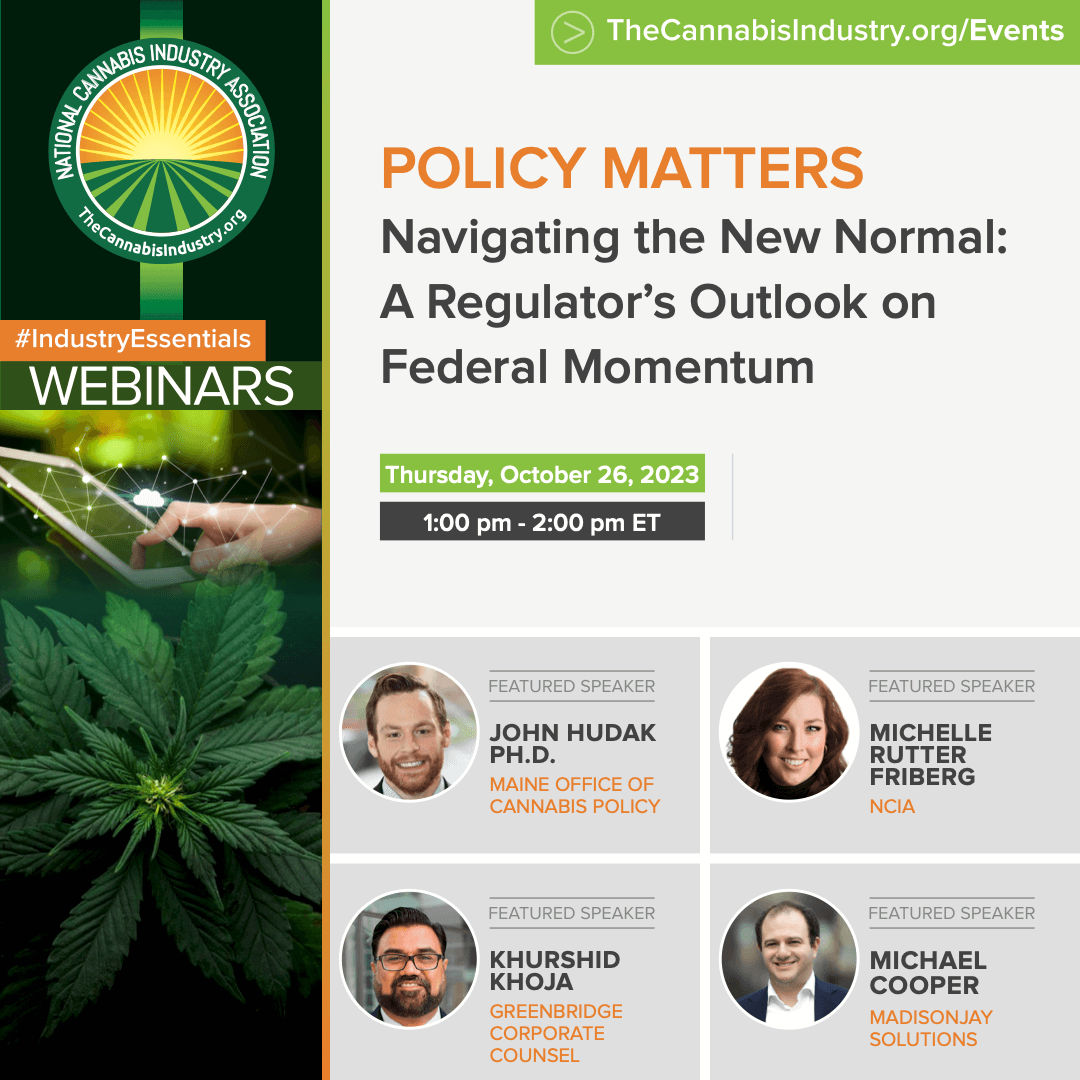
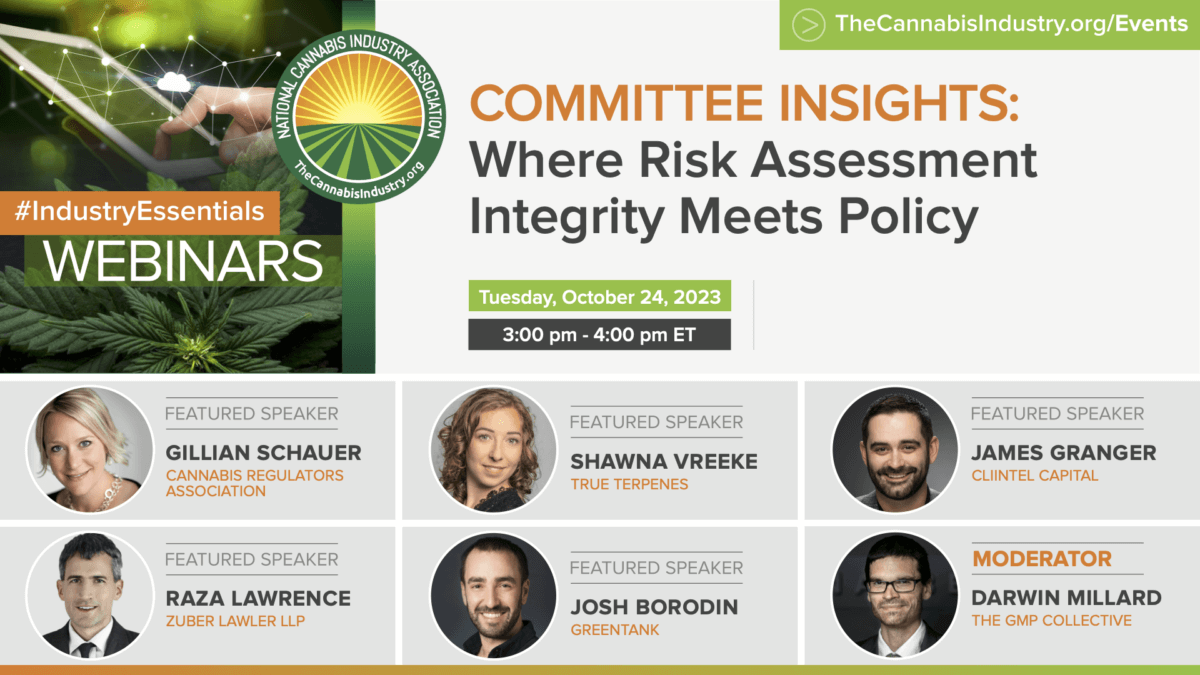
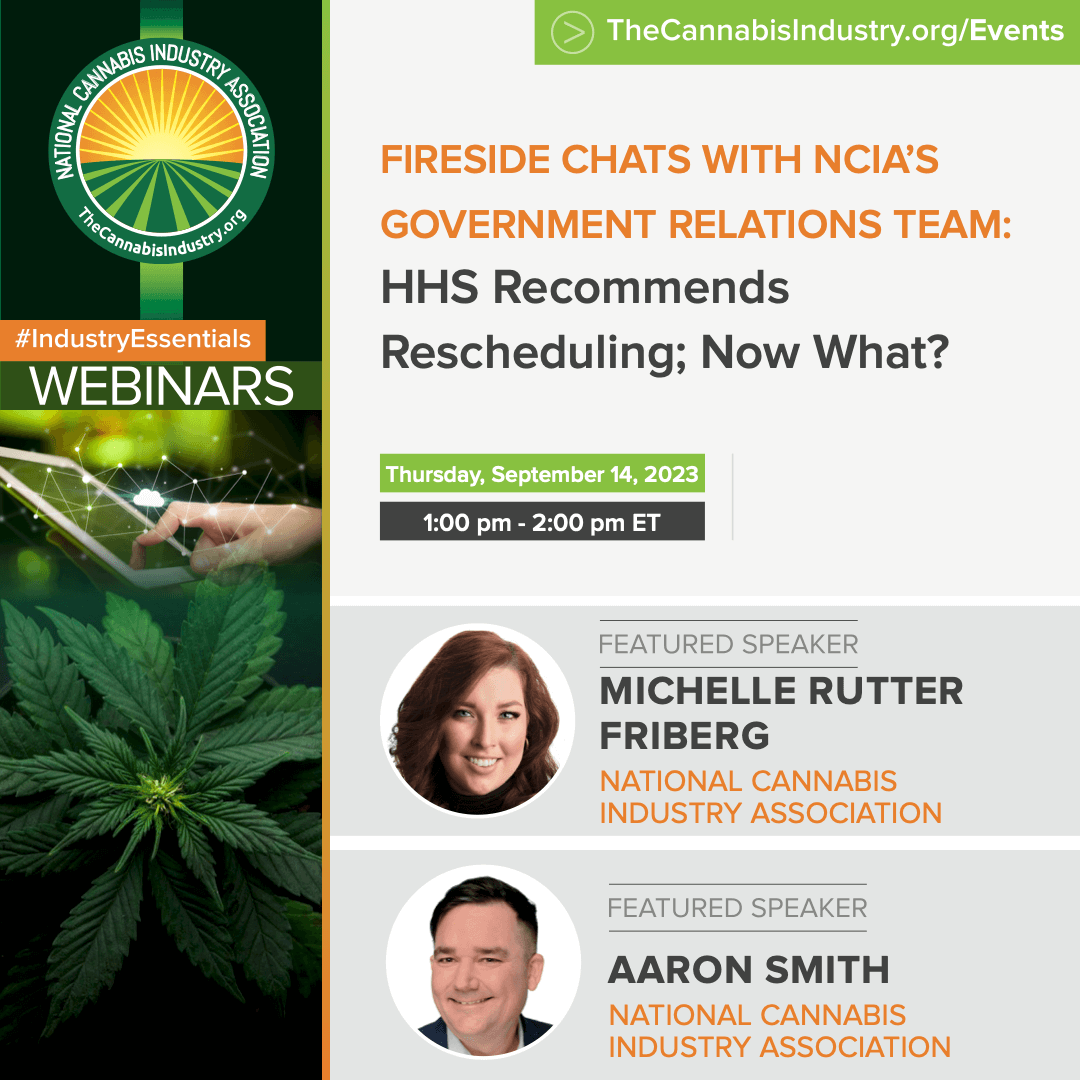
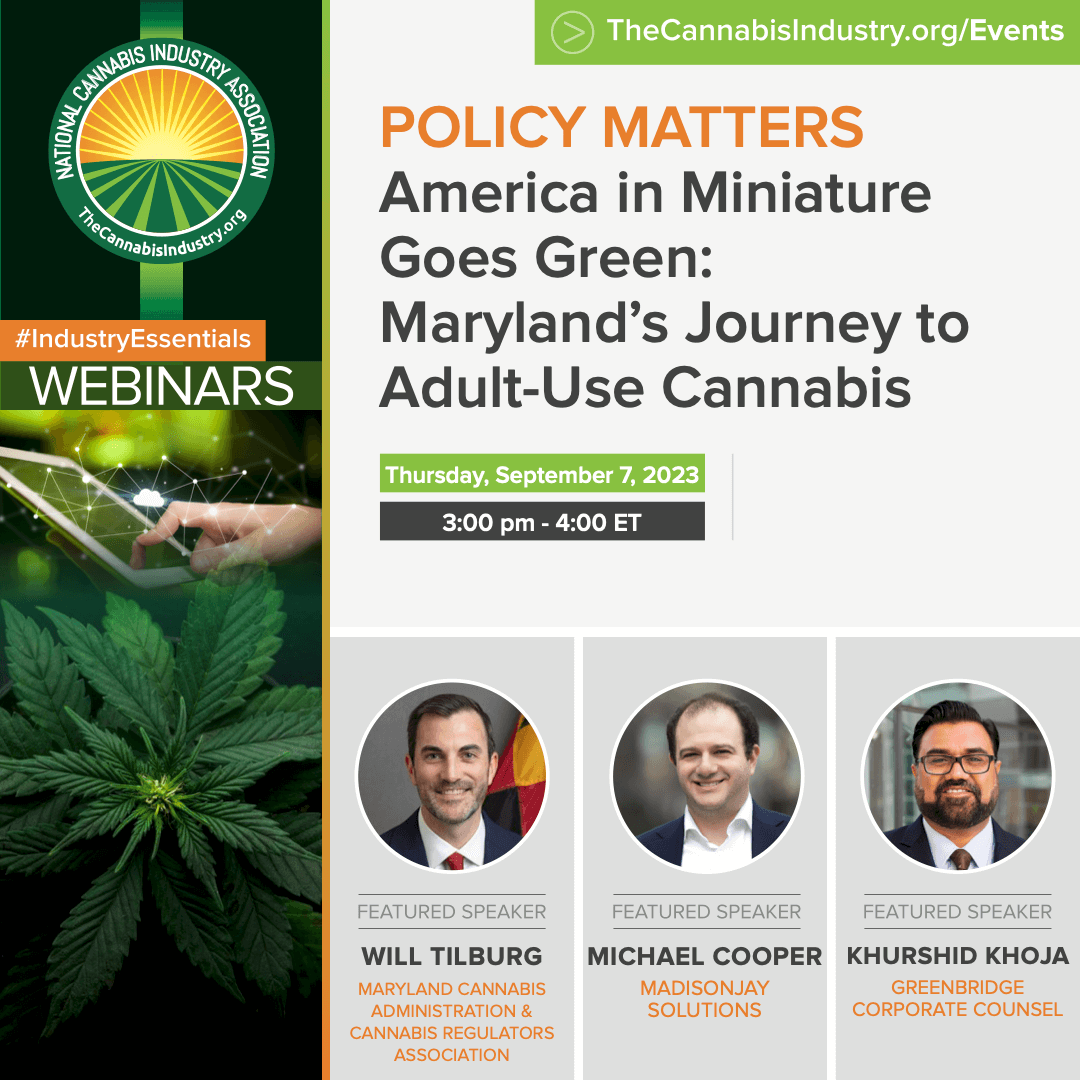



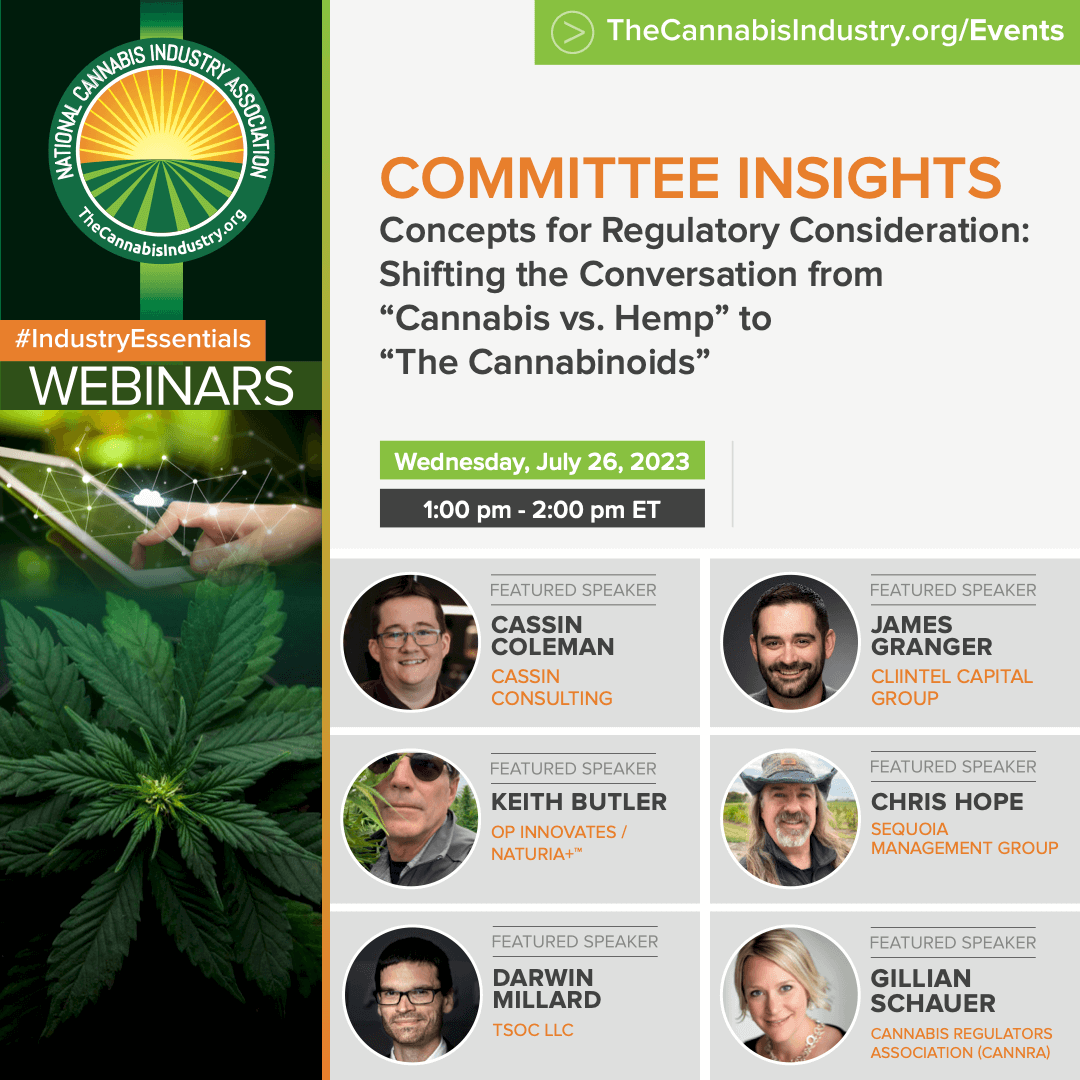
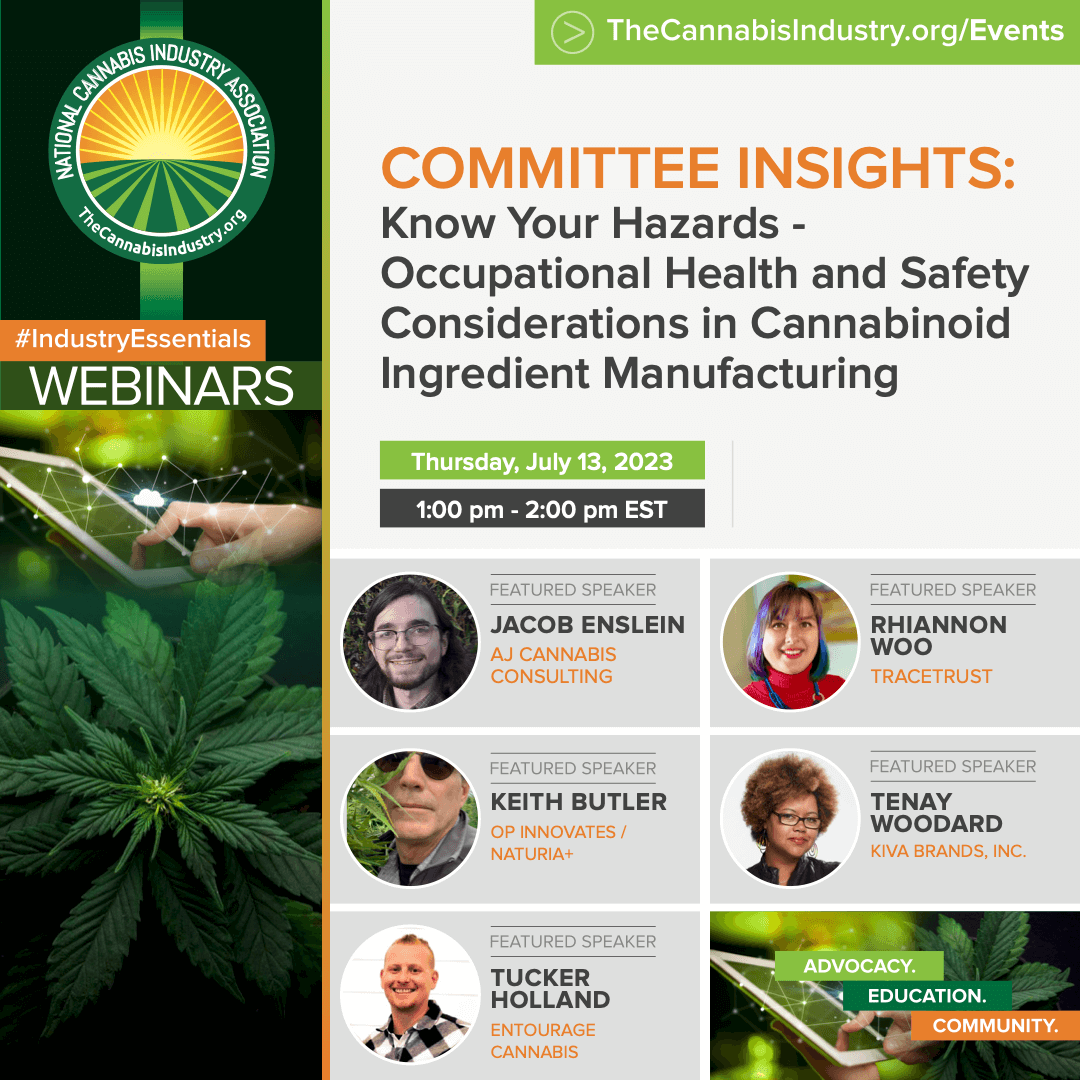


 by Matthew Johnson and Doug Esposito
 Matt Johnson leads the Risk Services division for
  D
D

 Sevana Janian is a Certified Public Accountant in California with more than 17 years of experience in tax and accounting. She is a member of the Cultivation Committee of the National Cannabis Industry Association (NCIA) for the year 2023. She is also a member of AICPA and CalCPA organizations. Sevana enjoys traveling with her family and playing the piano during her leisure time. She is committed to networking with others to expand her personal and professional knowledge. Sevana is passionate about inspiring and motivating the younger generation to succeed.



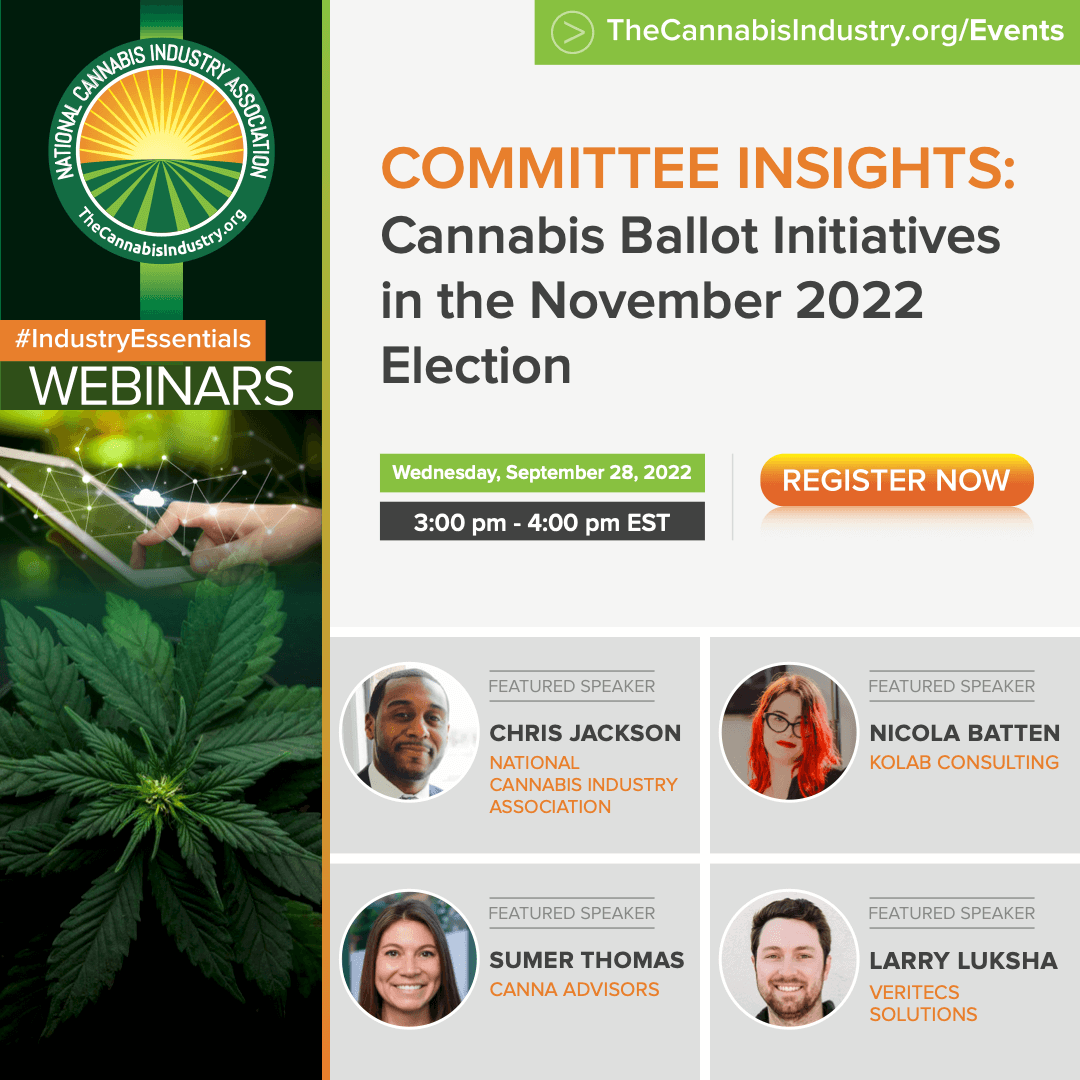


 Author Tommy Truong is the CEO at

 Gary Cohen is the CEO of
 MC
MC

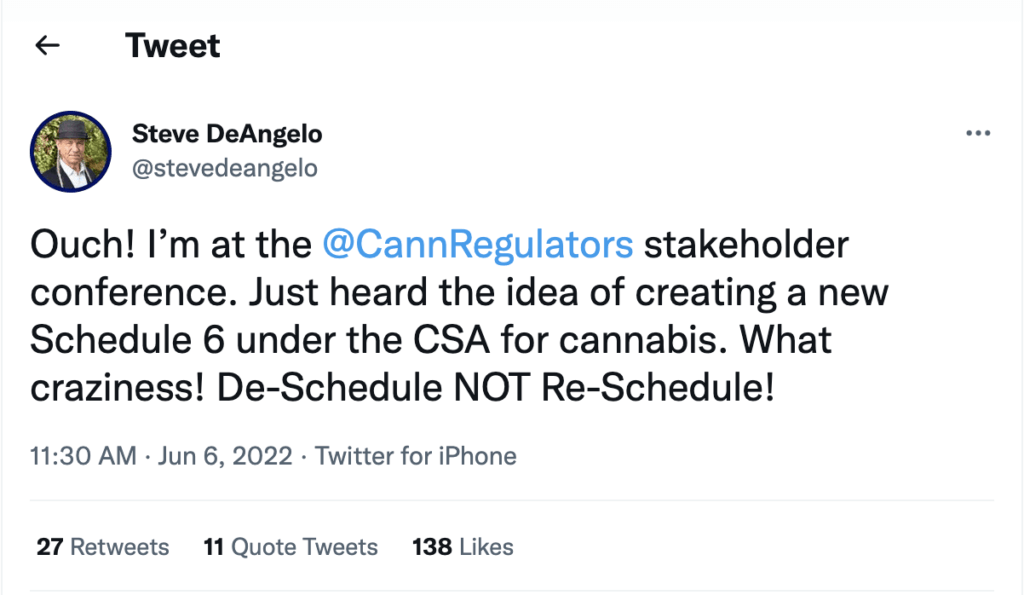
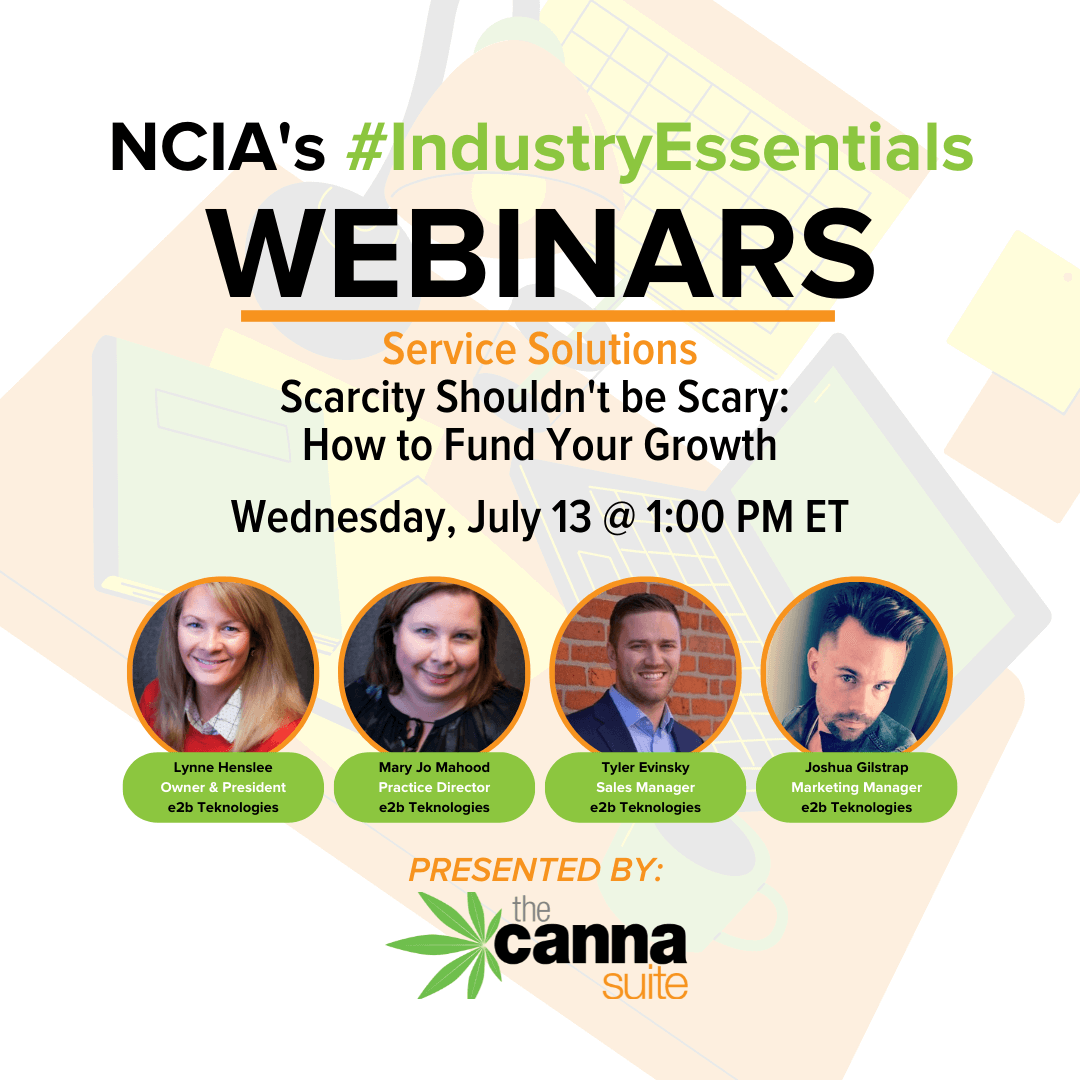




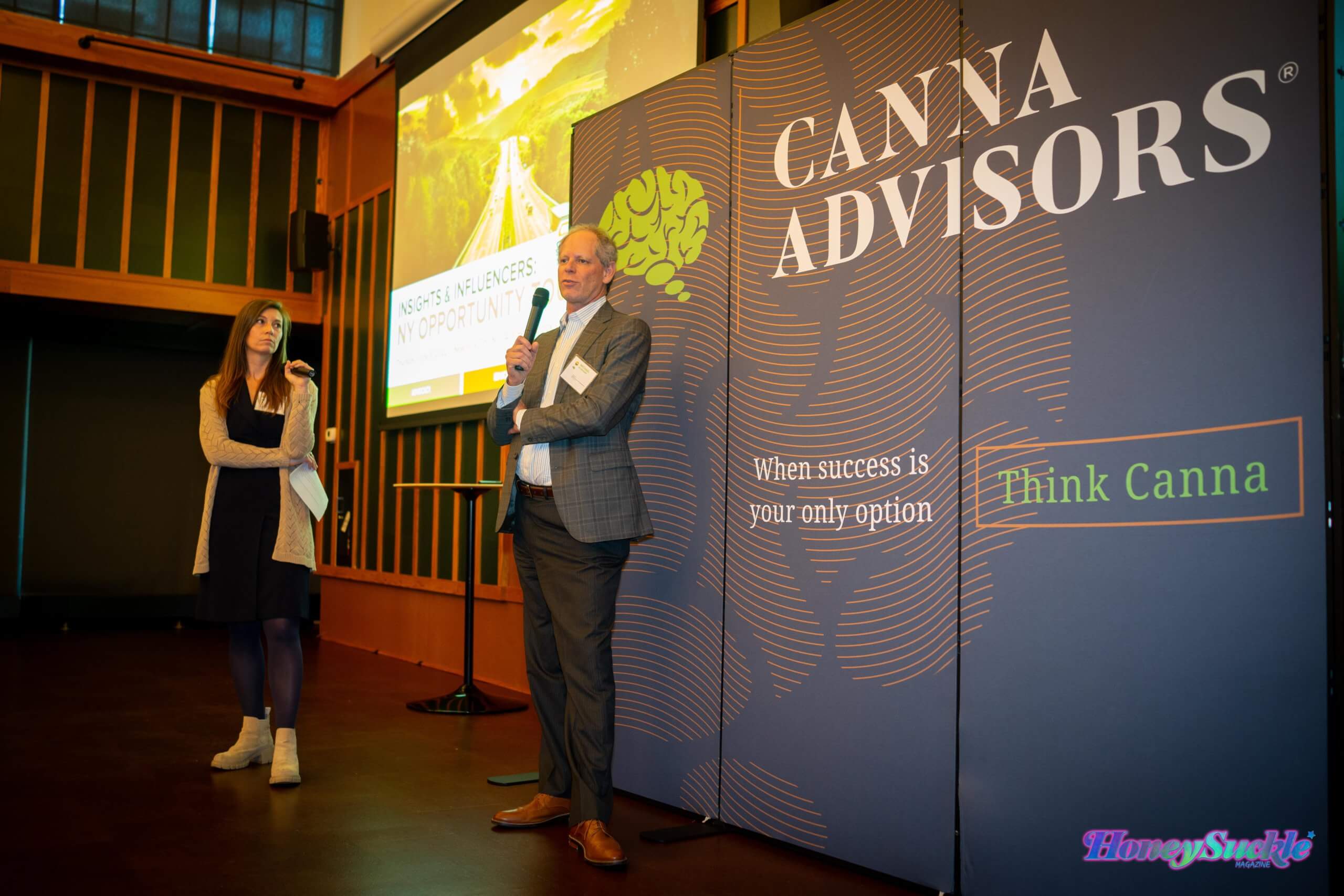





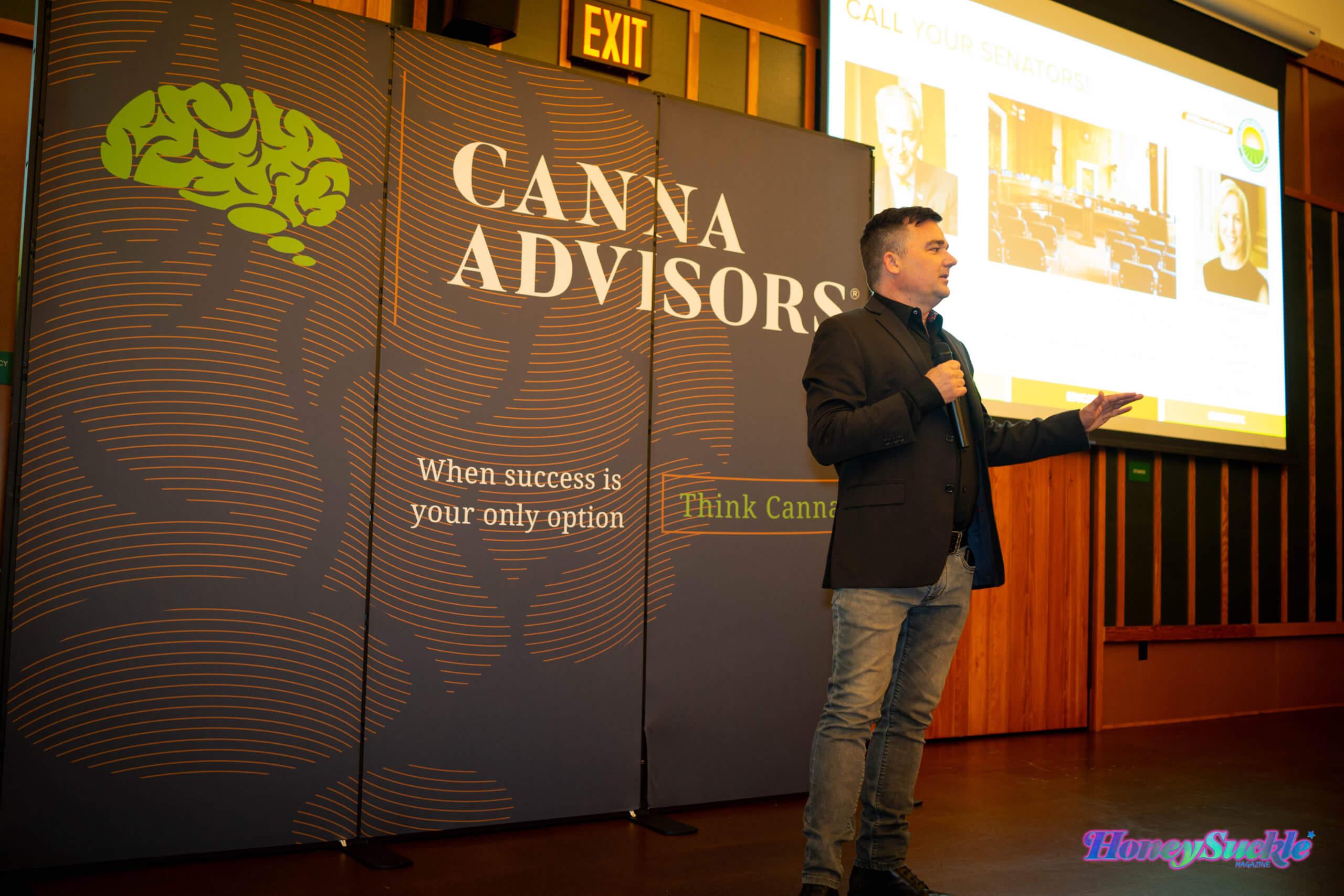










 LaKia Bourne has 20+ years of experience as an accomplished and trusted accounting professional. As a women-owned and minority-owned accounting firm, LaKia has a passion for working with other small businesses and engaging in the local community, and her values drive her overall career goals and mission to uplift businesses and encourage financial competency through reliable accounting services.

 by NCIA’s Risk Management and Insurance Committee
 Jennifer Spanos is the VP of Product and Vertical Strategy at
Follow NCIA
Newsletter
Facebook
Twitter
LinkedIn
Instagram
News & Resource Topics
–
This Just In
Member Blog: What Consumers Really Want in a Pre-Roll
Member Blog: The Evolving Cannabis Legal & Regulatory Landscape in 2026