HHS Recommends Rescheduling: Now What? | 9.14.23 | Fireside Chats with NCIA’s Government Relations Team
NCIA’s #IndustryEssentials webinar series is our premier digital educational platform featuring a variety of interactive programs allowing us to provide you timely, engaging and essential education when you need it most. The Fireside Chat series of NCIA’s #IndustryEssentials webinars are an opportunity for industry professionals to hear from our government relations team and guests about the latest developments in federal policy LIVE.
For more than fifty years, the federal government has maintained that cannabis is a Schedule I drug, meaning that it has a high potential for abuse and no accepted medical value.
That recently changed when the Department of Health and Human Services (HHS) recommended to the Drug Enforcement Administration (DEA) that cannabis be placed in Schedule III, meaning that it has moderate to low abuse potential, a currently accepted medical use, and a low potential for psychological dependence.
There’s no doubt this move was an historic one– but what does it mean? What’s next? How will it impact your business? Join NCIA’s Aaron Smith and Michelle Rutter Friberg as they unpack all these questions surrounding cannabis rescheduling impact and more!
Member Blog: The Evolution of Cannabis-Friendly Banks and Credit Unions
If you are a cannabis-related business (CRB) looking for banking services, that search is becoming less demanding. With the U.S. cannabis market expected to exceed $70 billion by 2030, financial institutions are increasingly becoming aware of the opportunity to boost their bottom lines, while supporting the safety and economic development of their local communities. As friendlier cannabis banking legislation emerges from Washington, D.C., we expect to see thousands of financial institutions actively serving the industry, up from the approximately 250 banks and credit unions serving the industry today.
Early on, smaller credit unions were among the most prevalent pioneers in the industry. Even today, most banks and credit unions that are cannabis-friendly are less than $1 billion in size. That trend is changing rapidly, though, and with it, an increased level of sophistication is supporting the cannabis ecosystem. In fact, at least two banks with assets larger than $50 billion on the East and West Coast respectively have entered the market and by all accounts, have booming portfolios.
When looking for a banking partner, CRBs should consider a few key questions:
Does the bank or credit union have an existing cannabis portfolio?
What are the fees for service?
Can the financial institution provide ACH services for business-to-business transactions?
How does it handle cash deposits?
Deposit taking is the primary focus of cannabis-friendly financial institutions however there is activity in a few key areas relevant to the industry.
Lending
Fast-growing industries like cannabis are always in need of growth capital, and the banking sector has been slow to fill this void. The exception to this is in mature markets (such as Oregon, Colorado, and Massachusetts) where banks and credit unions in search of low-cost deposits are increasingly offering lending to attract legal cannabis operators to their institutions. While interest rates are still higher than typical business loans and generally require personal guarantees, the advent of cannabis lending is a welcomed relief to founders and others who have historically had to part with equity to meet capital needs.
Fortunately, lending is increasingly becoming mainstream. By our estimates, 50 or so banks and credit unions have opened their wallets in this regard, with most of the lending activity tied to commercial real estate. Equipment financing has also become more prevalent, and operating lines of credit are extended rarely to those firms with deep operational experience and more substantial balance sheets.
Payments
Until federal legalization occurs, the payments space will continue to include workarounds created by fintech entrepreneurs and others. ACH wallets tied to loyalty programs are often seen in medical markets, and until the end of 2022, cashless ATMs had widespread adoption on the adult-use side.
Most recently, PIN-based debit solutions running on the regional debit rails are gaining traction, and these options pass compliance hurdles that were not present with cashless ATMs. With their advent, merchants are also seeing an increase in sales of 20% or so as compared to cash-only environments.
Access to banking and financial services in the cannabis industry has come a long way in the last decade yet has a long way to go. There is a real advantage for early movers to provide services and we expect more and more financial institutions to recognize the opportunity and get involved.
Service Solutions | 10.26.22 | Show Me the Money – The Current State of Cannabis Lending
NCIA’s Service Solutions series is our sponsored content webinar program which allows business owners the opportunity to learn more about premier products, services and industry solutions directly from our network of established suppliers, providers and thought leaders.
In this edition originally aired on Wednesday, October 26, 2022 we were joined by the experts from cannabis-focused financial institutions FundCanna, Safe Harbor Financial, and AVANA Companies to dive deep into the current state of cannabis lending with leading industry journalist John Schroyer of Green Market Report.
A decade after California and Colorado became the first adult use states, the regulated U.S. cannabis market encompasses over 70,000 cannabis-related businesses. Shockingly, most of those businesses still lack easy access to debt and other forms of growth and operating capital. From federal prohibitions and the impact of IRS regulation 280e, to state and local taxation issues, the costs of operating a regulated cannabis company continue to remain nearly unendurable.
Learn what may change in the coming six to 12 months so you’ll know how to access debt capital most cost-effectively in this ever evolving environment. No matter your place in the industry or the supply chain from cultivators, manufacturers, vendors, suppliers, distributors and retailers this conversation will provide the insights to meet your financial needs.
At the conclusion of the discussion our panel hosted a moderated Q&A session to provide NCIA members an opportunity to interact with leading minds from the financial services space, join today to contribute to future conversations!
Panelists:
Adam Stettner
Founder & CEO
FundCanna
Sundie Seefried
Founder and CEO
Safe Harbor Financial
02:13 – Equity vs. Debt: With equity dried up, should cannabis companies be looking at debt financing to grow now?
07:28 – Equity vs. Debt: What do borrowers need to do before approaching a debt provider (vs. an equity provider)?
13:25 – Equity vs. Debt: What can cannabis companies or entrepreneurs do to improve their overall credit worthiness prior to seeking capital?
17:16 – How has the interest rate increases by the Federal Reserve impacted capital markets (and the industry at large) in 2022?
26:07 – Audience Q&A: “If there’s “no reason not to have banking” for your cannabis business how can I easily (and inexpensively) establish and maintain a compliant bank account?”
28:56 – Lending: What significant lending challenges are your clients currently facing within the industry?
33:56 – Lending: What advice can you provide business owners for evaluating lenders that you should (or shouldn’t) work with and tips for avoiding predatory lending practices?
39:05 – Cannabis Reform: What impact do you expect President Biden’s recent announcement will have on the industry?
49:32 – Audience Q&A: “Are your financial institutions planning to offer lending and banking services in New York, New Jersey and other new markets?”
51:42 – Audience Q&A: “With the mindset of “Investors are betting on the Jockey not the Horse.” What type of CEO or founding team would be a red flag or not a viable investment?”
55:19 – Audience Q&A: “How can I start to shift my retail company from being primarily a cash-only business?”
1:05:03 – NCIA Member Appreciation Credit Sequence
Sponsored By:
Committee Blog: Fundraising Basics in the Cannabis Industry – Part 2
by Deborah Johnson, MCA Accounting Solutions & James Whatmore, MAB Investments NCIA’s Banking & Financial Services Committee Part 2 of a 3-part series
In our first part of this blog, we discussed the very beginnings of a company; an idea, gathering a team around you, self-funding, opening a bank account and forming an LLC or incorporating. Now you are ready to take a big step, bring on some more people, purchase more equipment and explore partnerships. You have a path with real milestones. This is the time to plan a funding strategy.
If you are not plant-touching, or you are directly ancillary, you might be able to secure a bank loan or an SBA loan. As the SAFE Banking Act is being considered in Congress (at time of writing) the reality of greater access to cannabis banking services may be getting brighter. However, traditional banking sources may still be an issue. These challenges have blended into some ancillary activities. There are a few other debt instruments including venture debt, an accounts receivable (AR) line, or an asset loan. Some of these instruments can be originated with specialty firms or other investment sources.
“While debt has traditionally been scarce in our industry, the relatively recent arrival of lenders has fortunately changed the construct of cannabis company balance sheets. Industry normalization, low rates, relatively high equity capital costs and supply-demand imbalances have attracted capital pools into credit and provided companies with the ability to further normalize their blended cost of capital,” said Sumit Mehta, founder and CEO of Mazakali and chairperson of NCIA’s Banking & Financial Services Committee.
Recently Harborside Inc. (CSE:HBOR) (OTCQX:HBORF) in California landed a historic $12 million revolving line of credit with a bank, marking the first time a cannabis touching company has secured this kind of access. Granted it is secured, but it is a commercial loan from a traditional lender. If you have real estate involved many investors will do a sale leaseback on the property to provide some liquidity. Equipment may also secure a loan; this is often a choice to outfit a capital-intensive production. When evaluating your debt options consider what is happening at this point in your life cycle. For an early-stage company, a revolver may not be the right fit; however, having the right equipment getting you to revenues might be worth investigating.
There are also grants available. Especially with COVID-19, many local jurisdictions are providing small business grants, or you might find one aligned with your demographic or target market niche. Many startups find an accelerator or incubator to help both fund and scale the company. In cannabis, the accelerators have historically been targeted to the ancillary market. Several exist, including Canopy Boulder, Momentum, Gateway, Hood Incubator, The Initiative, Cannabiziac, and even traditional market accelerators such as Y Combinator are addressing the needs of the cannabis market. Accelerators will invest in the companies they are providing guidance to and are generally hosted over a short period of time like 3-4 months, whereas an incubator provides resources, networks, and services over an 18+ month time and might charge a fee to participate. This early mentoring is a great resource for social and personal capital as well. If you have participated in an accelerator or incubator environment you should be exposed to early-stage investors; if you haven’t been exposed to them, this is the time for a solid PowerPoint deck and to polish your presentation.
Next on the list are angel investors. Angels are those individual investors that provide early-stage funding for a startup usually in exchange for convertible debt or ownership equity but are not locked into a funding structure. Banks make loans, angels can do as they please. They can be sophisticated or unsophisticated as they technically just need to qualify as an accredited investor. Most are drawn to investing in something familiar, so either they have a direct professional background in your industry or have felt the pain point you are addressing personally. Some want to roll up their sleeves and be engaged in helping your company grow, others just want to diversify their investment portfolio and take a more passive role. They can invest in the idea and direction of the company and a good angel will understand the timing of the investment. This means that early-stage investors like angels and funds should understand that this is a long-term investment that might take 5-8 years to see liquidity.
The greatest challenge to an entrepreneur is where to find them. Sometimes it’s as easy as looking around your network. With some work you can attract attention to your business idea by either presenting/speaking or pitching at a conference. Over the years, many opportunities to do so have developed. NCIA hosts CannaVest and Cannabis Business Summit, one of the longest running is The Arcview Group, Benzinga, IC3 by IMN, CWCBExpo and many cut their teeth at MJ Biz. Angels are individuals, but often belong to a group of angels to assist with deal sourcing and due diligence. With the normalization of cannabis, you can find many groups via the Angel Capital Association. We’d suggest reviewing market transactions and see who is announcing that they secured funds and with whom. You can find this information through keywords and press releases, consolidating sites such as New Cannabis Ventures or Viridian Capital Advisors, or even Pitchbook. This is the hard part of fundraising: connecting with the right investors.
You can also gain exposure to investors by sharing your expertise. Whether it’s articles on LinkedIn or podcasts and panels, exposing your knowledge of your niche is critical to gaining their confidence in your ability to execute. The conferences above may host your presentation as well furthering your investor engagement. One word of caution, there is a new platform being used by millions – even though it’s still in beta – called Clubhouse. There have been many people that are running pitch rooms on that platform and they are running up against the SEC and rules for fundraising. We encourage an extra dose of caution when pitching where you don’t understand who your audience is and if they adhere to qualifying factors. Many times, the later investors (Series B or C rounds) have to do a lot of work to clean up the cap table from earlier investment rounds. That can be a hurdle that an investor might walk away from. So, the more you can do to assure you are running a clean and efficient fundraising round, the better.
Given that we are in the cannabis industry, it is of particular importance to be an advocate. Access to this plant is still restricted for many, people are still going to jail or are still in jail, and businesses have a disadvantage to all other industries given the repercussions of federal illegality. So being an advocate, aligning and engaging with advocates like the National Cannabis Industry Association (NCIA),Marijuana Policy Project (MPP),Students for Sensible Drug Policy (SSDP) and others, can also expose you to investors who recognize your understanding that there is much work to be done to assure fair access. Expertise, Advocacy, and Engagement will build your social capital. The early rounds can hinge on these factors. While you will need a proforma, other financials and a solid plan, an angel is investing in you as much as in your current project. With enough social capital, your relationship with the early angel investor will survive major setbacks.
Once past these early rounds, your focus will turn to more formal investment groups and businesses in private equity, venture capital and then the public market. Currently those companies touching the plant are able to be hosted on the OTC (over-the-counter) market or the CSE (Canadian Stock Exchange) with a growing number of ancillary companies listing on the traditional exchanges. Here there will be a deep dive into the numbers and execution, pre/post revenues with a clear runway to real revenue. This requires an adaptive corporate culture with some loss of control expected.
In our final piece of the series, we will review crowdfunding, tips on angel and fund investors, and types of funding.
Member Blog: Five Reasons to Use a High-Speed Smart Safe for Your Cannabis Business
There are many challenges to running a successful cannabis business, including finding the correct product to sell, hiring and training qualified budtenders, dealing with state regulations, accepting cash payment, and depositing cash into the limited number of banks and credit unions that accept cannabis business. Although many economists and magazines believe cash is going away with the recent introduction of digital and app-style payment solutions, in the cannabis space, cash is king. Cash payment is really the only form of payment for many states except for the rare occasions an app can be used. The questions that have been asked for years are what does the cannabis industry do with the cash payments they receive, how is the cash counted and secured, and how can it be deposited into the business bank account?
Cannabis businesses are always looking for ways to effectively count cash and make deposits in their retail locations while simultaneously trying to lower labor cost, increase accountability and productivity, and reduce risk. Traditional deposit preparation methods have not drastically evolved in the last 50+ years. A budtender will pull their till from the drawer and count down to the starting till amount, leaving the remaining funds as the deposit. In addition, it is also common practice for businesses to incorporate dual authentication practices, essentially double counting, or counting in the presence of a witness to ensure the count is correct. While dual authentication can give the impression of good quality control and insurance, unfortunately, it raises the cost of counting the deposit inside the store by tying up at least two employees’ time and attention on trivial cash counting responsibilities. Granted the store manager is a salaried employee, but the downside is the store manager is managing for time to count cash instead of the daily sales, however, there is a much better, faster, and more accurate way to make deposits in the cannabis industry.
A high-speed smart safe is faster than counting by hand and a more secure way to deliver cash deposits to the select banks. The reason is, at the end of the night, the procedure of making a deposit at the bank location is a dangerous one and is why many organizations will have utilized the same type of dual authentication to drive to the bank to make the deposit in the night drop box. Again, there is an illusion of safety with having two people make a deposit in the night drop. Here are five of the many reasons to use a high-speed smart safe in a cannabis business:
Accountability:
The smart safe provides individual user accountability, by capturing critical transactional data: who is making a deposit, the date and time stamp of the transaction, and the total value of the deposit. Individual user accountability allows customers to abandon the need to deploy dual authentication practices, allowing managers to reallocate their time and attention towards revenue-building responsibilities: supervising employees, training employees, inventory, customer service, etc.
Remote Visibility:
An online dashboard provides detailed transaction statements, trend/behavior tracking potential, and simplified reconciliation reporting. Reports can be accessed online from any device, downloaded/exported, and shared across your network, which improves the efficiency of accounting and loss prevention departments. The online dashboard will have different reports ranging from daily deposit, transactional history for the day, and a monthly deposit report for easy reconciliation.
Deposit Accuracy:
Incorporated bill validators will count and authenticate each note before securing funds into their final depository, thus creating a closed-loop system-cash is deposited, not dispensed.
Security of Funds:
By incorporating drop policies that align with the placement of the cash management device, customers can achieve an efficient and secure deposit process, but also reduce unnecessary cash exposure that may accumulate within a till drawer or within the back office. Smart safes are designed to only allow the Cash In Transit Company to pick up all deposited cash thus reducing the risk of theft.
Provisional Credit:
Provisional Credit is an online credit to the business bank account prior to the removal and secondary validation of funds offsite. In conjunction with your banking relationship, a smart safe has the ability to transmit a daily electronic file to the bank where said bank will give credit on the day’s deposit.
With the proper smart safe in place, it will allow cannabis business owners to manage the cash deposits more efficiently and reduce risk inside the location, and to reduce lower/short deposits. The smart safe gives each owner the ability to log in to the online dashboard from any device connected to the internet and see all the transactions from all smart safes across all their cannabis locations. Just imagine having the ability to see all deposits and transaction history in one convenient place to allow for better transparency and reconciliation. With the CARES Act being introduced and voted on, if passed, it would afford for more banking partners and offer more options for the smart safe to send provisional credit to your bank.
Bobby Combs is National Account Executive at Kisan America Corporation. He has over 6 years of experience in the cash automation industry and utilizing previous experience to formulate best practices and redesign cash handling procedures to maximize efficiency and reduce risk and labor. Kisan provides cash management solutions through smart banknote deposit and sorting systems.
Looking Back On #10YearsOfNCIA: 2016-2017
Photo By CannabisCamera.com
by Michelle Rutter Friberg, NCIA’s Deputy Director of Government Relations
Over the last month, I’ve been taking a retrospective look at the progress NCIA has made in the ten years since its inception. While it’s been fun to look back at those early years, this week I’m excited to look at a time when cannabis policy was getting really active: 2016-2017! While this timeline is by no means a comprehensive look at everything that’s happened in cannabis policy during those years, here are some highlights:
January 2016
District judge dismisses lawsuit against the Fed, filed by the Fourth Corner Credit Union, says Congress must fix the cannabis banking problem. The same month, President Obama announces that cannabis reform is not on his agenda in 2016.
March 2016
The Supreme Court dismisses Kansas’ challenge to Colorado marijuana laws. The 6-2 vote meant the nation’s highest court would not rule on the interstate dispute, and Colorado’s legal cannabis market remains safe. “Since Colorado voters overwhelmingly passed legal recreational marijuana in 2012, we have worked diligently to put in place a regulatory framework — the first in the world — that allows this new industry to operate while protecting public health and safety,” then- Gov. John Hickenlooper (D) said following the decision. “With today’s Supreme Court ruling, the work we’ve completed so far remains intact.”
An AP poll shows that 61% of Americans support legalizing cannabis. The most recent Gallup poll on the issue, published in October 2019, shows that approval number has risen to 66%.
April 2016
U.S. Senate Caucus on International Narcotics Control holds a hearing titled “Is the Department of Justice Adequately Protecting the Public from the Impact of State Recreational Marijuana Legalization?”
May 2016
NCIA holds its 6th Annual Cannabis Industry Lobby Day in D.C., garnering over 150 attendees and participating in more than 200 scheduled meetings on Capitol Hill. That same month, the Tax Foundation reports a legal marijuana industry could mean up to $28 billion in federal, state, and local tax revenues.
June 2016
NCIA hosts our 3rd Annual Cannabis Business Summit in Oakland with 3,000+ attendees. That same month, the U.S. Senate Appropriations committee narrowly approved a marijuana banking amendment. Ultimately, the amendment did not make it into law. The amendment has not passed this specific Committee since, though we continue to try!
July 2016
Showing increased interest and momentum on this issue, the U.S. Senate Judiciary Committee holds a hearing on the potential benefits of medical marijuana. The same month, the Democratic Party included reclassifying cannabis in the party’s platform.
August 2016
This was an exciting month because we got to really see our efforts at work in the real world. Four years ago this month, the Ninth Circuit Court of Appeals ruled that due to the Rohrabacher-Farr amendment, the Department of Justice cannot use funds to enforce federal law against state-legal medical cannabis businesses.
September 2016
U.S. Attorney General Loretta Lynch says that marijuana is not a gateway drug, but that same month, FBI data showed that there is one cannabis arrest every 49 seconds in the U.S. The majority of those individuals are Black and brown and are arrested four to eight times more than their white counterparts.
October 2016
Members of Congress and the campaigns to legalize cannabis in various forms enter the final push. That month, a report also showed that Colorado’s marijuana industry had a $2.39 billion financial impact and created more than 18,000 jobs in the state.
November 2016
Five states (Arizona, California, Maine, Massachusetts, and Nevada) voted on ballot initiatives to legalize, tax, and regulate marijuana for adult use. Four of those initiatives passed, and three of them passed by more than seven percentage points.
Four states (Arkansas, Florida, Montana, and North Dakota) voted on ballot initiatives to create or expand legal medical marijuana programs. All four of those initiatives passed, with an average victory of 26.3 percentage points.
Of course, November 2016 is also when Republicans took control of both chambers of Congress and candidate Trump became president-elect Trump.
January 2017
NCIA establishes the Policy Council to serve as the industry’s “think tank” in D.C., developing and publishing policy papers to educate policymakers and other stakeholders on topics relevant to the cannabis industry. The same month, Sen. Jeff Sessions (R-AL) begins his confirmation hearing to become U.S. Attorney General. He is subsequently confirmed, bringing uncertainty to the cannabis space.
February 2017
White House press secretary Sean Spicer said that he expects states to see “greater enforcement” of the federal law against marijuana use, a move that would be at odds with a growing number of states’ decisions to legalize it. Spicer, taking questions from reporters at the daily briefing, differentiated between the administration’s positions on medical marijuana and recreational marijuana. Funnily enough, Spicer’s career lasted about as long as it takes me to smoke a joint.
The nation’s first-ever Congressional Cannabis Caucus is formed by Reps. Rohrabacher (R-CA) and Blumenauer (D-OR) with help from friends Reps. Polis (D-CO) and Young (R-AK). In the 116th Congress, Rohrbacher and Polis left Congress and were replaced by Barbara Lee, a Democrat from California, and David Joyce, a Republican from Ohio, as co-chairs.
May 2017
NCIA’s D.C. team grew from two (myself and Mike) to three, with the addition of Maddy Grant, who was our Government Relations Coordinator at the time. Since then, Maddy has become one of my best friends and was even one of my bridesmaids! If you know Maddy, you know she’s the best and NCIA is lucky to have her!
NCIA held its 7th Annual Cannabis Industry Lobby Days in Washington, D.C., where 250 industry professionals coalesced on Capitol Hill to attend over 300 scheduled meetings. Following that, there was a substantial increase in the number of cosponsors on cannabis-related bills compared to the previous Congressional session.
July 2017
The Senate Appropriations Committee voted on their equivalent of the Rohrabacher-Farr amendment, sponsored by the committee’s vice chairman, Patrick Leahy (D-VT). That amendment passed on a voice vote and was the first time ever that a cannabis-related amendment passed in such a manner. At the end of July, the Senate Appropriations Committee also adopted an amendment that would allow the Department of Veterans Affairs to recommend medical cannabis in states. That amendment passed by a vote of 24 to 7 – the most votes this measure has ever received in the Senate. The veterans’ measure did not end up becoming law.
September 2017
The House Rules Committee held a hearing to discuss amendments to the upcoming appropriations bill that will fund the federal government for the upcoming fiscal year and chose not to vote on the amendment that protects medical cannabis businesses, patients, and programs. Since the protections for medical cannabis businesses were included in the Senate’s version of the budget bill but are not included in the House’s versions, it came down to a conference committee to negotiate its inclusion, and ultimately, the provision remained in law.
December 2017
Senate Republicans passed their tax reform package into law. Sen. Cory Gardner (R-CO) introduced two amendments to the bill that targeted 280E, however, he withdrew both amendments before the final bill was voted on.
If you think reminiscing on all that was a lot, make sure you keep an eye on our blog and future issues of NCIA’s Cannabusiness Leader to learn more about 2018-2019 and the progress we’ve made more recently as we wrap up this series!
NCIA Committees: Spring 2020 Update On Achievements And Projects
NCIA’s member-driven committees are an opportunity for individuals from NCIA member companies to get directly involved in specific industry issues and sectors. These volunteer-driven efforts engage members’ expertise and passion to drill down in those areas to effect change, provide professional development opportunities, and develop best practices and guidelines that will shape the future of our industry.
We recently checked in with these various committees to learn more about what they’re up to and what projects they’re working on this term. Get updated on their activities below.
Risk Management & Insurance Committee (RMIC)
The RMIC has recently contributed to several NCIA white papers and educational webinars. They are currently working on an insurance manual. The committee has divided into sub-committees responsible for managing white papers, webinars, and the manual.
Scientific Advisory Committee (SAC)
SAC’s vision is to disseminate educational materials to NCIA members on scientific topics in the cannabis industry and to advise on other NCIA initiatives, ensuring that any formal recommendations produced are scientifically sound, sustainable, and legitimate. This term, SAC published a blog discussing why everyone should know about the endocannabinoid system.
SAC is working on other pieces addressing topics such as the recent vape illnesses from a physician’s perspective, indica versus sativa designation, how cannabis can help the opioid crisis, common scientific myths confusing the industry, and budtender and consumer education about the endocannabinoid system.
SAC is also developing a webinar that discusses what should be on a label, how to read a label, and how to associate what’s on a label with either statements on efficacy or marketing/branding.
Cannabis Cultivation Committee (CCC)
The committee has recorded two podcast episodes for NCIA’s Cannabis Industry Voice Podcast. The first was a Cultivation Best Practices Roundtable, hosted by Noni Goldman of the CCC. In that episode, Cody Hitchcock of Smokey’s 420 and James Cunningham of Fog City Farms were interviewed to shed light on their different growing styles and techniques, focusing on the ways that they implement sustainability in their operations.
The second soon-to-be-released interview was with High Times’ new CEO Stormy Simon, and was hosted by CCC Chair Mo Phenix and member Noni Goldman. This interview explored Stormy’s history and how she got to where she is today, as well as what High Times is up to, and where Stormy sees the industry going.
More podcasts to come in the next couple of months from the CCC! Keep an eye out for an episode or two on regenerative agriculture.
Packaging & Labeling Committee (PLC)
The PLC sub-committees have each contributed to a blog or presentation up to this date. The Sustainability sub-committee has worked with Kaitlin Urso and team in regards to their White Paper. A panel discussion proposal has been submitted for future NCIA conferences.
NCIA’s Northeast Cannabis Business Conference in Boston (February 2020) Panel Discussion on the Future of Cannabis Packaging went great!
State Regulations Committee (SRC)
NCIA’s State Regulations Committee has continued to produce content to help educate and inform members on the latest developments in the world of state regulation of cannabis. As the industry’s law and regulations change quickly across the country, the SRC members stay ahead of the curve and share their insight in a variety of forms. These projects include panel presentations at NCIA conventions, published blogs, and interactive webinars. In this quarter, they published three blogs, produced one webinar, presented on two panels, and participated in an NCIA summit.
As the committee strives to keep everyone updated on burgeoning legal topics, the SRC committee presented a webinar on Michigan, a newly regulated market. The webinar provided information on this key Midwestern state, “Michigan’s Adult-Use Market – What Comes Next?”
Conferences:
SRC members also traveled from across the country to share their expertise on panel sessions at NCIA’s Northeast Cannabis Business Summit in February 2020 in Boston.
The Social Equity Sub-Committee leaders, Erin Fay, Chris Jackson, and Margeaux Bruner provided helpful insight during their session, “What You Need To Know For Winning Applications and Successful Operations That Promote Diversity and Inclusion.”
Sean Donahoe and Gabriel Cross of the SRC’s Interstate Commerce Sub-Committee presented on the issues surrounding interstate commerce and strategies for preparing for this anticipated change in the cannabis industry.
Also, SRC members participated in the NCIA’s summit about tackling the illicit market.
The State Regulations Committee is excited about its work and continues to stay knowledgeable about the ever-changing legal and regulatory landscape. Their projected work includes a webinar on the Illinois adult-use market and a wide range of written projects. Stay tuned!
Banking & Financial Services Committee (BFSC)
The committee’s vision is to provide the NCIA member base with current and actionable information related to Banking and Financial Services in the State legal cannabis industry.
They have implemented monthly newsletters for the member base and have been extremely active in response to the proposed federal legislation regarding banking and the cannabis industry.
Human Resources Committee (HRC)
The Committee’s vision is to provide best practices in all disciplines of Human Resources to NCIA members. They have worked on a couple of blogs this year around the recent reduction in force trend and will be releasing a few blogs providing some recommendations for how cannabis employers can navigate CV-19 when it comes to their workforces.
The HR Committee is working on a very exciting case study. They are looking forward to releasing the first few modules of it this summer!
Marketing & Advertising Committee (MAC)
The MAC coalesces the talents of 20 of the industry’s top-tier marketing and communications professionals around three focus areas: Education, Advertising Access and 2020 political goals. The committee uses their personal, professional and business skills and networks to help build a responsible, legal cannabis industry. The committee is producing best practices, webinars, workshops and social media campaigns to aggregate and generate support from NCIA members, the public, media, government and business leaders.
The MAC Education Subcommittee has focused its energies on developing a Speakers/Expert Directory with a goal to launch by year-end.
The 2020 Subcommittee has created its first infographic covering Oklahoma’s 2020 ballot initiatives; infographics for additional states with legalization initiatives on the ballot this year will follow soon.
The Advertising Access Subcommittee is adding more states (as they come online) to their overarching list of “Do’s and Don’ts” for compliant cannabis advertising. Those are pending editing and legal review and will be published on the NCIA website soon thereafter.
The committee is also working on upcoming webinars including “Advertising Best Practices.”
Cannabis Manufacturing Committee (CMC)
The Cannabis Manufacturing Committee is focusing on reviewing existing business practices and state regulations of concentrates, topicals, vaporizers, and edibles ensuring the manufacturing sector is helping shape its destiny.
They are also working on their second publication, “Facts About Current Good Manufacturing Practices (cGMPs) And Their Role In The Cannabis Industry” which will be a resource for essential businesses.
In addition to the work the CMC is carrying out, they are collaborating with other committees to help create an NCIA resource library.
The CMC Testing sub-committee is working on writing blogs about “Positives of Testing” (from the operator’s view), and “Nomenclature: Cannabis Nomenclature Register” for publication.
Retail Committee (RC)
Members of the Retail Committee attended NCIA’s Northeast Cannabis Business Conference in Boston in February 2020 to participate in an educational panel on Retail 101. The committee has an upcoming webinar in April: “Retail: Tips and Best Practices” which will include 4 panelists that are currently license holders or working in licensed dispensaries in 3 different states (CO, CA, WA), and will also address some tips and best practices for the current CV-19 climate.
Facilities Design Committee (FDC)
Committee member David Vaillancourt of The GMP Collective appeared on NCIA’s weekly podcast, NCIA’s Cannabis Industry Voice, in February 2020 to discuss GMPs (Good Manufacturing Practices) in an episode titled “Revolutionizing How Cannabis Producers Achieve Success.”
Committee Blog: Cannabis Banking – Regulatory Outlook and Effective Compliance
During a recent webinar, we polled the audience on their current positions on offering financial services – traditional financial services – to direct marijuana-related businesses (MRBs). The results, as you might imagine, were mixed but we identified one common theme: The vast majority have taken action to address cannabis banking issues. This has been the theme we’ve been championing for years. The dichotomy between state and federal cannabis laws has placed our financial institutions in a precarious position: Bank the cannabis industry, be first to the market in doing so, create a non-traditional revenue stream and help to solve public safety and other logistical issues by solving the all-cash conundrum OR continue to watch from the periphery as others take the leap?
We see the number of financial institutions – banks and credit unions – that offer financial services to cannabis businesses expanding, but not to the level suggested by FinCEN SAR data. There remains a critical need for financial services within the cannabis industry.
Why the hesitancy in tackling this issue?
The current regulatory environment is a critical factor. As it stands, our industry is relying primarily upon the FinCEN guidelines to offer financial services to cannabis-related businesses. These guidelines, coupled with a surge of proposed legislation and a regulatory perspective on risk-based risk-taking, have allowed financial institutions across the country to effectively provide financial services to cannabis-related businesses. There is a key term we’ve been using: cannabis-related businesses. Within this term, we encompass direct and indirect marijuana-related businesses, hemp, and CBD entities. The majority of those polled feel more comfortable with hemp and CBD entities primarily due to the passage of the 2018 Farm Bill. Getting into the intricacies of how the Farm Bill and the USDA’s resulting interim final rule have added a layer of complexity to banking hemp and CBD businesses is more than we can cover in this blog post. Let’s focus instead on those providing financial services to direct MRBs, those that are state-legal, licensed cultivators, extractors, and dispensaries.
It IS possible to actively bank direct MRBs, to offer stable banking services that bring the cash off the street and provide a means for these businesses to operate more effectively and efficiently, and surely in a less costly manner than an all-cash business. The regulators are not criticizing financial institutions for providing financial services to MRBs; they review these services as they would any higher-risk, complex activity. When an institution takes on too much too fast or does not have sufficient controls to know whether it actually has a higher risk or complex business concentration within its customer base, the regulators will be critical… as they should be.
So, what are they looking for?
This goes back to the theme we mentioned: Financial institutions actively addressing cannabis banking issues.
Every financial institution, whether it intends to bank direct or indirect MRBs, hemp or CBD should have a Cannabis Banking Program that assesses the inherent risks of doing so, speaks to the controls necessary to effectively manage those risks, and determine whether they are well-positioned, or have a risk-appetite for, providing financial services to the cannabis industry. Conversely, if a financial institution that has no appetite for, or does not reflect sufficient regulatory health to bank cannabis, it must establish effective controls to ensure that position can be maintained.
But, this post is about empowerment. It is about speaking to the regulatory environment in which we find ourselves. It is about providing the perspective that banking marijuana, hemp and CBD CAN be done effectively, safely and soundly. Yes, there is a significant level of infrastructure needed to do so. Yes, it does come with the need for ongoing, strong risk management and control enforcement. Yes, it can be a bit scary. By establishing a Cannabis Banking Program, comprised of a comprehensive risk assessment that drives an equally comprehensive policy, a financial institution can provide financial services across the spectrum of marijuana, hemp and CBD, and undergo regulatory scrutiny with confidence. Moreover, such a program has become a regulatory expectation to support a financial institution’s cannabis position. This is also not a program where a financial institution will set it and forget it. The risk assessment and policy must remain dynamic as legislation evolves, as regulatory perspective changes, and as a financial institution’s position or outlook may shift.
This is an industry that has already proven prolific. This is a time that will be ingrained within our nation’s history. Let’s be remembered as those who championed the issues, established the country’s infrastructure, and set the standard for those who follow.
As a former Federal bank regulator and seasoned consultant, Angela’s knowledge of regulatory compliance, risk management and investment advisory services has established her reputation as a leading resource within the financial consulting industry, spanning consumer protection and anti-money laundering statutes, fraud and cannabis banking issues.
Angela is the Managing Partner and Co-Founder of Sterling Compliance, LLC, a consumer compliance consulting firm based out of Pittsburgh, Pennsylvania. Sterling specializes in consumer protection and anti-money laundering compliance within the community banking industry and enjoys a significant online presence with a client base spanning the coasts.
In December 2019, Angela joined Integrated Compliance Solutions, LLC (ICS) upon the ICS acquisition of Sterling Compliance as an independent operating subsidiary. Angela oversees the firm’s Compliance Strategies division, of which cannabis banking is a significant component. ICS is a financial technology, banking compliance and innovative payments solution provider helping financial institutions with complex solutions. In joining the ICS team, Angela has continued the firm’s mission of bringing its complete SEED-TO-BANK™ solution to financial institutions and cannabis-related businesses throughout the United States, and has expanded the firm’s industry engagement as a well-respected authority on the regulatory and compliance issues surrounding cannabis banking.
Committee Blog: How NCIA’s Banking & Financial Services Committee Can Help You In 2020
As we begin the new year, the NCIA Banking and Financial Service Committee is joining the trend of starting something new for 2020. We are launching a blog series, the very words that you’re reading now, to help the cannabis industry when it comes to banking and payments. Here, you’ll find new content every month. Our goal is to give you actionable information based on current markets so that your business can grow and thrive throughout the year.
In Missouri, the state has issued 192 retail licenses, and 80 licenses for cultivation. To serve the industry, there are numerous banks and credit unions who are actively working with cannabis businesses to offer transparent banking options.
Utah will be issuing 14 retail licenses and 8 cultivation licenses, with businesses expected to start operating in March of this year. There is a financial institution in the state that is ready to bank the cannabis industry, helping your business with compliant financial services.
Finally, the committee has built relationships with additional financial institutions in California, giving even more options for cannabis businesses that need banking solutions. Whether your business is based in Missouri, Utah, California, or any other state with a legal cannabis market, NCIA’s Banking & Financial Services Committee can help provide information that may help you obtain banking services. Please get in touch with usif you need help, and we can make connections that could help.
Considering the changes to legislation in states across the country, as well as the impressive growth of the cannabis industry in recent years, we’d like to take this opportunity to welcome both newcomers and old-timers in this industry. Our community is vibrant and collaborative, with a focus on helping each other grow.
Unfortunately, there are always operators who try to work around the rules instead of following them. As a result, it’s important that we remind all our members about the dangers of breaking the laws or rules regarding cannabis banking and payments. We want to make sure that everyone knows the dangers that can be associated with the few transaction methods that are available to the industry.
Debit and credit card payments for cannabis are not allowed by the branded card networks. What does this mean? VISA and MasterCard do not want anyone paying, or receiving payment, for cannabis on their rails. While not technically illegal, circumventing their rules can lead to some dire consequences, including getting blacklisted and unable to get a merchant account in the future, even when cannabis becomes federally legal.
Instead of trying to work outside the system, focus on compliance and sustainability. How can you ensure that your business thrives for years to come? Build a solution that is legal now and will continue to operate legally as the federal laws expand. Work with banking and payment partners who understand your business and help it grow. Ensure that you only build partnerships with reliable, trustworthy institutions that improve your brand’s viability and performance.
As always, remember that NCIA’s Banking & Finance Committee is here to help you. Our goals are to educate and support operators in this industry across the country. If you’re worried that your banking or financial services solutions might not be fully trustworthy or compliant, don’t stay silent. Make full use of this committee by utilizing all our resources and connections to help your business thrive. Because when your business does well, the association continues to grow and improve, too.
In his role as Hypur’s Chief Revenue Officer, Tyler leverages his extensive experience in building brands, managing key relationships and strategic partnerships. Tyler has been at the forefront of Hypur’s expansion efforts for over five years and touches Financial Institutions, Government Officials, Regulatory Bodies and the State Legal Cannabis industry.
As a result, he possesses an intricate knowledge of the Banking and Regulatory climate, key industry influencers, industry dynamics, and market history. He has also become a key contact for media outlets, analytics companies, industry consultants and investment firms searching for reliable, accurate sources of industry information.
Tyler’s contacts and relationships in the US State Legal cannabis industry are unparalleled.
As a result of his influential value, he was selected to be Chairman of the National Cannabis Industry Association Banking and Financial Services Committee. He is also a member of the Forbes Business Development Council, frequently publishing articles about the banking and payment environment in the cannabis industry. Tyler founded and managed a large beverage company prior to joining the Hypur team and was a professional athlete in the New York Mets Organization.
Top Ten Reasons NCIA Supports De-Scheduling Cannabis
Today, the House Judiciary Committee (Subcommittee on Crime, Terrorism and Homeland Security) is holding a hearing on marijuana policy reform proposals and related social equity provisions. While NCIA supports the STATES Act and other incremental approaches to reform, we strongly prefer a longer-term approach that includes de-scheduling cannabis and the inclusion of robust social equity provisions. Let’s get this right the first time around.
Below are the top ten reasons to support de-scheduling:
1. De-scheduling is good public policy because cannabis should not be classified alongside dangerous drugs like heroin and methamphetamines, and cannabis has proven medicinal properties and is safer for adults than alcohol and many over-the-counter medicines.
2. De-scheduling automatically solves the banking problems plaguing the cannabis industry and automatically cures issues related to the unfair tax provisions imposed by 280E.
3. De-scheduling removes many of the roadblocks in the way of creating an industry that prioritizes and promotes social equity and inclusion.
4. De-Scheduling would allow for cannabis to be transported across state lines in accordance with interstate trade compacts, opening opportunities for licensed growers to get their product into more markets and to stabilize supply and demand issues currently facing some state markets.
5. De-scheduling takes regulatory authority away from the DEA and creates opportunities for the federal government to regulate marijuana through FDA and Treasury with regimes that are more appropriate, given the relative harm of cannabis compared to other adult products.
6. De-scheduling immediately makes federal research and grants possible.
7. De-scheduling immediately changes current immigration policy that prohibits people with “bad moral character” from applying for citizenship because of their work in the cannabis industry.
8. De-scheduling allows for the provision of bankruptcy protection for cannabis-related businesses.
9. De-scheduling would allow veterans access to plant-based medicine and retention of VA benefits if they choose to use medicinal marijuana.
10. De-scheduling still allows for state autonomy while simultaneously providing for federal continuity.
VIDEO: The Cannabis Industry’s Banking Crisis – Explained
The cannabis industry faces many hurdles along the path to federal legalization. One of the major obstacles faced by cultivators, processors, and dispensary owners is a lack of clear direction for financial institutions about how to provide banking services for those state-legal, licensed cannabis businesses. In this educational video, learn more about the federal banking crisis and the Congressional solution that can fix it.
Top Five Memorable Marijuana Moments In 2018
by Michelle Rutter, NCIA Government Relations Manager
As 2018 draws to a close, our Government Relations team in Washington, D.C. is feeling especially thankful this year – both for all of our members, and for all of the strides forward that cannabis policy made this year! Before 2019 begins, let’s take a look back on marijuana’s top five most memorable moments of 2018:
Cannabis wins big at the ballot box
There’s no doubt about it: America experienced a green wave on election night as voters all over the country cast their votes in favor of reforming cannabis laws and electing candidates that share those values. Voters in Michigan cast their votes for the legalization of adult-use cannabis, increasing momentum of our movement. At the same time, voters in Missouri and Utah were successful in legalizing medical cannabis, becoming the 32nd and 33rd states to do so, and despite significant hurdles. In addition to the ballot initiatives that were passed, Democrats took control of the House of Representatives, while Republicans maintained their control of the Senate. While this development surely means that cannabis policy will progress further than ever in the House in 2019, it also means that anything passed through that chamber will face significant hurdles in the more conservative Senate.
Shake-up at the Department of Justice and the rescission of the Cole Memo
On January 4, then-Attorney General Jeff Sessions announced the Department of Justice’s decision to rescind the “Cole Memo” and two additional memos related to marijuana enforcement policy. These memos, issued in 2013 and 2014, helped to clarify the Department’s response to state-legal cannabis activity. The rescission of the memo has not resulted in any major change in enforcement policy, rather, this continues to be a matter of prosecutorial discretion. On November 6, the day after the midterm election, Jeff Sessions resigned as Attorney General at the President’s request.
Congressional banking and 280E bills gain record co-sponsorship
As the momentum for cannabis reform grows, so has the number of cosponsors on marijuana bills in Congress. Most notable is legislation that would provide safe harbor to financial institutions that choose to service the cannabis industry. At the end of the 114th Congress in 2016, the House’s Marijuana Businesses Access to Banking Act had 39 cosponsors, while the Senate version had just 10. As we finish the 115th Congress, the House’s SAFE Banking Act (H.R. 2215) has 95 cosponsors, while the Senate version (S. 1152) has 20. That’s nearly a quarter of the House of Representatives and a fifth of the entire Senate! Bills to reform IRC Section 280E have seen a similar spike. At the end of 2016, the House’s Small Business Tax Equity Act had a mere 18 cosponsors, while the Senate version had four. Today, the Small Business Tax Equity Act (H.R. 1810) has 46 cosponsors, while the Senate’s version (S. 777) has six.
Canada implements adult-use cannabis laws
In October, Canada’s laws making marijuana legal for adults went into effect and licensed retail stores opened throughout the country. This move made Canada the second country in the world, after Uruguay, to formally legalize the recreational use of the plant. Canada is the first G7 and G20 nation to do so. Federal prohibition has effectively locked American cannabis companies out of legitimate financial markets and, in doing so, has provided a significant advantage to publicly traded Canadian firms. Changes to federal law are needed to enable American small businesses to compete on the emerging multi-billion-dollar global cannabis market. Without legislative action, U.S. cannabis entrepreneurs will miss out on opportunities to develop innovative new products, attract global investment funding, and expand their reach to capitalize on expanding international business opportunities.
NCIA’s 8th Annual Cannabis Industry Lobby Days
This year, 225 cannabis industry professionals descended on Washington, D.C. to lobby congressional offices on some of the issues they and their businesses are facing. In total, NCIA members met with nearly 300 offices on Capitol Hill! The cannabis industry has seen exponential growth in the mainstream support for regulated cannabis markets from both sides of the political aisle. This progress is a direct result of the uncountable number of personal stories told by our members each year at our annual Lobby Days events in Washington, D.C., so don’t forget to mark your calendars for May 21-23, 2019, so that you can join us for our largest event yet!
The 116th Congress will arrive in Washington, D.C. in January. With the change in leadership in the House of Representatives and the momentum at our backs, 2019 is shaping up to be one of the cannabis industry’s best years yet. Our Government Relations team looks forward to all of the opportunities we will be faced with in the new year, and we wish you a very happy holiday season!
Member Spotlight: Tidal Royalty Corporation
In this month’s member spotlight, we hear from Paul Rosen, CEO of Tidal Royalty Corporation, a Toronto-based company providing financing for U.S. licensed cannabis operators looking to expand their operations.
Cannabis Industry Sector: Finance and Investments, ExpansionCapital Provider
NCIA Member Since: 2018
Tell me a bit about your background and why you launched your company?
I am a lifelong entrepreneur, having started my career as an attorney with my own firm before founding a number of companies in different industries. Within the cannabis industry, I was the co-founder of The Cronos Group (NASDAQ:CRON, CRON.V), a company that I led as CEO and President for 3 years. I am also a very active investor with over 100 investments in cannabis companies globally, I serve on the Boards of iAnthus Capital Holdings (IAN.C) and Hill Street Beverages (BEER.V), and I am an advisor to numerous companies in the industry.
I see a lot of similarities between U.S. cannabis today and the Canadian markets from 5 years ago, especially around the massive capital investments required to build out an industry of this magnitude. Unlike Canada, however, the lack of access to traditional capital markets makes it much more difficult for licensed U.S. operators to build the scale they will need in order to compete globally. I founded Tidal Royalty Corp. (CSE: RLTY.U) (OTC: TDRYF) to fill this market need and to provide growth-minded entrepreneurs with the resources they need to build sustainable businesses that positively contribute to society.
What unique value does your company offer to the cannabis industry?
Tidal Royalty is a publicly-traded company that provides licensed U.S. cannabis operators with the expansion capital that they need to scale their business. We write institutional-level cheques in the $5MM – $25MM range and have a world-class executive team that can assess and close deals quickly. But what makes us most unique is that we provide financing in exchange for a royalty on future revenue. This is most attractive to entrepreneurs in high-growth industries – like U.S. regulated cannabis – in that they get the benefit of a large capital infusion without dilution, and without the risk associated with debt. We are looking to align ourselves with best-in-class operators that will form the future of this transformative industry: when they do well, Tidal Royalty does well.
Cannabis companies have a unique responsibility to shape this growing industry to be socially responsible and advocate for it to be treated fairly. How does your company help work toward that goal for the greater good of the cannabis industry?
As institutional-level capital providers, Tidal Royalty has a level of responsibility that goes beyond our duty to be prudent stewards of capital for our shareholders. That is, we look to back licensed operators that we feel will positively impact the industry as a whole, in the U.S. and globally. We don’t see these as being mutually-exclusive; the operators that understand their social responsibilities and are willing to accept them are the ones that have the opportunity to make out-sized returns in the long-term. As part of our investment diligence, we not only assess the business case, but also look at how operators interact with their communities and the impact they can have on the segment of the population that they interact with. We think this is important in and of itself, but it’s also simply good business practice.
What kind of challenges do you face in the industry and what solutions would you like to see?
One of the most significant hurdles for many operators is the restrictive banking landscape. The legacy banking environment that discourages many institutions from participating in the regulated cannabis industry poses massive logistical challenges and business risks.
The industry as a whole is working hard to show the level of sophistication and societal benefit that a regulated cannabis market can offer, but the lack of banking infrastructure really creates an environment for criminal activity and black-market operators to flourish. Licensed operators can’t get access to the most basic banking services available to other industries and have to deal with the risks associated with a cash-only economy. I would like to see the states – either on their own or in partnership with private enterprise – really push an agenda to resolve some of these issues. There are a lot of good initiatives proposed that need to get pushed forward to make a difference.
Why did you join NCIA? What’s the best part about being a member?
We joined the NCIA to be part of a like-minded community working to advance the interests of this industry. The level of engagement, innovation, and enthusiasm we’ve experienced from the NCIA organizers and members has been incredible. We’re looking forward to helping contribute in any way that we can.
VIDEO: Save The Date For NCIA’s 8th Annual Lobby Days!
JUST ANNOUNCED! On May 21-23, 2018, NCIA Members will descend on Capitol Hill in Washington, D.C. for the 8th year in a row.
WHAT IS LOBBY DAYS? Every year, the National Cannabis Industry Association hosts the annual Cannabis Industry Lobby Days in Washington, D.C. This year, Lobby Days will bring over 300 cannabis industry professionals together to make their voices heard in the halls of Congress.
WHY ARE LOBBY DAYS IMPORTANT? With victories in eight states across the country during the 2016 presidential election, as well as the challenges posed by the new administration, fixing federal policies is more critical than ever. This year, we will continue to emphasize the importance of protecting legal cannabis businesses and patients, reforming section 280E of the federal tax code, and solutions to the banking crisis, all of which are critical to respecting state marijuana laws. Our team in Washington, D.C., works everyday to make the industry’s voice heard, but nothing matches the power of a personal story personally told.
Watch this short video to see highlights from last year’s 7th Annual Cannabis Industry Lobby Days, and to learn more about why you should plan to join us this year as we create momentum for cannabis policy reform in the halls of Congress.
This month, we’re highlighting long-time NCIA Member and cannabis advocate Genifer Murray, who recently launched her line of luxury cannabis-themed jewelry, GENIFER M, with the aim and intention to “elevate the conversation about cannabis through artisan jewelry.”
Cannabis Industry Sector: Accessories/Products
NCIA Member Since: 2012
Tell me a bit about your background and why you launched your company?
I launched GENIFER M to start the conversation about cannabis. With more than seven years of experience working in the cannabis industry, I have always been passionate about educating the public on the positive power and healing benefits of cannabis; GENIFER M is luxury cannabis inspired jewelry that aims to do just that through artisan jewelry.
My cannabis career started in 2010 when I co-founded one of the first cannabis testing labs in the U.S., CannLabs based in Colorado, where I was one of the first female CEOs in the cannabis industry. My passion and role as CEO became to be a champion for health and safety for patients. My mission with CannLabs was to provide safe and quality medicine to cannabis patients, which resulted in a bigger mission: to help others and the larger community that need this medicine through lobbying for its legalization. While lobbying, I wanted to better represent the cannabis industry and make a statement that illustrated cannabis in a non-threatening and elegant way. As a result, GENIFER M was born.
My dad, Glenn Murray, a technically trained and internationally recognized gemologist, made me a 2.5 carat diamond pave indica leaf lapel to wear with my suits while I was lobbying with NCIA and the Governor’s Task Force for Amendment 64 (ending marijuana prohibition). I wore the pin everywhere and could see it was not only changing minds, but starting conversations with people that traditionally wouldn’t openly discuss or inquire about cannabis. The pin created a movement, creating a non-threatening space for educating consumers about cannabis and its benefits. GENIFER M is an extension of that conversation and was launched to change the way people perceive, interact, and experience cannabis through luxe style and handcrafted quality jewelry.
What unique value does your company offer to the cannabis industry?
Our company is extremely unique in the fact that we are using a lifestyle to start the conversation about cannabis. GENIFER M creates luxury fashion that empowers, educates, and elevates the conversation about cannabis and what it means to each person who wears a leaf. Each GENIFER M cannabis inspired jewelry piece is designed to open discussions about topics of cannabis in a non-threatening way; we aim to create a space in which you can fully express your beliefs, hopes, and passion for the healing properties of cannabis with the mission to make a difference in people’s lives. It shatters traditional perceptions of cannabis to reverse 90 years of the propaganda in mainstream culture.
Cannabis companies have a unique responsibility to shape this growing industry to be socially responsible and advocate for it to be treated fairly. How does your company help work toward that goal for the greater good of the cannabis industry?
As business owners in the cannabis industry, we each have a responsibility to move this industry forward in the best manner possible, which is why GENIFER M is the alternative to mass production and traditional cannabis perceptions. We believe in the higher side of purchasing power and style — and making a difference in people’s lives through cannabis inspired jewelry. At GENIFER M, we want to give you the power to share your story and lead you to a lifestyle that embraces what cannabis means to you while honoring the progression from “pot culture” to “cannabis couture.”
What kind of challenges do you face in the industry and what solutions would you like to see?
There are several challenges like no traditional banking, the 280E tax problem, and of course the stigma, which still has a lot to do with why people are hesitating in the decriminalization of marijuana. However, we need more science to overcome the myths and stigma surrounding cannabis! We need the studies, clinical trials, and research. Thankfully the U.S. is finally allowing some of that to take place. I also see pharma as a huge challenge. As a cannabis community we need to work together to help end the pharma era and provide people with natural and holistic medicine — not synthetically made or chemically compounded products. Ultimately, creating platforms for cannabis education is the key to overcoming the challenges this industry faces
Why did you join NCIA? What’s the best part about being a member?
I joined NCIA because we needed a national voice to be heard in D.C. I wanted to help educate lawmakers and the public about the issues challenging the industry, to help prepare for the issues that nobody knew about back in 2012. I also joined because the NCIA community and its members provided me support through my cannabis entrepreneurial journey; they knew exactly what I was going through and became a great network founded on the mentality of helping each other grow and succeed. We are all working together to pave the way for the industry.
For more information about GENIFER M, or to purchase its products and help start the conversation about cannabis, please visit www.geniferm.com.
In this month’s member spotlight, we check in with the team at Yerba Buena Farms, based in Oregon. Yerba Buena was recently named one of the top 100 green companies to work for in Oregon. Operations Manager Laura Rivero tells us more about their company and the way they manage their staff through self-care “wellness days” and volunteering for charitable organizations.
Yerba Buena Farms
Cannabis Industry Sector:
Cannabis Cultivation
NCIA Member Member Since:
May 2017
Tell us a bit about your background and why you launched your company?
We launched YB with the intention of bringing a holistic approach to the cannabis business. These include fair labor practices, research and innovation, organic practices, sustainability, and bringing a diverse group of people together to achieve a common goal.
What unique value does your company offer to the cannabis industry?
Our company is focused on consistency and quality in both our product and business practices while maintaining full compliance and integrity. We are helping to set standards across the board, elevating the cannabis industry as a whole and inspiring others.
Cannabis companies have a unique responsibility to shape this growing industry to be socially responsible and advocate for it to be treated fairly. How does your company help work toward that goal for the greater good of the cannabis industry?
We do the right thing every day and with every decision. It is not always about the bottom line and the ability to cultivate a socially responsible organization is a key benchmark in our organization. We have been recognized in every sector of the industry and beyond for exemplary practices, and we are committed to pushing the envelope to increase the standards for other businesses, regardless of their industry. We were the first (and so far only) cannabis company to make the 100 Best Green Workplaces in Oregon, placing 9th, and shining a light on this industry as a potential leader in sustainable business practices.
We participate in organizations that are helping push forward positive change and standards, such as the Cannabis Certification Council (CCC), which is dedicated to setting national organic and fair labor standards for cannabis, the Oregon Cannabis Association (OCA), which is dedicated to protecting the cannabis industry on local, state, and federal levels, and we are part of the Resource Innovation Institute (RII), which leads in sustainable design and resource efficiency for the cannabis industry.
In addition to participating in other organizations that are making a difference, we understand that it all truly starts within our own organization. We are committed to paying our employees a family wage and provide excellent health benefits that are covered 100% by the company. We have monthly wellness days to promote self-care and teach personal wellness strategies, as well as regular get-togethers and team building events. Our team volunteers with many charitable organizations in order to give back to our community in a more meaningful and interactive way. We provide in-depth training to all of our employees on all areas of cannabis in order to increase the ambassadorship of our company. We take the opportunity and responsibility to be leaders in this industry and help to shape it to become a legitimate and respected part of the national economy, reducing the unfounded stigma, and allowing cannabis to change the world for the better.
What kind of challenges do you face in the industry and what solutions would you like to see?
Access to information both internally and externally. The industry does not have modern operating systems to adequately manage the business of cannabis production, forcing us to create our own solutions internally at great expense. Externally, banking and taxation are two areas where YB would like to see national solutions.
Why did you join NCIA? What’s the best part about being a member?
We joined NCIA because of the work accomplished and in progress on a national and state level. NCIA has represented this plant for years, and we are excited to support these efforts. The information provided by the NCIA regarding market trends, pricing, state-specific data, etc., is incredibly valuable.
Last month, more than 250 cannabis industry professionals came to D.C. for NCIA’s 7th Annual Cannabis Industry Lobby Days. In this month’s video newsletter, we capture highlights from this energizing two days of advocacy, education, and community. Watch the video to re-live the experience, or live vicariously through your fellow NCIA members. And plan to join us next year to add your voice!
Were you there? How did your meetings on Capitol Hill go? What was your favorite part of the experience? Please send a brief testimonial of your experiences to NCIA Communications Manager Bethany Moore by emailing bethany@thecannabisindustry.org.
Thank you to the co-chairs of NCIA’s Policy Council for their premier sponsorship of our 2017 Cannabis Industry Lobby Days:
Member Blog: Trade Credit in the Cannabis Market – What You Need To Know To Create A Smart Trade Policy
*Editor’s note: This blog is an excerpt of a full article which appeared in MG Magazine.
We attended the MJBIZ show in Las Vegas last fall and were fortunate to speak withmany companies that operate in virtually every aspect of the emerging cannabis market. The one thing they all hoped for, and felt confident would happen, is that the banking system will become available to the industry sooner rather than later.When that happens, business in the cannabis market is going to change dramatically. Access to the banking system means access to trade credit. When trade credit becomes available to growers, manufacturers, wholesalers, distributors, and retailers serving the cannabis market, things are going to change. At every level, the industry is going to have to learn how to provide and deal with managing trade credit and its inherent risk.
What is trade credit?
Trade credit is the credit extended by one trader to another for the purchase of goods and services. Trade credit facilitates the purchase of supplies without immediate payment. The system commonly is used by business organizations as a source of short-term financing. It is granted to customers who have a reasonable amount of financial standing and goodwill.
Many of the growers and manufacturers we spoke to at the conference, specifically those operating in the Colorado market, already have bank accounts and are extending limited amounts of credit. They accept checks (a form of credit) from their customers, and in many instances, they give customers up to fifteen days to pay their bill. These companies and cannabis entrepreneurs all agree: as the cannabis market matures, the business is going to change. In fact, whether you recognize it or not, you already use some type of trade credit to operate. Your rent is due monthly, your utilities are due monthly, etc. You are extended credit on a limited basis to operate and grow your business.
More and more states are passing laws legalizing medical and recreational cannabis use, and companies entering the industry are going to want to access the credit markets and use this money to fuel their expansion. A true trade credit system, at every level of the industry, will need to come into existence. Mainstream corporate America operates in this environment and the cannabis industry will as well. It’s just a matter of time. The financial underpinning that guides the nascent cannabis market today must develop to meet the industry’s growth needs. The way cannabis companies transact business is going to change, for the positive, and trade credit will fuel its growth.
Federal regulations force most companies operating in the cannabis space today to deal primarily in cash. If you look back at emerging industries, operating only in cash doesn’t foster an environment for growth. Think of it this way: in a cash environment, a company with $1,000 in cash can buy only $1,000 worth of goods, but in a trade credit environment, a company with $1,000 in cash and $2,000 in trade credit can buy $3,000 worth of goods. Potential income from retail sales has tripled.
So, for the cannabis market to grow, it cannot be a cash-only business. Without a doubt, the banking industry is on the side of the cannabis industry. Banks do not make money from cash businesses. They want a part of the billion-dollar cannabis market, and they will exert formidable pressure on federal lawmakers to reclassify marijuana as a legal substance, at least under medical supervision. Currently, nearly 300 banks offer services to cannabis-based businesses, but eventually the entire banking industry—more than 5,000 commercial U.S. banks—will join them. The question is, what must businesses do to implement a trade-credit model that fosters sustainable growth? It is imperative that companies understand how to create and implement smart trade credit policies.
Companies that operate in the cannabis industry will migrate toward a trade credit environment in which a grower grants credit—with terms specifying three days to thirty or more days—to the manufacturer, wholesaler, or distributor, who then grants credit to the downstream entity that sells its products to dispensaries, who retail the products to consumers. Or, a grower might grant credit directly to a retailer. Growers, in turn, will be extended credit by their suppliers: lighting companies, soil providers, packaging providers, etc. Once a company extends credit, it will need to manage accounts receivable.
In conclusion
Once federal banking regulations change and companies serving the cannabis market gain the same financial resources available to the rest of corporate America, entrepreneurs will need to implement formal credit policies that allow them to manage and grow revenue in a trade credit environment. Establishing the controls necessary to operate when credit and accounts receivable are commonplace will set companies on the road to even greater profitability.
Sam Fensterstock is the SVP of Business Development at AG Adjustments, a leading provider of 3rd party commercial collection services. Sam has spent his entire business career as an entrepreneur and senior executive in the commercial credit & collection space. He has been a founder and played a key role in the dynamic growth of several leading niche commercial credit risk management companies and is considered an expert in the order to cash and credit and collection process. Prior to joining AG Adjustments, Sam was the Director of Business Development at PredictiveMetrics, a statistical based credit and collection scoring and modeling company that he helped grow and sell to SunGard (FIS) in 2011. Sam can be reached at samf@agaltd.com or 631-719-8096.
Member Spotlight: Cannabase
In this month’s NCIA Member Spotlight, we speak with Jennifer Beck, co-founder and Managing Director of Cannabase, a wholesale cannabis marketplace and technology dashboard. Cannabase is headquartered in Denver, serving more than 75% of marijuana licenses in Colorado, with plans to expand nationwide in 2017.
Cannabase
Cannabis Industry Sector:
Wholesale Distribution, Technology
NCIA Member Member Since:
2014
Tell me a bit about your background in cannabis and why you launched Cannabase?
Cannabase co-founders, Chase Beck and Jennifer Beck
When my husband, Chase Beck, and I co-founded Cannabase, we had a background in technology and a passion for cannabis. Not only were we amazed by the incredible science surrounding medical marijuana, but we also believed that cannabis was a much healthier alternative to alcohol for general adult-use purposes. The idea of being part of an emerging industry – helping to shape the framework while increasing its validity and chances of survival – was a really exciting idea to us.
What unique value does Cannabase offer to the cannabis industry?
Cannabase is the oldest and largest online wholesale marketplace in Colorado, providing a safe and compliant platform for businesses to connect over wholesale bud, trim, extracts, seeds, and edibles. We represent over 75% of the licensees in the state in our intuitive, automated platform, streamlining wholesale purchases and aggregating the powerful market data that drives our market statewide. Cannabase will be expanding nationwide in 2017, and is the exclusive wholesale partner of BioTrackTHC and MJ Freeway point-of-sale systems, which makes Cannabase the only firm to have direct, non-self-report access to virtually the entire Colorado market’s real-time inventory.
Cannabis companies have a unique responsibility to shape this growing industry to be socially responsible and advocate for it to be treated fairly. How does Cannabase help work toward that goal for the greater good of the cannabis industry?
Cannabase was founded on the principle that legal cannabis was a statewide experiment, and the health of the industry was critical to that experiment being considered a success. As a result, we’ve treated compliance, transparency, and integrity as non-negotiable cornerstones of our company’s evolution and product development. We’re disciplined in our vetting of licensed businesses and ensuring that anyone using our product has a valid license with their state and uses the site appropriately. Similarly, we’re passionate about supporting industry groups like NCIA that are doing amazing work for the future of our industry. We believe that investing in industry groups is as important as ever, especially in light of the changing political climate.
What kind of challenges do you face in the industry and what solutions would you like to see?
We still see the ramifications of the overarching federal limitations and restrictions – primarily 280E (which squeezes capital industry-wide) and lack of banking. These roadblocks impede progress for all cannabis businesses, and make it more difficult for ancillary businesses to solve the critical day-to-day challenges faced by our customers.
Why did you join NCIA? What’s the best part about being a member?
We love the work NCIA does to strengthen, connect, empower, and fight for the legal cannabis industry. In the three years we’ve been in the cannabis industry, we’ve never experienced anything short of total professionalism from the staff at NCIA. It’s a group that never under-delivers, and has been a pillar for community and our community’s future. We are proud to be a part of NCIA and look forward to seeing what 2017 brings!
Note: NCIA member profiles highlight members and stories within our cannabis industry community. They do not constitute an endorsement or recommendation of specific products or services by NCIA.
The 5 Critical Pieces of Cannabis Legislation You Need to Know About
by Michelle Rutter, Government Relations Coordinator
As the cannabis industry has continued to thrive and expand, the number of bills in Congress dealing with the issue has done the same. Between the House of Representatives and the Senate, there are well over a dozen bills that address the conflicts between state and federal cannabis policy. NCIA’s lobbying efforts focus primarily on banking access and the unfair taxation caused by Section 280E, but we also advocate for other bills that are crucial for the industry. Below are my choices for “The 5 Critical Pieces of Cannabis Legislation You Need to Know About”:
BANKING H.R.2076: Marijuana Businesses Access to Banking Act of 2015 Introduced by: Rep. Ed Perlmutter (D-CO, 7th District) Last Action: Referred to House Subcommittee on Crime, Terrorism, Homeland Security, and Investigations on June 1, 2015. Summary: This bill would provide a safe harbor for depository institutions providing financial services to a cannabis-related business insofar as it prohibits a federal banking regulator from: (1) terminating or limiting the deposit or share insurance of a depository institution solely because it provides financial services to a marijuana-related legitimate business; or (2) prohibiting, penalizing, or otherwise discouraging a depository institution from offering such services.
S.1726: Marijuana Businesses Access to Banking Act of 2015 Introduced by: Sen. Jeff Merkley (D-OR) Last Action: Read twice and referred to the Committee on Banking, Housing, and Urban Affairs on July 9, 2015. Summary: Although the House and Senate cannabis banking bills are companions, the bill introduced by Sen. Merkley is slightly more detailed in its language.
The Senate bill would prevent federal banking regulators from: prohibiting, penalizing or discouraging a bank from providing financial services to a legitimate state-sanctioned and regulated marijuana business; terminating or limiting a bank’s federal deposit insurance solely because the bank is providing services to a state-sanctioned marijuana business; recommending or incentivizing a bank to halt or downgrade providing any kind of banking services to these businesses; or taking any action on a loan to an owner or operator of a marijuana-related business.
The bill also creates a safe harbor from criminal prosecution and liability and asset forfeiture for banks and their officers and employees who provide financial services to legitimate, state-sanctioned marijuana businesses, while maintaining banks’ right to choose not to offer those services. It would also require banks to comply with current Financial Crimes Enforcement Network (FinCEN) guidance, while at the same time allowing FinCEN guidance to be streamlined over time as states and the federal government adapt to legalized medicinal and recreational marijuana policies.
280E H.R.1855: Small Business Tax Equity Act of 2015 Introduced by: Rep. Earl Blumenauer (D-OR, 3rd District) Last Action: Referred to House Committee on Ways and Means on April 16, 2015. Summary: Amends the Internal Revenue Code by adding language at the end of Section 280E that would exempt a trade or business that conducts marijuana sales in compliance with state law from the prohibition against allowing business-related tax credits or deductions for expenditures in connection with trafficking in controlled substances.
S.987: Small Business Tax Equity Act of 2015 Introduced by: Sen. Ron Wyden (D-OR) Last Action: Referred to Senate Committee on Finance on April 16, 2015. Summary: This Senate bill is the companion to the H.R. 1855 described above. As such, the summary is the same.
STATES’ RIGHTS AND RESPONSIBILITIES H.R.1940: Respect State Marijuana Laws Act of 2015 Introduced by: Rep. Dana Rohrabacher (R-CA, 48th District) Last Action: Referred to the House Subcommittee on Crime, Terrorism, Homeland Security, and Investigations on May 15, 2015. Summary: Amends the Controlled Substances Act to provide that the provisions of the Act related to cannabis shall not apply to any person acting in compliance with state laws relating to the production, possession, distribution, dispensation, administration, or delivery of marijuana
CIVIL ASSET FORFEITURE H.R.3518: Stop Civil Asset Forfeiture Funding for Marijuana Suppression Act of 2015 Introduced by: Rep. Ted Lieu (D-CA, 33rd District) Last Action: Referred to the House Subcommittee on Crime, Terrorism, Homeland Security, and Investigations on October 5, 2015. Summary: This bill would prevent the Drug Enforcement Administration (DEA) from using federal forfeiture funds to pay for its Domestic Cannabis Eradication/Suppression Program. Additionally, the bill would ban transferring property to federal, state or local agencies if that property “is used for any purpose pertaining to” the DEA’s marijuana eradication program.
MEDICAL CANNABIS S.683: Compassionate Access, Research Expansion, and Respect States (CARERS) Act of 2015 Introduced by: Sen. Cory Booker (D-NJ) Last Action: Referred to Senate Committee on the Judiciary on March 10, 2015. Summary: Amends the Controlled Substances Act (CSA) to provide that control and enforcement provisions of such Act relating to marijuana shall not apply to any person acting in compliance with state law relating to the production, possession, distribution, dispensation, administration, laboratory testing, or delivery of medical marijuana.
Transfers marijuana from schedule I to schedule II of the CSA.
Excludes “cannabidiol” from the definition of “marijuana” and defines it separately as the substance cannabidiol, as derived from marijuana or the synthetic formulation, that contains not greater than 0.3% delta-9-tetrahydrocannabinol on a dry weight basis.
Prohibits a federal banking regulator from: (1) terminating or limiting the deposit insurance of a depository institution solely because it provides or has provided financial services to a marijuana-related legitimate business; or (2) prohibiting, penalizing, or otherwise discouraging a depository institution from providing financial services to a marijuana-related legitimate business.
Provides depository institutions that provide financial services to a marijuana-related legitimate business protection under federal law from federal criminal prosecution or investigation, criminal penalties, and forfeiture of legal interest in collateral solely for providing financial services to such a business.
Directs The Department of Health and Human Services to terminate the Public Health Service interdisciplinary review process described in the guidance entitled “Guidance on Procedures for the Provision of marijuana for Medical Research” (issued on May 21, 1999), and also demands the Drug Enforcement Administration to issue at least three licenses under CSA registration requirements to manufacture marijuana and marijuana-derivatives for research approved by the Food and Drug Administration. Also directs the Department of Veterans Affairs (VA) to authorize VA health care providers to provide veterans with recommendations and opinions regarding participation in state marijuana programs.
H.R.1538: Compassionate Access, Research Expansion, and Respect States (CARERS) Act of 2015 Introduced by: Rep. Steve Cohen (D, TN-9) Last Action: Referred to the House Subcommittee on Crime, Terrorism, Homeland Security, and Investigations on April 21, 2015. Summary: This House bill is the companion to S. 683 described above. As such, the summary is the same.
In addition to these crucial pieces of legislation, there are other bills relating to cannabis that have been introduced to Congress on issues like CBD, a federal excise tax on cannabis, veterans’ access, and hemp. Cannabis advocates and NCIA members should continue to participate in NCIA’s events and lobbying efforts in addition to contacting their elected officials in order to see cannabis continue to progress in Washington, D.C. and on Capitol Hill.
Policy Update: Success in the Senate
by Michelle Rutter, Government Relations Coordinator
In the first week of June, the cannabis industry was celebrating its victories in the House of Representatives. At the end of last week, we were celebrating a victory in the US Senate, too.
At the beginning of the month, the U.S. House of Representatives debated the Commerce, Justice, and Science (CJS) Appropriations bill (HR 2578), which funds applicable government agencies for the upcoming FY2016. This year, there were four cannabis-related amendments under consideration in the House: the Rohrabacher-Farr medical marijuana amendment, the McClintock-Polis adult-use marijuana amendment, the Bonamici-Massie industrial hemp amendment, and the Perry CBD oil amendment. You can read about the results of the House votes in this NCIA blog post.
On June 11, two cannabis-related amendments were brought before the Senate Appropriations Committee. Cannabis champion Sen. Barbara Mikulski (D-MD) offered a medical cannabis amendment, which would ban the Department of Justice from interfering with state-compliant medical cannabis businesses. In addition, Sen. Jon Tester (D-MT) offered a hemp amendment that would protect state industrial hemp laws from the Department of Justice’s interference. These amendments are the Senate companions to the House’s Rohrabacher-Farr and Bonamici-Massie amendments, respectively.
The Senate Appropriations Committee voted with Sen. Mikulski to protect state medical marijuana laws 21-9. Senator Jerry Moran (R-KS) changed his original ‘No’ vote to a ‘Yes’, while presidential contender and Senator Lindsey Graham (R-SC) also attempted to change his ‘No’ vote to a ‘Yes’, but was too late. Sen. Tester’s industrial hemp amendment also passed through the committee via voice-vote.
Victory is sweet, but it’s important to remember that these appropriations amendments only protect states’ medical cannabis and hemp laws for the upcoming fiscal year. As encouraging as the appropriations season has been, it is still imperative that we pass comprehensive cannabis banking and 280E reform bills in order to be treated like every other American business.
Below is the detailed vote breakdown from the Senate committee’s vote on the Mikulski amendment:
Republicans
Democrats
Thad Cochran (R-MS): No
Barbara Mikulski (D-MD): Yes
Mitch McConnell (R-KY): No
Patrick Leahy (D-VT): Yes
Richard Shelby (R-AL): No
Patty Murray (D-WA): Yes
Lamar Alexander (R-TN): Yes
Dianne Feinstein (D-CA): No
Susan Collins (R-ME): Yes
Richard Durbin (D-IL): Yes
Lisa Murkowski (R-AK): Yes
Jack Reed (D-RI): Yes
Lindsey Graham (R-SC): No
Jon Tester (D-MT): Yes
Mark Kirk (R-IL): No
Tom Udall (D-NM): Yes
Roy Blunt (R-MO): Yes
Jean Shaheen (D-NH): Yes
Jerry Moran (R-KS): Yes
Jeff Merkley (D-OR): Yes
John Hoven (R-ND): No
Chris Coons (D-DE): Yes
John Boozman (R-AR): No
Brian Schatz (D-HI): Yes
Shelley Moore Capito (R-WV): Yes
Tammy Baldwin (D-WI): Yes
Bill Cassidy (R-LA): Yes
Chris Murphy (D-CT): Yes
James Lankford (R-OK): No
Steve Daines (R-MT): Yes
Guest Post: Banking Access – The Struggle Is Real for CannaBusiness Owners
By Luke Ramirez, Walking Raven LLC
Bank accounts — normally, the most basic thing a business does when starting out is start a business checking account. Those of us in the cannabis industry, however, are very well aware of the struggle to get even basic banking while openly violating federal law. It has been an issue for cannabis companies for years; NCIA’s own Taylor West recently spoke about the banking challenges cannabis companies face in a Huffington Post article, stating, “It’s the biggest problem we have.”
Luke Ramirez, Walking Raven LLC Photo courtesy of Kim Sidwell
As an owner and operator of a retail marijuana center and cultivation warehouses, with a company, Walking Raven, which has been kicked out of more than seven banks in the last five years (including the loss of personal bank accounts), I can personally attest that this could be the most difficult part of running a cannabis company. Although there are pricey alternatives out there, the security risk of transferring and storing large amounts of cash invites crime from the criminal underworld, severely increasing your safety liability as a company. An additional burden comes with the very high cost of time it takes to manage all this cash and pay basic bills, such as power, water, and other utilities. In my company alone, we estimated a cost of over $13,000 in 2014 simply from the time it took to handle our cash.
NCIA has been an outstanding resource for myself and many other of my colleagues in tackling the banking issue. NCIA’s supportive network of other cannabis professionals has given me the advice and contacts I need to operate my business successfully, including banking. If you’re having issues with banking, I suggest that you reach out to your colleagues in NCIA for reputable ideas, or join NCIA if not already a member.
Thankfully, for the industry as a whole, the issue has been covered by the media and brought to light to the general public in much more depth in the last year since adult-use cannabis sales began on 1/1/2014; even Playboy Magazine covered the issue of banking in the cannabis industry last summer. In Colorado, Governor John Hickenlooper, who opposed the legalization of cannabis, asked the federal government to help Colorado with cannabis banking issues. In Washington State, the only other state to allow adult-use cannabis sales in 2014, the Liquor Control Board has also taken steps to help cannabis companies obtain banking, by making publicly available the sales activity of licensed growers, sellers, and processors.
Because of this exposure and the efforts of Colorado’s and Washington’s public officials, there have been major recent steps toward “above-table” banking for cannabis companies. On November 19th of last year, regulators in Colorado granted a charter to a credit union that hopes to work with cannabis companies; the union is now waiting upon an issuance of a master account number from the Federal Reserve to allow it to enter the country’s electronic banking system. In addition, there have recently been creditable solutions offered by one of NCIA’s own board members. While it is yet to be seen if these solutions are long-term, we are closer than we ever have been before to normalized banking.
A budtender at the Walking Raven shop
While we continue to wait for a mainstream solution for every cannabis company, dispensary owners and cultivators should:
Leverage their networks and gain contacts that can provide banking contacts. I recommend joining NCIA and taking advantage of the group’s reputable network if you have not done so already.
Avoid any kind of activity that could be construed as money laundering and therefore put your business in serious jeopardy. This kind of activity includes lying about the nature of your business to a bank, or using your personal accounts for a large amount of business activity.
Look into security companies that offer to handle your cash and eliminate the safety liability of using large amounts of cash. They are expensive, but may be well worth the cost for your business.
Once you obtain banking, avoid “obvious” cannabis transactions. Use cash to pay any vendor that has an obviously cannabis-related name that you must write a check out to.
When using cash, make sure to save all invoices, and get signed receipts from vendors and signed pay-stubs from employees; this will leave a much-needed paper trail in the event of an audit or investigation.
Luke Ramirez is owner and managing director of Walking Raven, LLC, a sustaining member of NCIA. Luke was also recently elected to NCIA’s Board of Directors. Luke has actively been in the cannabis industry since 2009. Since taking control of his company’s operations in 2011, he has changed the entire culture of the shop and successfully completed the process of converting all 3 licenses from medical to retail. Within his organization, he is responsible for all finance management, staffing, compliance reporting, marketing/inventory control, and public relations, among other things. Luke has been featured on many media outlets, such as CNBC, national CBS, and numerous local news stations. He is also actively involved in multiple cannabis trade organizations, lobbying efforts, and advocacy groups.
A Cannabis Credit Union May Offer Some Businesses Banking Relief, But It’s Not A Silver Bullet
Recently, the Fourth Corner Credit Union has made headlines by promising to be the first of its kind institution to serve the cannabis industry exclusively and provide the very types of banking services businesses sorely need.
We here at the Cannabis Business Summit recently caught up with Colorado’s Director of Marijuana Coordination and Cannabis Business Summit panelist to get his take on the recent developments.
CBS: Can you explain what is happening right now with the Fourth Corner Credit Union?
AF: They went through the same credit union process anybody else would go through, applied for a state charter, got a conditional state charter based on their business plan and the things that normally go into a state charter.
They went to NCUA with that. NCUA came back, according to Fourth Corner Credit Union, with “it will take us a year or two to process.” Four corners then went back to the regulations and saw that, to get a final state charter, it was only necessary that you apply for NCUA insurance.
And so upon review, The Department of Financial Services, which is a division inside the Department of Regulatory Affairs, gave them a final charter so they are now a state chartered credit union. The only step really left is not actually anything to do with deposit insurance, it’s to get a master account with the Federal Reserve. So they are now looking to get that master account which shouldn’t go to the board of directors. It should be an administrative procedure so they have some level of confidence that they can get a master account.
CBS: Why is this different that previous efforts to provide banking services that have failed?
AF: Well I’m not sure any efforts have failed, some things have come to fruition. But our entire strategy is, as many reasonable solutions that there are going forward we will do everything we can to see them continue on because we do believe this is a public safety issue. We’re hoping this is a good procedure forward but, again, we don’t see it as the final solution to this thing and we’ll continue with as many solutions to this problem as possible.
CBS: How closely do you work with the industry to find a solution to the banking problem?
AF: We meet pretty regularly with anybody who thinks they have some kind of possible solution. So we make ourselves incredibly available to industry on that.
CBS: Do you think this will work and at least provide some temporary relief to some of these businesses?
We’re hopeful but I can’t put odds on it. We’re monitoring it really closely. If they are able to set up a credit union, we’re hope that will provide some relief, even if it’s not a total fix.
When things change as fast as they do in the cannabis industry, it pays to stay ahead of the curve. Sign up today for the Cultivation Management Symposium on February 24-26 in Seattle to gain insight and network with leading industry experts and businesspeople.




 by Deborah Johnson, MCA Accounting Solutions & James Whatmore, MAB Investments
 Bobby Combs is National Account Executive at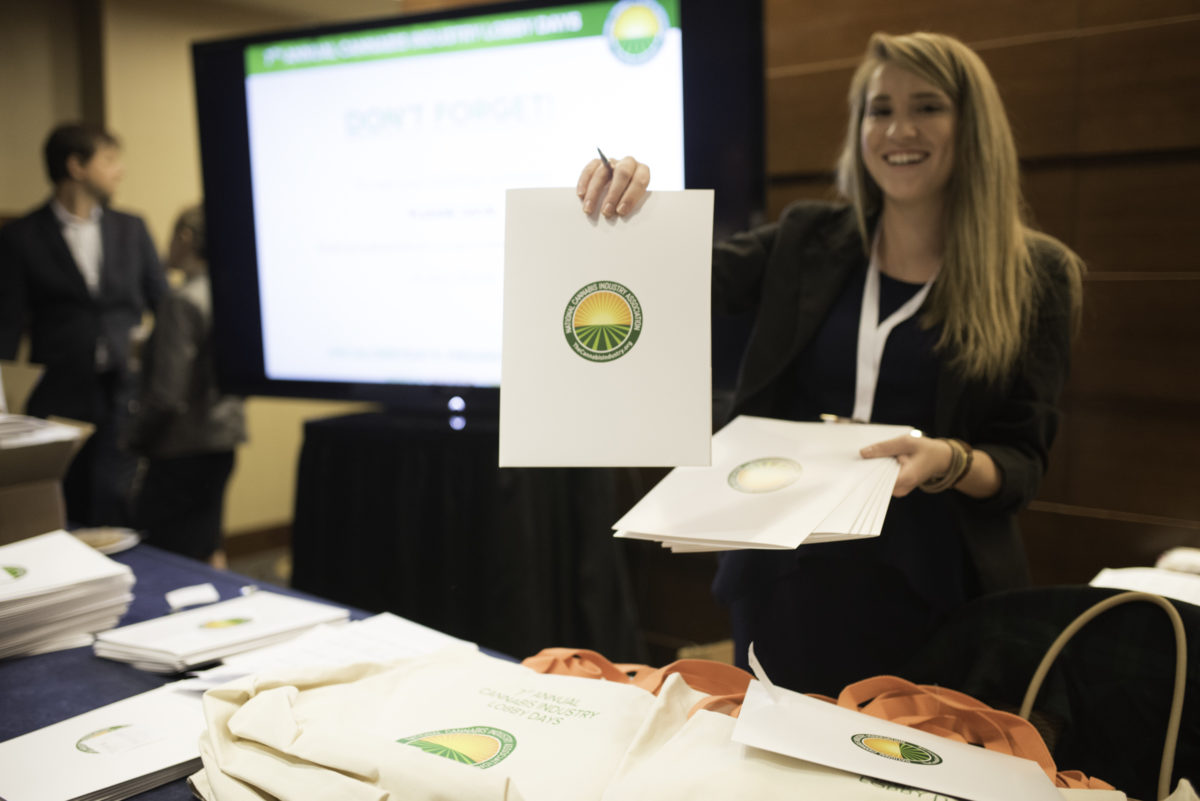

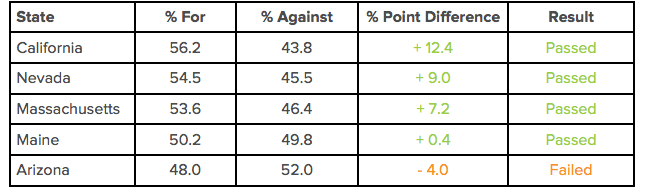
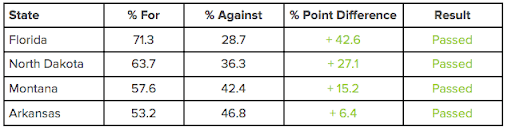


 As a former Federal bank regulator and seasoned consultant, Angela’s knowledge of regulatory compliance, risk management and investment advisory services has established her reputation as a leading resource within the financial consulting industry, spanning consumer protection and anti-money laundering statutes, fraud and cannabis banking issues.
  In his role as
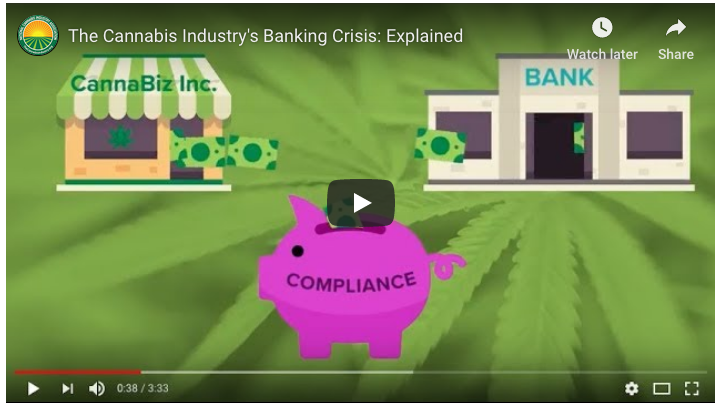
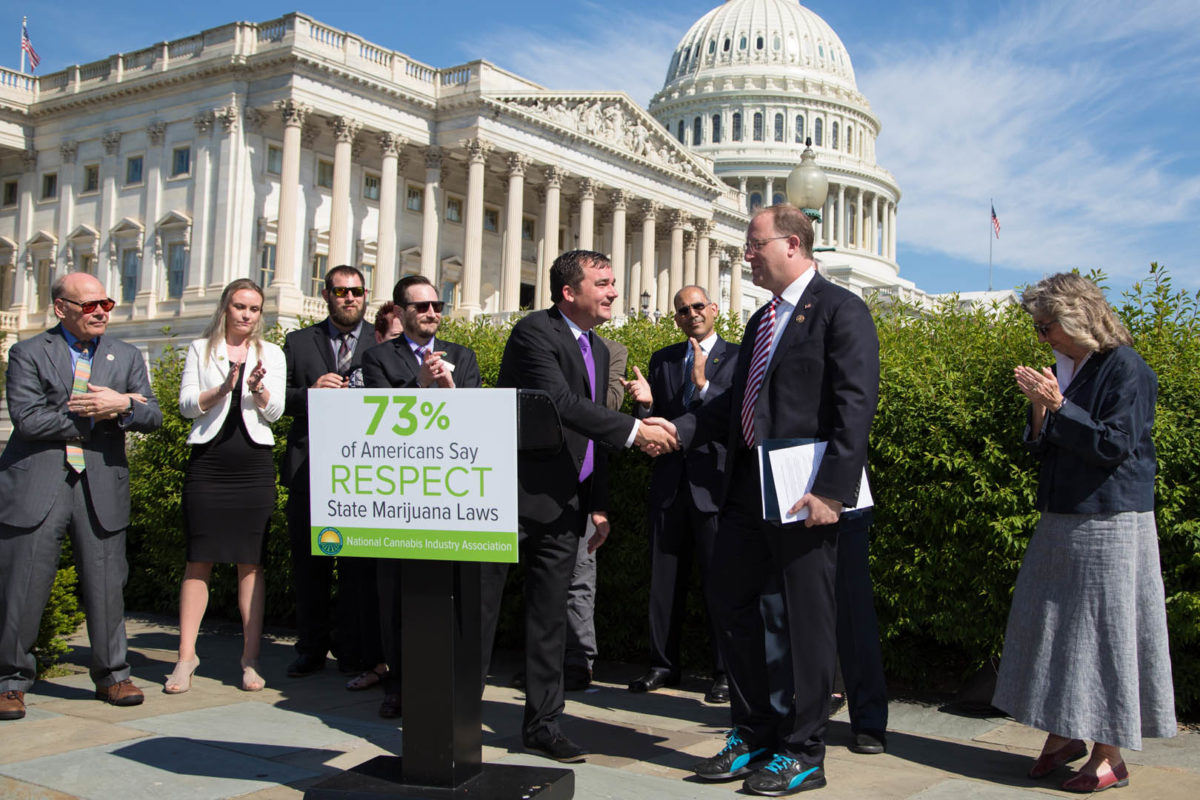

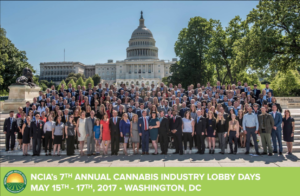

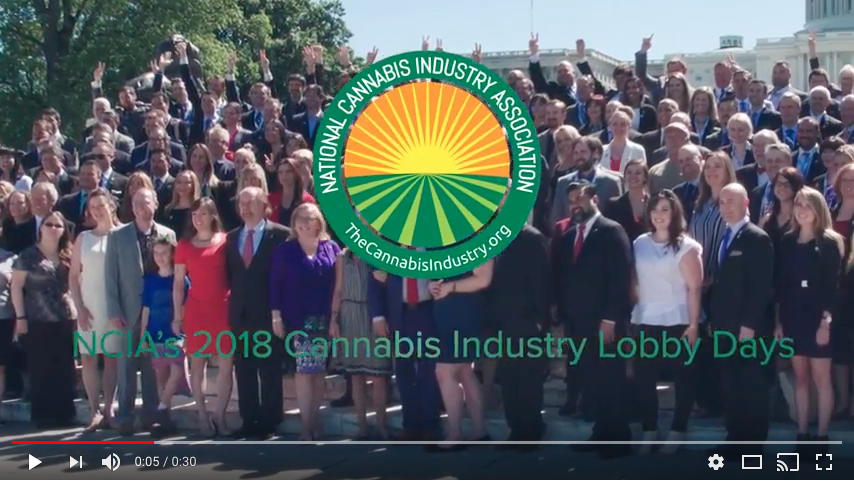





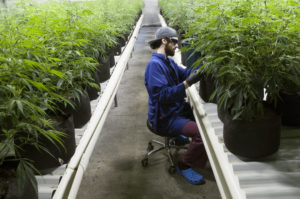

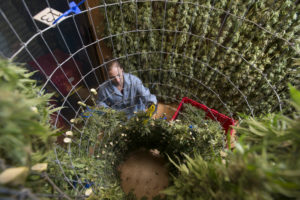
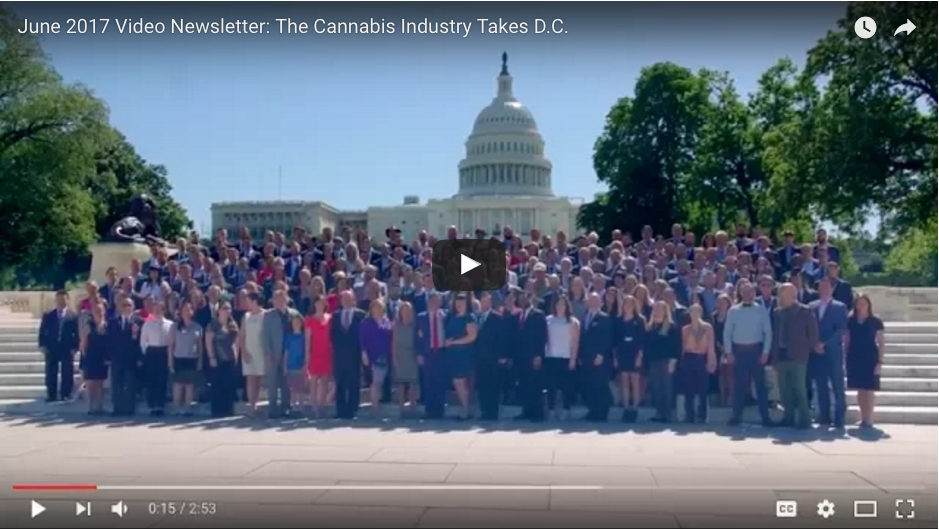




 Federal regulations force most companies operating in the cannabis space today to deal primarily in cash. If you look back at emerging industries, operating only in cash doesn’t foster an environment for growth. Think of it this way: in a cash environment, a company with $1,000 in cash can buy only $1,000 worth of goods, but in a trade credit environment, a company with $1,000 in cash and $2,000 in trade credit can buy $3,000 worth of goods. Potential income from retail sales has tripled.





Follow NCIA
Newsletter
Facebook
Twitter
LinkedIn
Instagram
News & Resource Topics
–
This Just In
How THCa Vapes Are Changing Consumer
Announcing NCIA’s 2026-2028 Board of Directors