Today, 70% of Americans support the end of cannabis prohibition and almost four in every ten adults have access to regulated, legal cannabis for their own use — no questions asked.
We are on the precipice of the end of federal prohibition, with even the Senate Majority Leader calling regularly for his chamber to advance legislation that would legalize cannabis. In 2012, when Colorado voted overwhelmingly to amend their constitution to create the adult-use cannabis industry, it seemed incredibly unlikely – even in that moment of success – that we’d see the explosion in progressive policy and normalization coast-to-coast in marijuana that we have.
For those that were fortunate to know Steve Fox, though, our present felt more like an inevitability than anything else. Remembered as an energetically empathic and enthusiastic advocate, anyone who has enjoyed any part of the legal cannabis boom owes a moment of peace to Steve’s memory.
Steve was one of the first political power players to turn their attention to cannabis, long before it was polling at a place where prominent politicians were tripping over themselves to attach themselves to 420-friendly policy. Building on momentum from the medical cannabis movement and championing the personal liberties being accosted by the overcriminalization of cannabis, he had an immediate and lasting impact when he arrived on Capitol Hill.
In 2002, only five years after the first state decriminalized cannabis for medical use, Steve was the lone full-time cannabis lobbyist in Washington, D.C., pushing for federal reform in our nation’s capital on behalf of Marijuana Policy Project. He answered the call for justice long before most others heard it, championing cannabis as a proxy for his own views on societal justice and individual freedom.
Dedicated to a clear set of righteous ethics, armed with his passionate voice for sensible reform, Steve worked incredibly hard and with every tool at his disposal to do the right thing, in the correct way. While drafting and campaigning for Colorado’s Amendment 64, which would be the nation’s first to legalize cannabis for adult use, Steve never took his eyes off the need for succinct and coordinated efforts for the community that would grow in a patchwork across a country opening their markets state by state.
It was in 2010 that he and I, fellow Marijuana Policy Project alums, set out to answer that call for a single voice to speak on behalf of the emerging industry and founded the National Cannabis Industry Association. Recognizing that his incredible energy, rarely slowed, would serve best in his lobbying efforts, Steve opted to become the first Secretary of the NCIA Board of Directors and worked with and around — though never in — his own organization for the next decade.
At the time, after the release of the Ogden Memo by the U.S. Justice Department directing prosecutors not to prioritize the use of federal resources to prosecute patients with serious illnesses or their caregivers who are complying with state laws on medical marijuana, cannabis policy was wide open.
An industry association, uniting all voices and allowing for progressive policy to be pushed in a single stroke, remains only one of Steve’s legacies. Though his work is unfinished, we are all fortunate that he inspired dozens of passionate activists, lobbyists, and policy writers who are dedicated to seeing it done in his memory and with his spirit.
If you’ve enjoyed any of the benefits of legal, regulated, adult-use cannabis — whether it is your own personal consumption, better schools from taxes, a safer neighborhood — please consider contributing to the GoFundMe set up by VS Strategies to support his wife and daughters in this difficult time.
A Message From Our CEO – Farewell 2020
Photo By CannabisCamera.com
In these last few days of the year, I’m as eager as anyone to put it all behind us in the rearview mirror, but I’m also so grateful of what our members have made possible in 2020.
As we close out NCIA’s 10th year as the cannabis industry’s largest and most respected trade association, I’m just in awe of all the progress that has been made for the cannabis industry in spite of so many challenges.
When state governments were first grappling with the response to the pandemic, most deemed cannabis businesses as “essential,” allowing our industry to stay open to serve patients and adult consumers. Just a few years ago, this level of recognition as a vital sector of the economy would have been unthinkable — even to me!
What’s more, legal cannabis sales broke records throughout the months of this pandemic. It should be no surprise that #CannabisIsEssential to getting through a global pandemic.
Although our lobbying operation went virtual this year, NCIA was able to move the ball further than ever in Congress. The House of Representatives ended the year by passing the groundbreaking MORE Act, marking the first time either chamber of Congress has approved legislation to legalize cannabis since its prohibition over 80 years ago.
Public support for sensible marijuana policy and the legal cannabis industry stands at its all-time high. During the most divisive election in modern U.S. history, voters from across the political spectrum support ending prohibition and putting cannabis behind a regulated counter. In fact, adult-use cannabis initiatives garnered more votes than President-Elect Biden in every state where both appeared on the ballot — including the two he decisively won (New Jersey and Arizona). The hundreds of forward-thinking businesses that support our advocacy and education efforts have made this incredible progress possible, in spite of an otherwise dismal year.
It’s been almost ten months since we have been able to host in-person events but NCIA has continued to keep our community connected and informed through our Industry Essentials educational webinar series, Cannabis Caucus (cyber) events, and the Cannabis Business Cyber Summit.
NCIA also launched a second weekly podcast offering, The Cannabis Diversity Report, and celebrated more than 200 episodes of The Cannabis Industry Voice podcast (also top 50 U.S. Business News charts for Apple Podcasts), plus monthly live video updates with NCIA Today. During this temporary break from face-to-face networking, we’ve created several digital sponsorship opportunities for savvy cannabis businesses to elevate their brand while also supporting the work we are doing to advance the industry.
Amidst our national reckoning over systemic racism and police brutality, NCIA launched our Equity Scholarship program which now provides membership benefits to over 100 equity operators. Thanks to the financial support of a growing number of businesses that have stepped up to support social equity in cannabis, this important program will continue to be a priority in 2021 and beyond.
2020 was also a great year to be a member of NCIA. As the only full-service trade association in the cannabis industry, we take pride in providing our members with the resources they need to gain a competitive advantage over the industry’s free-riders and isolated operators.
Over the past year, we’ve expanded our membership benefits with the launch of our exclusive online community, NCIA Connect, as well as significant member-only discounts onSimplifya’s compliance platform.
I take pride that NCIA is the only association in cannabis providing our members with this kind of direct ROI in addition to professional political representation in our nation’s halls of power.
Our members are building the next great American industry. It’s an honor representing them through the thick and thin. Progress takes time but the work we are doing to build support for that industry in the halls of Congress and among the voting public is paying off.
On behalf of the whole team at NCIA, I wish you a happy holiday season and new year! I hope you’re enjoying it safely with those you love. We have even more in store for 2021 as we continue to support our members through advocacy, education, and community, so stay tuned.
With gratitude,
Aaron Smith Co-founder & CEO
P.S. If you are not yet a member of NCIA but somehow read all the way to this point, please take just a couple of minutes more to join today. NCIA membership is a simple investment in the future of your business and our industry.
P.P.S If you are a member, reach out and say hello. I’d love to hear about your plans for 2021 and find out how NCIA can help your business succeed.
Looking Back On #10YearsOfNCIA: 2018-2019
Photo By CannabisCamera.com
by Michelle Rutter Friberg, NCIA’s Deputy Director of Government Relations
Over the last several weeks, I’ve been taking a retrospective look at the progress NCIA has made in the ten years since its inception. This is our last installment, detailing 2018-2019, and brings us up to 2020 (the year that shall not be spoken of). While this timeline is by no means a comprehensive look at everything that’s happened in cannabis policy during those years, here are some highlights:
January 2018
On January 4, 2018, then-Attorney General Jeff Sessions declared in a one-page memo that he had rescinded the Cole Memo, a similar memo related to cannabis activity on tribal land, and two other older memos. Sessions directed U.S. Attorneys to instead “follow the well-established principles that govern all federal prosecutions,” which require federal prosecutors to “weigh all relevant considerations, including federal law enforcement priorities set by the Attorney General, the seriousness of the crime, the deterrent effect of criminal prosecution, and the cumulative impact of particular crimes on the community.”
February 2018
This month was filled with the political fallout of the rescission of the Cole Memo. First, a letter was written by the U.S. Treasury Department’s assistant secretary for legislative affairs to Congress that said, “We are reviewing the [cannabis banking] guidance in light of the Attorney General’s announcement [to rescind the Cole Memo] and are consulting with law enforcement”. Then, following Sen. Gardner’s (R-CO) decision to block the Department of Justice’s nominees over the rescission of the Cole Memo in January, he released his holds on nominees for U.S. attorneys in a dozen federal districts and U.S. marshals in every district. Holds continue on the nominations of seven top Department of Justice nominees.
March 2018
In March, Attorney General Sessions spoke at an event where he acknowledged that the Department of Justice cannot use its limited resources to enforce cannabis prohibition against everyone who violates federal marijuana laws. He said, “We’re not going to be able, even if we desired, to take over state enforcement of routine cases that might occur.”
April 2018
The Trump administration officially began accepting online comments about whether marijuana should be rescheduled under international agreements. That same month, U.S. Senate Majority Leader Mitch McConnell (R-KY) filed a hemp legalization bill.
May 2018
The U.S. Small Business Administration (SBA) quietly issued a document saying that businesses that work with the marijuana industry aren’t eligible for federally backed loans. Fast forward to 2020, this document is largely what prohibited both direct and indirect marijuana businesses from receiving PPP money or federal assistance due to the COVID-19 pandemic.
June 2018
Senators Elizabeth Warren (D-MA) and Cory Gardner (R-CO), introduced the Strengthening the Tenth Amendment Through Entrusting States (STATES) Act. Shortly thereafter, President Trump was asked if he supports new Senate legislation to let states set their own marijuana laws without federal interference, to which he replied, “I really do. I support Senator Gardner. I know exactly what he’s doing. We’re looking at it. But I probably will end up supporting that, yes.” The STATES Act has never had a congressional hearing or moved in any way through the legislative process.
July 2018
In a slight change of tone, U.S. Attorney General Jeff Sessions said that “states have a right to set their own laws and will do so” but that “the American republic will not be better if there are marijuana sales on every street corner” and “we’ll [Department of Justice] enforce the federal law.”
August 2018
A group of the top financial regulatory officials from 13 states sent a letter urging congressional leaders to solve the marijuana industry’s banking access issues. The regulators wrote, “It is incumbent on Congress to resolve the conflict between state cannabis programs and federal statutes that effectively create unnecessary risk for banks seeking to operate in this space without the looming threat of civil actions, forfeiture of assets, reputational risk, and criminal penalties.”
September 2018
NCIA worked with Congressman Lou Correa (D-CA) to send a letter to the Department of Homeland Security Secretary Kirstjen Nielsen that urges the department to develop clear guidance concerning the entry into the United States of foreign nationals with authorized work visas who are associated with the cannabis industry.
October 2018
Well-known pollster Gallup found that sixty-six percent of Americans now support legalizing marijuana. Support has remained near that number to the present.
November 2018
This month, midterm elections were held, and a number of states voted on setting their own cannabis policies. Residents of Michigan and North Dakota both voted on adult-use measures, one passing and one failing, respectively. Additionally, Utah and Missouri both passed medical cannabis ballot initiatives. While the Senate remained in control of the GOP, the House of Representatives switched from a Republican majority to a Democratic majority.
December 2018
Congress passed the 2018 Farm Bill which included hemp legalization. The bill did not create a completely free system in which individuals or businesses can grow hemp whenever and wherever they want — there are numerous restrictions — and the programs are still being adjusted today.
January 2019
The 116th Congress was sworn in and quickly filed a number of cannabis-related bills, including:
H.R. 420: Regulate Marijuana Like Alcohol Act, H.R. 493: Sensible Enforcement of Cannabis Act, and H.R. 127: Compassionate Access, Research Expansion, and Respect States (CARERS) Act of 2019
February 2019
In February, the Subcommittee on Consumer Protection and Financial Institutions held its first-ever hearing on marijuana and financial services, entitled: Challenges and Solutions: Access to Banking Services for Cannabis-Related Businesses. Up for discussion was the Secure and Fair Enforcement (SAFE) Banking Act.
March 2019
Quickly following the subcommittee hearing, the House Financial Services Committee scheduled a full markup for the SAFE Banking Act. The bill passed out of committee with a bipartisan vote of 45-15.
April 2019
During a House appropriations subcommittee hearing, several lawmakers asked Treasury Secretary Steven Mnuchin about what could be done to provide state-legal cannabis businesses with access to financial institutions. Mnuchin replied, “Let me just say, I hope this is something that this committee can on a bipartisan basis work with since there are people on both sides of the aisle that share these concerns. I will just say I don’t believe this is a failure of the regulators. I want to defend the regulators on this issue.”
May 2019
NCIA hosted our 9th Annual Cannabis Industry Lobby Days, bringing hundreds of professionals to Washington, D.C. Over the course of 48 hours, attendees met with nearly 300 congressional offices to share their stories and experiences and dropped off informational materials to 200 offices that we did not schedule meetings with. In addition to these meetings, we had two briefings, held a PAC fundraiser, and hosted our first-ever VIP Day for members of our Leadership Circle.
June 2019
In June, the Senate Banking Committee held a hearing entitled “Challenged for Cannabis and Banking: Outside Perspectives.” NCIA was proud to have Sen. Jeff Merkley introduce for the record the testimonials of nearly 100 NCIA members during the hearing.
July 2019
The Subcommittee of the House Judiciary Committee held a hearing on ending cannabis prohibition in America. The hearing, entitled “Marijuana Laws in America: Racial Justice and the Need for Reform” will focus on the need to deschedule cannabis, the importance of equity, diversity, inclusivity in this burgeoning industry, and will also cover issues pertaining to cannabis and public health, law enforcement, and the failings of prohibition.
August 2019
When President Trump was asked at the end of August whether or not marijuana will be federally legalized during his administration, he said, “We’re going to see what’s going on. It’s a very big subject and right now we are allowing states to make that decision. A lot of states are making that decision, but we’re allowing states to make that decision.”
September 2019
For the first time in history, a standalone cannabis policy reform bill was brought before the House of Representatives for a vote and passed with an overwhelming bipartisan majority. The Secure and Fair Enforcement (SAFE) Banking Act of 2019, or H.R. 1595, was approved 321-103, including nearly half of voting Republicans, in a suspension vote.
October 2019
The U.S. Tax Court ruled this week that the tax code ban on business deductions by medical marijuana companies is constitutional. The case is Northern California Small Business Assistants Inc. v. Commissioner of Internal Revenue, docket number 26889-16.
November 2019
In a vote of 24-10, the House Judiciary Committee approved a bill that would effectively end marijuana prohibition. The Marijuana Opportunity Reinvestment and Expungement (MORE) Act of 2019, or H.R. 3884, was introduced by House Judiciary Committee Chairman Jerrold Nadler (D-NY) and has been moving through the legislative process steadily. The MORE Act is anticipated to be voted on by the full House of Representatives this month.
December 2019
The Federal Reserve released guidance allowing banks to work with the hemp industry. Financial institutions are no longer required to file suspicious activity reports on customers operating a hemp business.
It’s been a wild ride to look back at the last 10 years of NCIA, and we are looking forward to serving you and your business for another 10 more!
Looking Back On #10YearsOfNCIA: 2016-2017
Photo By CannabisCamera.com
by Michelle Rutter Friberg, NCIA’s Deputy Director of Government Relations
Over the last month, I’ve been taking a retrospective look at the progress NCIA has made in the ten years since its inception. While it’s been fun to look back at those early years, this week I’m excited to look at a time when cannabis policy was getting really active: 2016-2017! While this timeline is by no means a comprehensive look at everything that’s happened in cannabis policy during those years, here are some highlights:
January 2016
District judge dismisses lawsuit against the Fed, filed by the Fourth Corner Credit Union, says Congress must fix the cannabis banking problem. The same month, President Obama announces that cannabis reform is not on his agenda in 2016.
March 2016
The Supreme Court dismisses Kansas’ challenge to Colorado marijuana laws. The 6-2 vote meant the nation’s highest court would not rule on the interstate dispute, and Colorado’s legal cannabis market remains safe. “Since Colorado voters overwhelmingly passed legal recreational marijuana in 2012, we have worked diligently to put in place a regulatory framework — the first in the world — that allows this new industry to operate while protecting public health and safety,” then- Gov. John Hickenlooper (D) said following the decision. “With today’s Supreme Court ruling, the work we’ve completed so far remains intact.”
An AP poll shows that 61% of Americans support legalizing cannabis. The most recent Gallup poll on the issue, published in October 2019, shows that approval number has risen to 66%.
April 2016
U.S. Senate Caucus on International Narcotics Control holds a hearing titled “Is the Department of Justice Adequately Protecting the Public from the Impact of State Recreational Marijuana Legalization?”
May 2016
NCIA holds its 6th Annual Cannabis Industry Lobby Day in D.C., garnering over 150 attendees and participating in more than 200 scheduled meetings on Capitol Hill. That same month, the Tax Foundation reports a legal marijuana industry could mean up to $28 billion in federal, state, and local tax revenues.
June 2016
NCIA hosts our 3rd Annual Cannabis Business Summit in Oakland with 3,000+ attendees. That same month, the U.S. Senate Appropriations committee narrowly approved a marijuana banking amendment. Ultimately, the amendment did not make it into law. The amendment has not passed this specific Committee since, though we continue to try!
July 2016
Showing increased interest and momentum on this issue, the U.S. Senate Judiciary Committee holds a hearing on the potential benefits of medical marijuana. The same month, the Democratic Party included reclassifying cannabis in the party’s platform.
August 2016
This was an exciting month because we got to really see our efforts at work in the real world. Four years ago this month, the Ninth Circuit Court of Appeals ruled that due to the Rohrabacher-Farr amendment, the Department of Justice cannot use funds to enforce federal law against state-legal medical cannabis businesses.
September 2016
U.S. Attorney General Loretta Lynch says that marijuana is not a gateway drug, but that same month, FBI data showed that there is one cannabis arrest every 49 seconds in the U.S. The majority of those individuals are Black and brown and are arrested four to eight times more than their white counterparts.
October 2016
Members of Congress and the campaigns to legalize cannabis in various forms enter the final push. That month, a report also showed that Colorado’s marijuana industry had a $2.39 billion financial impact and created more than 18,000 jobs in the state.
November 2016
Five states (Arizona, California, Maine, Massachusetts, and Nevada) voted on ballot initiatives to legalize, tax, and regulate marijuana for adult use. Four of those initiatives passed, and three of them passed by more than seven percentage points.
Four states (Arkansas, Florida, Montana, and North Dakota) voted on ballot initiatives to create or expand legal medical marijuana programs. All four of those initiatives passed, with an average victory of 26.3 percentage points.
Of course, November 2016 is also when Republicans took control of both chambers of Congress and candidate Trump became president-elect Trump.
January 2017
NCIA establishes the Policy Council to serve as the industry’s “think tank” in D.C., developing and publishing policy papers to educate policymakers and other stakeholders on topics relevant to the cannabis industry. The same month, Sen. Jeff Sessions (R-AL) begins his confirmation hearing to become U.S. Attorney General. He is subsequently confirmed, bringing uncertainty to the cannabis space.
February 2017
White House press secretary Sean Spicer said that he expects states to see “greater enforcement” of the federal law against marijuana use, a move that would be at odds with a growing number of states’ decisions to legalize it. Spicer, taking questions from reporters at the daily briefing, differentiated between the administration’s positions on medical marijuana and recreational marijuana. Funnily enough, Spicer’s career lasted about as long as it takes me to smoke a joint.
The nation’s first-ever Congressional Cannabis Caucus is formed by Reps. Rohrabacher (R-CA) and Blumenauer (D-OR) with help from friends Reps. Polis (D-CO) and Young (R-AK). In the 116th Congress, Rohrbacher and Polis left Congress and were replaced by Barbara Lee, a Democrat from California, and David Joyce, a Republican from Ohio, as co-chairs.
May 2017
NCIA’s D.C. team grew from two (myself and Mike) to three, with the addition of Maddy Grant, who was our Government Relations Coordinator at the time. Since then, Maddy has become one of my best friends and was even one of my bridesmaids! If you know Maddy, you know she’s the best and NCIA is lucky to have her!
NCIA held its 7th Annual Cannabis Industry Lobby Days in Washington, D.C., where 250 industry professionals coalesced on Capitol Hill to attend over 300 scheduled meetings. Following that, there was a substantial increase in the number of cosponsors on cannabis-related bills compared to the previous Congressional session.
July 2017
The Senate Appropriations Committee voted on their equivalent of the Rohrabacher-Farr amendment, sponsored by the committee’s vice chairman, Patrick Leahy (D-VT). That amendment passed on a voice vote and was the first time ever that a cannabis-related amendment passed in such a manner. At the end of July, the Senate Appropriations Committee also adopted an amendment that would allow the Department of Veterans Affairs to recommend medical cannabis in states. That amendment passed by a vote of 24 to 7 – the most votes this measure has ever received in the Senate. The veterans’ measure did not end up becoming law.
September 2017
The House Rules Committee held a hearing to discuss amendments to the upcoming appropriations bill that will fund the federal government for the upcoming fiscal year and chose not to vote on the amendment that protects medical cannabis businesses, patients, and programs. Since the protections for medical cannabis businesses were included in the Senate’s version of the budget bill but are not included in the House’s versions, it came down to a conference committee to negotiate its inclusion, and ultimately, the provision remained in law.
December 2017
Senate Republicans passed their tax reform package into law. Sen. Cory Gardner (R-CO) introduced two amendments to the bill that targeted 280E, however, he withdrew both amendments before the final bill was voted on.
If you think reminiscing on all that was a lot, make sure you keep an eye on our blog and future issues of NCIA’s Cannabusiness Leader to learn more about 2018-2019 and the progress we’ve made more recently as we wrap up this series!
Looking Back On #10YearsOfNCIA: 2014-2015
by Michelle Rutter Friberg, NCIA’s Deputy Director of Government Relations
Earlier this month, I took a retrospective look at the progress NCIA made in its early years (2010-2013). I started with the organization in 2014, so I’m excited today to take a walk down memory lane and look back at another era of NCIA history: 2014-2015! While this timeline is by no means a comprehensive look at everythingthat’s happened in cannabis policy during those years, here are some highlights:
February 2014
Department of the Treasury’s Financial Crimes Enforcement Network (“FinCEN”) published its own expectations regarding marijuana-related business guidelines. These guidelines, issued on February 14 and commonly referred to as the Valentine’s Day guidance, attempted to clarify Bank Secrecy Act (“BSA”) expectations for financial institutions seeking to provide services to marijuana-related businesses. FinCEN issued this guidance as states continued to set their own cannabis policies, and just months after the Cole Memo was issued.
May 2014
The Rohrabacher-Farr Amendment passes the U.S. House of Representatives for the first time ever with a vote of 219-189. While I had not started with NCIA just yet, I was in touch with our Director of Government Relations, Mike Correia, that night. Mike spent that evening doing two things: lobbying in the Capitol and running to the hospital to be with his wife, who was in labor! I remember waking up the next morning to learn two things: first, that states with medical cannabis programs and patients were going to be protected, and second, to find that Mike was the father of a baby girl!
June 2014
NCIA hosts our 1st Annual Cannabis Business Summit & Expo in Denver, bringing hundreds of cannabis industry professionals together.
October 2014
NCIA hires their second government relations staffer, ME! At the time, I was hired to be the Government Relations Coordinator and it changed my life forever.
November 2014
Oregon, Alaska, and Washington, D.C. all vote to legalize adult-use cannabis. However, because Congress has the final say over D.C. policies, the District still does not have any adult-use dispensaries.
March 2015
For the first time ever, pro-cannabis legislation is introduced in the U.S. Senate as S. 683, the Compassionate Access, Research Expansion, and Respect States (CARERS) Act of 2015. I remember that day well– Mike and I were there at the press conference with the architects of the bill, Sens. Booker (D-NJ), Gillibrand (D-NY), and Paul (R-KY).
April 2015
NCIA hosts its Fifth Annual Cannabis Industry Lobby Days in Washington, D.C., and brings dozens of cannabis industry professionals to the halls of Congress to talk directly with members of Congress and their staff. That same month, Mike and I moved into the first NCIA-DC office.
June 2015
The Rohrabacher-Farr amendment passes the U.S. House of Representatives for the second time by a wider margin of 242-186. Later that month, the U.S. Senate Appropriations Committee passed the companion Mikulski medical cannabis amendment by a vote of 20-10.
NCIA hosts its 2nd Annual Cannabis Business Summit & Expo in Denver. This also marked the first time a Presidential contender (Sen. Rand Paul, R-KY), hosted a private fundraiser with the cannabis industry.
July 2015
NCIA hires two well established D.C. lobbying firms to represent the industry on Capitol Hill. This was the first time in history that a “white shoe” firm worked to further pro-cannabis legislation. Nowadays, there are dozens of lobbying firms involved in this space!
Sen. Jeff Merkley (D-OR) introduced the Senate version of the Marijuana Businesses Access to Banking Act. This bill was the precursor to the SAFE Banking Act, and to this day, Sen. Merkley is our biggest advocate for banking in the chamber!
September 2015
Sen. Kirsten Gillibrand (D-NY) gives the opening keynote speech at NCIA’s Fall Regional Cannabis Business Summit. That same month, GOP presidential contenders were askedabout cannabis policy at a CNN Debate, showing the mainstream acceptance of this issue.
October 2015
Democratic presidential contender and Senator Bernie Sanders introduces the Ending Federal Marijuana Prohibition Act of 2015 (S. 2237), becoming the first major-party presidential candidate to support the legalization of adult-use cannabis. Also that month, United States District Judge Breyer lifted an injunction against a California medical cannabis dispensary, citing the Rohrabacher-Farr amendment.
November 2015
NCIA celebrates its 5th Anniversary in Las Vegas and honors Rep. Barbara Lee (D-CA) with the 2015 Legislator of the Year Award.
Photo By CannabisCamera.com
Looking back, those early years of NCIA were without a doubt integral to where we are now in cannabis policy. Make sure you keep an eye on future issues of NCIA’s Cannabusiness Leader to learn more about 2016-2017 and all the progress we made during those years!
#10YearsOfNCIA: A message from our co-founder & CEO
Ten years ago, a small group of cannabis pioneers and I setout to launch the cannabis industry’s first national trade association. At the time, only 14 states had legalized medical cannabis, none had adult-use laws, no states had regulated their medical cannabis markets, and there was virtually no interest in federal marijuana reform in Congress.
As NCIA closes out our tenth year advancing the interests of the cannabis industry, all but three U.S. states have some kind of cannabis law on the books, 10 have regulated the commercial production and sale of cannabis for adults, two-thirds of Americans support national legalization, and Congress is closer than ever to making that a reality. And, thanks to hundreds of NCIA members, our organization has grown to become the gold standard for cannabis industry advocacy, education, and community. This incredible progress hasn’t happened on its own — it’s a direct result of the forward-thinking cannabis professionals who have invested in reform efforts and joined forces with NCIA as members over the years. We also still have a lot of work to do and it’s more important than ever that our industry maintains a strong presence in our nation’s halls of power during this era of global pandemic, economic downturn, and outrage over systemic racism.
If you run a cannabis business and share our view that the industry should be treated fairly under federal law but haven’t yet become a member of your industry’s trade association, I invite you to help us move the industry even further by joining today. In addition to the investment in vital advocacy efforts, NCIA members enjoy a myriad of networking, information, and educational benefits to gain a competitive advantage over isolated cannabis businesses.
Already a member or not quite ready to join just yet? That’s okay, you can still contribute to our work by making a generous donation today. Consider it not only an anniversary gift to NCIA but also a simple investment in the future of legal cannabis commerce that we are creating through our ongoing public affairs work. Every dollar counts.
Thank you for your commitment to defending and expanding the regulated cannabis marketplace. Together, we will establish a legal cannabis industry that is forever prosperous, sustainable, and inclusive.
Here’s to another ten years! Aaron Smith Co-founder & CEO
National Cannabis Industry Association
*Feature Photo: NCIA co-founders Aaron Smith (left) and Steve Fox (right) meeting up before the organization’s first board meeting in December, 2010.
Looking Back On #10YearsOfNCIA: 2009-2013
Photo By CannabisCamera.com
by Michelle Rutter Friberg, NCIA’s Deputy Director of Government Relations
As NCIA continues into our tenth year advancing the interests of the cannabis industry, all but three U.S. states have some kind of cannabis law on the books, 10 have regulated the commercial production and sale of cannabis for adults, two-thirds of Americans support national legalization, and Congress is closer than ever to making that a reality.
I started with NCIA nearly six years ago, so I’ve witnessed much of the progress we’ve made firsthand — especially the strides forward we’ve made in policy and in the halls of Congress! Let’s take a look back to the early years of NCIA (2010-2013) to see just how far we’ve come in the last decade.
October 2009
The Ogden Memo is released by the Justice Department, directing prosecutors not to prioritize the use of federal resources to prosecute patients with serious illnesses or their caregivers who are complying with state laws on medical marijuana, laying the groundwork for a new national industry. Personally, I consider the Ogden Memo to be the mother of the now-rescinded Cole Memo.
November 2010
NCIA is formed as the cannabis industry’s only national trade association by long-time marijuana policy reform leaders Aaron Smith and Steve Fox.
March 2011
Six association members join Smith and Fox for NCIA’s 1st Annual Cannabis Industry Lobby Days in Washington, D.C. Now, Lobby Days brings hundreds of cannabis industry professionals to D.C. and includes VIP Day, receptions, and opportunities to mingle with over a dozen members of Congress and their staff.
May 2011
The Small Business Banking Improvement Act of 2011 (H.R. 1984), which would exempt state-legal cannabis businesses from Suspicious Activity Report requirements, is introduced in the U.S. House of Representatives by then-Rep. Jared Polis. This bill was the precursor to the Marijuana Businesses Access to Banking Act, which was the precursor to the SAFE Banking Act.
May 2011
The Small Business Tax Equity Act of 2011 (H.R. 1985), which would correct the unfair tax burden of Section 280E, is introduced in the U.S. House of Representatives by Rep. Pete Stark (D-CA). That bill has been re-introduced in every congressional session since 2011. Today, the Small Business Tax Equity Act (H.R. 1118) has 11 cosponsors (compared to over 40 last session), but don’t think it’s because 280E isn’t important– advocates and congressional staff have simply been focused this session on passing SAFE Banking.
June 2011
Rep. Barney Frank (D-MA) and Rep. Ron Paul (R-TX) introduced the Ending Federal Marijuana Prohibition Act of 2011 (H.R. 2306) with NCIA’s support. The bill would have ended prohibition and legalized cannabis at the federal level by amending the Controlled Substances Act. It would then transfer the authority to regulate cannabis from the Drug Enforcement Administration to the Bureau of Alcohol, Tobacco, Firearms, and Explosives.
November 2012
Colorado and Washington become the first two states to legalize marijuana for adult use and sales via voter initiative. NCIA, while an infant of an organization, proudly supported both of these initiatives even as some in the industry didn’t support full legalization at that time. In fact, our co-founder Steve Fox was one of the primary authors of Colorado’s Amendment 64 and our former Deputy Director, Betty Aldworth, was a campaign spokesperson just before joining NCIA.
April 2013
NCIA hosts conservative tax reform champion, Grover Norquist, at its third annual Cannabis Industry Lobby Days in Washington, D.C. While there, Norquist discussed Americans for Tax Reform’s (ATR) release of a white paper titled Legal Cannabis Dispensary Taxation: A Textbook Case of Punishing Law-Abiding Businesses Through the Tax Code. The paper discussed Section 280E of the tax code, which is still misapplied to legal cannabis businesses and creates an effective tax rate two to four times that of other small businesses. Norquist also announced ATR’s endorsement of the Small Business Tax Equity Act.
July 2013
Congressional cannabis champion Rep. Ed Perlmutter (D-CO) introduces the Marijuana Businesses Access to Banking Act of 2013 (H.R. 2652) in the House of Representatives. This bill was the precursor to the SAFE Banking Act which has been approved (twice) by the House of Representatives in the last year.
August 2013
James M. Cole, the Deputy Attorney General, issues new guidance regarding marijuana enforcement and banking, referred to as the “Cole Memo.” The memo indicated that prosecutors and law enforcement should focus only on the following priorities related to state-legal cannabis operations:
Preventing the distribution of marijuana to minors;
Preventing revenue from the sale of marijuana from going to criminal enterprises, gangs, and cartels;
Preventing the diversion of marijuana from states where it is legal under state law in some form to other states;
Preventing state-authorized marijuana activity from being used as a cover or pretext for the trafficking of other illegal drugs or other illegal activity;
Preventing violence and the use of firearms in the cultivation and distribution of marijuana;
Preventing drugged driving and the exacerbation of other adverse public health consequences associated with marijuana use;
Preventing the growing of marijuana on public lands and the attendant public safety and environmental dangers posed by marijuana production on public lands; and
Preventing marijuana possession or use on federal property.
September 2013
Sen. Leahy (D-VT), Chairman of the Senate Judiciary Committee holds an oversight hearing on federal marijuana policy. Both Attorney General Eric Holder and Deputy Attorney General James Cole testified. The hearing, titled “Conflicts between State and Federal Marijuana Laws” came just months after two states, Washington and Colorado, legalized small amounts of cannabis for personal use by adults over 21. At the time, twenty states and the District of Columbia had legalized medicinal cannabis.
November 2013
NCIA hires a Director of Government Relations in Washington, D.C., the first-ever full-time lobbyist on behalf of cannabis businesses at the federal level. That was the man, the myth, the legend: Michael Correia, who is still here nearly seven years later! The Washington Posteven profiled the nation’s first full-time cannabis lobbyist.
Looking back, those early years of NCIA were without a doubt integral to where we are now in cannabis policy. Make sure you read next week’s edition to learn more about 2014-2016 and all the progress we made during those years!
Meet The Team: Vince Chandler – NCIA’s Digital Strategist
My mother once quipped in a Facebook post, shortly after I first made my professional entreé into the cannabis space, something along the lines of “high school Vince has finally found a way to make a living.”
It was around the advent of the extra reaction options on Facebook, and I watched with a particular personal pleasure as the “haha” reactions multiplied. Some people were laughing because the adult-use cannabis industry was still brand new and a mom celebrating their son joining it publicly was certainly unexpected, quite possibly still avant-garde.
Others, though, were laughing for the same reason that I was. It was funny simply because it was true.
Raised by a career journalist and community organizer, I was enabled to find and empower my voice early. I had the privilege as a teenager to protest American imperialism while expressing my own personal identity. Always aware of impact, my parents concentrated on imbibing the need to amplify others’ voices with an intentional consciousness of my privilege.
Dubbed by my middle school teachers the “social butterfly,” I found solace in my ability to move seamlessly between the pseudo cliques my small public arts school could manufacture. In college, as I sought to put my love to educate and organize front and center in a career I found myself in journalism school, following my father.
The Free Press, I knew, could move the needle on public opinion, simply by ethically and diligently covering truths. Photojournalists, especially, have had an incredible impact on how Americans access and interpret historical and contemporary events across the globe.
As I was graduating, multimedia journalism was starting to see itself become more widespread. Legacy news organizations, newspapers like The Washington Post and LA Times, were investing in internet streaming television stations, in their newsrooms. These new media startups were inspired by successful YouTube “networks,” and when coupled with emerging, affordable mobile streaming gear they could compete with cable companies.
The Denver Post, the humble newspaper of record for the Rocky Mountain Empire, was similarly doubling down on digital and building dpTV. Colorado had seen exponential growth for the previous decade, with a tech-centered Front Range economy attracting younger professionals a digital-first approach for the newspaper made sense.
It also allowed me to be one of the tech-centered younger professionals fortunate enough to relocate to Denver.
In 2014, I left a position at Arkansas State University to join the migration to the Mile High to help found dpTV. It would include daily “news desk” updates, entertainment mini-shows, a daily two-hour live show starring Woody Paige, and – and this is what was pitched to me first – “The Dope Show.”
A year earlier the Denver Post had launched The Cannabist, a news vertical covering the legal cannabis industry intrinsically with classic journalistic ethics. An admitted first for the emerging industry. Part of the digital expansion of the newspaper would be an addition of a weekly show centered on the cannabis vertical, hosted by founding editor Ricardo Baca.
I was sold.
I had found cannabis early in life, replacing pharmaceutical ADHD medications with a self-prescribed regimen of marijuana. (It wasn’t until years later that I knew that this is what I was doing, of course). As an athlete, I recovered with cannabis, but I was certainly no activist for the plant. I was a typical regular consumer on the east coast, not normalized to regulated cannabis and curious.
Three years and 150 wonderful episodes later, I found myself indoctrinated through a front-row seat to the importance of a responsible end to federal prohibition. However, the Cannabist Show (as it had ultimately been named), was canceled and the vertical’s staff was soon to be completely eliminated in a vicious round of layoffs by vulture hedge fund owners.
These cuts illustrated to me that my intention for spending a decade in journalism had been blocked by a corrupt ownership’s call for superficial pivots to “lifestyle coverage.”
Disenfranchised, I turned to the long-ignored organizer side of my upbringing. As a journalist, I enthusiastically went above and beyond to cover movements for civil liberties, led by The People. I’d found a way to be a megaphone for the voiceless, but it had been cut off to drive a profit.
I got engaged in local politics, finding myself still drawn to listening and repeating. To amplifying.
In a former life, I’d had to shield my political ideology, never allowed to display a candidate’s pin as anything by “memorabilia.” Now, I could unabashedly represent a cause that I believed in.
I canvassed for an inspirational mayoral candidate. It was my first time knocking on doors as an adult, and by the tenth door, I couldn’t imagine myself not being allowed the pleasure of a polite conversation with a stranger about our city. The half of myself that I had denied too long finally saw sunlight and there was no covering it back up.
I took my first paid political job, running communications for a city council campaign, the candidate the country’s first Black cannabis licensee. I was fortunate enough to learn quickly, on the ground, mentored by people with statewide and federal experience. Between the hours of work, at any moment I could find, I’d pepper them with questions. I was entranced by their war stories.
The fast pace of a newsroom, but not having to react constantly. Getting to mold and shape, to drive the conversation.
The common denominator in my life since the year Colorado made the nation’s first regulated cannabis sale has been the plant. While my daily news coverage pivoted, I centered on my role at The Cannabist. Since then, I’ve advocated for and with cannabis activists and entrepreneurs. It made sense that I’d find myself knocking on the doors at the National Cannabis Industry Association.
It’d be more accurate to say I was knocking down the doors at NCIA. Long-recognized as the preeminent national advocacy organization for the cannabis industry, with a reach that was ready to be activated, on the precipice of the fall of federal prohibition, I had to join this team.
My months with this organization have only motivated me more, animated by the incredible work that NCIA does at levels I had never fully recognized. Oft-cited as a source, I’d also attended events in multiple cities (and the ancillary company I co-founded is an NCIA Member), and still, the explosive growth is astounding. Across our committees, policy council, membership, board, and the staff there is so much energy for the cause; absolutely infectious.
Over the past few months, I’ve had the pleasure of speaking with more and more of our members directly. When the world moved to digital in the first wave of the COVID-19 outbreak, NCIA began offering digital outreach options and it enabled one-on-one conversations with members across the country. The individual responses and projects being introduced in such a trying time offered personal support for the work ahead.
I have to say, this was an unexpected benefit of being staff for a member-driven non-profit. In this all-of-a-sudden industry, a lot of people look back at the crazy journey that put them in a spot where they fit as intentional. I’m happy to be fortunate enough to count myself amongst them, especially at this moment, grateful to have found myself in the right fight for right now.
Let’s end federal prohibition, we’ve got a lot more work to do.
Video: NCIA Today – New Equity Scholarship Program, New NCIA Connect Member Benefit, And More!
Host Bethany Moore, NCIA’s Communications Manager and host of NCIA’s weekly Podcast ‘NCIA’s Cannabis Industry Voice‘ brings you an in-depth look at what is happening across the country in federal cannabis policy reform and with NCIA.
This episode is sponsored by NCIA Connect, the newest member benefit from NCIA.
From the top, Bethany discusses the #IndustryEssentials webinar series, highlighting the topics covered in the echelon of digital webinar content the NCIA team has been bringing you the last few months. Topics have included protecting your brand and retail success strategies to a Policy Council conversation titled “Just Say NO: Keep The DEA Out of Cannabis Research.” We’ve been joined by Representatives Lou Correa (D-CA) and Earl Blumenauer (D-OR). Missed a live webinar? NCIA Members can access them exclusively on Connect now.
In June, our exclusive education and policy event series the cannabis caucus series to a cyber audience. The fun, online setting allowed our members across the country to come together over two weeks and check in on federal and local updates on policy and regulation updates that could affect them. NCIA launched the latest phase of our Diversity, Equity, Inclusion plan in June. This included making Tahir Johnson our Business Development and DEI Manager, and spearheading the DEI initiatives and committee. The first action taken has been creating the Social Equity Scholarship Program, which will award complimentary annual memberships to all social equity licensees and applicants.
NCIA Director of Marketing, Kaliko Castille, checks in with Bethany to discuss NCIA Connect, our newest membership benefit.
Finally, we end with a check-in with our CEO Aaron Smith.
Meet The Team: Rob Kellogg – NCIA’s Chief Operations Officer
My journey into the cannabis industry did not follow the typical route and actually did not begin long ago. In February, just over five months ago, I was hired to be the COO at NCIA. Other than this whole COVID-19 thing, I’m really enjoying working with the talented and committed staff here at NCIA, meeting our members (mostly virtually), and generally learning about the intricacies of the cannabis industry.
After graduating from college in 1995 where I majored in philosophy and government (and spent a semester abroad in India during my junior year), I returned home to San Francisco to kickstart the marketing presence on the left coast for Nantucket Nectars, an all-natural juice company then ranked as the 13th fastest-growing private company in the U.S. It was a great experience for a recent college grad as I got to drive around in a large purple Winnebago with our logo (“We’re Juice Guys”) plastered down the side. For more than a year, I traveled up and down the coast doing product sampling and promotional events from San Diego to Seattle.
I work out of the Denver office. I moved to Colorado thirteen years ago, after spending eight years working in progressive politics and public policy in Washington D.C. While in D.C, I was a consultant to the AFL-CIO and managing director at the corporate governance firm Institutional Shareholder Services Inc. In 2007, I left to co-found a start-up providing ESG risk analysis of foreign public companies to institutional investors. We had a great business model and were about to take off, and then the 2008 financial crisis hit and that really impacted our clients’ pocketbook. I ended up exiting that venture in 2009.
My wife Kate and I have an adopted son from India, and in 2017 our family spent a year-long sabbatical in Kerala (southern India) so our son Milan could become more acquainted with his birth culture. We lived 20 minutes from the Arabian Sea and
spent several days a week surfing Kovalam Beach (and dodging jellyfish). Over Christmas and New Year’s that year, we were lucky enough to spend a few days on a small locally governed atoll in the Maldives, a magical place where we swam with dolphins and sea turtles with the Call to Mecca in the background.
Just prior to joining NCIA, I was the Executive Director of Social Venture Partners Denver, a partnership of engaged philanthropists bridging the for-profit and nonprofit sectors to elevate the impact of social mission organizations in Metro Denver. I have two graduate degrees in management and I’m mildly obsessed with organizational behavior and how to optimize performance in the modern workplace.
One of my professional passions involves social entrepreneurship. In 2016, I founded the Sathi Fund for Social Innovators, a volunteer nonprofit that provides seed grants and mentorship to aspiring grassroots social innovators in Africa and Asia. I’m also a preceptor at the Watson Institute in Boulder where I teach a class called “Transformative Entrepreneurship” in their 5-month residency incubator to 30 or so participants from around the world each semester. In the class, I take scholars through the process of developing their venture, including lean canvas methodology, prototyping, customer discovery, and fundraising. I’ve served as an investor, board member, or advisor to several ventures, including RecycleUpGhana!, Canned Goods, Flyer Connect, Nile Farms, and Achroma.
I enjoy swimming, hiking, basketball, and travel, having lived or traveled to more than thirty countries. I’ve been practicing meditation regularly for the past fifteen years, with a recent emphasis on Zen. I try to do at least one 3-day retreat at the Crestone Mountain Zen Center every year.
I’m excited to be working for NCIA representing business-members in one of the fastest-growing, most innovative, and resilient industries in America. I can’t wait to see where the industry goes from here and look forward to helping our members and staff thrive. I look forward to hopefully meeting you in the weeks and months ahead at one of our events.
Meet The Team: Kaliko Castille – NCIA’s Director of Marketing
Aloha! My name is Kaliko Castille and I am the Director of Marketing here at NCIA.
My name Kaliko is Hawaiian and means “the bud that blossoms.” It was the name given to my Dad when he was still living in Hawai’i and dancing hula under a well-known kumu hula (hula teacher) named John Keolamaka’ainana Lake. As I tell people when I tell them about my name, it was written in the stars that I would end up in this industry.
Despite the convenient name, I actually didn’t always think I’d end up in cannabis. I actually wanted to go into politics. My dream job is to run presidential campaigns or serve as a top-advisor in the White House, but ever since reading The Emperor Wears No Clothes by Jack Herer, I haven’t been able to keep my mouth shut about the idiocy of marijuana prohibition.
Kaliko with Keith Stroup, founder of NORML
I was that guy in college. The one that every political science department professor knew was going to find a way to do a paper or project on legalization. The one that would stand outside the Werner University Center (at Western Oregon University) collecting signatures for legalization initiatives. The one who would organize debates on campus about legalization. The one wearing cannabis-related t-shirts. You know, that guy.
In the spring of 2010, I attended my first Global Cannabis March in Portland, OR along with some buddies of mine. It was there that I had a chance to meet Russ Belville, who I had been listening to on my local progressive talk station for a couple of years and who was serving as NORML’s Outreach Coordinator. In a lot of ways, that day changed my life. That was the day that I went from being a cannabis enthusiast who was upset by the sinister history of marijuana prohibition to someone who was going to devote my life to helping end it.
Less than a year later, I was invited into the studio where Russ recorded NORML Show Live, which was NORML’s daily live radio show and podcast. Having listened for a while, it was such a cool experience to see behind the scenes of such an impactful show. Before leaving the studio that day, I asked whether Russ could help me get an internship with NORML in D.C. but he instead tossed out the idea that I could intern for him in Portland, which sold me instantly. For the next year, I would help produce two hours of daily live radio content devoted to cannabis news and culture (as well as hosting my own weekly reggae show). I was lucky enough to interact with and book elected officials, celebrities, musicians, Olympic athletes, and presidential candidates.
That internship also opened my eyes to the world of professional cannabis consumers. A couple of months into my internship, I got the opportunity to attend my first NORML Conference which was held on 4/20 weekend in Denver. This was a mindblowing experience because I suddenly found myself hanging out with lawyers, doctors, and other professionals, smoking joints, and doing dabs (this was when it was just starting to become a thing). It was the first time that I had first-hand, verifiable proof that people of all socioeconomic backgrounds consumed cannabis. Not only would consuming cannabis not relegate you to a life of destitution, but you could actually be a responsible consumer and thrive.
Fast forward to the summer of 2012 and cannabis legalization is on the ballot in Washington, Oregon, and Colorado. Despite the fact that the I-502 and Amendment 64 campaigns managed to raise millions of dollars apiece, the legalization initiative in Oregon (Measure 80) had struggled to attract national funders due to what some saw as a “pie-in-the-sky” initiative. While at Hempfest that August, a buddy and I came up with a plan to start a political action committee to raise money independently of the campaign. In a short amount of time, we managed to raise over $10,000 in small-dollar donations from individuals across the state which allowed us to purchase banners, rally signs, and several prominent billboards in the Portland area. When we started our campaign the initiative was polling around 37%, but by the time election day rolled around, it finished with nearly 47% of the vote. Although Oregon didn’t legalize in 2012, we helped lay the foundation for a successful campaign in 2014.
After that campaign in 2012, I thought I was going to become a cannabis lobbyist but as fate would have it, I ended up opening up a dispensary in Portland, Oregon, shortly after the passage of HB3460 which legalized medical dispensaries in Oregon.
That experience was unlike anything I had been through before but it was a necessary step in my professional evolution and my journey to NCIA. In fact, our company Brightside was a member of NCIA! That experience taught me about all of the hurdles regular small businesses have to navigate, but more specifically, the special hurdles that are in place specifically for cannabis businesses. It was my first introduction into the need for banking access and 280E reform, which are the core priorities of the organization I now work for. I also found out the heartbreak that comes from having to close down due to overzealous regulations that don’t apply to any other sort of business. This has given me a unique perspective into the day to day lives of NCIA members and how despite all the “green rush” headlines we may see, this industry is anything but a get-rich-quick scheme.
Working at NCIA has been one of the greatest experiences of my life. It has allowed me to marry my experiences in cannabis activism with my experiences running a business and building brands. This year we are celebrating the #10YearsofNCIA and looking back at all of the progress our movement has made over the last decade and it is truly remarkable to see how far we’ve come.
10 years ago, I was still in college, working the drive-thru at Taco Bell in Milwaukie, OR. These days, I get up every morning with an opportunity to help shape the course of history with an incredibly dedicated and passionate group of people. If there is anything my journey can teach others, it’s that the world is run by those who show up and that if you can dream it, you can do it.
Meet The Team: Jon Dinh – NCIA’s Membership Manager
Hello! My name is Jon Dinh and I work as the Membership Manager here at NCIA! I started my cannabis journey three years ago when I first tried cannabis legally in my home state of Colorado and completely changed my life for the better!
I grew up in Thornton, Colorado which is a suburban area north of Denver and didn’t have any interest in cannabis growing up. None of my friends participated in the cannabis culture so I didn’t have any influence growing up. Coming from an Asian culture, it was heavily looked down upon. When the laws changed in my state, I decided to try it and visited my first dispensary. I was amazed at the professionalism and knowledge the budtender provided. I ended up with an edible cookie as my first experience and took a bit much for a first time user. It’s crazy to think that moment changed my life and career path.
I was now curious about the war on drugs and drug policy reform and around this time stumbled upon NCIA. I was lucky enough to get hired as the Membership Coordinator and have learned a great deal about cannabis reform and how it affects people’s lives. I’m fortunate enough to try cannabis safely and legally and have no doubts that others will follow the same path for their first time experience. My scenario is much more common now with states legalizing and people having open access to cannabis. I just hope they’re more careful with their first dose than I was!
I’m now part of the mission here at NCIA to get cannabis businesses treated fairly like any other business in America and it has truly opened my mind to the struggles that face cannabis businesses now and what’s to come in the future. I hope to contribute towards the needed change of these laws and for better treatment of cannabis businesses. Cannabis businesses, even though legal, still exist in a world where the laws are not up to date and have caused issues like loss of profits and having to pay higher taxes.
I got to attend my first Lobby Days event with NCIA to talk about current cannabis issues and it was one of the most powerful experiences channeling my inner citizen lobbyist. I got to see firsthand how Capitol Hill works and what Hill meetings are all about. It’s an important part of how the government works, and it was great to see members of NCIA becoming citizen lobbyists too. This was my first time in D.C. and was blown away by the inner workings of it all. Thanks to NCIA for allowing me to be part of Lobby Days and hope other members of NCIA can join us in the future!
In the meantime, as part of my job duties, I hope to open the doors for others to experience cannabis in their home state and federal legalization in the future. I hope to change the world’s perception of cannabis and to open access to the plant.
Meet The Team: Jeremy DePasquale – Salesforce Administrator & Business Process Analyst
Hi, I’m Jeremy and this is my story. I grew up in a middle-class immigrant household in Schenectady, NY, in the same house my grandparents bought when they moved their kids from Sicily to America. My brother, my sister, and I loved torturing my grandfather and were no strangers to getting chased down the driveway by him and his broom. Life was as you might expect in an Italian house, the talking was loud, the food was good, and the family bond was strong.
Fast forward… I had no idea what I wanted to do with my life, I had a lot of fits and starts with college until settling into the one thing I knew I truly loved, politics. I struggled hard in college (and in high school for that matter) only doing well in my PolySci classes. Somehow I managed to get a B.S. in Political Science and Government from S.U.N.Y. Brockport, graduating late 2009, just as the economy was headed into the Great Recession. Not so perfect timing.
I did what any naive kid just out of college and in love with politics would do: I moved to Washington, D.C. so I could get a job on the Hill and start my awesome career! Wrong! I couldn’t even sniff an interview on the hill. I spent the next two years doing temp work around the Beltway, ending with a stint at the American Institute of Architects (AIA).
In April 2012, I decided it was time to move on and I started to set my sights on Denver, CO. The Colorado chapter of the AIA was looking for someone to help plan their national convention that was coming to town, so I packed up my stuff and dog and headed into the unknown. All good things come to an end…my 18-month contract expired with AIA and I found myself unemployed and back on the job market.
Four months later, I applied for a position with the National Cannabis Industry Association, I went through the interview process but ended up not getting hired and figured I would never hear of the organization again, but life works out funny sometimes. Out of the blue, three months later I got an email from Aaron Smith asking if I was still interested, as they were growing so fast they had already promoted the person they chose for the position initially. We had a few conversations and drinks at a Deadhead bar, Quixotes True Blue for all you Denver folks, and on May 1, 2014, I started working for NCIA.
I’m not going to lie, I had no idea what I was doing here or how I fit in, after all I was the first NCIA hire with a more structured association background as opposed to grassroots activism. Other than consuming cannabis occasionally I had no connection to the plant like the other staff did. They were long time activists and all had a personal story for their passion and what cannabis advocacy meant to them. I just needed a job.
At that time NCIA’s Denver office was housed in a carriage house behind a historic mansion used as the headquarters of the cannabis law firm Vicente Sederberg. It was commonly referred to as the “Cannabis Cottage.”
It was kind of surreal, I worked in the living room, while others worked in adjoining bedrooms and living spaces. It also wasn’t uncommon for me to see Aaron walking by with his laundry to utilize the washer and dryer in the cottage. In short, that NCIA was much different than the juggernaut we have since become.
Little did I know, what started as just a job would completely change my life. I was able to learn first-hand all about the plant, the people, and the industry. This isn’t just a bunch of stoners who wanted cannabis legal so they could get high. This was about quality of life, social justice, medicine, and community. It has been the privilege of my career to work with people who are so committed and passionate about the history we are making and I couldn’t be prouder to be part of it. If you told me 10 years ago that I would be working in the cannabis industry, I would have laughed in your face, but now I couldn’t imagine working for something I’m not passionate about.
I’m particularly proud of the part I played in (re)launching our member committees and implementing an organization-wide database to help us better engage with our members. I also have been leading a few exciting new benefits, like NCIAConnect: our exclusive online community, and a completely mobile NCIA experience with our new app. Both are coming super soon!
After serving as the Membership Coordinator, Manager and ultimately leading the department as Director, I recently shifted into a whole new role as the SalesForce Administrator and Business Process Analyst. This role is allowing me to combine my technical abilities and my institutional knowledge of NCIA to help move us forward in a coordinated and strategic way. I have also relocated back to the East coast for some loud talking, family connections, and pasta Sundays.
NCIA has changed dramatically since I started 6 years ago, we launched national conferences, grew our staff five times over, doubled down on our advocacy and commitment to our members, and we finally got out of the old “Cannabis Cottage.” I’m not certain what my future holds but I would like to think that NCIA and I have played a role in each other’s successes and are primed for bright futures.
Meet The Team: Clarissa Krieck – NCIA’s Director of Business Development
I was born and raised in the far south of Brazil, drinking yerba mate, listening to rock, going to the beach, and eating lots of BBQ! The war on drugs was fought hard in our streets, and we all remember the guns, the violence, that “social pain” growing up. I earned a business degree and relocated to the U.S. in 1999. Little did I know I was going to join a movement with the greatest mission, one much greater than you or I can grasp.
The West (and a Navajo rescue pup named Samba) stole my heart. Before cannabis, I led programs and teams working to bridge the digital divide through STEM education in Denver Public Schools for over 10 years. Colorado wowed me with its socially responsible libertarianism, vibrant third sector, and bravery to challenge the Union on unfair laws. Laws which later would personally affect me when I was diagnosed with cancer in 2011.
I felt extremely blessed to have access to regulated medicinal cannabis in Colorado. Edibles were instrumental in my healing and recovery. But it was not easy. Whether it was my medical team, my family, or my employer, I found myself educating my community constantly on the eminent scientific evidence behind the therapeutic properties of the plant.
I had been happily married to a U.S. diplomatic serviceman for nearly two decades. But when the Federales found out about my state-level medical marijuana registry, I was not given clearance to serve our country along his side. The conservative, globe-trotting lifestyle of the State Department did not allow for any access to cannabis. It became clear that I had to choose between my life and my marriage as the call to free cannabis from my home base in Denver spoke loud and clear. It was evident: I would have to fight for my birthright to heal myself. And I have never looked back!
After my divorce, I returned home from Warsaw, Poland, and immediately landed a job trimming bud in different medical centers. Between 2014-2016 I took a job as a sales representative with Bluebird Botanicals, one of the pioneers in the CBD and hemp space. I volunteered with the National Hemp Association (NHA) and the Hemp Road Trip and was truly blessed to work and learn alongside the greatest hemp professionals and activists. It was during this time I realized that hemp was going to be huge soon, and that THC was in need of some TLC.
I joined the board of Denver NORML from 2016-2018 as a volunteer, a flagship chapter that led the charge to lobby on behalf of consumers regionally and nationally on issues like social consumption, impairment, and access post adult market launch. Professionally, I led marketing and sales for Indo Expo Trade Show, a grower-centric cannabis trade show hosted in Denver and Portland every year. What a neat chance to build, support, and connect the emerging responsible industry!
In 2019 I proudly joined NCIA’s business development team to continue fighting and advocating for this most amazing industry we have built block by block. That’s right! We did not arrive here by parachute. We owe a great deal of gratitude to every activist, patient, mother, entrepreneur, policy official, and dreamer who refused to obey laws so unfair they border negligence. There is not a day in my life where I do not profusely thank the universe for this opportunity to represent the cannabis industry and to be a voice of change.
What came after my cancer was a series of countless blessings powered by a lot of hard work. Watching Dr. Mechoulam speak at the Inaugural Institute for Cannabis Research (ICR) Conference in Colorado, getting a private tour of the U.S. Capitol from now-Colorado Governor Jared Polis, leading policy reform and philanthropic work in Brazil, speaking to nearly 20,000 people at Hash Bash post adult market legalization in Ann Arbor, Michigan, ground zero for decriminalization… And the list goes on! Even when my retirement account was taken away in 2019 because I work in cannabis… that just fueled my fire more!
I always knew I would one day fight for justice when I was a little kid, but how could I have predicted that from something so disruptive, heavy, and terrible would bloom the most beautiful lotus flowers I could ever imagine? How is one to comprehend the many, often painful turns life takes, only to later arrive at the most fruitful of gardens? Ah! The mysteries of life! I will take every single one of them, accept them, and be grateful! All the way. Onward!
Meet The Team: Amy Rose – NCIA’s Business Development and Partnerships Manager
When I think about where I was 5 or 10 years ago, I would have never imagined that this is the career path I would be on. When I left college in 2013 with a Bachelor of Arts in Sociology, I considered so many options. Not one of them was working in the cannabis industry. I contemplated becoming a teacher. Maybe I should be a social worker? What about some sort of community outreach position? But before making any decisions on my career, I decided to take a huge step back and move my life across the country, with one suitcase, and with barely enough money in my pocket to survive more than a month.
The transformation of my life began in February 2014 in Colorado. A one-way flight. Four winter jackets (that I wore on the plane so I didn’t have to pay an extra baggage fee), three scarves, and whatever clothing I could fit in my one checked bag. Life ahead of me was extremely uncertain.
Coincidentally, I moved to Denver right after Colorado legalized the adult use of cannabis. That wasn’t the reason why I moved, although it definitely was a perk. I moved because I wanted a fresh start. I’d spent my whole life on the East Coast. First in a New Jersey suburb of New York City. Then on the west coast of Florida. After I finished school, I lived for a short while with my mom in very rural central Florida. It was horrible. Not a place for a young person. But it gave me time to think about what I wanted out of life. I knew I needed a change.
Things didn’t really go as planned. I was working long 60-hour weeks in restaurants and at catering gigs and was able to provide for myself, which was enough at the time. I told myself that by the fall of 2014, I wanted to get a “real job” whatever that meant. And so I did. I started working an administrative job at a physical therapy company. I learned a lot, had good days, bad days, but it certainly wasn’t making me happy. After spending 2 years working there, I felt like I was at a dead-end. I didn’t see the growth in myself that I had wanted to see. And I was more miserable at work than anyone should be.
The summer of 2016 was when I took a huge chance. I remember calling my family to tell them I got a job offer as a budtender at a dispensary and them thinking I was absolutely crazy for even considering it. A few weeks later, I got another job offer as an inventory manager at a dispensary. To my family, that seemed like a “real job” since if it didn’t work out, I’d have skills that I could transfer to something else. I was scared to take the leap, but nothing was scarier than staying at a job I was unhappy at.
My professional connection to the cannabis industry began in August 2016. I couldn’t believe it. Not only was I happier in my job, but I was making a living while working for a company in a relatively new industry that I truly believed in. I learned all about the retail and cultivation side of the cannabis industry. And I learned a whole lot more about myself. BGood Dispensary in Denver will always have a special place in my heart. I appreciate that they took a chance on someone new to the industry. Not to mention that they are long-time members of NCIA.
After spending a few months there, I decided to make my next move and work for a testing lab in Boulder, Rm3 Labs. I knew about cultivation and how dispensaries worked. My position at Rm3 Labs gave me the opportunity to understand the testing and regulations side of the industry. I was satisfied. But I wanted more.
My working relationship with NCIA started in July 2017. The past three years, as I’ve learned so much, have just flown by. I’ve been able to experience things I never imagined. Things that can only happen when you totally believe in the mission of your organization completely. I have been able to educate myself and others about things that are important to me personally and which I believe are important to society as well. Each day is an opportunity to learn something new. I’ve gotten to travel and experience new things that have contributed to my growth as a person. Sometimes I try to imagine where I’ll be five years from now. With this industry, that’s hard to tell.
Meet The Team: Rachel Kurtz – NCIA’s Deputy Director of Public Policy
I grew up an Army brat. By 1992, when I was 18 years old, I had lived in Wisconsin, New York, Texas, Oklahoma, Indiana, Alabama, and Germany. I was fortunate my father served during a 23 year period where he would never be sent into a conflict, especially as a physical therapist. I reaped the benefits of experiencing various cultures and socialized medicine.
I started my cannabis activism in 1995 volunteering with the Washington Hemp Education Network in Olympia, WA, while attending The Evergreen State College. Following a stint in Congressman Brian Baird’s district office, I went to law school at the University of Washington School of Law, figuring that having a law degree would give me more respect while pushing for such a controversial issue. Serendipitously, during my 2L year, the King County Bar Association (where my school was located) started a Drug Policy Project, where I was fortunate to get a job after graduation. I worked there, and simultaneously for the Voluntary Committee of Lawyers, until around 2010 when my boss was running for his third term in the state legislature and I wanted to focus on more local issues around medical cannabis implementation.
I spent some time as an acting-executive director for the Cannabis Defense Coalition, advising businesses on the medical cannabis laws, and became a partner in a medical authorization clinic and wellness center. I was also volunteering with Seattle Hempfest — where I started in 2004 and have continued to commit my free time to this day, now as part of the board of directors.
After the legalization initiative passed in Washington state in 2012, I began using my law degree to represent businesses during the licensing process, working with Wykowski Law and Gleam Law. But billing clients was not for me, and circumstances in my life made me want to run a cannabis business.
It was 2016, and by then I had moved to Oregon where they had also passed a legalization initiative. With a partner who had previously had a successful medical cannabis business, spent a year forming the business and pitching it, only to fail to secure enough funding to continue in such an expensive endeavor.
I became disheartened in the whole process and the future for all small businesses trying to make it in the industry. I knew the only way to truly have a successful industry that worked for all stakeholders and citizens was to legalize at the federal level, and the main organization focused on that effort was NCIA.
On a whim, I looked at the NCIA website to see if they were hiring. Lo and behold, they had a business development position open and wanted someone located in the Pacific Northwest and connected in the industry. Business development wasn’t quite in my skill set, but we made it work and I have had a hand in multiple areas at the organization since I started January 2017. My biggest effort so far has been the creation and development of NCIA’s Allied Associations Program; it has been very satisfying bringing together cannabis trade associations from around the country.
I am now Deputy Director of Public Policy and feel so fortunate to work with the brilliant Andrew Kline and all the work that is coming out of the Policy Council. I continue to work with the Allied Associations Program, alongside Amy Rose, to keep my finger on the pulse of state policy, and I’m coordinating NCIA’s member committees and their content, along with Morgan Fox.
Moving forward, I’m feeling like probably most people, ranging from the anxiety of existential uncertainty to the optimism of knowing cannabis is considered essential in society and the endless possibilities as we all navigate this new normal. The creativity and tenacity of all my amazing colleagues at NCIA and our members leave me full of hope.
Meet The Team: Morgan Fox – NCIA’s Director of Media Relations
This week marks my second anniversary working with the National Cannabis Industry Association, and with everything going on in the world, it very nearly slipped by me unnoticed. However, the occasion has given me an opportunity to reflect on the past and look to the future, both of which are truly motivating to me when it comes to the work we are doing in the present.
When I first came to NCIA, it was a very turbulent time for cannabis policy reform, the industry, and for me personally.
After working in the movement for ten years, I was very familiar with what the organization stood for and what it had accomplished. I was eager to join those efforts and pivot more into federal policy work after a wave of state-level victories and to help protect businesses that were responsible for so much innovation despite unprecedented challenges over the years.
It was also a very scary time: earlier in the year, then-Attorney General Jeff Sessions had rescinded the Cole Memo that had guided federal prosecutors in their hands-off approach to regulated (but federally illegal) cannabis businesses, and then-Rep. Pete Sessions’ prohibitionist tenure as head of the House Rules Committee had a firm stranglehold on any cannabis-related legislation in Congress.
This move just happened to coincide with the impending birth of my first child, which made me look at everything through a different lens and ask myself some hard questions. Was I making the right decision to continue working in a field that could get shut down at any moment? Was there any hope for positive change in the foreseeable future? Should I keep working in cannabis when there are other ways I can try to make a positive difference for future generations?
The answer to those questions was a resounding “yes” as I was soon to see repeatedly in the coming months. The feared federal crackdown on state-legal cannabis businesses never came. Congress once again approved a spending ban on targeting medical cannabis patients and providers. By the end of the year, both Jeff and Pete were out of their jobs, a Democratic takeover of the House of Representatives had created opportunities for real progress on cannabis bills, and voters in three more states had approved ballot initiatives to create regulated adult or medical cannabis markets. It was an interesting year, to say the least.
But I think one of the most important developments for me was getting more direct exposure to the people that work so hard to advance this vibrant and inspiring industry. From the people who risked their freedom and often their life savings to open businesses when the threat of arrest and forfeiture were commonplace, to those working every day to undo the damage of our disastrous drug laws and create fair opportunities in the industry for people and communities that have been most harmed by prohibition, I can safely say I’ve never met more passionate and dedicated individuals.
Practically every day I see developments and ideas that could have wide-reaching effects outside of cannabis. Social and criminal justice issues that are starting to become more central to cannabis policy are forcing us to reexamine many problems related to fairness and historical inequality in our society. The increasing focus on corporate responsibility and sustainability is creating a model for other businesses to follow at a time when we desperately need one. New innovations are improving health and wellness while paving the way for technologies, methods, and applications that have the potential to revolutionize agricultural and industrial fields.
I want my child to grow up in a world with laws that prioritize justice, freedom, and fairness; with businesses that care about their communities and try to make the world a better, cleaner, and healthier place. There is still a lot of work to do, but I know I am in the right place to help make that world a reality in my own small way. I can’t wait to see what the next ten years hold for NCIA.
Meet The Team: Tahir Johnson – NCIA’s Business Development Manager
With April 2020 marking a full year that I fully transitioned to working in the cannabis industry, it’s amazing to reflect on the past twelve months and the journey that brought me here. This time last year I decided to leave my job as an investment advisor for one of the largest banks in the country to turn full-time as a patient counselor at a medical dispensary in Maryland. I had started out there part-time but after just a few months I was certain that I had found my true calling in cannabis. The more I learned about policy, the medical benefits of the plant, and the history of the war on drugs the more I knew that I wanted to make a positive impact and to help shape the future of the industry.
My first inclination that cannabis could be a viable industry had come years earlier in 2013 when I was still a financial advisor and saw GW Pharmaceuticals, a company that produced a cannabis-derived prescription drug, issue its Initial Public Offering. I was aware that medical cannabis had been legalized in California and a handful of other states by that time but never imagined I would end up working in the space.
In 2018 shortly after Maryland introduced its medical program, my dad was diagnosed with an inflammatory disorder, and I recalled from a research report that I did in college that chronic pain was one of the top conditions that medical cannabis was used to treat. I encouraged him to get a medical cannabis recommendation and when he expressed concern, I offered to get mine as well to support him. Through that experience, I was introduced to the legal cannabis industry and began to pursue multiple opportunities from starting ancillary businesses and entering pitch competitions to applying for a license as a social equity applicant.
As fate would have it I also met Kaliko Castille in April last year when he was in town for MCBA’s Lobby Day. I already knew about everything NCIA does to advance and advocate for the industry and thought that a role at this organization would be a dream come true. I let him know that I had applied for my current role which was just recently posted, not knowing that as Head of Growth at the time, the position would be in his department. Thankfully, I must have made a great first impression.
With our Cannabis Business Summit taking place just weeks after I started at NCIA in July of last year, I was able to jump in feet first. Since then I’ve had the opportunity to interact with thousands of cannabis business owners and employees from every sector of the industry learning about their goals, success stories, and the challenges that they face. I’ve had the opportunity to see our Government Relations and Policy teams in action in Washington and interact with members of Congress. Nothing was more exciting than having a front-row seat as we watched the SAFE Banking Act, the first piece of stand-alone cannabis legislation pass in the House of Representatives, and knowing that I had worked alongside the team that made it happen!
Given my background in finance, I often think about the economic impact that COVID-19 has had not only on the U.S. economy, but the cannabis industry specifically. I am so proud to be a part of NCIA and the work that we are doing to make sure that #CannabisIsEssential; asking that congressional leadership address the exclusion of state-legal cannabis and ancillary businesses from the recently passed CARES Act and the way that we are supporting our members. In addition to our federal efforts, our new digital marketing options will help our members get exposure for their businesses during a time where social distancing has put most conferences and events on hold.
Over the past few weeks I’ve had the opportunity to speak with many of our members and I know that our industry is resilient and will rise above this crisis. I’m hoping that the pandemic is over soon enough to see everyone out at the Midwest Cannabis Business Conference on my birthday weekend, August 26-27.
Meet The Team – Michael Correia, NCIA’s Director of Government Relations
The journey continues
It’s hard to believe that it has been seven years since I first started working for NCIA. I remember like it was yesterday when I saw the job advertised and thought, “this has got to be the coolest job in America” (which it is!). Being Director of Government Relations has afforded me the opportunity to grow personally and professionally, meet wonderful and exciting people, build something great, be at the forefront of a national movement, and make a little history at the same time. I wouldn’t change one day.
But, these are uncertain times. This COVID-19 pandemic will touch everybody, sooner or later (including myself), and I can’t help but think about those less fortunate than me. My thoughts go out to everybody during these trying times and know that we will only get through this by helping out each other. Although I usually don’t spend much energy reminiscing about the past, when the future is so exciting and limitless; I find it therapeutic and something to take my mind off the stresses we are all feeling.
A lot has changed since I first began my journey in 2013. We hadn’t even had our first legal sales (that would take place in Colorado in 2014). At the time, NCIA had four staff and about 300 member businesses and although the challenges were great, the uncertain future was exciting. Even though I remember thinking on my first day “okay, you have no staff, no budget, no office; where to begin?”
I always knew where I wanted to go.
My vision had 6 main points:
1. Increase the visibility, and acceptance, of the cannabis issue on Capitol Hill and the general public;
2. Bring professionalism to the cannabis industry;
3. Provide cannabis industry representation in D.C. equal to other industries;
4. Build up a government relations office we can all be proud of;
5. Succeed on the eventual federal legalization of cannabis;
6. Transition NCIA into a traditional trade association, post-legalization.
I knew this would not happen overnight, and I knew I wanted to do it right, no cutting corners, and so I took the long view.
I remember coordinating my first NCIA Lobby Days, where 30 brave souls ventured to D.C, now, well over 200 attend! I remember holding our Lobby Days training session in the back of a bar (nothing like learning how to lobby while drinking beers!), whereas now we use hotel ballrooms, provide breakfast, and have multiple speakers. I remember printing our Lobby Days meeting schedule on an Excel spreadsheet (feels like ages ago!), while now we use an app! I remember my first press conference and being too nervous to think straight.
I remember the Washington Post Style Section story on me, and riding the Metro the next day looking at people reading the paper with me on the cover! I remember CBS news following me around Capitol Hill, and having Gayle King give me a shout out! I remember attending marijuana working group meetings on Capitol Hill, when only a handful were interested in the issue, whereas now over 50 regularly attend.
I remember when Congress voted on the Rohrabacher-Farr amendment (that protected medical marijuana from federal prosecution), which won (a year before most people thought it would). I remember that vote, because it was the same day my daughter was born (running back and forth between Capitol Hill and the hospital!).
I remember hiring Michelle Rutter as my coordinator (who has been by my side for almost six amazing years). I remember moving into our first office (and not having to do business at Starbucks any more!).
I remember attending one of my first Congressional fundraisers and a Senator visibly backing away from me as we shook hands (as if I had the plague!). I remember the creation of the Congressional Cannabis Caucus (we were finally legit!).
And I remember the House passage of the SAFE Banking Act (my proudest moment so far!).
When I was hired, I had envisioned federal legalization taking 8-10 years. I am now in year seven and am still optimistic about my dream being realized in that time. Slow and steady wins the race. Legalization will not happen overnight. It will not happen this week, this month, or even this year. And legalization will not happen because “somebody else” gets involved. It will only happen if YOU get involved. Get educated on the issue. Support advocate organizations pushing for cannabis reform. Make donations to state legalization efforts. Join NCIA and come to our Lobby Days this September!!
Eleven states have legalized adult-use cannabis laws (which grows every election!). The support on Capitol Hill has never been higher. NCIA has almost 20 total staff, about 2,000 member businesses, and a beautiful Capitol Hill townhouse that members of Congress use for events. My phone rings off the hook with politicians wanting our money and endorsements. NCIA has most definitely “arrived.” I couldn’t be happier with the results we have achieved and prouder with what we have built. After seven wonderful years (and two amazing daughters), I am still lobbying for NCIA. The journey continues on…
Be safe everybody!
Meet The Team: Michelle Rutter Friberg – Deputy Director of Government Relations
by Michelle Rutter Friberg, NCIA’s Deputy Director of Government Relations
I grew up in rural King George County, Virginia, where I lived until I went to college. Let me just say: if you had asked me in high school where I saw my career going, I would not have guessed the cannabis industry! But, it turns out life had other plans for me.
When I began my time at James Madison University (go Dukes!), my major was undeclared. As time went on, I decided to study Political Science with a minor in History. I learned about our government, political theory, lobbying, and focused primarily on domestic politics. Working on all those papers and assignments for class during my undergraduate studies was where my knowledge of cannabis policy began.
When I was told one day that I could choose any topic to do a research project in one of my PoliSci classes, I somehow came across cannabis. It seemed too easy to write about — you’re telling me this drug is Schedule I but has never killed anyone? But from then on, every time I got to choose a topic, it was cannabis, so I began learning more and more. By the time I graduated, I had a decent understanding of the history behind prohibition, but my mind had turned to the same question everyone I knew was having: what was I going to do now that I had graduated? At the time, the Great Recession had unemployment close to 10%, so I did what many college-aged kids do: spent a month traveling around western Europe! Side note, my favorite city that I visited on that trip was Amsterdam, but not just because of the accessibility to cannabis!
When I came home, it was time to find a job. Eventually, I was lucky enough to be offered a job at a government affairs company in Alexandria, Virginia, where I researched state and local regulations for various clients. After a little more than a year, one of my coworkers mentioned in passing that a gentleman from the cannabis industry was coming in the next day to talk about our services. Before I could stop myself, I asked if I could sit in on the meeting. Lucky for me, they said yes, and that’s where the story of my career in cannabis began.
The gentleman who came in was (and still is!) NCIA’s Director of Government Relations, Mike Correia. While the company I worked for pitched him on their services, all I could focus on was Mike who elaborated on the incredible work NCIA was doing, about how he was a one-man government relations team and working from home. All I heard was: this guy is going to need to hire someone, and I knew it had to be me! After talking to my boss and getting his blessing to reach out to Mike, we set up a time to grab a drink and talk more about the industry. Lucky for me, Mike and I were like old friends catching up, and though NCIA didn’t have the budget at the time to hire another government relations staffer, he said he would keep me in mind. About six months later, NCIA was ready to expand the D.C. team and I applied for the job of government relations coordinator. Words can’t explain to you how happy I was when I received the offer to join NCIA’s team in October 2014.
A lot has happened since I was hired almost six years ago. Nine more states have elected to implement adult-use cannabis programs, and many others have opted to allow for medical marijuana or CBD. The way I was received on Capitol Hill with chuckles about “munchies” or “weed” are long gone, as NCIA and the cannabis industry are now received like any other business sector in D.C. We passed appropriations amendments in both chambers, planned many lobby days for our members, and passed the SAFE Banking Act out of the House of Representatives, just to name a few accomplishments. I went from government relations coordinator, to government relations manager, and worked hard to recently become NCIA’s deputy director of government relations. Not only that, but our government relations team has grown, and what was once just Mike, then Mike and I, has now become Mike, Michelle, and Maddy. The “3Ms” as we are often called are my best friends.
I remember thinking when I started with NCIA: what am I supposed to do now that I’ve gotten my dream job? Now, all these years later, I can tell you: I’m just getting started.
Meet The Team: Madeline Grant – NCIA’s Government Relations Manager
by Madeline Grant, NCIA’s Government Relations Manager
It’s funny how things just happen… one day, like any normal day, I was working the lunch shift at a restaurant called Carolina Ale House in Columbia, South Carolina. At first, I was worried about how much I would make in tips that day, as anyone with experience in the service industry can relate to, but then I started chatting with one of my tables… small talk, really. I told them how I was a sophomore at the University of South Carolina studying journalism and mass communications with a focus in public relations and a minor in women and gender studies. One man asked, “Well what do you want to do after college?” A question I thought about often but never had an answer to. He handed me his business card and asked if I was interested in politics. A few days later, I reached out, interviewed with the firm partners, and successfully scored the internship.
As I entered the political realm, I knew close to nothing but had a desire to learn as much as possible. Growing up, I was never really introduced into the world of politics as my parents didn’t say much about it – it was a whole new world to me! I attended caucus meetings, sat in the Senate and listened, followed legislation pertaining to their clients, researched, etc. My boss walked in one day and said he had an interesting project for me: to research and find everything I can about medical cannabis. I discovered so many fascinating miracle stories such as the effectiveness of medical cannabis for children with epilepsy. Seeing the great benefits and possibility, I kept thinking: why is this classified a Schedule 1 substance?
Fast forward to the classic “college graduate in search of a job” situation. I moved back home to Frederick, Maryland and started as an intern on Capitol Hill. After two months of interning, I landed a job on Capitol Hill and fell passionately in love with health issues (every staffer that went the legislative route had their assigned issues to become experts on). I began to learn more about cannabis and the detrimental effects of its Schedule 1 status.
Cannabis being classified as a Schedule 1 substance deems it to have a high potential for abuse, no currently accepted medical treatment use, and lack of accepted safety for use under medical supervision. Because of this classification, we can’t fully explore the medicinal benefit that it can in fact offer.
As I started taking more meetings with cannabis advocates, lobbyists, and patients, there was one significant group that stuck with me: a group of mothers and children with debilitating chronic diseases. The mothers were there to advocate on behalf of their children who significantly benefited from CBD oil. They told me a story about a family that uprooted their entire lives for their epileptic child because CBD was the only medicine that was working to reduce the seizures. On that day, I realized how important cannabis is for patients and how it truly can make an unlivable life livable. And that was JUST CBD. Can you imagine what we could gain from the whole plant? If we had the ability to research every single component of the plant, we could begin to know the full, true potential of medical cannabis.
The Schedule 1 status of marijuana hinders research and that needs to change, but thankfully, I can help.
As the Government Relations Manager at NCIA, I passionately lobby for those patients and businesses. I’ve been at NCIA for nearly three years and slowly but surely I’ve seen a significant change in the stigma associated with cannabis on Capitol Hill. It is my job to educate members of Congress, Hill staffers, and the public on all issues the cannabis community faces. This can include anything from cannabis business getting access to banking to educating members on the injustice the war on drugs had on Americans. My job is to educate and tell your stories which I do with great honor. I’m proud to represent you and what you do in the cannabis community.
As we are at home, I would love to meet with you virtually!
As I am unable to be on Capitol Hill right now, I want to use my time to compile your stories to forward to Hill offices, so please reach out if you are able and willing to tell your story. Stay safe and healthy.
This site uses cookies. By using this site or closing this notice, you agree to the use of cookies and our privacy policy.
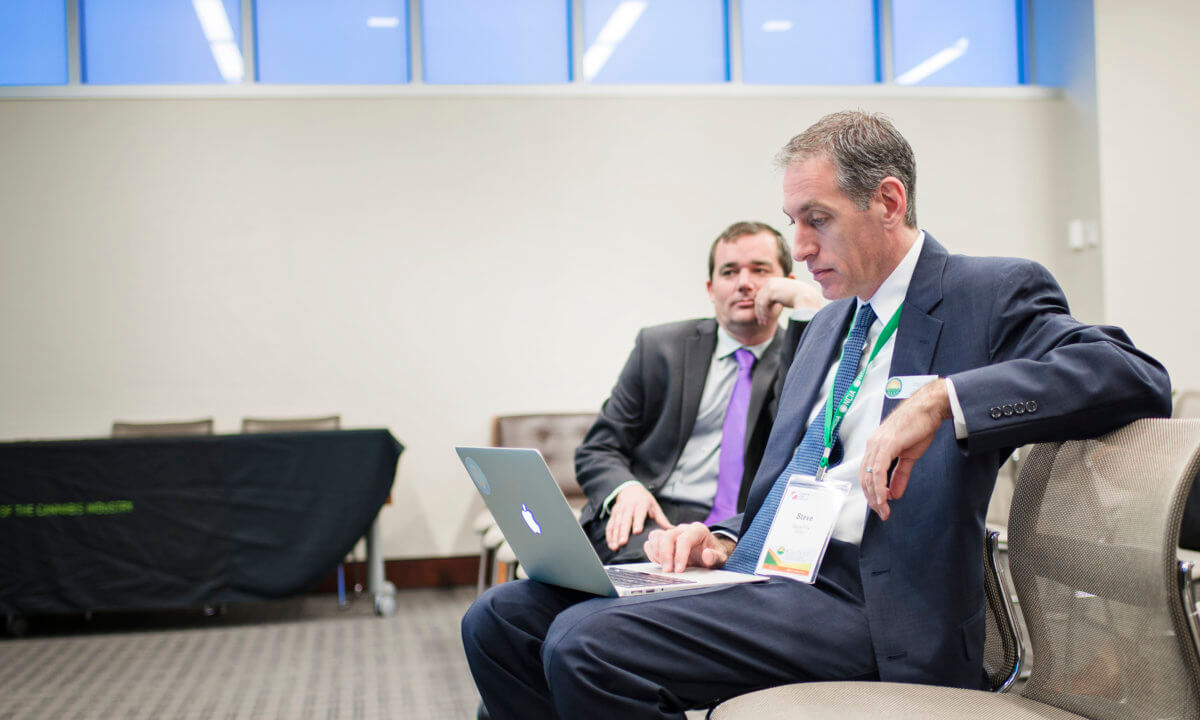
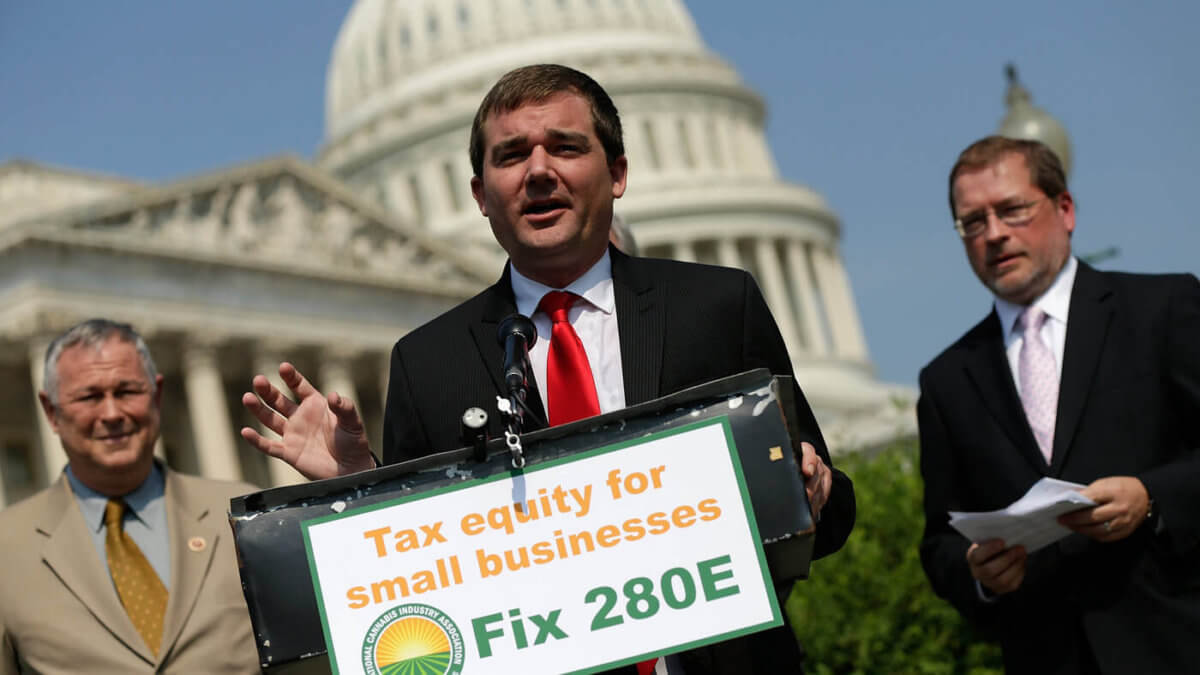
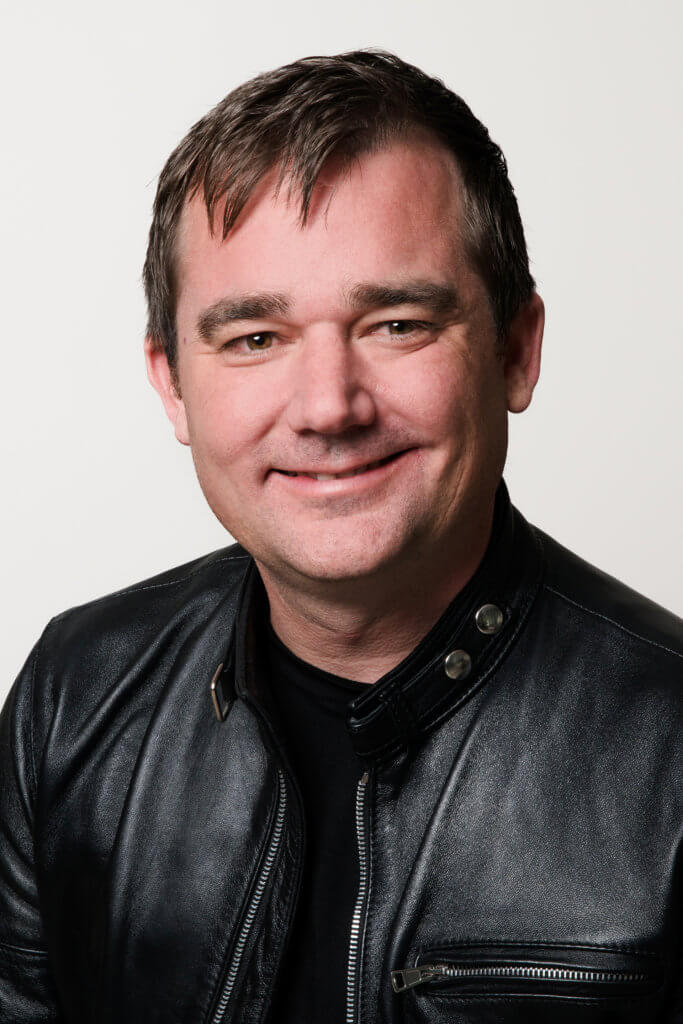
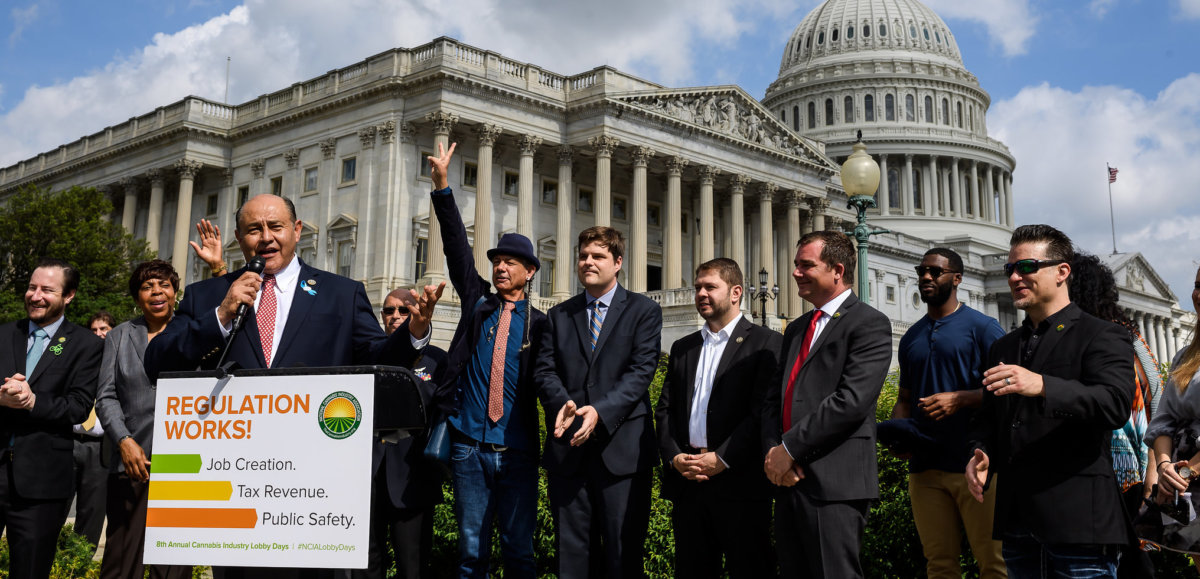

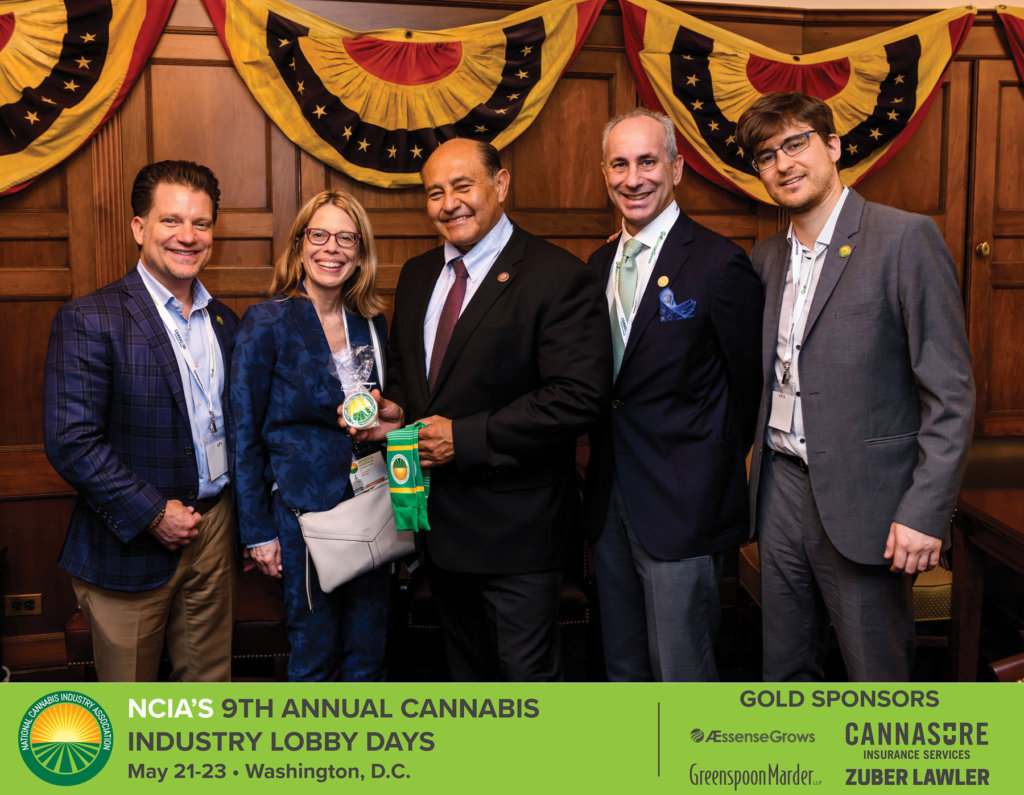
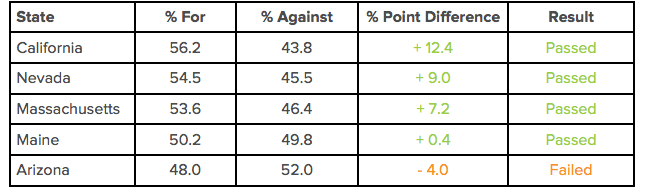
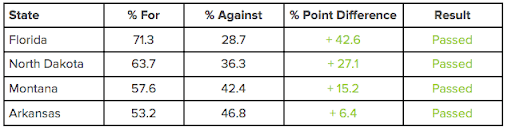
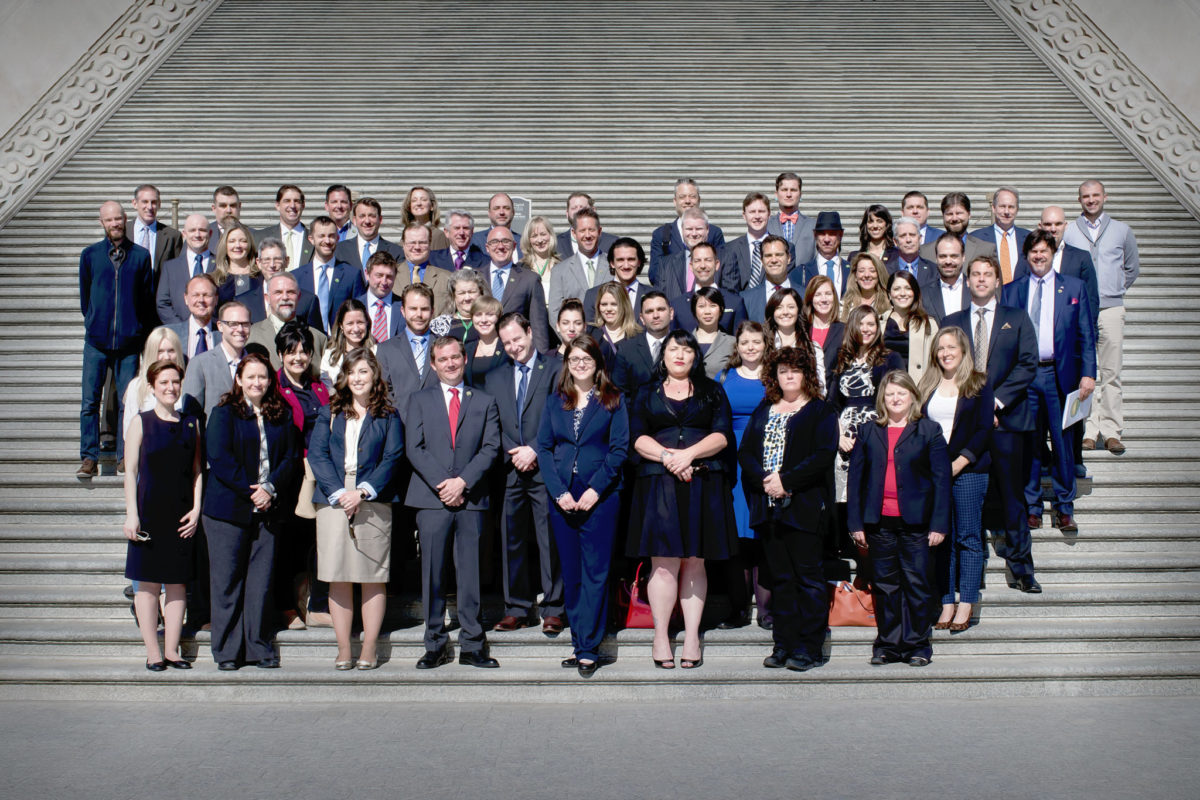
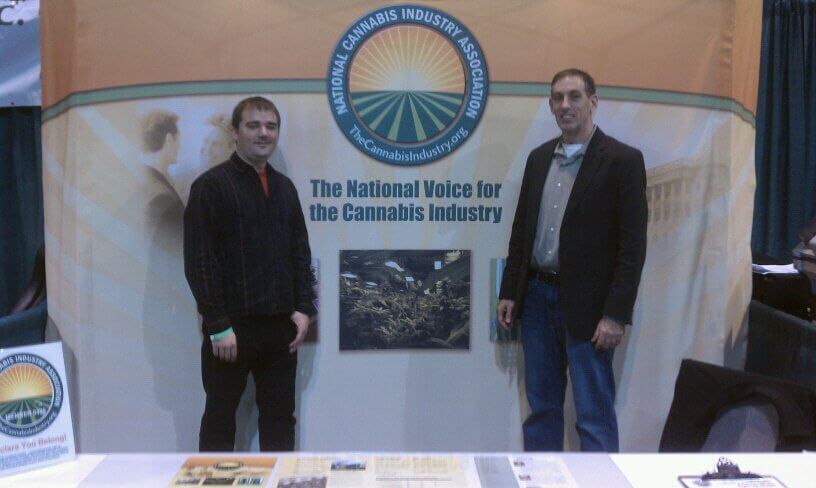
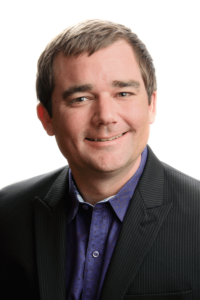
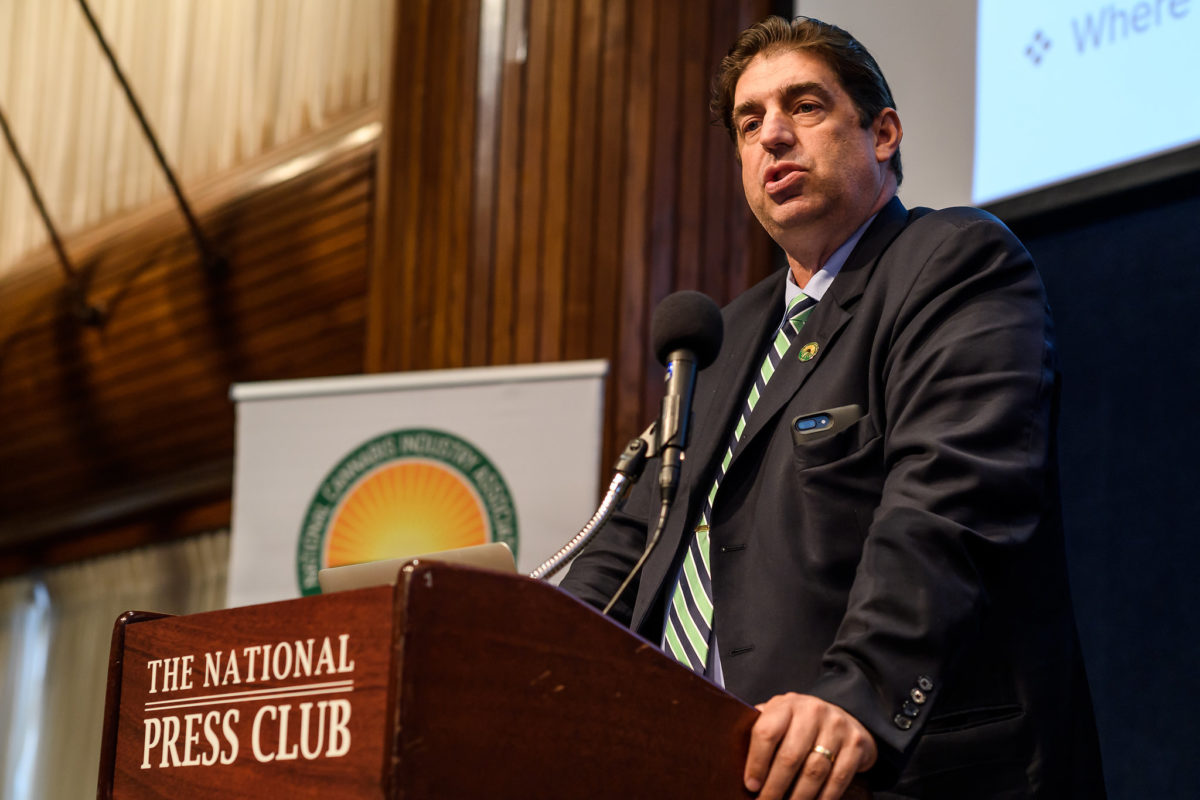
 My mother once quipped in a Facebook post, shortly after I first made my professional entreé into the cannabis space, something along the lines of “high school Vince has finally found a way to make a living.”
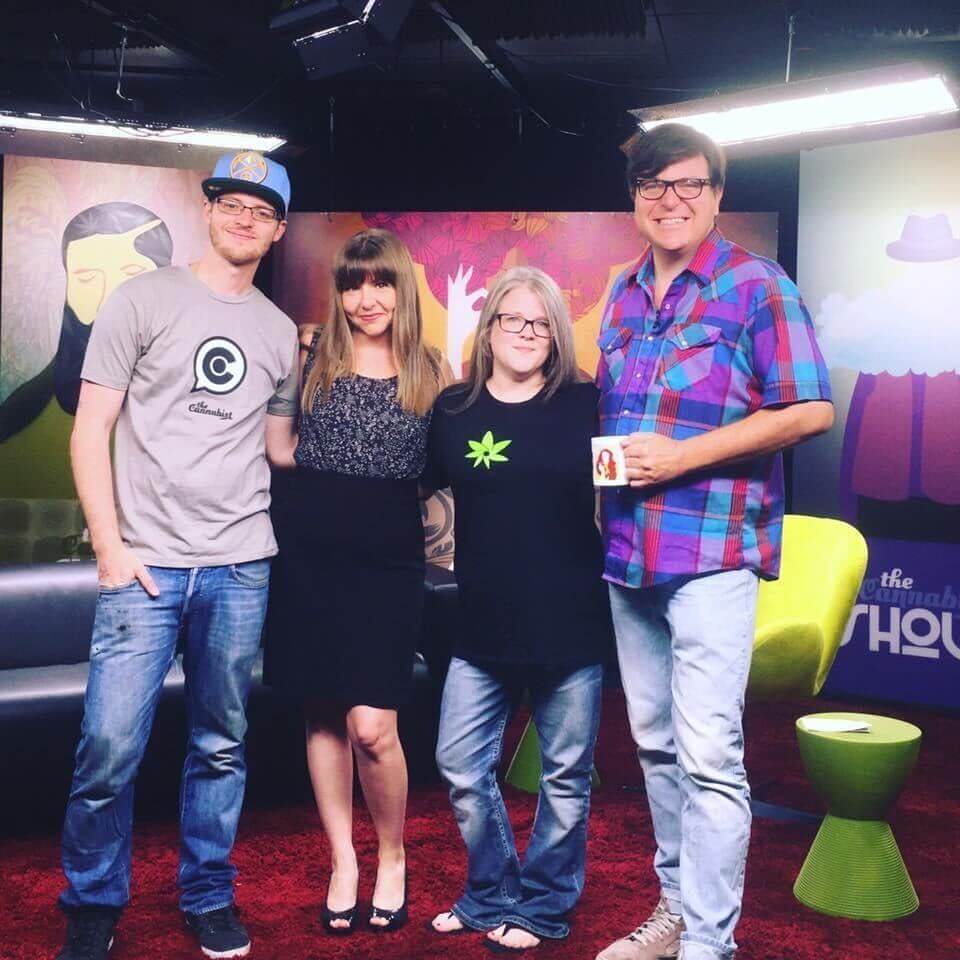 Three years and 150 wonderful episodes later, I found myself indoctrinated through a front-row seat to the importance of a responsible end to federal prohibition. However, the Cannabist Show (as it had ultimately been named), was canceled and the vertical’s staff was soon to be completely eliminated in a vicious round of layoffs by vulture hedge fund owners.
 My months with this organization have only motivated me more, animated by the incredible work that NCIA does at levels I had never fully recognized. Oft-cited as a source, I’d also attended events in multiple cities (and the ancillary company I co-founded is an NCIA Member), and still, the explosive growth is astounding. Across our committees, policy council, membership, board, and the staff there is so much energy for the cause; absolutely infectious.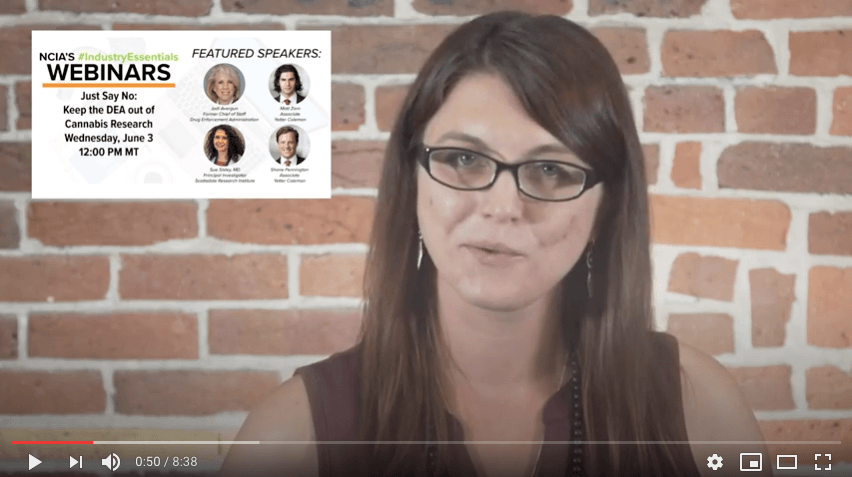

 My journey into the cannabis industry did not follow the typical route and actually did not begin long ago. In February, just over five months ago, I was hired to be the COO at NCIA. Other than this whole COVID-19 thing, I’m really enjoying working with the talented and committed staff here at NCIA, meeting our members (mostly virtually), and generally learning about the intricacies of the cannabis industry.
 I enjoy swimming, hiking, basketball, and travel, having lived or traveled to more than thirty countries. I’ve been practicing meditation regularly for the past fifteen years, with a recent emphasis on Zen. I try to do at least one 3-day retreat at the Crestone Mountain Zen Center every year.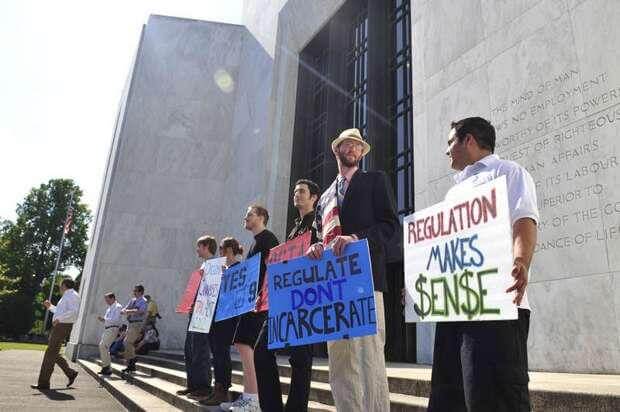
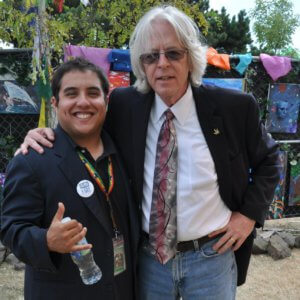
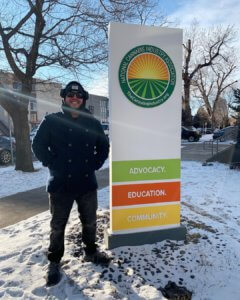 Working at NCIA has been one of the greatest experiences of my life. It has allowed me to marry my experiences in cannabis activism with my experiences running a business and building brands. This year we are celebrating the #10YearsofNCIA and looking back at all of the progress our movement has made over the last decade and it is truly remarkable to see how far we’ve come.
 Hello! My name is Jon Dinh and I work as the Membership Manager here at NCIA! I started my cannabis journey three years ago when I first tried cannabis legally in my home state of Colorado and completely changed my life for the better!
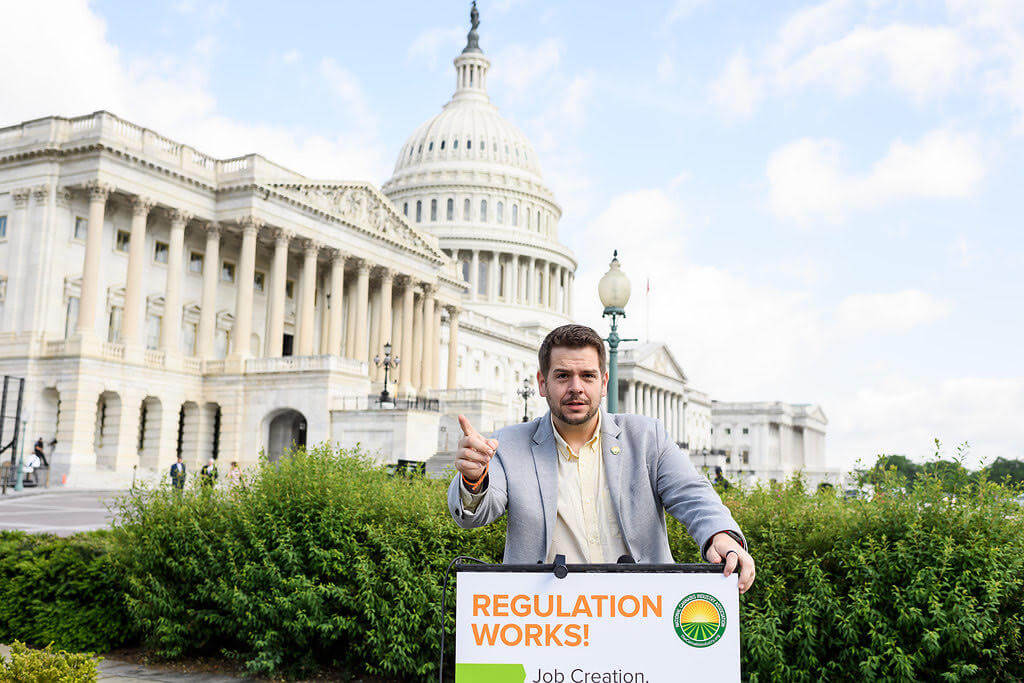
 Hi,
Hi,  I’m not going to lie, I had no idea what I was doing here or how I fit in, after all I was the first NCIA hire with a more structured association background as opposed to grassroots activism. Other than consuming cannabis occasionally I had no connection to the plant like the other staff did. They were long time activists and all had a personal story for their passion and what cannabis advocacy meant to them. I just needed a job.
 I was born and raised in the far south of Brazil, drinking yerba mate, listening to rock, going to the beach, and eating lots of BBQ! The war on drugs was fought hard in our streets, and we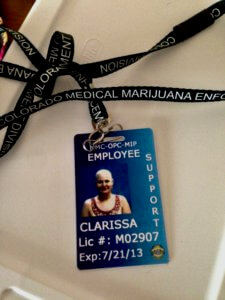
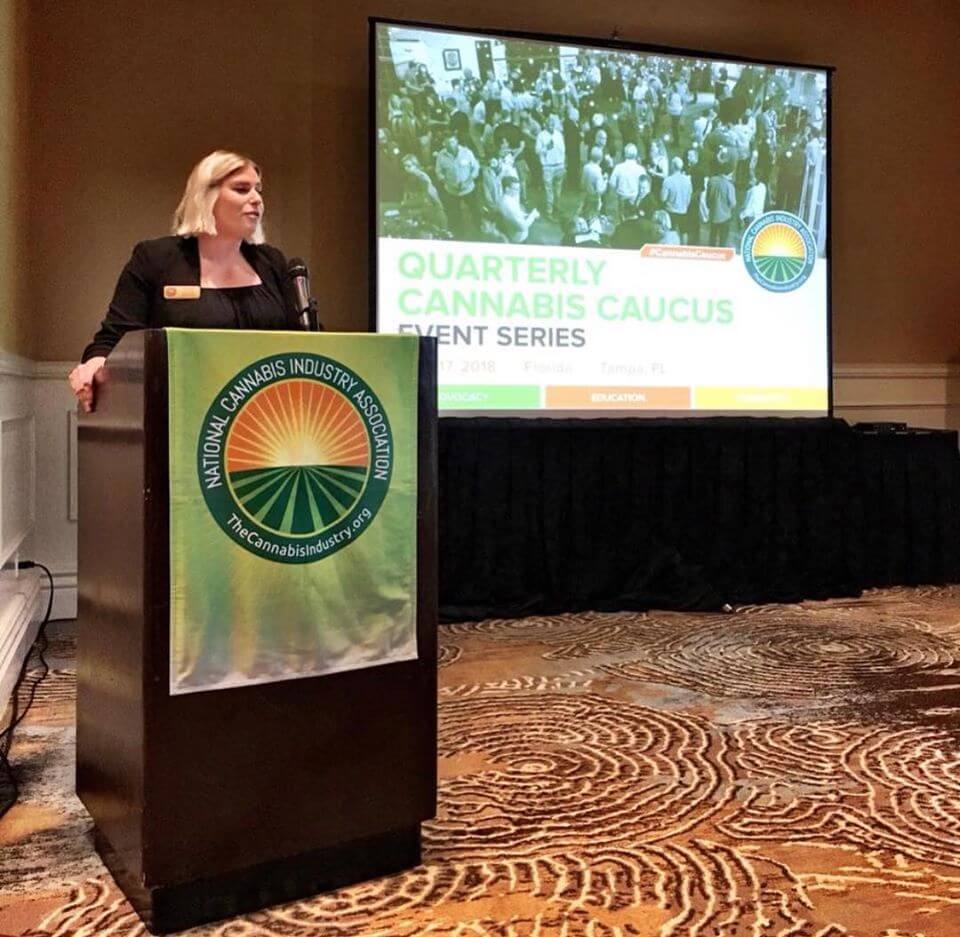
 Coincidentally, I moved to Denver right after Colorado legalized the adult use of cannabis. That wasn’t the reason why I moved, although it definitely was a perk. I moved because I wanted a fresh start. I’d spent my whole life on the East Coast. First in a New Jersey suburb of New York City. Then on the west coast of Florida. After I finished school, I lived for a short while with my mom in very rural central Florida. It was horrible. Not a place for a young person. But it gave me time to think about what I wanted out of life. I knew I needed a change.
 After
After 
 With April 2020 marking a full year that I fully transitioned to working in the cannabis industry, it’s amazing to reflect on the past twelve months and the journey that brought me here. This time last year I decided to leave my job as an investment advisor for one of the largest banks in the country to turn full-time as a patient counselor at a medical dispensary in Maryland. I had started out there part-time but after just a few months I was certain that I had found my true calling in cannabis. The more I learned about policy, the medical benefits of the plant, and the history of the war on drugs the more I knew that I wanted to make a positive impact and to help shape the future of the industry.
  With our Cannabis Business Summit taking place just weeks after I started at NCIA in July of last year, I was able to jump in feet first. Since then I’ve had the opportunity to interact with thousands of cannabis business owners and employees from every sector of the industry learning about their goals, success stories, and the challenges that they face. I’ve had the opportunity to see our Government Relations and Policy teams in action in Washington and interact with members of Congress. Nothing was more exciting than having a front-row seat as we watched the SAFE Banking Act, the first piece of stand-alone cannabis legislation pass in the House of Representatives, and knowing that I had worked alongside the team that made it happen!
  I remember hiring Michelle Rutter as my coordinator (who has been by my side for almost six amazing years). I remember moving into our first office (and not having to do business at Starbucks any more!).
 I grew up in rural King George County, Virginia, where I lived until I went to college. Let me just say: if you had asked me in high school where I saw my career going, I would not have guessed the cannabis industry! But, it turns out life had other plans for me.
  It’s funny how things just happen… one day, like any normal day, I was working the lunch shift at a restaurant called Carolina Ale House in Columbia, South Carolina. At first, I was worried about how much I would make in tips that day, as anyone with experience in the service industry can relate to, but then I started chatting with one of my tables… small talk, really. I told them how I was a sophomore at the University of South Carolina studying journalism and mass communications with a focus in public relations and a minor in women and gender studies. One man asked, “Well what do you want to do after college?” A question I thought about often but never had an answer to. He handed me his business card and asked if I was interested in politics. A few days later, I reached out, interviewed with the firm partners, and successfully scored the internship.