A Third Round of SAFE Banking, HEROES 2.0 Unveiled
by Michelle Rutter Friberg, NCIA’s Deputy Director of Government Relations
Photo By CannabisCamera.com
It may seem like a while since you got an update on the SAFE Banking Act, but I have some exciting news to share with you!
Yesterday, House Democrats unveiled “HEROES 2.0” which is their latest COVID-19 relief package. If you’ll recall, back in May, the House also passed the initial HEROES Act, which included the text of H.R. 1595, the SAFE Banking Act.
Since HEROES passed the House in May, NCIA has been hard at work (from home!) talking to House and Senate leadership, as well as other key Senate offices about the need to pass this legislation and solve the cannabis banking conundrum. Unfortunately, those talks have been stalled for months as congressional leadership and White House officials struggle to make a deal.
Eager to return home in October with a victory to show, many moderates on both sides of the aisle have been stressing the importance of passing another relief package. As the language was just unveiled late yesterday evening, it’s still unclear how the Senate will react to the bill, and of course, the bill still has to clear the House of Representatives.
You might remember that just days before the first HEROES Act was passed in May, NCIA led ten cannabis advocacy and industry organizations in sending a letter to congressional leadership urging lawmakers to include SAFE in the next pandemic relief package. If the new HEROES 2.0 passes the House, it will mark the third time that the full body has approved the SAFE Banking language.
The language included in both packages is identical to the House-approved version of the bill and would make it easier for financial institutions to work with cannabis businesses that are in compliance with state law, as well as help address serious public health and safety concerns caused by operating in predominantly cash-only environments. The bill would also assist with the financial and practical hardships that are facing cannabis entrepreneurs of color as a result of a lack of access to capital from traditional lending institutions.
Make sure you stay engaged and continue to tell your lawmakers that you are a cannabis voter and that these issues are important to you! Contact your Senators today and ask that they support SAFE Banking as a necessary piece of legislation that can help the tens of thousands of cannabis workers stay healthy by allowing our industry access to legitimate banking and end our cash-only operations.
Want to make sure you hear the latest about what’s happening in cannabis policy? Follow NCIA on social media and be sure to share important information and resources as we release them with your networks, because we’re going to need all of us in this together!
The most important thing anyone can do to make sure SAFE Banking and other important reforms are realized in Congress is to ensure that their cannabis business is a member of NCIA. If you are not yet a member, please support our work by joining today. If you already are a member, thank you for making our advocacy work possible.
MORE Act House Vote Delayed, NCIA Submits Comments on FDA Guidance
by Morgan Fox, NCIA’s Director of Media Relations
In what House leaders have assured supporters is merely a temporary delay, lawmakers announced that the vote on the MORE Act which was originally scheduled for this week has been postponed until at least after the November election.
This legislation – which would remove cannabis from the Controlled Substances Act (CSA), expunge federal cannabis convictions, and establish programs to promote diversity in the cannabis industry and help communities that have been unfairly targeted by marijuana enforcement – was eagerly awaited as the first bill of its kind to get a floor vote in either chamber of Congress. No other de-scheduling bill, particularly one that contains robust restorative justice provisions, has ever gotten a vote since the original passage of the CSA in 1971, and advocates were confident that it would be approved in the House. In recent months, dozens of additional lawmakers have signed on to co-sponsor the bill, bringing the current total to 113.
Unfortunately, despite recent polling showing majority support for the MORE Act among Republican voters (and its job- and revenue-creating potential), some in the GOP attacked Democratic House leadership for moving forward with the bill before Congress had come to an agreement on a new pandemic relief package.
While this is certainly disappointing, House leadership has promised that the MORE Act will get a vote before the end of the year. That gives us at least another seven weeks to continue building support! In the meantime, attention is turning back to pandemic relief, where we are still pushing for the continued inclusion of SAFE Banking language in the final package if Congress can come to an agreement. There are also a number of cannabis-related provisions in this year’s appropriations bills, including removing barriers to research, protecting universities engaged in cannabis research, and preventing federal interference in state-legal medical and adult-use cannabis programs.
Please contact your members of Congress and urge them to support ALL these measures!
In other federal news…
With the help of our Policy Council, Hemp Committee, and Scientific Advisory Committee, NCIA submitted comments to the Food & Drug Administration this week providing recommendations on a number of issues related to how the agency will classify cannabis and cannabis-derived compounds in the future. You can read the full comments here. While the current comment period is now closed, the FDA has been expressing increased interest in input from a variety of stakeholders, suggesting that they are preparing for a change in policy in the relatively near future. It is very likely that there will be more opportunities to weigh in on their policies that could affect the cannabis industry for years to come.
The DEA and USDA both have open comment periods right now, so be on the lookout for more information about how you can help us influence cannabis and hemp policy at those agencies in the coming weeks!
Member Blog: GMPs – A Way Ahead for Hemp and CBD Firms
The hemp industry is the marijuana industry’s half-sister. Both are variations of the plant cannabis sativa and both were made illegal in 1937 with the passing of The Marijuana Tax Act. Flash forward to the Agriculture Improvement Act of 2018 (known as the 2018 Farm Bill) that was signed into law by Congress on December 20, 2018. One year later, The USDA issued interim regulations that entitled Establishment of a Domestic Hemp Production Program for the cultivation of hemp on October 31, 2019. Both were huge steps forward for public access to hemp and hemp products. FDA legalized the growing of hemp in states with a state-mandated hemp program and removed hemp and its derivatives from Drug Enforcement Administration (DEA) Schedule I status and the U.S. Domestic Hemp Program aims to approve cultivation plans issued by states and Indian Tribes.
Even so, then FDA Commissioner Scott Gottlieb issued a statement hours after the signing of the Farm Bill reiterating that “Congress explicitly preserved the agency’s current authority to regulate products containing cannabis or cannabis-derived compounds under the Federal Food, Drug, and Cosmetic Act (FD&C Act) and section 351 of the Public Health Service Act.”
Still today, two years later and counting, FDA only permits CBD products submitted as an Investigational New Drug (IND) Application as a pharmaceutical and there remains only one such accepted CBD product, Epidiolex, manufactured by G.W. Pharma. All other CBD products are illegal for interstate shipment.
In-state production and sales may be a different story, provided that state has a mandated hemp program. In those cases, provided state law is followed, production and sales are legal and protected, but the minute products cross state lines, they become the jurisdiction of the federal government and, more specifically, the FDA. At least 47 states have enacted legislation to establish hemp production programs or allow for hemp cultivation research.
Section 10113 of The 2018 Farm Bill states that (c) Nothing in this subtitle shall affect or modify:
(1) the Federal Food, Drug, and Cosmetic Act (21 U.S.C. 301 et seq.);
(2) section 351 of the Public Health Service Act (42 U.S.C. 262); or
(3) the authority of the Commissioner of Food and Drugs and the Secretary of Health and Human Services- ‘‘(A) under- ‘‘(i) the Federal Food, Drug, and Cosmetic Act (21 U.S.C. 301 et seq.); or ‘‘(ii) section 351 of the Public Health Service Act (42 U.S.C. 262); or ‘‘(B) to promulgate Federal regulations and guidelines that relate to the production of hemp under the Act described in subparagraph (A)(i) or the section described in subparagraph (A)(ii).”
The mission of the FDA is “to ensure the safety, effectiveness, and security of human and veterinary drugs, vaccines and other biological products for human use, and medical devices.” As such, FDA categorizes every product for sale in the U.S. which is either ingested or applied to a human or animals into categories. That means hemp-derived CBD products will have to lawfully fit into one of those categories, however, while there has been positive movement towards the legal sale of hemp products on the USDA cultivation side, the FDA has authority over foods and dietary supplements, and the FDA’s position is that the addition of hemp/CBD to a food or dietary supplement is “violative.” In a Consumer Update statement revised on November 25, 2019, the FDA clearly stated that “it cannot conclude that CBD is generally recognized as safe (GRAS) among qualified experts for its use in human or animal food.”
That being said, FDA has indicated it would be open to review of safety data for submission of a cannabinoid as Generally Recognized as Safe (GRAS) for Food or as a New Dietary Ingredient (NDI) in a supplement as the lack of any federal regulation runs the potential of putting people at risk. That has sent the industry scurrying to design and initiate studies in the hopes of demonstrating levels of safety that meet FDA’s satisfaction.
In the meantime, those currently operating in states where hemp manufacturing is legal, must ensure Good Manufacturing Practices (GMPs) are adhered to closely. Should the FDA ever allow hemp products with CBD to be sold in the future, a manufacturer’s ability to demonstrate understanding and compliance with GMPs will be critical. Each FDA regulated industry has its own set of GMPs for the development and implementation of quality systems.
21 CFR 117, Current Good Manufacturing Practice, Hazard Analysis, and Risk-Based Preventative Controls for Human Food
21 CFR 507, Current Good Manufacturing Practice, Hazard Analysis, and Risk-Based Preventative Controls for Food for Animals
21 CFR 111, Current Good Manufacturing Practice in Manufacturing, Packaging, Labeling, or Holding Operations for Dietary Supplements
21 CFR 210, Current Good Manufacturing Practice in Manufacturing, Processing, Packing, or Holding of Drugs; General
21 CFR 211, Current Good Manufacturing Practice for Finished Pharmaceuticals
FDA Draft Guidance for Industry, Cosmetic Good Manufacturing Practice, June 2013
As the industry waits in the hopes that FDA will come on board with those states that have already legalized CBD’s use in products, it important to take the necessary steps to develop GMP protocols and quality systems as part of documented Standard Operating Procedures and record-keeping that those procedures are being followed, products are being tested and those tests are being validated.
Ensure as you begin to develop or strengthen your GMP programs that you do so with a full understanding of the requirements set forth in 21 CFR 111. Whether these programs are designed in-house or with the assistance of an outside consulting firm, ensure your GMPs are specific to your manufacturing procedures as opposed to a stock one-size-fits-all program. A reputable consulting firm with demonstrable expertise in FDA regulations and in helping to develop these GMPs is a good place to start, one that listens to your questions and concerns before providing you their stock answer. A good consulting firm can walk you through your unique processes.
Ensure your quality systems are robust and documented, including your demonstrations that your cGMPs are being followed.
Charlotte Peyton supports EAS Consulting Group CBD and hemp clients as well as that of dietary supplements and pharmaceuticals. As an independent consultant, she assists with projects ranging from startup through manufacturing and support. Her expertise includes quality, regulatory and management, method development, and method validation for FDA regulated drug, dietary supplement, and bioanalytical samples. She has extensive experience in writing validation protocols, reports, and SOPs and assists with implementation of stability programs and report writing for finished products.
EAS Consulting Group, a member of the Certified family of companies, is a global leader in regulatory solutions for industries regulated by FDA, USDA, and other federal and state agencies. Our network of over 150 independent advisors and consultants enables EAS to provide comprehensive consulting, training, and auditing services, ensuring proactive regulatory compliance for food, dietary supplements, pharmaceuticals, medical devices, cosmetics, tobacco, hemp, and CBD.
MORE Act Headed For Vote, SAFE Banking Still In Play
by Morgan Fox, NCIA’s Director of Media Relations
We asked, you answered, and your efforts are seeing results!
Over the past months, our Government Relations team in Washington, D.C. has been hard at work gathering support in Congress for the Marijuana Opportunity, Reinvestment, and Expungement (MORE) Act, and many of our members responded to the call to contact their lawmakers to urge them to support the legislation and bring it to a floor vote in the House. Well, our mutual work is paying off!
Last week, House Majority Whip James Clyburn (D-SC) announced that the MORE Act would be called for the vote! This was confirmed Monday as taking place during the week of September 21.
This legislation would remove cannabis from the Controlled Substances Act and do away with the continuing conflict between states with modern cannabis laws and the federal government. It would also expunge federal cannabis convictions, remove barriers to research, eliminate the current problems with the 280E tax code and lack of access to banking, promote more diverse participation in the cannabis industry, and establish funds to help undo the disparate harms caused by prohibition.
Make no mistake: this vote will be historic. This will be the first time that a bill to end cannabis prohibition has come up for a full vote in either chamber of Congress, and the results of the vote could determine the path of cannabis policy reform efforts for years to come.
This means we have just three weeks to drum up as much support as possible and show our elected officials where the vast majority of Americans stand on cannabis.
If your representatives are not among the 87 current cosponsors of the MORE Act, please contact them and urge them to join in showing their support for this momentous and necessary bill.
Meanwhile, our efforts to maintain momentum for cannabis banking reform have continued throughout the negotiations of the next pandemic relief bill. Despite a somewhat contentious public debate over the size and scope of the stimulus funds in general, hope is still alive for the SAFE Banking Act provision to be included in the final legislation if Congress can come to some agreements on the numerous other issues at stake.
What is not up for debate is that SAFE Banking is an absolutely necessary part of COVID-19 relief. This measure will improve public health and safety by enabling more social distancing and decreasing cannabis businesses’ reliance on cash transactions which can spread contagions and make them a target for crime. Most importantly, it will help thousands of small businesses – with hundreds of thousands of employees across the country – survive these difficult times while providing uninterrupted healthcare services. It doesn’t get more COVID-relevant than that.
While it is still uncertain when or how the House and Senate will arrive at a compromise for pandemic relief, we don’t have much time before the elections divert most of their attention.
Keep an eye out for updates on ways you can help get SAFE Banking passed this year.
We couldn’t do this work without the support and assistance of our valued members. If you are not yet a member, please support our work byjoining today. If you already are a member, thank you for making our advocacy work possible.
Together We Can – Working To Achieve Legislative Victories
by Madeline Grant, NCIA’s Government Relations Manager
Can you believe we are already coming to the end of August? 2020 has certainly not been what we were expecting – but we will persevere together. At NCIA, we want you to know we are here for you through these unstable times and now more than ever we will stand as a united cannabis community. As members of NCIA, we appreciate your dedication and contribution to continue the good fight to reach legislative victories at the state and federal levels. With your dedication to NCIA and our dedication to you, we can continue to achieve success through education and advocacy.
As the Government Relations Manager, I want you to know we are still working continuously in D.C., with a unified message, to achieve legislative victories. Next month, the House of Representatives may vote to make cannabis legal and start repairing the harms caused by decades of failed prohibition policies. As the legislative session draws to a close and what is sure to be one of the most pivotal elections in history nears, there is a renewed effort in Congress to pass meaningful criminal justice reform before the end of the year. And this includes the Marijuana Opportunity, Reinvestment, and Expungement (MORE) Act.
The MORE Act was introduced in the House last year by Rep. Jerry Nadler (D-NY) and already made history when it became the first legislative bill to be approved by the congressional committee (House Judiciary) in November.
This legislation would remove cannabis from the Controlled Substances Act, effectively decriminalizing it at the federal level and eliminating the ongoing conflict with effective regulated state cannabis markets. It would also expunge federal cannabis convictions, remove barriers to research, eliminate the current problems with the 280E tax code and lack of access to banking, promote more diverse participation in the cannabis industry, and establish funds to help undo the harms that have been disproportionately inflicted on marginalized communities by the war on drugs.
Now, a growing chorus of lawmakers are calling for it to receive a floor vote in the House in September, and we need your help!
Pleasecall your member of CongressTODAY and urge them to support the MORE Act and help bring it to a vote this year. When you call your representative’s office explain to them how important the MORE Act is to you and your business. The staffer that answers the phone is there to pass along the message to YOUR representative so the more calls they get the better.
NCIA Lobby Day, May 2017. Photo by Ben Droz
On another note, I’d love the opportunity to chat with you over the phone or zoom to discuss the challenges you are facing in the cannabis community. As we continue to meet with Hill offices virtually, it is important to relay your stories about the difficulties you face within the cannabis industry. Real-life examples help paint the picture of the reality our cannabis businesses face every single day. This is imperative to illustrate just how necessary legislative victories, like the MORE Act, are to us. So, if you have the time please send me an email to Madeline@TheCannabisIndustry.org and I will schedule a time for us.
As we draw closer to the end of this legislative session, the NCIA team will continue to work hard to reach legislative victories. We are nearing the 10th anniversary of NCIA and have come a long way together, from legislative victories in appropriations to the SAFE Banking Act passing the House, and we will continue to reach more legislative success in the halls of Congress. We must not lose hope during these unstable times but propel forward more unified than ever before.
Looking Back On #10YearsOfNCIA: 2016-2017
Photo By CannabisCamera.com
by Michelle Rutter Friberg, NCIA’s Deputy Director of Government Relations
Over the last month, I’ve been taking a retrospective look at the progress NCIA has made in the ten years since its inception. While it’s been fun to look back at those early years, this week I’m excited to look at a time when cannabis policy was getting really active: 2016-2017! While this timeline is by no means a comprehensive look at everything that’s happened in cannabis policy during those years, here are some highlights:
January 2016
District judge dismisses lawsuit against the Fed, filed by the Fourth Corner Credit Union, says Congress must fix the cannabis banking problem. The same month, President Obama announces that cannabis reform is not on his agenda in 2016.
March 2016
The Supreme Court dismisses Kansas’ challenge to Colorado marijuana laws. The 6-2 vote meant the nation’s highest court would not rule on the interstate dispute, and Colorado’s legal cannabis market remains safe. “Since Colorado voters overwhelmingly passed legal recreational marijuana in 2012, we have worked diligently to put in place a regulatory framework — the first in the world — that allows this new industry to operate while protecting public health and safety,” then- Gov. John Hickenlooper (D) said following the decision. “With today’s Supreme Court ruling, the work we’ve completed so far remains intact.”
An AP poll shows that 61% of Americans support legalizing cannabis. The most recent Gallup poll on the issue, published in October 2019, shows that approval number has risen to 66%.
April 2016
U.S. Senate Caucus on International Narcotics Control holds a hearing titled “Is the Department of Justice Adequately Protecting the Public from the Impact of State Recreational Marijuana Legalization?”
May 2016
NCIA holds its 6th Annual Cannabis Industry Lobby Day in D.C., garnering over 150 attendees and participating in more than 200 scheduled meetings on Capitol Hill. That same month, the Tax Foundation reports a legal marijuana industry could mean up to $28 billion in federal, state, and local tax revenues.
June 2016
NCIA hosts our 3rd Annual Cannabis Business Summit in Oakland with 3,000+ attendees. That same month, the U.S. Senate Appropriations committee narrowly approved a marijuana banking amendment. Ultimately, the amendment did not make it into law. The amendment has not passed this specific Committee since, though we continue to try!
July 2016
Showing increased interest and momentum on this issue, the U.S. Senate Judiciary Committee holds a hearing on the potential benefits of medical marijuana. The same month, the Democratic Party included reclassifying cannabis in the party’s platform.
August 2016
This was an exciting month because we got to really see our efforts at work in the real world. Four years ago this month, the Ninth Circuit Court of Appeals ruled that due to the Rohrabacher-Farr amendment, the Department of Justice cannot use funds to enforce federal law against state-legal medical cannabis businesses.
September 2016
U.S. Attorney General Loretta Lynch says that marijuana is not a gateway drug, but that same month, FBI data showed that there is one cannabis arrest every 49 seconds in the U.S. The majority of those individuals are Black and brown and are arrested four to eight times more than their white counterparts.
October 2016
Members of Congress and the campaigns to legalize cannabis in various forms enter the final push. That month, a report also showed that Colorado’s marijuana industry had a $2.39 billion financial impact and created more than 18,000 jobs in the state.
November 2016
Five states (Arizona, California, Maine, Massachusetts, and Nevada) voted on ballot initiatives to legalize, tax, and regulate marijuana for adult use. Four of those initiatives passed, and three of them passed by more than seven percentage points.
Four states (Arkansas, Florida, Montana, and North Dakota) voted on ballot initiatives to create or expand legal medical marijuana programs. All four of those initiatives passed, with an average victory of 26.3 percentage points.
Of course, November 2016 is also when Republicans took control of both chambers of Congress and candidate Trump became president-elect Trump.
January 2017
NCIA establishes the Policy Council to serve as the industry’s “think tank” in D.C., developing and publishing policy papers to educate policymakers and other stakeholders on topics relevant to the cannabis industry. The same month, Sen. Jeff Sessions (R-AL) begins his confirmation hearing to become U.S. Attorney General. He is subsequently confirmed, bringing uncertainty to the cannabis space.
February 2017
White House press secretary Sean Spicer said that he expects states to see “greater enforcement” of the federal law against marijuana use, a move that would be at odds with a growing number of states’ decisions to legalize it. Spicer, taking questions from reporters at the daily briefing, differentiated between the administration’s positions on medical marijuana and recreational marijuana. Funnily enough, Spicer’s career lasted about as long as it takes me to smoke a joint.
The nation’s first-ever Congressional Cannabis Caucus is formed by Reps. Rohrabacher (R-CA) and Blumenauer (D-OR) with help from friends Reps. Polis (D-CO) and Young (R-AK). In the 116th Congress, Rohrbacher and Polis left Congress and were replaced by Barbara Lee, a Democrat from California, and David Joyce, a Republican from Ohio, as co-chairs.
May 2017
NCIA’s D.C. team grew from two (myself and Mike) to three, with the addition of Maddy Grant, who was our Government Relations Coordinator at the time. Since then, Maddy has become one of my best friends and was even one of my bridesmaids! If you know Maddy, you know she’s the best and NCIA is lucky to have her!
NCIA held its 7th Annual Cannabis Industry Lobby Days in Washington, D.C., where 250 industry professionals coalesced on Capitol Hill to attend over 300 scheduled meetings. Following that, there was a substantial increase in the number of cosponsors on cannabis-related bills compared to the previous Congressional session.
July 2017
The Senate Appropriations Committee voted on their equivalent of the Rohrabacher-Farr amendment, sponsored by the committee’s vice chairman, Patrick Leahy (D-VT). That amendment passed on a voice vote and was the first time ever that a cannabis-related amendment passed in such a manner. At the end of July, the Senate Appropriations Committee also adopted an amendment that would allow the Department of Veterans Affairs to recommend medical cannabis in states. That amendment passed by a vote of 24 to 7 – the most votes this measure has ever received in the Senate. The veterans’ measure did not end up becoming law.
September 2017
The House Rules Committee held a hearing to discuss amendments to the upcoming appropriations bill that will fund the federal government for the upcoming fiscal year and chose not to vote on the amendment that protects medical cannabis businesses, patients, and programs. Since the protections for medical cannabis businesses were included in the Senate’s version of the budget bill but are not included in the House’s versions, it came down to a conference committee to negotiate its inclusion, and ultimately, the provision remained in law.
December 2017
Senate Republicans passed their tax reform package into law. Sen. Cory Gardner (R-CO) introduced two amendments to the bill that targeted 280E, however, he withdrew both amendments before the final bill was voted on.
If you think reminiscing on all that was a lot, make sure you keep an eye on our blog and future issues of NCIA’s Cannabusiness Leader to learn more about 2018-2019 and the progress we’ve made more recently as we wrap up this series!
House Approves Appropriations Amendment to Protect State-Legal Cannabis Markets
Provision would prevent federal interference in all legal cannabis programs, including adult use
After approving legislation to protect state cannabis programs in a voice vote on Thursday afternoon, the House of Representatives reiterated its support with a roll call vote of 254-163 hours later. The bipartisan amendment to the Commerce, Justice, and Science appropriations bill was introduced by Reps. Earl Blumenauer (D-OR), Barbara Lee (D-CA), Tom McClintock (R-CA), and Del. Eleanor Holmes Norton (D-DC).
The provision would prevent the federal government from using any funds to interfere with state medical or adult-use programs or target individuals and businesses that are in compliance with state cannabis laws. If passed, this spending restriction would remain in effect for the next fiscal year.
“Today’s House vote aligns with the overwhelming majority of Americans who oppose federal interference with the successful cannabis programs operating throughout the country,” said Aaron Smith, CEO of the National Cannabis Industry Association. “Now, it’s time for the Senate to do the right thing and ensure this sensible provision makes it into the final budget legislation so that states can continue to forge their own path on marijuana policy without federal intrusion.”
A recent poll by SurveyUSA showed that 76% of Americans think states should be able to enact their own marijuana laws without interference from the federal government, including more than two-thirds of Republicans. The annual Gallup poll on the subject from last year showed that nearly two-thirds of respondents support making cannabis legal for adults.
“Passage of this amendment would give state-legal and essential cannabis businesses some temporary peace of mind while Congress works to permanently end federal prohibition and repair the damage it has done to marginalized communities,” continued Smith. “It is clear that there is strong bipartisan support for cannabis policy reform and we will continue working with lawmakers to promote further legislation in this session.”
Last year, this amendment was passed by the House but did not end up in the final budget bill. Since 2014, Congress has approved appropriations language that prevents interference in only state medical cannabis programs, and has included that language in the original budget language for the last two years.
SAFE Banking Not Included In Newest COVID-19 Relief Package
by Michelle Rutter Friberg, NCIA’s Deputy Director of Government Relations
Today, Senate Majority Leader Mitch McConnell (R-KY) and the GOP caucus unveiled the text of their long-awaited coronavirus relief package. The initial draft text of the bill did not include any cannabis provisions, namely, the SAFE Banking Act.
If you’ll recall, back in May, the House of Representatives passed the HEROES Act, which included the text of H.R. 2215, the SAFE Banking Act. The language included in the House-passed HEROES Act would make it easier for financial institutions to work with cannabis businesses that are in compliance with state law, as well as help address serious public health and safety concerns caused by operating in predominantly cash-only environments. After the House passed the bill, it remained in the Senate while the GOP-controlled chamber came up with their own version.
But, a lot can change in a few months. Since HEROES passed the House in May, NCIA has been hard at work (from home!) talking to House and Senate leadership, as well as other key Senate offices. The good news is that those conversations have been overwhelmingly positive and we feel incredibly hopeful that the discussion about SAFE Banking will continue to be a part of the conversation as negotiations progress.
Make sure you stay engaged and continue to tell your lawmakers that you are a cannabis voter and that these issues are important to you! Contact your Senators today and ask that they support SAFE Banking as a necessary piece of legislation that can help the tens of thousands of cannabis workers stay healthy by allowing our industry access to legitimate banking and end our cash-only operations.
Want to make sure you hear the latest about what’s happening in cannabis policy? Follow NCIA on social media and be sure to share important information and resources as we release them with your networks, because we’re going to need all of us in this together!
The most important thing anyone can do to make sure SAFE Banking and other important reforms are realized in Congress is to ensure that their cannabis business is a member of NCIA. If you are not yet a member, please support our work by joining today. If you already are a member, thank you for making our advocacy work possible.
Looking Back On #10YearsOfNCIA: 2014-2015
by Michelle Rutter Friberg, NCIA’s Deputy Director of Government Relations
Earlier this month, I took a retrospective look at the progress NCIA made in its early years (2010-2013). I started with the organization in 2014, so I’m excited today to take a walk down memory lane and look back at another era of NCIA history: 2014-2015! While this timeline is by no means a comprehensive look at everythingthat’s happened in cannabis policy during those years, here are some highlights:
February 2014
Department of the Treasury’s Financial Crimes Enforcement Network (“FinCEN”) published its own expectations regarding marijuana-related business guidelines. These guidelines, issued on February 14 and commonly referred to as the Valentine’s Day guidance, attempted to clarify Bank Secrecy Act (“BSA”) expectations for financial institutions seeking to provide services to marijuana-related businesses. FinCEN issued this guidance as states continued to set their own cannabis policies, and just months after the Cole Memo was issued.
May 2014
The Rohrabacher-Farr Amendment passes the U.S. House of Representatives for the first time ever with a vote of 219-189. While I had not started with NCIA just yet, I was in touch with our Director of Government Relations, Mike Correia, that night. Mike spent that evening doing two things: lobbying in the Capitol and running to the hospital to be with his wife, who was in labor! I remember waking up the next morning to learn two things: first, that states with medical cannabis programs and patients were going to be protected, and second, to find that Mike was the father of a baby girl!
June 2014
NCIA hosts our 1st Annual Cannabis Business Summit & Expo in Denver, bringing hundreds of cannabis industry professionals together.
October 2014
NCIA hires their second government relations staffer, ME! At the time, I was hired to be the Government Relations Coordinator and it changed my life forever.
November 2014
Oregon, Alaska, and Washington, D.C. all vote to legalize adult-use cannabis. However, because Congress has the final say over D.C. policies, the District still does not have any adult-use dispensaries.
March 2015
For the first time ever, pro-cannabis legislation is introduced in the U.S. Senate as S. 683, the Compassionate Access, Research Expansion, and Respect States (CARERS) Act of 2015. I remember that day well– Mike and I were there at the press conference with the architects of the bill, Sens. Booker (D-NJ), Gillibrand (D-NY), and Paul (R-KY).
April 2015
NCIA hosts its Fifth Annual Cannabis Industry Lobby Days in Washington, D.C., and brings dozens of cannabis industry professionals to the halls of Congress to talk directly with members of Congress and their staff. That same month, Mike and I moved into the first NCIA-DC office.
June 2015
The Rohrabacher-Farr amendment passes the U.S. House of Representatives for the second time by a wider margin of 242-186. Later that month, the U.S. Senate Appropriations Committee passed the companion Mikulski medical cannabis amendment by a vote of 20-10.
NCIA hosts its 2nd Annual Cannabis Business Summit & Expo in Denver. This also marked the first time a Presidential contender (Sen. Rand Paul, R-KY), hosted a private fundraiser with the cannabis industry.
July 2015
NCIA hires two well established D.C. lobbying firms to represent the industry on Capitol Hill. This was the first time in history that a “white shoe” firm worked to further pro-cannabis legislation. Nowadays, there are dozens of lobbying firms involved in this space!
Sen. Jeff Merkley (D-OR) introduced the Senate version of the Marijuana Businesses Access to Banking Act. This bill was the precursor to the SAFE Banking Act, and to this day, Sen. Merkley is our biggest advocate for banking in the chamber!
September 2015
Sen. Kirsten Gillibrand (D-NY) gives the opening keynote speech at NCIA’s Fall Regional Cannabis Business Summit. That same month, GOP presidential contenders were askedabout cannabis policy at a CNN Debate, showing the mainstream acceptance of this issue.
October 2015
Democratic presidential contender and Senator Bernie Sanders introduces the Ending Federal Marijuana Prohibition Act of 2015 (S. 2237), becoming the first major-party presidential candidate to support the legalization of adult-use cannabis. Also that month, United States District Judge Breyer lifted an injunction against a California medical cannabis dispensary, citing the Rohrabacher-Farr amendment.
November 2015
NCIA celebrates its 5th Anniversary in Las Vegas and honors Rep. Barbara Lee (D-CA) with the 2015 Legislator of the Year Award.
Photo By CannabisCamera.com
Looking back, those early years of NCIA were without a doubt integral to where we are now in cannabis policy. Make sure you keep an eye on future issues of NCIA’s Cannabusiness Leader to learn more about 2016-2017 and all the progress we made during those years!
A Different Kind Of Season: Gearing Up For Appropriations
by Morgan Fox, NCIA’s Director of Media Relations
It’s that time again on Capitol Hill: appropriations season, when Congress determines how to spend – or not spend – your tax dollars for the next year. As you can imagine, this year will be unlike any in recent memory as a cash-strapped nation struggles with how to weather the economic storm caused by the pandemic while finding the funds to support important government functions and programs. Appropriations are also a time when our champions in the legislature are once again introducing sensible cannabis policy reforms through an avenue that historically has been effective. Many of these reforms would actually save taxpayers money!
What’s in:
For the second year in a row, language that prevents the Department of Justice from using resources to target state-legal medical cannabis programs was included in the original language of the commerce, justice and science funding bill. If approved or continued, this would be the sixth year that Congress has told federal law enforcement to leave medical cannabis patients and providers alone.
Language that would prevent the Department of Treasury from using resources to penalize banks and other financial institutions for working with legal cannabis businesses was included in the financial services and general government funding bill. While not as comprehensive as the SAFE Banking Act, which was approved by the House last year and included in its most recent coronavirus relief bill, this provision would give financial services providers more assurances needed to encourage working with the cannabis industry and would help improve public health and safety.
A measure that would protect public colleges and universities from being denied federal funds due to conducting research on cannabis was included in the bill funding agencies related to education, labor, health, and human services. Many institutions have cited the potential loss of funding as a major discouragement to research. This also makes it easier for universities to study cannabis products available in regulated state markets. An additional provision to this bill also prevents federally funded schools from engaging in any advocacy in support of making any Schedule I substances legal.
Additional funding would be made available through the agriculture and FDA appropriations legislation for research, regulation, and consumer protection related to hemp, CBD, and other cannabis components.
Language that asks the Office of Personnel Management to reconsider allowing federal employees to legally consume cannabis in accordance with applicable state laws without fear of retribution was added to the financial services and general government funding bill. While this is non-binding, it would hopefully encourage the federal government to review its employment practices and not punish law-abiding employees who choose to use cannabis outside of work.
What’s not:
A provision that has prevented the District of Columbia from regulating cannabis after voters there approved a ballot initiative making adult use legal in 2014 was left out of the new spending package. So long as it is not added again in either the House or Senate, the nation’s capital will finally be able to fully carry out the intent of the voters more than half a decade after residents decided this issue. Currently, adult possession and limited home cultivation are permitted in the District, but non-medical sales are not.
What could be added:
While the spending bill that funds the Department of Veterans Affairs did not originally contain any cannabis-related provisions, supporters are leaving open the possibility that language which would allow doctors in the VA system to recommend medical cannabis to their patients in accordance with state laws to be included before the process is complete.
Reps. Earl Blumenauer (D-OR) and Tom McClintock (R-CA), joined by Delegate Eleanor Holmes Norton (D-DC), are considering the introduction of a rider which would prevent the Department of Justice from interfering in any state cannabis program, extending the previously-approved protections for medical cannabis programs to regulated adult-use systems that exist in 10 states and counting. This legislation was approved in last year’s House spending bills but was not included in the final legislation.
It is difficult to tell what will happen with the various appropriations bills this session. There is still time for members of the House to amend funding legislation. While the House is moving forward with these bills, the Senate has yet to introduce any of their own. However, the upper chamber is in the process of considering a new coronavirus relief package. NCIA has been working with that chamber to have cannabis banking reform language included in that bill as it was in the last relief bill approved by the House, but it is by no means certain at this point. It is also possible that Congress won’t reach an agreement on the new spending bills and will simply decide to continue with the prior year’s budget outlays, which would at least continue medical cannabis protections for another year.
Stay tuned for more updates and be sure to join us next Wednesday, July 29, for an exclusive members-only fireside chat with NCIA’s dedicated government relations team!
Webinar: Policy Council Conversations: Just Say No – Keep the DEA out of Cannabis Research
NCIA’s #IndustryEssentials educational webinar series is our new digital platform featuring a variety of programs to provide you timely, engaging, and essential education when & where you need it most!
The Policy Council Conversations series features insights & invaluable content directly from members of NCIA’s Policy Council, the preeminent “Think Tank” for the cannabis industry.
The Drug Enforcement Administration recently issued a notice of proposed rulemaking on cannabis research. If adopted, this rule would fundamentally change how cannabis research is conducted. NCIA recently submitted public comments, rejecting the DEA’s power grab and strongly suggesting that a public health agency (i.e. Health and Human Services, National Institutes of Health, etc.) lead on cannabis research. Simultaneously, lawyers at Yetter Coleman filed a Freedom of Information Act lawsuit against DOJ, demanding the release of an OLC memo relied upon by DEA in their rulemaking. That successful suit was brought on behalf of Scottsdale Research Institute.
This panel will discuss the critical importance of cannabis research, the DEA rulemaking and NCIA’s numerous objections, and the lawsuit against DEA and the resulting disclosure of the DOJ policy memo.
Register now to join us on Wednesday, June 3 at 12:00 PM MT.
Jodi Avergun
Chair, White Collar and Criminal Defense and Investigations Group
Cadwalader, Wickersham & Taft LLP
&
Former Chief of Staff
Drug Enforcement Administration (DEA)
Andrew Kline
Director of Public Policy
National Cannabis Industry Association
Sue Sisley, MD
Principal Investigator
Scottsdale Research Institute
Matt Zorn
Associate
Yetter Coleman
Shane Pennington
Associate
Yetter Coleman
SAFE Banking Provision of Federal Relief Package Approved in House, Faces Difficult Path in Senate
by Morgan Fox, NCIA’s Director of Media Relations
It’s been a busy week for NCIA in our nation’s capital as we try to make sure the industry can survive the pandemic and continue to develop and thrive once the country begins to focus on recovery.
Earlier this month, NCIA and a coalition of advocacy and industry groups sent a letter to Congress urging them to include the SAFE Banking Act in the next stimulus package. We worked diligently with allies and our champions in the House to this end, reminding lawmakers that this legislation was approved with an overwhelming bipartisan majority in a stand-alone bill last September and that the pandemic was creating even more need for cannabis businesses to be able to access banking services immediately.
Unfortunately, the partisan backlash to the Democrat-backed legislation was almost immediate, with some lawmakers opting to use this necessary and nearly revenue-neutral provision of the legislation as a punching bag and a symbol of overreach in the lower chamber. Republican lawmakers decried things as irrelevant as the number of times the word “cannabis” appeared in the language and claimed that this provision did not belong in a COVID-related bill. Senate Majority Leader Mitch McConnell even complained about a section of the bill that would study diversity in cannabis banking access and cost a practically infinitesimal percentage of this roughly $3 TRILLION stimulus bill.
This misdirected vitriol was thankfully not enough to block cannabis banking reform from moving forward. On Friday, the House approved the HEROES Act with the SAFE Banking language included!
The public health and safety benefits of allowing cannabis banking are undeniable. Our industry employs hundreds of thousands of Americans and has been deemed ‘essential’ in most states. Forcing the majority of them to deal almost entirely in cash puts workers at risk of infection from the cash they are handling. It makes the social distancing that is so important to getting this pandemic under control much more difficult and increases the danger for workers and consumers, particularly immunocompromised patients. The public safety concerns regarding cash being a target for crime will only grow as unemployment rates increase around the country.
The economic benefit to post-COVID recovery is clear as well. Lack of access to banking and other financial services will ensure that the cannabis industry – which has been exemplary in providing continuous healthcare, preserving jobs, and generating much-needed tax revenue during this disaster – recovers at a significantly slower pace than other industries. We deserve fair access to the financial systems utilized by every other legitimate industry.
Make no mistake: this is a big step forward for cannabis policy reform. But now comes the hard part – convincing the Senate to support this legislation. With or without cannabis banking language, all signs point to an uphill battle getting the Senate to consider any additional coronavirus relief spending. But that’s all the more reason to redouble our efforts, and support continues to grow. This week, a bipartisan group of 34 state attorneys general added their voices to the chorus calling for cannabis banking reform.
And with the chances for direct access to federal relief funding looking increasingly slim, it is absolutely vital that we do everything we can to push this legislation forward.
Please contact your senators today and ask them to support the HEROES Act with the House-approved cannabis banking provisions.
Recently, we had the pleasure of joining a webinar hosted by NCIA in which they discussed the state of the Illinois market. The #IndustryEssentials presentation covered topics such as Illinois House Bill 1438, social justice reform, licensing and social equity.
Social equity just so happens to be a topic near and dear to my heart and is something we advocate for in everything we do in the industry. So let’s talk about it. What exactly is social equity and why is Illinois always in the social equity conversation? Well, social equity came about as an answer, if you will, to the many unfair statistics we see in the industry as a whole. What statistics, you ask? Well, 80% of the cannabis industry is owned by white males, even though minorities are four times as likely to be arrested for cannabis-related offenses. Social equity is an intentional effort to lessen the gap and provide all people the opportunity to operate and work in the cannabis industry.
One misconception people tend to have is that social equity is diversity. This couldn’t be further from the truth. By definition, a diverse team is a team of people that represents differing racial and ethnic backgrounds, religious beliefs, sexual orientation, gender, disabilities, and military status. Diversity is about pulling together a well-rounded team to be more successful in solving the customers’ needs.
Social equity is purely about socioeconomic barriers. While that may be written in cannabis regulations differently depending on the state, here in Illinois, a social equity cannabis organization is defined as:
A cannabis organization that is at least 51% or more owned by individuals who hold social equity status.
OR a cannabis organization that has at least 51% or more of employees who hold social equity status.
How do we determine if a person holds social equity status here in Illinois? The Illinois Department of Commerce and Economic Opportunity (DCEO) surveyed census records to determine what areas had poverty levels 20% above the national average, what areas had 20% or more of families on food assistance programs and what areas that had schools with 75% or more of their students on the free lunch program. These particular areas were then surveyed for the prevalence of high drug-related arrests and this map was created.
If you type in an address and the address is covered in blue, that means that area is a disproportionately impacted area or “DIA”. Now there’s yet another layer to social equity; the war on drugs. If you received a charge, conviction, or arrest related to cannabis in Illinois, that now is expungable under the new Illinois bill you have social equity status. But wait, there’s more. If you have a parent, spouse, or child who received a charge, conviction, or arrest, that means you have been affected by the War on Drugs and also have social equity status.
Families who weathered the trauma of the war on drugs saw it in lost opportunities, barriers to entry, and constant judgment because of possessions, distribution, or consumption of a plant that is now legal in the state of Illinois. Far too often, these charges affected people already living in disproportionately impacted areas.
So what are the rules?
For principal officers applying for licenses:
You must have lived in a DIA for at least five years and have two forms of identification proving this, including, state ID, driver’s license, pay stubs, voter registration cards, utility bills, or anything else the state may deem acceptable forms of residency.
You, your parent, your spouse, or your child has a charge, conviction, or arrest that is now expungable under the bill. This too must be proven with proper documentation of such arrest, charge, or conviction.
For employees:
You must currently live in a DIA and have two forms of identification proving this, including state ID, driver’s license, pay stubs, voter registration cards, utility bills, or anything else the state may deem acceptable forms of residence.
You, your parent, your spouse, or your child has a charge, conviction, or arrest that is now expungable under the bill. This too must be proven with proper documentation of such arrest, charge, or conviction.
While this all sounds very complicated, it is an effort by the state of Illinois to balance the scales. HB1438, although not perfect and never claimed to be, strives to right the wrongs of the war on drugs. While social equity holds 25% weight in the application process, we’re yet to see how it will be regulated for licensees in operation. With that said, many organizations in Illinois intend to keep those scales balanced and celebrate the most equitable cannabis market yet.
Rashaunah “Shawnee” Williams is the co-founder at Illinois Equity Staffing, a minority, disabled and woman-owned business based in Chicago, that supports the cannabis industry in education, job placement, human resources, payroll and compliance. While a south suburban native, Shawnee has also lived in Florida, Tennesee, Missouri, Nebraska, Louisiana, Oklahoma and California. She holds a bachelor’s and master’s degrees in business and has worked in industries such as entertainment, recruiting, tech, higher education, marketing and sales.
Shawnee and her business partner Lynette Johnson founded Illinois Equity Staffing because they understood the barriers to entry for lower and middle class people, minorities and women in the cannabis industry. Both having the Corporate America background, Shawnee and Lynette, understand the pain points of this population, as they both grew up in disproportionately impacted areas and are minority women. It’s this perspective that has allowed Illinois Equity Staffing to bridge the gap and create a more equitable cannabis industry in Illinois.
Shawnee also brings another unique perspective to IES, as she suffers from Lupus and Sjogren’s Syndrome, two disabilities that involve the immune system. As a Black woman suffering from two autoimmune diseases, Shawnee advocates for those with debilitating diseases seeking more knowledge on alternative and holistic approaches to symptoms causes by autoimmune diseases. She also is an advocate for those suffering from disabilities that seek to find more uplifting, supportive and progressive employers.
The cannabis industry has the opportunity to show older, more traditional industries the areas of opportunity to improve and to be more responsible. As such, Shawnee Williams and the team at Illinois Equity Staffing seek to be a leader in promoting a more socially equitable and diverse industry within the cannabis space in Illinois and nationally.
Member Blog: IRC Section 471(c) of the TCJA May Mitigate the Curse of 280E for the Cannabis Industry
On March 30, 2020, the Treasury Inspector General for Tax Administration issued a report titled “The Growth of the Marijuana Industry Warrants Increased Tax Compliance Efforts and Additional Guidance.” The 53-page report discussed several different topics, including that the IRS should conduct more audits under Section 280E, and this discussion focuses on Section 471(c).
The report states that certain qualifying cannabis taxpayers, who would otherwise be subject to business expenses being disallowed under Section 280E, could potentially account for their inventory under Section 471(c) using a method that would classify most or all of their expenditures as inventoriable costs and avoid Section 280E’s disallowance of such expenditures. Accordingly, as all the costs would be capitalized into inventory, they would then reduce taxable income as the inventory was sold. In other words, expenditures previously disallowed under Section 280E would be part of the cost of goods sold and allowed as a reduction of gross receipts. There was no public comment from the IRS in the report on the potential that 471(c) may eliminate 280E.
Before continuing to provide our additional comments, it is important to mention the impact of Section 471(c) on Section 280E has not been reviewed by the Courts and the Inspector General also stated that necessary guidance addressing 471(c) is lacking from the IRS. As such, the impact cannot be stated in certain terms.
The curse of Section 280E on the cannabis industry cannot be overstated – some businesses actually end up paying more in tax than they make and Section 280E can turn an economic loss into a taxable gain. This seemingly unconstitutional result has been justified by the courts and IRS under a very old principle of taxation that “deductions are a matter of legislative grace.” New Colonial Ice Co. v. Helvering, 292 U.S. 435, 440 (1934) Legislative grace, according to these authorities, means the legislature has the power to deny all deductions, if they so choose, and it should be said that the limitation of such grace, under the 16th Amendment to the US Constitution, is that 280E cannot disallow costs of goods sold. With Section 471(c), however, legislative grace appears to be on the side of the cannabis industry because, as discussed below, Congress created Section 471(c) and it appears to allow inclusion of deductions into the cost of goods sold where they can’t be disallowed under Section 280E.
The Code states that Section 471(c) allows a small taxpayer, one with less than $25 million in revenues, who is not a tax shelter or public company to account for inventory according to their applicable financial statements, or absent applicable financial statements, according to the actual books and records of the taxpayer. For a qualifying business that doesn’t have applicable financial statements, if their books and records include deductions in COGS, then these deductions may not be subject to 280E.
Question #1 – What are applicable financial statements, what does it mean to have them, and if a taxpayer does not have applicable financials statements what are the books and records of the taxpayer prepared in accordance with the taxpayer’s accounting procedures?
It is our opinion that under IRC § 451(b)(3) if a taxpayer is required to issue audited financial statements in accordance with generally accepted accounting principles (GAAP) for credit purposes, to owners, or for any other nontax purpose, they have applicable financial statements. It would seem that “any other nontax purpose” would include audited GAAP statements required to be issued to state regulatory agencies. As such, because GAAP requires accounting for inventory in a manner similar to Section 471(a), taxpayers who have Applicable Financial Statements appear to be precluded from adding costs disallowed under Section 280E into COGS pursuant to Section 471(c). Of concern are states that require license holders to provide their licensing agency with audited financial statements. However, if the state doesn’t require GAAP financials, then the “Applicable Financial Statements” provision shouldn’t be a problem.
If the taxpayer does not have applicable financial statements, then they are allowed to account for inventory for tax purposes in the same way as they account for inventory on their internal books and records. Thus, their books and records would have to mirror their method of accounting for tax purposes.
Question #2 – Could a small cannabis company, who is not issuing applicable financial statements in accordance with GAAP and is subject to 280E, establish a method of accounting for inventory in which they consider all or most expenditures of the company to be inventoriable costs? If so, does characterizing these otherwise nondeductible costs as inventoriable costs change the nature of the expenditures from non-deductible business deductions to deductible costs of goods sold when the inventory is sold?
As noted above, there is currently no guidance from the IRS regarding this question and, we should assume, that the IRS will not acquiesce to the position that 471(c) eliminates 280E. So, let’s consider the arguments the IRS might make. First to consider is the Service’s conclusion in Chief Counsel Memorandum Number 201504011 regarding Sec 263A. Early on, cannabis taxpayers attempted to use Sec 263A to capitalize general and administrative costs, otherwise subject to 280E, into inventory and then deduct them as part of COGS. This does sound somewhat similar to the approach we are looking at under 471(c).
The IRS concluded in CCA 201504011 that Sec. 263A would not allow an expense disallowed under Section 280E to be added to COGS because of “flush language” added to Sec. 263A(a)(2) in a subsequent congressional amendment. The flush language states:
Any cost which (but for this subsection) could not be taken into account in computing taxable income for any taxable year shall not be treated as a cost described in this paragraph.
The U.S. Tax Court agreed with the Chief Counsel memo in several opinions including Patients Mutual Assistance Collective Corporation d.b.a. Harborside Health Center v. Commissioner.
However, where this language was fatal to the cannabis industry’s attempt to use Section 263A to its benefit – it may help in the case of Section 471(c). It appears to have been necessary for the U.S. Congress to add the Flush Language to Section 263A to prevent the inclusion of otherwise disallowed expenses into COGS. There is no equivalent language added to Section 471(c) and so the argument is that in the absence of an equivalent provision, Section 471(c) can be used to include expenses disallowed under 280E into COGS where they can be used to reduce taxable income.
Another argument the IRS may make is that Treas. Reg. § 1.61-3(a) prevents the inclusion of deductions into cost of goods sold because the regulation states that Gross Income is determined without subtraction of “…selling expenses…” However, Section 1.61-3(a) is part of the Treasury Regs defining gross income and its reference to the non-inclusion of “selling expenses” is from the regulations under Section 471(a). Section 471(c) specifically states that Section 471(a) does not apply (which include the regulations) and a taxpayer’s method of accounting for inventory under Section 471(c) does not fail to accurately reflect income. And, Section 471(c) is a higher authority than the regulations. Thus, it appears that Section 471(c) trumps Treas. Reg. § 1.61-3(a).
Question #3 – Should a taxpayer, eligible to use 471(c) to account for inventory file their tax return taking positions regarding 471(c) as described in this article?
Every taxpayer is different, and accounting for inventory under Section 471(c) is not right for everyone in the cannabis industry. It is also important to understand that it may not work and for taxpayers who use the method to do so with caution and understanding. However, below is a list of issues to discuss with your tax professional:
What is your tolerance for risk and a legal dispute with the IRS? Such a dispute could be time-consuming and costly.
If 471(c) is proven not to eliminate 280E – how will you manage additional tax, interest, and possibly penalties?
Should the position be disclosed as part of your tax filing?
Does the entity have applicable financial statements?
Is the cannabis business a tax shelter?
How aggressive does management and ownership want to be regarding the position?
How will management accomplish the necessary accounting and records to support such a position?
In summary, 471 (c) has left the cannabis industry with several questions and definitive answers are probably not immediately available. License holders should work closely with their advisors as they navigate these questions. But, there is a possibility that Section 471(c) eliminates Section 280E for qualifying taxpayers. Cannabis businesses should take the necessary steps to understand it and protect their ability to benefit from Section 471(c) if it does work.
The Bridge West and GreenspoonMarder teams work tirelessly to understand the tax and accounting issues facing businesses in the cannabis industry and provide the best possible solutions to their clients.
To discuss any of the questions within this article please feel free to contact Calvin Shannon, Nick Richards or any of their team members.
Calvin Shannon is a Pricipal of Bridge West and has over 17 years of experience providing tax, audit, estate planning and trust services. Calvin is skilled at understanding client’s challenges and working with them to develop and implement innovative and unique solutions. Assists organizations to address the industry’s unique and ever-evolving issues. He enjoys having the opportunity to work with cannabis clients to understand their business needs, and to provide timely solutions
Nick Richards is a Partner in the Tax practice group at Greenspoon Marder LLP. He represents individuals and businesses in tax audits & trials, M&A, in managing tax debt, and he advises cannabis companies, owners and investors regarding tax and regulatory compliance matters. Mr. Richards has been a tax attorney for more than twenty years beginning his career with the IRS where he was a leading trial attorney, a Chief Counsel advisor, and a Special Assistant United States Attorney.
With his broad experience and understanding at all phases of the tax system, from reporting and assessment through appeals, court, and tax debt resolution, Mr. Richards achieves successful legal solutions tailored to his individual client’s needs. Mr. Richards also teaches tax attorneys and CPAs throughout the US and he is an Adjunct Professor of Law at the University of Denver, Graduate Tax Program, where he teaches State and Local Tax and Civil and Criminal Tax.
Legal cannabis, for all of its promise, has failed – in some markets spectacularly – to live up to its economic potential. But while each self-contained state market faces its own combination of political and regulatory challenges, the core of the problem everywhere is basic economics. Legal markets exist to efficiently move goods from where they are best produced to where there is the greatest demand. But cannabis, straddling the line between emerging state regulation and the remnants of federal prohibition, has negotiated that legal chasm by violating the inviolable laws of supply and demand, with predictably disappointing results. Perhaps now, in the face of a disastrous recession, with legal and legalizing states in desperate need for jobs and economic stimulus, is the time to get it right by allowing licensed commerce between legal markets.
The inability to move cannabis across state lines creates myriad problems for legal cannabis market operators that have far-ranging effects for all stakeholders in the cannabis industry, from investors to employees down to the patients and consumers who use the end products. The hindrance to economic activity also slows economic growth, employment, and tax revenues to states that have legal cannabis sales.
Oversupply Vs. Undersupply
Oversupply of cannabis in states like Oregon, which has excellent growing conditions and a favorable regulatory environment, are completely artificial and created not by the true excess of cannabis, but by the current inability to export to more populous states. This oversupply causes prices to plummet, which benefits consumers in the short term but is disastrous for small and medium-sized businesses and has far-reaching impacts on the communities that rely on this agricultural cash crop. Long term, the effect of these artificially low prices is that small businesses fail and large businesses take their assets to scale, which reduces employment and revenues in the communities that produce cannabis and extract the profits for investors in the large firms. This reduces competition and diversity in the industry, which hurts the same consumers in the long run who briefly benefited from the low prices. This is not a theoretical or academic argument, as we have seen these exact dynamics play out in Oregon over the past three years, with a staggering failure rate and rapid consolidation across the industry. Hundreds of millions of dollars of local capital have been eradicated as small businesses funded by friends and family have been forced to sell out to larger operators just to cover the worst of their debts.
In states which experience undersupply of cannabis, whether due to poor growing conditions or unfavorable regulations (or both) prices rise, hurting legal customers and patients of state-legal operators right away. Businesses can ultimately suffer losses of potential revenue, even as prices climb when consumers turn to cheaper cannabis from the illicit market. This undermines the legal systems set up by these states and pushes consumers to less-safe, unregulated products. As consumers drift from the legal to the illicit market, again the small and medium-sized businesses that currently represent the majority of the industry become financially unsustainable will suffer most, with the same end result to cannabis stakeholders as an oversupplied market.
Meanwhile, the artificial boundaries make scaling a business nearly impossible without access to an unlimited pool of capital. If a company from Washington, for example, wished to scale up and access new markets, they would have to completely recreate their entire supply chain, and most of their administrative operations, equally increasing their overhead with physical space and labor, for each new state that they wanted to enter. Effectively, they would have to create a brand-new small business in each state instead of scaling their operations efficiently and just expanding sales efforts to new territories. This is complicated in the extreme, both logistically and financially. What is worse, those redundant operations will become completely obsolete when cannabis is de-scheduled and interstate commerce allowed. This will almost certainly lead to a mass lay-off in the cannabis industry for all multi-state operators seeking to consolidate their operations. This will improve their cost competitiveness and further accelerate price drops that particularly hurt small businesses and stakeholders across the industry.
In fact, the extreme difference between the current state of the industry and a future in which interstate trade is allowed creates perverse incentives to investment, as opportunities that may be attractive in the short-term will ultimately prove disastrous long term. For example, massive energy and water-intensive indoor growing operations would be needed for New York to supply its population locally, and those facilities would require billions in investment dollars. These investments would look fantastic if one could be assured that the current regulatory environment would not change. But, if de-scheduling or other federal action allows for interstate trade, these facilities would have only a few years to reap the benefits of high margins before having to compete on cost with cannabis grown outdoors in the fertile Emerald Triangle of Northern California and Southern Oregon, which can produce much larger quantities of high-quality cannabis with a fraction of the inputs.
Newly legal net consumption states like New York and New Jersey will struggle to match supply to demand for years after initial legalization, resulting in millions of dollars of lost revenue, lost employment opportunity, and lost tax collections as the state struggles to develop the capacity to meet demand in a place that has no history of large scale production. If states that have historically been net importers plan for interstate trade from the outset, they can have a thriving retail industry with fully stocked shelves by taking high-quality products from producer states like California, Oregon, and Colorado within months of being able to import. The rapid change from essentially no legal industry to a robust, rich, and diverse retail environment would provide immediate economic stimulus in the form of jobs, thriving small businesses, and tax revenues. If new states are forced to rely solely on cannabis that is grown, harvested, processed, and distributed within state lines, it could take many years to develop the full economic benefits that a legal market could bring to bear.
All of these issues can be avoided, or at least mitigated, by a shrewd approach to incremental interstate trade instead of an instantaneous switch from 25 or more siloed industries to one national, or potentially international, market. The dynamics of how different state regulations interact can be tested and worked out thoughtfully, allowing for a more seamless transition and a clear roadmap for federal regulation when cannabis is de-scheduled. Successful interstate trade on any scale, between even just two states, will clearly signal to investors that the future of interstate trade is of pressing urgency to incorporate into their investment strategy. An investor in New York could then focus on opportunities related to local product development with the promise that affordable raw materials would be available from California and skip investing in indoor agriculture. Consumers and patients in states that allow for trade across their borders will instantly have access to a wider array of products, and as the size of the market that the industry has access to increases the dramatic supply and demand swings will be dampened by a larger and more diverse base of both consumers and producers.
Ultimately, the purpose of markets is to maximize the efficiency and utility of the flow of goods. They should move from the places where they are cheapest to produce to the places where the demand is highest. This is most effective with commodities and consumer goods, like cannabis. The current restrictions against moving cannabis across state lines completely hobble the market’s ability to perform this critical function. The result is bad for producers, consumers, regulators, and state governments. Interstate commerce for cannabis means better markets for producers, more choice for consumers, and a massive economic stimulus for all participating states in the form of job creation and increased tax revenues.
Gabriel Cross is a Founder and CEO at Odyssey Distribution, LLC, a distributor for locally-owned craft cannabis producers and processors in Oregon. Gabe worked in the sustainable building industry for a decade before starting Odyssey and brings his experience with sustainability and systems thinking to his work in the cannabis industry. Odyssey manages logistics, sales and marketing for boutique producers so they can focus on creating great craft cannabis products for the Oregon market.
Gary Seelhorstof Flora California has a passion for developing high-quality cannabis products so their most therapeutic effects can be realized. His 25 years in pharmaceuticals and medical devices helps him bring scientific rigor to the cannabis industry. Gary is very active at both the State and Federal level as an advocate for policy reform/higher quality standards. He enjoyed lengthy stints at Eli Lilly and Pfizer (in clinical development and corporate development) and worked with several start-ups developing corporate and compliance strategies. Gary has a B.S./B.A. from UC San Diego in Biochemistry/Psychology, an M.S. in Clinical Physiology from Indiana University, and an MBA from the University of Michigan.
From The Hill: The Emergency Cannabis Small Business Health and Safety Act
by Morgan Fox, NCIA’s Director of Media Relations
Legislation to give legal marijuana businesses, which have been declared essential in a majority of states with regulated cannabis markets, access to resources being made available by congressional COVID-19 emergency response packages was introduced in the House of Representatives last week by Rep. Earl Blumenauer (D-OR) and Rep. Ed Perlmutter (D-CO).
The Emergency Cannabis Small Business Health and Safety Act would stop cannabis businesses and those that provide services to them from being excluded from further federal relief funding provided through the Small Business Administration (SBA).
Specifically, this bill would impact the following programs: Paycheck Protection Program (PPP), Economic Injury Disaster Loans (EIDL), and EIDL emergency grants. It would also protect SBA employees from prosecution for administering relief funds to cannabis businesses.
Under current policy, businesses that deal directly with cannabis production and sale, as well as many that provide services to them, are ineligible for most SBA programs. And the definition that the SBA uses to define which ancillary businesses are eligible is very vague. You can find a useful primer on federal relief eligibility from our friends at Vicente Sederberg LLP.
Let’s be clear: the fact that many cannabis businesses have been permitted to remain operating during this difficult time will not be enough to sustain the industry or allow for an effective and timely recovery once this nightmare is behind us. Lack of access to federal funds is just one of the many stressors facing cannabis businesses, which is why it is vital that we become eligible for relief as soon as possible.
Many indirect businesses have not been declared essential and have been forced to close. Cannabis businesses that have remained open must contend with declining sales, supply chain disruptions, onerous tax rates, lack of access to banking services, and the costs incurred by implementing additional health and safety measures to protect employees and customers.
Thankfully, the chorus of voices calling for fair access has been steadily growing. Earlier in April, Rep. Blumenauer and nearly three dozen of his colleagues sent a letter to House leadership urging them to make cannabis businesses eligible for SBA programs. Senators Jacky Rosen (D-NV) and Ron Wyden (D-OR) along with eight co-signers sent a similar letter to Senate leadership last week. They have been joined by cannabis industry advocates, the Marijuana Justice Coalition, the United Food and Commercial Workers International Union, state officials including Colorado Gov. Jared Polis, and others.
NCIA and our allies will continue to put pressure on Congress to treat cannabis businesses fairly during this crisis, but we need your help.
Please email and then call your congressional representatives today and ask them to support the legal (and essential) cannabis industry during this critical time. Talking points and instructions for calling your representatives are available on our website.
“Hi, I am calling/writing today to ask that you co-sponsor Congressmen Blumenauer and Perlmutter’s recently introduced Emergency Cannabis Small Business Health and Safety Act. This important piece of legislation would stop cannabis businesses and those that provide services to them from being excluded from further federal relief funding provided through the Small Business Administration. This current lack of access will undoubtedly lead to unnecessary layoffs, reduced hours, pay cuts, and furloughs for the workers of cannabis businesses who need support the most. As your constituent, I ask and urge that you sign on as a co-sponsor for this Act as soon as possible. Our industry, our businesses, and our employees cannot wait.”
The situation on Capitol Hill is extremely fluid as you might imagine. This bill could move forward as standalone legislation or could be incorporated into the next round of federal relief funds, which is being called CARES 2. Stay tuned for updates and be on the lookout for additional ways you can help us protect our essential industry.
Update On the Prospects of Federal Relief for the Cannabis Industry
by Michelle Rutter Friberg, NCIA’s Deputy Director of Government Relations
The last few weeks have been difficult for everyone, and most people are justifiably concerned about what the future holds for their health, safety, and livelihoods. This is certainly the case in the cannabis industry, so we wanted to provide an update about where things stand regarding cannabis businesses and federal relief.
As the debate over the most recent federal coronavirus aid package was raging, NCIA and our allies were working tirelessly to urge members of Congress to make legal cannabis businesses eligible for loans and direct payments. A coalition of trade groups also sent a letter to congressional leadership and key committees specifically asking them to include cannabis businesses in consideration for loans through the Small Business Administration.
Unfortunately – but understandably – lawmakers were more concerned with providing assistance to all Americans in need as quickly as possible, and did not incorporate many requests related to special issues and disproportionately impacted industries. However, we received a lot of positive feedback from a number of congressional offices.
As things currently stand, individual cannabis industry employees who filed taxes last year should be eligible for the direct household payments included in the latest relief legislation as long as they meet the standard criteria. It may also be possible for states to use some of the funds they receive from the federal government to support the industry. But for the time being, cannabis businesses are not eligible for SBA loans or direct federal funding.
This battle is far from over though. Congress is in recess until the end of April, at which point efforts will commence on approving the next stage of coronavirus relief funding. Rest assured, NCIA’s dedicated Government Relations and Public Policy team is working night and day to make sure that the cannabis industry is included in the next round of funding so that we can continue to provide our communities – particularly medical cannabis patients – with the safe and reliable access they need. In addition to pushing for SBA loans and direct funding eligibility, we are also exploring ways to remedy some of the other financial problems caused by outdated federal policies, as well as urging state governments and regulators to continue to allow some form of cannabis access for the duration of the pandemic response.
At a time when cannabis businesses are being increasingly recognized as a vital component of public health and economic well-being, they deserve to be treated fairly and have access to the same benefits other businesses are receiving. We will keep you posted on any developments, and please contact your members of Congress to respectfully request that they explicitly include the cannabis industry in future federal aid packages.
Welcome to NCIA Today – tune in for our latest episode!
Host Bethany Moore, NCIA’s Communications Manager and host of NCIA’s weekly Podcast ‘NCIA’s Cannabis Industry Voice‘ brings you an in-depth look at what is happening across the country in federal cannabis policy reform and with NCIA.
Off the top, Bethany discusses NCIA’s response to the COVID-19 pandemic, including postponing NCIA’s Cannabis Caucus event series originally scheduled throughout the month of March.
We also check in with NCIA’s Director of Media Relations, Morgan Fox, to hear some of the recent highlights in the news surrounding cannabis policy reform.
Bethany gives a summary of the key findings from the Illicit Market Summit held in Boston in late February. We also check in with NCIA’s Executive Director and Co-founder Aaron Smith to hear more about the industry and NCIA’s response to COVID-19.
by Madeline Grant, NCIA’s Government Relations Manager
Like the Olympics, we only have a presidential election every four years. Usually, this means more voters are engaged and paying attention to the political process than normal. It’s more important now than ever for voters to get involved, and there are many ways to do just that. Some people campaign by making phone calls and knocking doors to get out the vote, others simply vote on election day. Some choose to make financial contributions to candidates or issues-based PACs (political action committees) that they care about.
As a trade association, NCIA has a PAC (the NCIA-PAC) that collects and contributes funds to candidates that support cannabis reform on Capitol Hill. In recent years, you may have heard that PACs are considered “special interest” or part of the “D.C. swamp.” Some candidates go so far as to not accept contributions from PACs to their campaigns. However, many small PACs, like the NCIA-PAC, are misrepresented by these characterizations and are fully funded by the hard-working members of their associations. The NCIA-PAC gives our cannabis professionals a united voice in the political process. Keep reading below to learn more about NCIA’s PAC and how you can get involved.
There is a common misconception that political contributions buy votes, however, the reality is that political contributions gain access. Of course, a politician’s goal is to get elected or re-elected and campaign contributions are a vital component of that goal. The NCIA-PAC helps support our champions and politicians that will fight for us on Capitol Hill so that they can continue fighting for our industry in D.C.
Another common misconception people have is that a one-time contribution will get you a friend for life, but unfortunately, that is not always the case. As long as a member stays in office, they will continue to ask for financial support. Think of it like this: supporting the NCIA-PAC lets us support elected officials who support the cannabis industry, and it’s imperative that they continue to be re-elected! Even the smallest donations make an impact.
At this point, you may be asking yourself: why should I support the NCIA-PAC? Well, your dollars support candidates who understand the cannabis industry’s concerns and who focus their attention on issues important to NCIA. A donation also affords you opportunities to collaborate with other concerned and politically active members to ensure our industry’s involvement in the legislative process and provides engagement, support, and information that is helpful to you, our cause, and your business.
NCIA’s government relations team works year-round to build relationships on Capitol Hill and represent the cannabis industry. As a team, we reiterate the importance of access to banking, fixing the 280E tax provision, the necessity of descheduling cannabis, and ensuring that our industry is diverse and equitable, among other issues. Our efforts here in D.C. make an impact, but members of Congress and their staff also need to hear from you. So, we hope you will consider joining us and NCIA’s PAC Leadership Circle at our 2nd Annual VIP Day in Washington D.C., on May 19.
Through a donation of $1,000 dollars or more, you will participate in an exclusive day including briefings, a luncheon and meetings with members of Congress, meetings with committees of jurisdiction, complimentary entry to the NCIA-PAC Fundraiser, and networking with NCIA’s most politically active members. Additionally, you will receive even more benefits all throughout the year, such as complimentary registration for our annual conferences, prominent listing and link to your company website featured on NCIA’s PAC page, customized branding opportunities at NCIA’s Cannabis Business Summit & Expo, and much more. If you are interested in attending VIP Day or hearing more about the NCIA-PAC, please fill out an interest form here or contact Maddy Grant at Madeline@TheCannabisIndustry.org.
The Illicit Cannabis Market Puts Consumers At-Risk and Is an Existential Threat to the State-Legal Cannabis Industry
by Andrew Kline, NCIA Director of Public Policy
Photo By CannabisCamera.com
The illicit market is not working for anyone. The illicit market puts consumers at risk by offering untested, unregulated, and dangerous products, including “vape cartridges” filled with additives that are not intended for inhalation. These illicit vape products alone have caused 2,768 injuries and 64 deaths to date nationally. Pop-up dispensaries are selling illicit, unregulated, and untested products to unwitting consumers. Unscrupulous people are unlawfully selling cannabis products over the internet in violation of state and federal law, and online platforms are enabling the illicit market by advertising for illegal online and brick and mortar stores. Counterfeit and ready-to-fill packaging is being sold with fake lab results, batch numbers, and barcodes. Illegal growers are causing serious environmental harms. Even illicit market operators with the best intentions still put consumers at risk when they sell untested products produced in unregulated facilities.
And these illicit operators pose an existential threat to the regulated markets that voters have demanded. Operators are laying out significant funds for licenses and compliance to compete against an illegal, untested, unregulated, untaxed marketplace. Law enforcement is playing whack-a-mole. Consumers are often unaware of which operators are legal, particularly where illegal operators often have a veneer of legitimacy or have stolen the intellectual property of these regulated businesses to gain consumer trust. We need to make certain that reliable and safer products (tracked, tagged, and tested) are being sold in the regulated market. Trust in the safety of the supply chain is key here, with laboratory testing, traceability, and safeguards (eg: ability for recalls) as mandatory prerequisites.
On February 19, 2020, NCIA, along with NCIA’s Policy Council, former Boston Police Commissioner Ed Davis, and Commissioner Britte McBride, public safety appointee on the Massachusetts Cannabis Control Commission, partnered to facilitate an important discussion with law enforcement, advocates, and industry stakeholders seeking solutions to the illicit cannabis market. The summit brought together federal, state and local law enforcement; state regulators, cannabis entrepreneurs and multi-state operators, ancillary technology companies, and social equity experts. The purpose of the summit was to dialogue about the illicit cannabis market with the goal of developing recommendations on resources, policies, best practices, and public-private partnerships to share information.
Here are some key takeaways:
First, the cannabis industry needs to help law enforcement find alternatives to arrest and incarceration. Some states have been creative in their approach to combating the illicit market, by locking doors and shutting off electricity and water, levying fines, and prosecuting tax evasion. It is essential that we rely most heavily on alternatives to arrest and prosecution so that we don’t perpetuate the myriad problems associated with the “war on drugs.”
Second, the industry must better define the illicit market. The illicit market looks very different in Idaho than it does in Colorado. In Idaho, all sales are illegal and diversion from legal states into Idaho is a serious problem. In Colorado, state regulators are concerned about unsafe products being manufactured and sold outside of the state regulatory regime. So, we need to take a hard look at the products that are causing the most significant problems (injuries and deaths) and focus our attention on the most serious of those cases. Until we prioritize what we deem to be illicit market activity, it will be difficult to prioritize limited law enforcement resources.
Third, the industry needs to definitively determine the root cause of the illicit market. We know that three probable causes of illicit market activity are: (1) lack of legal access to cannabis and cannabis products and (2) price disparity between legal and illicit markets, largely due to high taxes of legal products, and (3) a lack of economic opportunities in marginalized communities causing people to turn to illicit sales. But, what are other causes and effects?
Fourth, the industry needs a forum for collaboration with law enforcement. The middle of a crisis is not the time to develop relationships.
Fifth, the industry needs a pathway for illicit market operators to enter the legal market. We can’t displace the illicit market unless we create a pathway for previous illicit market entrepreneurs to enter the legal market. That means that states must create realistic pathways to enter the regulated market for legacy illicit market actors. There are an increasing number of potential models here, from the states such as Massachusetts (which has led on attempting to prioritize social equity during license application processes) and Illinois (which made such pathways a key point in the legislation to create a legal market) to industry groups such as the Minority Cannabis Business Association (which has published recommendations for state regulators intent on incorporating social equity requirements into their licensee applications).
Sixth, law enforcement has competing demands and needs help prioritizing cases. What are the most egregious cases that warrant criminal arrest and prosecution? What are the cases that warrant automatic expungement? And what do we do with the cases that fall in between?
Finally, the industry needs to speak with one voice and start rowing in the same direction. The industry needs national messaging from states that have a regulated market to help dispel myths and prepare warnings for responsible use. We need to share information on packaging and labeling, testing, universal symbols, etc., nationally. And most significantly, the industry needs to start speaking with one voice and work to bring legacy businesses into the regulated market. NCIA’s Policy Council is committed to continuing efforts to create a safe place for everyone in the industry to begin that dialogue.
Andrew Kline is the Director of Public Policy for the National Cannabis Industry Association and leads NCIA’s Policy Council. He can be reached at Andrew@TheCannabisIndustry.org
Video: Episode #2 of NCIA Today – #NECannaBizCon recap, Safe Vaping, Illicit Market Summit, and more!
Tune in to episode #2 of our new monthly video series: NCIA Today!
Off the top, Bethany looks back at #NECannaBizCon in Boston, MA this past month, our first trade show of 2020.
In our policy update, Bethany discusses “The Key to Consumer Safety: Displacing the Illicit Cannabis Market – Recommendations for Safe Vaping,” a recent report produced by our Policy Council and informed by a variety of subject experts, with NCIA Director of Public Policy Andrew Kline.
Oour annual in-person member policy and government relations update event series, the Cannabis Caucuses, are only days away in March. See where your caucus is happening!
We’ll see you next month for NCIA Today!
Committee Blog: Cannabis Banking – Regulatory Outlook and Effective Compliance
During a recent webinar, we polled the audience on their current positions on offering financial services – traditional financial services – to direct marijuana-related businesses (MRBs). The results, as you might imagine, were mixed but we identified one common theme: The vast majority have taken action to address cannabis banking issues. This has been the theme we’ve been championing for years. The dichotomy between state and federal cannabis laws has placed our financial institutions in a precarious position: Bank the cannabis industry, be first to the market in doing so, create a non-traditional revenue stream and help to solve public safety and other logistical issues by solving the all-cash conundrum OR continue to watch from the periphery as others take the leap?
We see the number of financial institutions – banks and credit unions – that offer financial services to cannabis businesses expanding, but not to the level suggested by FinCEN SAR data. There remains a critical need for financial services within the cannabis industry.
Why the hesitancy in tackling this issue?
The current regulatory environment is a critical factor. As it stands, our industry is relying primarily upon the FinCEN guidelines to offer financial services to cannabis-related businesses. These guidelines, coupled with a surge of proposed legislation and a regulatory perspective on risk-based risk-taking, have allowed financial institutions across the country to effectively provide financial services to cannabis-related businesses. There is a key term we’ve been using: cannabis-related businesses. Within this term, we encompass direct and indirect marijuana-related businesses, hemp, and CBD entities. The majority of those polled feel more comfortable with hemp and CBD entities primarily due to the passage of the 2018 Farm Bill. Getting into the intricacies of how the Farm Bill and the USDA’s resulting interim final rule have added a layer of complexity to banking hemp and CBD businesses is more than we can cover in this blog post. Let’s focus instead on those providing financial services to direct MRBs, those that are state-legal, licensed cultivators, extractors, and dispensaries.
It IS possible to actively bank direct MRBs, to offer stable banking services that bring the cash off the street and provide a means for these businesses to operate more effectively and efficiently, and surely in a less costly manner than an all-cash business. The regulators are not criticizing financial institutions for providing financial services to MRBs; they review these services as they would any higher-risk, complex activity. When an institution takes on too much too fast or does not have sufficient controls to know whether it actually has a higher risk or complex business concentration within its customer base, the regulators will be critical… as they should be.
So, what are they looking for?
This goes back to the theme we mentioned: Financial institutions actively addressing cannabis banking issues.
Every financial institution, whether it intends to bank direct or indirect MRBs, hemp or CBD should have a Cannabis Banking Program that assesses the inherent risks of doing so, speaks to the controls necessary to effectively manage those risks, and determine whether they are well-positioned, or have a risk-appetite for, providing financial services to the cannabis industry. Conversely, if a financial institution that has no appetite for, or does not reflect sufficient regulatory health to bank cannabis, it must establish effective controls to ensure that position can be maintained.
But, this post is about empowerment. It is about speaking to the regulatory environment in which we find ourselves. It is about providing the perspective that banking marijuana, hemp and CBD CAN be done effectively, safely and soundly. Yes, there is a significant level of infrastructure needed to do so. Yes, it does come with the need for ongoing, strong risk management and control enforcement. Yes, it can be a bit scary. By establishing a Cannabis Banking Program, comprised of a comprehensive risk assessment that drives an equally comprehensive policy, a financial institution can provide financial services across the spectrum of marijuana, hemp and CBD, and undergo regulatory scrutiny with confidence. Moreover, such a program has become a regulatory expectation to support a financial institution’s cannabis position. This is also not a program where a financial institution will set it and forget it. The risk assessment and policy must remain dynamic as legislation evolves, as regulatory perspective changes, and as a financial institution’s position or outlook may shift.
This is an industry that has already proven prolific. This is a time that will be ingrained within our nation’s history. Let’s be remembered as those who championed the issues, established the country’s infrastructure, and set the standard for those who follow.
As a former Federal bank regulator and seasoned consultant, Angela’s knowledge of regulatory compliance, risk management and investment advisory services has established her reputation as a leading resource within the financial consulting industry, spanning consumer protection and anti-money laundering statutes, fraud and cannabis banking issues.
Angela is the Managing Partner and Co-Founder of Sterling Compliance, LLC, a consumer compliance consulting firm based out of Pittsburgh, Pennsylvania. Sterling specializes in consumer protection and anti-money laundering compliance within the community banking industry and enjoys a significant online presence with a client base spanning the coasts.
In December 2019, Angela joined Integrated Compliance Solutions, LLC (ICS) upon the ICS acquisition of Sterling Compliance as an independent operating subsidiary. Angela oversees the firm’s Compliance Strategies division, of which cannabis banking is a significant component. ICS is a financial technology, banking compliance and innovative payments solution provider helping financial institutions with complex solutions. In joining the ICS team, Angela has continued the firm’s mission of bringing its complete SEED-TO-BANK™ solution to financial institutions and cannabis-related businesses throughout the United States, and has expanded the firm’s industry engagement as a well-respected authority on the regulatory and compliance issues surrounding cannabis banking.
Webinar Recording: NCIA’s Official Response To USDA’s Hemp Rules
Watch this recording if you missed the live webinar on December 10 about NCIA’s official response to the USDA’s hemp rules.
On October 31, 2019, the USDA released its Final Interim Rule governing the domestic production of hemp within the United States. The USDA is currently accepting public comments to its hemp rules through December 30, 2019. There are many rules that need to be changed or clarified to make the program viable, including sampling, required DEA registration for labs, a fifteen-day harvest window, and a definition of “commingling” among other potential issues. Please join Cindy Sovine and Alex Buscher to discuss the NCIA’s public comments and steps you can take to help shape the final USDA hemp rules.
Member Blog: The Economics Of Trespass Grows And The Legal Industry
by Jackee Riccio, Regional Field Director at the CROP Project
California’s cannabis economy has not generated the cash flow that regulators were anticipating. Current legal sales have topped $3 billion, but unregulated cannabis continues to dominate the market. This may not be surprising, as critics argue that the current licensing process — being lengthy, expensive, and with unpredictable outcomes — does not encourage cultivators to join the legal industry. What may be surprising is how much of that unregulated market is dominated by trespass grow operations on California’s public land. Forest Service Law enforcement & Investigations, and other government agencies, estimate that cannabis cultivated on public lands account for nearly 60% of the illicit market in California. And 98% of trespass grows in California are operated by international drug-trafficking organizations that leave a heavy environmental footprint, and a costly clean-up process for taxpayers. DTOs have wide distribution networks on the East Coast and throughout mid-west states. Many of those states do not yet have adult-use cannabis, creating no legal, safe avenue for cannabis users to purchase from.
So, would legalization federally help the trespass grow issue? Yes, and no. It would in the long term, but in the near term, consumers would likely still purchase what was readily available and inexpensive. Furthermore, without increased Forest Service presence on National Forests where the vast majority of trespass grows occur, they’d still have remote, unvisited landscapes to operate in. Trespass grows operating up-stream of a legal grow may still jeopardize the ability of that product to get to the legal market. In the words of Lindsay Robinson, Executive Director of the California Cannabis Industry Association, “Black market marijuana is potentially dangerous because traces of the toxic chemicals used at grow sites are often found in the plants,” she said. “If you have an illicit grow upstream from you, and you’re legal, that could end up tainting your product and prevent it from entering the market,” Robinson said.
There are thousands of trespass grows throughout nearly all of California’s National Forests. While recreation in National Forests has increased over the past decade, budget cuts have reduced Forest Service presence on the forests and the ability to properly patrol them. For example, the Shasta-Trinity National Forest is 2.2 million acres, and yet only 6 Forest Service Law Enforcement officers patrol its entirety. Reclamation of the sites is only one aspect of removing them from our public lands. To avoid playing trespass grow whack-a-mole, it’s critical that there is regular Forest Service presence to deter the activation of new sites, while reclamation teams clean-up the backlog of existing sites. This is one of the primary goals of the Cannabis Removal on Public Lands (CROP) Project, a nonprofit project of the Community Governance Partnership and the California Wilderness Coalition.
Before CROP, there was no bi-partisan effort or political will to remove trespass grows from the landscape. Two years of meetings, listening to communities and scientists, has led to CROP spearheading a state and national effort to secure state and federal resources to reclaim trespass grows on National Forests, increase Forest Service law enforcement and overall presence in National Forests, educate the public on the dangers of ingesting unregulated cannabis, and increasing criminal penalties for bringing neurotoxic pesticides onto public lands.
Jackee Riccio currently serves as the Regional Field Director for the CROP Project. Her fervor for the natural world has fueled her career as a wildlife biologist and archaeologist, backcountry horse packer, and finally as the co-founder and Executive Director of Cannabis for Conservation, a new 501(c)(3) nonprofit. She graduated from Humboldt State University with a B.S. in Wildlife Management and Conservation, and a B.A. in Archaeology. She has worked for the U.S. Fish & Wildlife Service and private organizations conducting wildlife research on endangered species including gray whales, desert tortoises, and Pacific fishers.
CROP is directed by an Advisory Board of interests that includes environmental organizations, state and federal agencies, local officials, tribes, scientists, and the legal cannabis industry. CROP is fighting on behalf of California’s wildlife, users of public lands, and downstream communities long plagued by trespass grows. To learn more about CROP, or how to contribute, please visit www.cropproject.org.
MORE Act Approved by House Judiciary Committee
by Morgan Fox, NCIA’s Media Relations Director
It’s been quite a year for cannabis policy reform in Congress, with an unprecedented number of bills introduced, landmark hearings in both chambers, and the overwhelming passage in the House of Representatives of the SAFE Banking Act – the first standalone cannabis bill to receive a floor vote. Momentum continues to build, and today’s victory marks the latest and potentially most far-reaching to date.
In a vote of 24-10, the House Judiciary Committee approved a bill that would effectively end marijuana prohibition on Wednesday. The Marijuana Opportunity Reinvestment and Expungement (MORE) Act of 2019, or H.R. 3884, was introduced by House Judiciary Committee Chairman Jerrold Nadler (D-NY) and currently has 55 cosponsors.
This is the first time that a congressional committee has held a vote on – let alone approved – a comprehensive bill to make cannabis legal. Perhaps even more significantly, this bill recognizes and works to address the disproportionate impact prohibition has had on marginalized communities and people of color while helping to increase access and opportunity in the legal cannabis industry – an unmistakable sign that the debate over legalization is moving from “if” to “how.”
The MORE Act would federally decriminalize cannabis by removing it from the Controlled Substances Act, and would require the expungement of past federal cannabis convictions. The bill would establish a Cannabis Justice Office to administer a program to reinvest resources in the communities that have been most heavily impacted by prohibition, funded by a 5% tax on state-legal cannabis commerce. It would also allow the Small Business Administration to provide loans and grants to cannabis-related businesses and support state and local equity licensing programs, and would permit doctors within the Veterans Affairs system to recommend medical cannabis to patients in accordance with applicable state laws, among other provisions.
While this bill does not contain an explicit regulatory structure for cannabis after it is descheduled, Chairman Nadler said in a press conference the day before the markup vote that it was possible amendments could be added to the bill as it moves through the House. NCIA’s dedicated in-house government relations team will be working to include provisions based on recommendations we released last month outlining a federal regulatory structure for different types of cannabis and hemp products through existing federal agencies so that cannabis products can be effectively regulated similarly to alcohol and other consumables. Even without a clearly defined plan for regulation, the passage of this bill would be a huge win for the cannabis industry and a victory for justice.
The MORE Act is the most comprehensive cannabis policy reform measure to progress this far in the legislative process, and support is growing in Congress. Last week, a Pew Research Center survey showed that a record 67% of Americans are in favor of making cannabis legal, and the ongoing efforts of advocates and forward-thinking lawmakers is convincing an increasing number of legislators to listen to the people on this issue. Reformers are winning new allies every day.
With luck, we may even see a floor vote on the MORE Act in this legislative year, though certain political realities and current events unrelated to cannabis may make that difficult. And even if the House approves this legislation, we still have the Senate to convince. However, every step forward is helping to bring the end of prohibition closer, and we are picking up speed.
2019 By The Numbers (So Far!)
August recess is winding down, and soon, Members of Congress will return to D.C. for the remainder of the year. This year, however, was a benchmark year for cannabis policy, and we still have four months left to go! Let’s take a look back on how 2018 compared to 2019 (so far!).
2:
Number of Congressional hearings held on cannabis issues in the 115th Congress (2017-2018)
6:
The number of Congressional hearings as of August 2019 in the following committees:
House Small Business Committee House Veterans Affairs Committee (2) House Financial Services Committee Senate Banking Committee House Judiciary Committee
95:
The number of cosponsors the House version of the SAFE Banking Act garnered during the entire 115th Congress.
206:
The number of cosponsors on H.R. 1595, the SAFE Banking Act, just in the first seven months of 2019.
0:
The number of Congressional markups held on a cannabis bill in the 115th Congress.
1:
The number of Congressional markups held on a cannabis bill in the 116th Congress. In March 2018, the House Financial Services Committee marked up H.R. 1595: the SAFE Banking Act. It passed out of Committee by a vote of 45-15.
$108,550:
Total NCIA-PAC dollars raised for the 115th Congress (2017-2018)
$61,780:
Total NCIA-PAC dollars raised in the first 7 months of 2019. Our goal to raise $100,000 by the end of the year, so make sure you learn more about the NCIA-PAC here!
We have been busy this year advocating for pro-cannabis policy reform and will continue pounding the pavement on Capitol Hill. We look forward to all of the successes yet to come in 2019 and beyond!
Looking Back On Ten Years Of Cannabis Reform – The Road Behind, The Struggle Ahead
By Morgan Fox, NCIA Media Relations Director
NCIA’s Media Relations Director, Morgan Fox
August in Washington D.C. means heat, which is probably a big reason why lawmakers take the month off and return to their home states before coming back to confront the issues of the day. With this Congress – which has been more supportive of cannabis policy reform than any in history – out on recess, it seems like a good time to reflect on how far we’ve come as a movement and as an industry, we well as to recognize how much farther we still need to go.
I’ve been working exclusively on cannabis issues for more than a decade, and when I started my first job in the field at the Marijuana Policy Project all those years ago, the landscape looked much different. At the time, there were only a handful of states with effective medical cannabis laws, and no states where it was legal for adults. Opponents would consistently claim that cannabis has no medical value with a straight face, and people would believe them. The nonsensical argument that providing medicine to sick people would somehow lead all teenagers to become addicted to hard drugs often ruled the day and frequently delayed reform efforts. Access to cannabis, even in states with good laws, was limited and hard fought. Cannabis consumption by anyone except the most seriously, visibly ill people was largely portrayed as criminal and immoral.
Now, cannabis is legal for adults in 11 states, D.C., and two territories; 33 states and several territories have comprehensive medical cannabis laws; and nearly every state allows cannabis in some form. Tens of millions of people can now safely access cannabis without fear of arrest. Dozens of states are looking at cannabis policy reform legislation every year, and we can expect to see several ballot initiative campaigns taking place next year.
As more and more states have regulated cannabis in some way, new legal markets have emerged, allowing the industry to grow and thrive in many ways. At the start of my involvement, there were a shockingly small number of cannabis businesses, and the problems they faced were quite different than what we tend to deal with today. Non-existent access to banking was of trivial concern when the threat of raids by armed federal agents was a daily concern. Videos of jack-booted thugs pointing rifles at disabled patients and dragging dozens of plants out of smashed windows were commonplace. Long prison sentences for cultivators and providers were the norm.
New state laws and increasing public acceptance helped to ease the crackdown on the cannabis industry, but the real game changer came in the form of an unexpected federal policy directive. In 2013, Deputy Attorney General James Cole issued a directive to federal prosecutors, telling them not to target businesses or individuals who were in compliance with state cannabis laws. Known as the Cole Memo, this directive did not carry the force of law and did not prevent the enforcement of federal prohibition. Some Department of Justice employees took it more seriously than others. However, it did drastically reduce the number of prosecutions of state-legal cannabis businesses, and gave people enough confidence to really pull out all the stops. Since then, the industry has grown and professionalized by leaps and bounds. Huge trade shows, once unheard-of, are now commonplace and attracting people from a wide range of professions. Businesses no longer hide in the shadows, but are actively competing for exposure. There are now more than ten thousand licensed plant-touching businesses in the U.S., and many thousands more ancillary businesses working in the cannabis space. According to a recent report by Leafly, more than 200,000 jobs have been created by the legal cannabis industry.
One of the most important changes to happen over the years is the increased and deeper focus on justice in the cannabis reform movement, including equity in the cannabis industry. Legalization has always been about freedom and justice, but it has largely been talked about in the general sense of the injustice of criminalizing people for consuming a substance that is objectively safer than alcohol. The disproportionate harms inflicted on people of color and the destructive impact that prohibition has had on entire communities for generations were well known to many, but it wasn’t until the ACLU released its groundbreaking report that these facts started gaining more attention in the public sphere. It has still taken far too long for this issue to come to the forefront of the cannabis policy debate, but things are moving in the right direction. Most modern legalization legislation now contains provisions related to expungement, community reinvestment, and equity in the emerging cannabis industry, and indeed these are now required in order to be taken seriously by voters, activists, and policymakers. But it wasn’t always so.
During the ballot initiative campaign for Amendment 64, which would go on to pass in November 2012 and make Colorado the first state in the nation to regulate cannabis for adults, polling showed that including even a limited provision to expunge minor cannabis convictions would have killed the chances of victory. Fast forward to this year, where legislation to make cannabis legal in New Jersey stalled because it did not go far enough to address the disparate harms caused by the war on cannabis. Illinois, the first state to regulate cannabis through its legislature, included language in its legalization bill which passed earlier this year that will expunge the vast majority of marijuana convictions and will help to ensure that people of color can take advantage of the opportunities being created by the legal cannabis market. And even Congress is starting to come around, with multiple active bills containing restorative justice provisions being considered and a House subcommittee holding a groundbreaking hearing on the issue this summer.
Speaking of Congress, the differences between now and then could not be more stark. Until somewhat recently, there was little appetite for addressing cannabis policy reform, and tremendous opposition from both sides of the aisle. While states continued to pass cannabis legislation, most federal lawmakers wouldn’t go near the subject except to shut it down. Even those whose own states had passed good laws were actively undermining their constituents. In 2014, an amendment was added to the annual spending bill that codified the protections outlined in the Cole Memo, but only for medical cannabis programs. Despite this provision being included in all subsequent budgets, it was never extended to adult use programs. Progress on stand-alone bills related to cannabis was generally slow and did not receive serious consideration in either chamber.
This Congress has been extremely different. Dozens of cannabis bills addressing all sorts of issues have been introduced, often with bipartisan support. Hearings have actually been held and taken seriously in the House and Senate, often with mostly supportive testimony. The SAFE Banking Act, which would provide safe harbor for financial institutions to work with cannabis businesses and increase access to capital for small businesses and disenfranchised communities, has seen unprecedented movement and support this year. In the House, it has 206 cosponsors and was approved with a bipartisan vote in the Financial Services Committee. It now waits to be called for a vote, which it will likely win. In the Senate, despite some lingering opposition, key committee heads and Republican leaders are softening their stances and held an informational hearing on the bill last month. More comprehensive bills such as the Marijuana Justice Act, the FAIR Act and the MORE Act are being given more attention than we’ve ever seen for legislation that would deschedule cannabis. It seems that politicians are finally catching up to public opinion and are more comfortable with supporting reform in the open.
Some of the credit for this can be given to the media. When discussing this topic, I always like to relate a story told to me by my first boss in cannabis policy reform. In the late 2000’s, he called CNN’s newsroom to pitch a story about a new positive cannabis study. He identified himself and his organization at the beginning of the call, which prompted the person on the other end to start laughing so hard they had to put my boss on hold. When they finally returned, they greeted him by saying “OK, Mr. Marijuana. How can we help you?” Needless to say, the story did not get picked up.
For years, we’ve had to deal with a media environment where cannabis policy reform was treated as a joke at best, and as a horrible scourge at worst. Stories were riddled with bad puns (I can’t count the number of times I’ve seen the phrases “blunt truth” or “clearing the smoke” or “hazy proposition” in headlines), or only referred to cannabis as “pot” or something equally stigmatizing. Many of them took prohibitionists at their word as they spewed falsehoods and fear, while giving limited or no space to reformers. Most major media outlets were not even interested in looking at the issue to begin with.
All that has changed. Cannabis is finally being taken seriously, and news organizations are devoting massive resources to covering it and even creating cannabis beats for dedicated journalists. Dozens, if not hundreds, of cannabis-specific publications are now available, with advertisers clambering for space in them. The coverage is much more fair, and the puns are (mostly) gone. Changes in the way the media talks about cannabis have certainly had a positive impact on how the public, and by extension lawmakers, thinks about this issue.
It can be tempting to look at all this progress and pat ourselves on the back for a job well done, and in some senses it is deserved. Tens of thousands of otherwise law-abiding individuals around the country will no longer be saddled with the disastrous consequences of having a criminal record every year. Hundreds of thousands are gainfully employed in an industry that is steadily displacing the illicit market while making cannabis safer and less stigmatized. The federal government is getting closer and closer to making real progress on cannabis issues. Support for legalization is a ubiquitous topic in the 2020 presidential field and has become almost a prerequisite for being considered as a serious candidate. Two-thirds of Americans think cannabis should be legal for adults. All of this is a world away from where we were a decade ago, and the benefits being reaped because of the hard work of advocates are significant.
But we have a long way yet to go.
There are still roughly half a million cannabis arrests in the U.S. annually, mostly at the state level. The majority of states have yet to regulate cannabis for adults, and support for doing so in many of them is still very weak. Advocates and industry leaders need to redouble their efforts to reach out to lawmakers, voters, stakeholders and communities, and work with them to pass sensible cannabis legislation. Even states with relatively good laws still need help: home cultivation is still illegal in Washington state, for example, and Vermont and D.C. do not yet have regulated cannabis markets or legal sales.
State and local restorative justice efforts have had limited success, to put it generously. Funds intended for community reinvestment have been diverted or delayed, and equity programs are sometimes being exploited by predatory operators. High application fees, arbitrary license caps, criminal record bans and other unnecessary barriers of entry are preventing marginalized people from becoming a part of this industry. Decreasing arrests, while vitally important, cannot be the only gain made by disproportionately impacted communities as we continue to reform our cannabis laws.
Despite growing support for change in Congress, cannabis is still a relatively low priority for most federal lawmakers. Without constant pressure on them, reform will come slowly or not at all. NCIA’s in-house federal lobbying team, as well as outreach efforts like our annual Cannabis Industry Lobby Days, help keep this conversation going at the Capitol and sway legislators to our side. Federal legalization is far from inevitable, and we are committed to maintaining and increasing our efforts to make sure it happens.
But we need your help. Now is the time to get involved, get active, and help end prohibition once and for all while we build a responsible, competitive, and inclusive cannabis industry. We still have much work to do, but if the accomplishments of the last decade tell us anything, it’s that we can do this together.
Keeping the Momentum During August Recess
by Madeline Grant and Michelle Rutter, NCIA Government Relations Managers
The sun is hot, and the halls of Capitol Hill are empty… it must be August recess, but as your congressional representatives take a break from their busy schedule in D.C., we are still hard at work in the nation’s capital. We are continuing the momentum that the 116th Congress has had in changing cannabis policy. This summer there were many important hearings and events. Let’s take a look back at a few of them:
In June, the House Committee on Small Business held a hearing entitled “Unlocked Potential? Small Businesses in the Cannabis Industry.” The hearing allowed members of the Committee to learn about the opportunities the legitimate cannabis industry presents for small businesses in states with legal cannabis, as well as entrepreneurs from traditionally underserved communities. The hearing also discussed the challenges also faced by “ancillary” or “indirect” cannabis businesses. The Chairwoman of NCIA’s Banking Access Committee, Dana Chaves, testified, as well as representatives from the Minority Cannabis Business Association (MCBA), the Veterans Cannabis Coalition (VCC), and The Heritage Foundation. In the testimony NCIA submitted for the record, we wrote, “[SBA] programs were specifically designed to stimulate economic activity and create jobs through small-business enterprises. Offering funding to the emerging regulated cannabis industry, which is mostly comprised of small businesses, would perfectly align with SBA’s primary objective to maintain and strengthen the Nation’s economy.” You can read NCIA’s full testimony here.
In addition to the Small Business Committee hearing, there was a resounding, victorious Floor vote in June that put every single member of the House of Representatives on the record when it comes to cannabis. Known as the Blumenauer-McClintock-Norton amendment, this provision that was added to the Commerce, Justice, Science, and Related Agencies (CJS) Appropriations Act of 2020, passed by a vote of 267-165 and would prevent any federal funds from being used to target state-legal cannabis programs. The vote was decisive: it had support from all but eight Democrats and picked up 41 ‘Ayes’ from Republicans.
In July, for the first time ever, lawmakers in the House of Representatives held a hearing to address the disproportionate ways in which marijuana prohibition has negatively impacted people of color and marginalized communities. The hearing, entitled “Marijuana Laws in America: Racial Justice and the Need for Reform,” was called by the House Judiciary Subcommittee on Crime, Terrorism, and Homeland Security and exclusively featured testimony from witnesses in favor of sweeping cannabis policy reforms. Notably, none of the members of the subcommittee or witnesses advocated for keeping cannabis illegal.
Less than a month ago, the Senate Committee on Banking, Housing, and Urban Affairs held a public hearing, “Challenges for Cannabis and Banking: Outside Perspectives,” to discuss the current banking challenges faced by the legal cannabis industry and to assess the unintended consequences and public safety risks associated with commercial businesses operating in an all-cash environment. Earlier this year, to help find close the gap between federal and state cannabis laws, Senators Jeff Merkley (D-OR) and Cory Gardner (R-CO) introduced S. 1200 – The Secure And Fair Enforcement (SAFE) Banking Act, to provide protections for financial institutions that engage with state-legal cannabis-related businesses, including ancillary businesses that have a connection with cannabis businesses. The bill currently has 31 cosponsors in the Senate and is expected to have a House floor vote this Fall.
NCIA stayed busy outside the halls of Congress, too. In June, NCIA responded and submitted public comments to the U.S. Food and Drug Administration’s (FDA) request for comments on Scientific Data and Information About Products Containing Cannabis or Cannabis-Derived Compounds. Given the substantial interest in this topic and the need for regulations and standardization throughout the industry, NCIA and this coalition are providing specific insight into all facets the FDA would like to examine, including health and safety risks, manufacturing and product quality, and marketing, labeling, and sales.
Since your representatives are not here in D.C., you don’t need to buy a plane ticket for them to hear your voice. Many representatives take this month to listen to their constituents, so there are many opportunities to speak to your members of Congress and make your voice heard. Go to https://townhallproject.com/ to find town halls in your area, invite your members of Congress to tour your business, or go visit their local office and schedule a meeting.
This is an important time in our country – history is changing right before our eyes. Cannabis policy has taken huge steps just these past months, and we cannot let that momentum stop. With your continued advocacy and support, we can continue to lead the change in our community.
Do you have questions or want to learn more about how you can help our efforts on Capitol Hill? We’d love to connect and tell you more via email or phone. Please send an email to Madeline@TheCannabisIndustry to set up an appointment to chat.
Re-Cap of House Judiciary Hearing on Marijuana Laws in America
On Wednesday, for the first time ever, lawmakers in the House of Representatives held a hearing to address the disproportionate ways in which marijuana prohibition has negatively impacted people of color and marginalized communities. The hearing, entitled “Marijuana Laws in America: Racial Justice and the Need for Reform,” was called by the House Judiciary Subcommittee on Crime, Terrorism, and Homeland Security and exclusively featured testimony from witnesses in favor of sweeping cannabis policy reforms.
Notably, none of the members of the subcommittee or witnesses advocated for keeping cannabis illegal.
Rep. Tom McClintock (R-CA) participated as acting subcommittee Ranking Member, and began his opening statement by saying, “Marijuana decriminalization may be one of the very few issues upon which bipartisan agreement can still be reached in this session.” He added, “it ought to be crystal clear to everyone that our laws have not accomplished their goals.”
Chairwoman of the subcommittee, Rep. Karen Bass (D-CA), also gave strong opening remarks: “The collateral consequences of even an arrest for marijuana can be devastating. These exclusions create an often permanent second class status for millions of Americans. Like drug war enforcement itself, these consequences fall disproportionately on people of color.”
While there seemed to be a consensus on reforming our outdated cannabis laws, how to reform them was more murky than anything else. Essentially all of the Republicans who spoke during the hearing iterated their support for the Strengthening the Tenth Amendment Through Entrusting States (STATES) Act, while Democrats on the subcommittee stressed the need for reforms that address equity, inclusivity, and diversity — which the STATES Act does not address in any way.
NCIA’s written testimony, submitted at the hearing by Rep. Steve Cohen (D-TN), urges Congress to remove cannabis from the Controlled Substances Act (commonly known as de-scheduling); to enact legislation repairing the damage prohibition has inflicted on communities of color; and to begin the process of regulating cannabis products at the federal level. However, NCIA also recognizes that the STATES Act (and other incremental reforms) deserve the support of the industry, given that it addresses many of the problems plaguing cannabis businesses today.
On behalf of the largest and most-diverse membership base of any cannabis trade association in the U.S., NCIA’s team in D.C. is continuing to work with allies in Congress to end federal prohibition and replace it with federal jurisdiction that benefits an inclusive, diverse, and legal cannabis industry.
NCIA thanks our nearly 2,000 members who have made this progress possible. If your business is not yet a member of NCIA, please join the movement today.
VIDEO: June Policy Update With Aaron Smith, NCIA’s Executive Director
There’s been so much progress on cannabis industry issues so far this year. Hear more about the forward movement and victories we’ve seen in Congress on issues like the SAFE Banking Act, which has passed through the House of Representatives and is now in the Senate, and the House also voted to include protections for adult-use cannabis businesses in legal states through the Department of Justice budget vote process. Plus, Illinois becomes the 11th state to enact adult-use cannabis laws. NCIA’s Co-Founder and Executive Director Aaron Smith joins us to review this positive momentum.




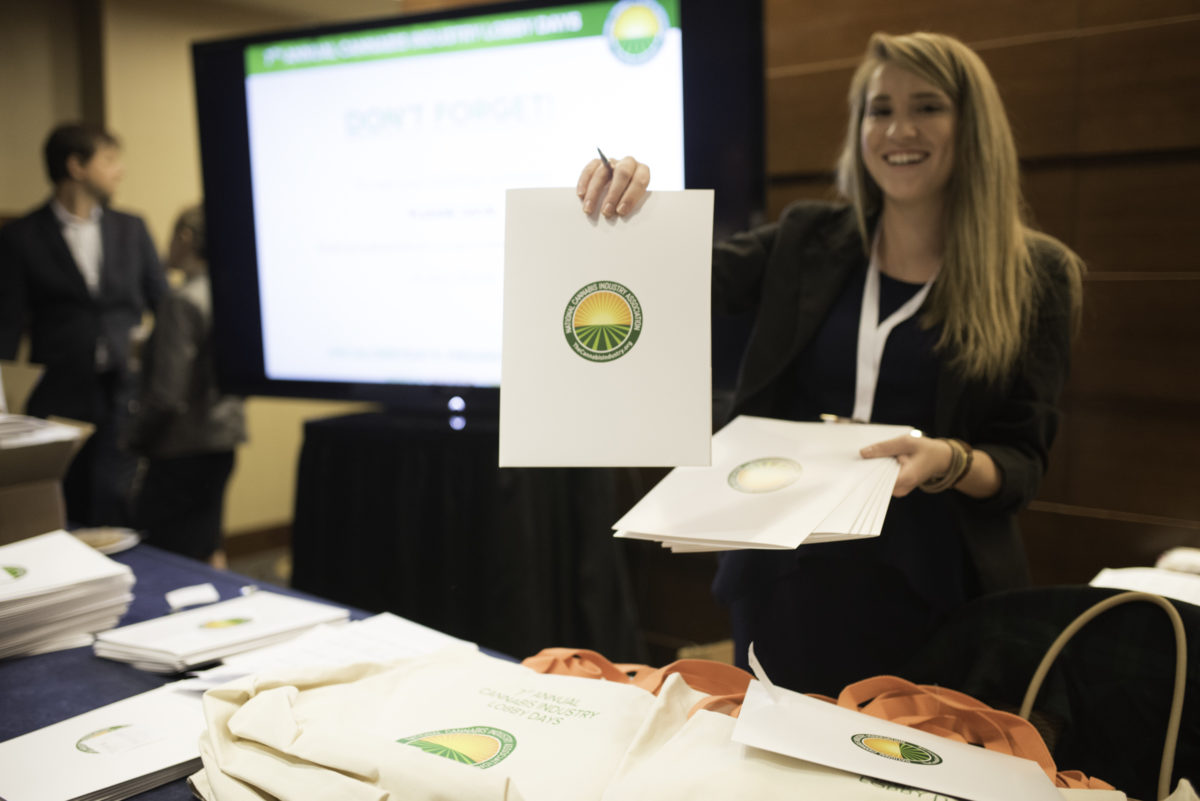
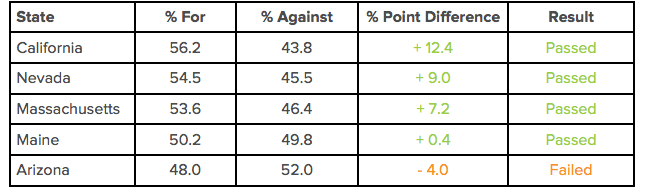
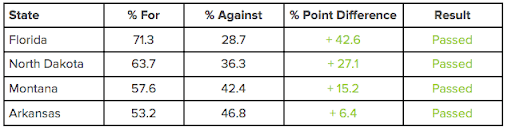
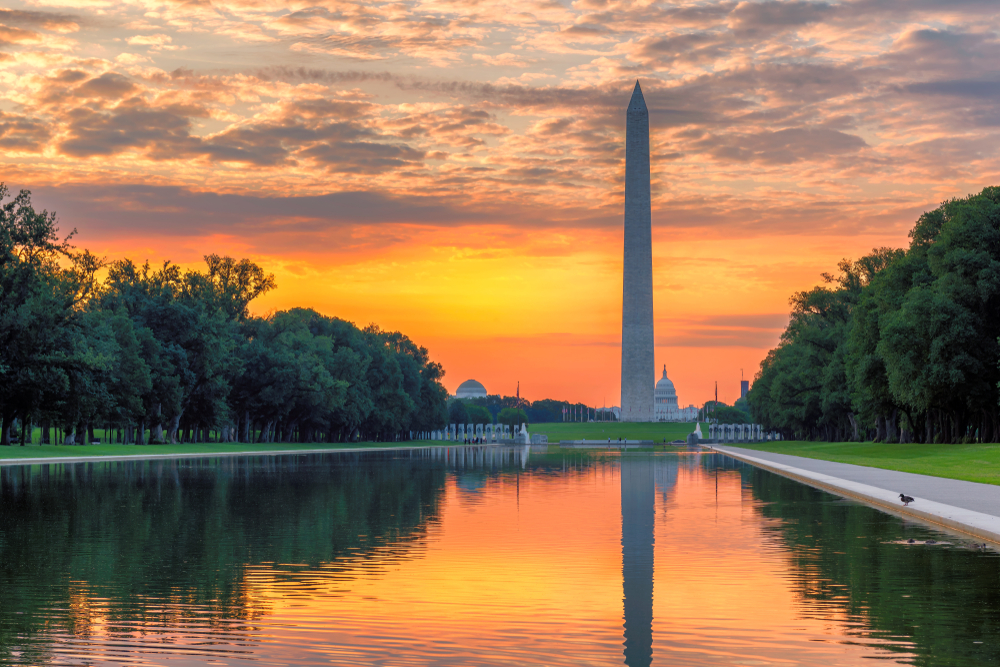
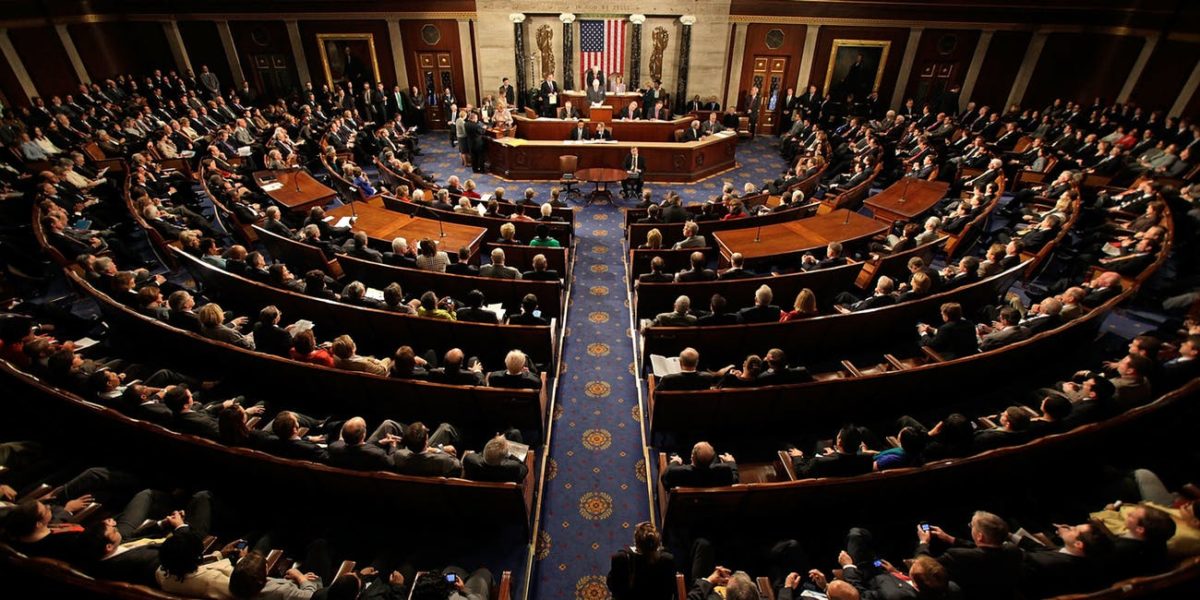

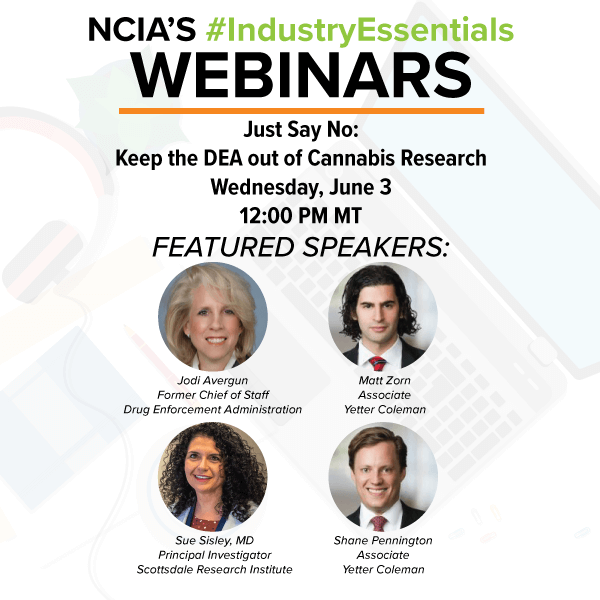




 Calvin Shannon is a Pricipal of Bridge West and has over 17 years of experience providing tax, audit, estate planning and trust services. Calvin is skilled at understanding client’s challenges and working with them to develop and implement innovative and unique solutions. Assists organizations to address the industry’s unique and ever-evolving issues. He enjoys having the opportunity to work with cannabis clients to understand their business needs, and to provide timely solutions
 Gabriel Cross is a Founder and CEO at
  Gary Seelhorst
 Legislation to give legal marijuana businesses, which have been declared essential in a majority of states with regulated cannabis markets, access to resources being made available by congressional COVID-19 emergency response packages was introduced in the House of Representatives last week by Rep. Earl Blumenauer (D-OR) and Rep. Ed Perlmutter (D-CO).
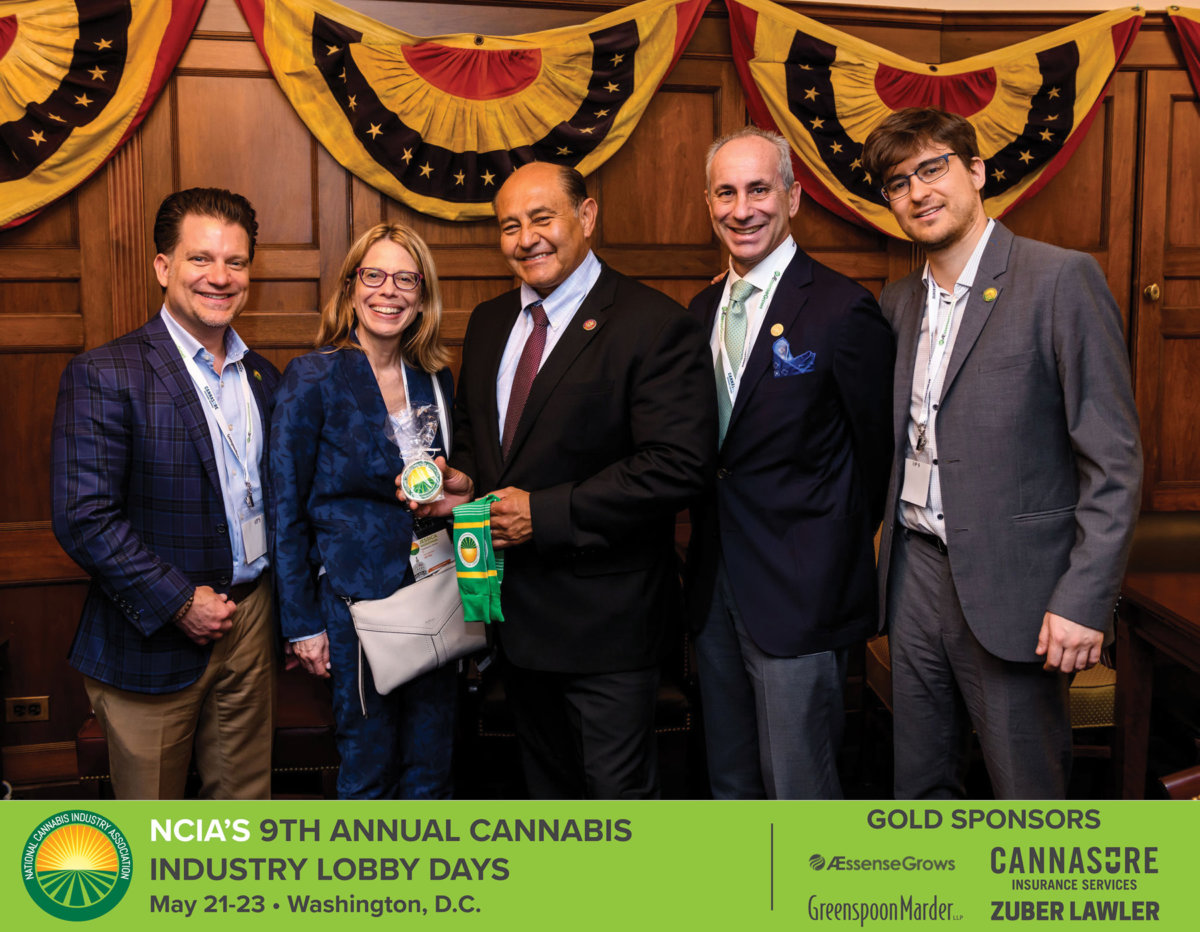


 As a former Federal bank regulator and seasoned consultant, Angela’s knowledge of regulatory compliance, risk management and investment advisory services has established her reputation as a leading resource within the financial consulting industry, spanning consumer protection and anti-money laundering statutes, fraud and cannabis banking issues.